S. 5546: Jeanette Acosta Invest in Women’s Health Act of 2026
This bill would create and fund new federal efforts to increase women’s access to cancer screening, early detection, and follow-up care, with a focus on breast cancer and gynecologic cancers such as cervical, ovarian, uterine, vaginal, and vulvar cancer.
What the bill would do
- It would authorize the Department of Health and Human Services to give grants and enter into contracts with public and nonprofit organizations to expand preventive cancer screening services.
- These services could include clinical breast exams, Pap tests, HPV tests, combined HPV/Pap testing, HPV self-collection testing, HPV vaccinations, and diagnostic tests for people who have symptoms of cancer.
- The bill says the funding should be used especially to help women of color and others who have less access to care.
- It would authorize $20 million per year for fiscal years 2027 through 2029 for these grants.
Training for health care providers
- The bill would create a 3-year federal demonstration program to train doctors, nurse practitioners, physician assistants, and other providers in breast and gynecologic cancer screening and follow-up care.
- Training would include the latest screening guidance, care for people with dense breast tissue, and how to handle abnormal screening results.
- It would also include training on implicit bias, cultural competency, and patient communication, with an emphasis on how racism and discrimination can affect care and outcomes.
- Grant recipients would be expected to focus on rural areas, underserved communities, low-income communities, and communities of color.
Who could receive grants
- Organizations eligible for funding would include certain federally funded health entities, family planning providers, Medicaid-related providers, and organizations that already provide cancer screening through the National Breast and Cervical Cancer Early Detection Program.
Research and reporting
- The Secretary of Health and Human Services would have to study access to women’s cancer screening nationwide and report to Congress within 2 years, then every 5 years after that.
- The report would examine screening rates and cancer rates by geography, income, race, ethnicity, insurance status, and other factors.
- It would also review whether the training and demonstration projects improve early detection and care, estimate federal savings from earlier detection, and recommend whether the programs should continue or expand.
HPV and cervical cancer co-testing pilot
- The bill would create a 2-year demonstration project to increase co-testing for HPV and cervical cancer screening.
- The project would focus on groups with higher cervical cancer disparities, including Black women, Hispanic and Latina women, and Asian American, Native Hawaiian, and Pacific Islander women.
- Grant funds could be used to improve access, provide language interpretation and culturally appropriate services, and support other health-improving services.
- Priority would go to providers serving low-income, uninsured, medically underserved, or historically under-screened populations.
Relevant Companies
- None found
This is an AI-generated summary of the bill text. There may be mistakes.
Sponsors
16 bill sponsors
-
TrackPatty Murray
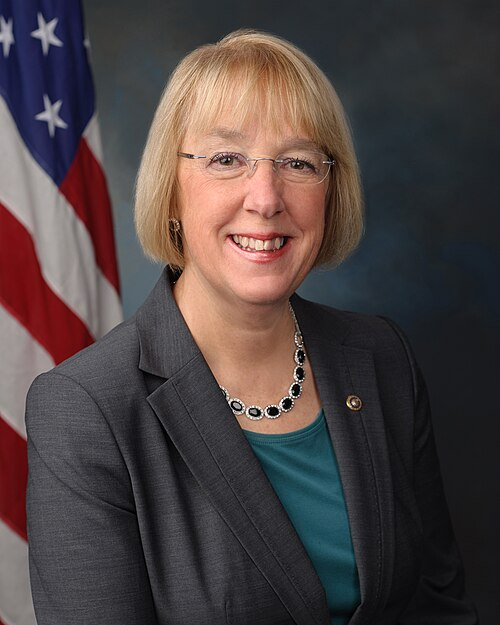
Sponsor
-
TrackAngela Alsobrooks
Co-Sponsor
-
TrackTammy Baldwin

Co-Sponsor
-
TrackRichard Blumenthal
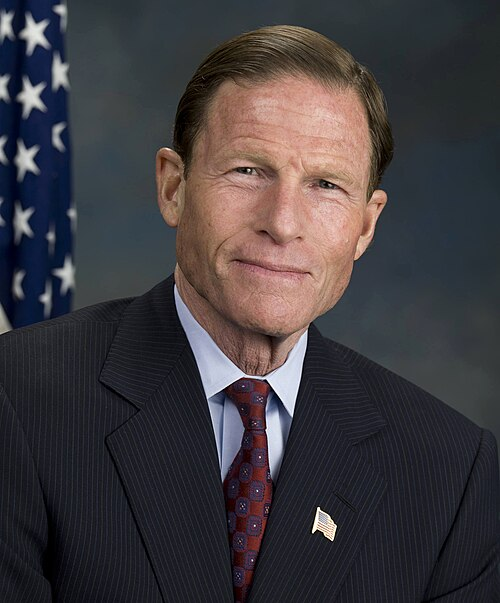
Co-Sponsor
-
TrackCory A. Booker

Co-Sponsor
-
TrackTammy Duckworth
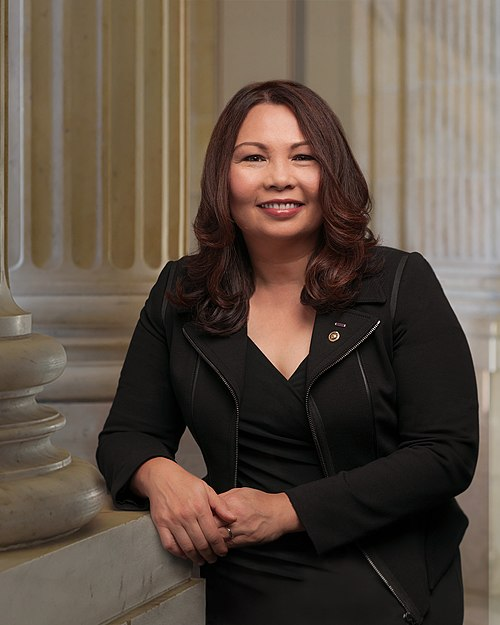
Co-Sponsor
-
TrackRuben Gallego

Co-Sponsor
-
TrackKirsten E. Gillibrand

Co-Sponsor
-
TrackAmy Klobuchar
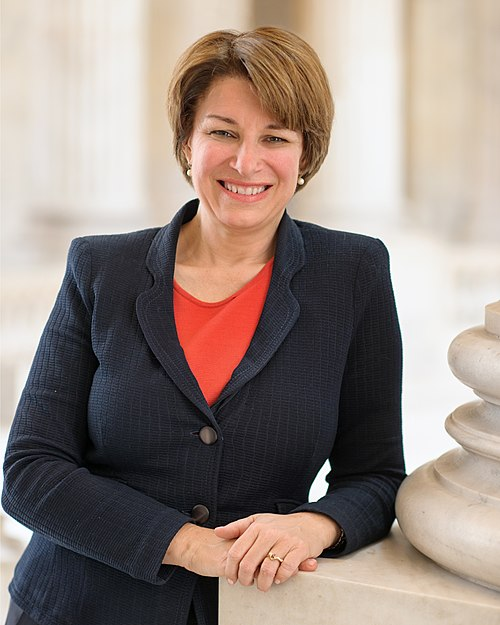
Co-Sponsor
-
TrackJeff Merkley

Co-Sponsor
-
TrackJacky Rosen

Co-Sponsor
-
TrackAdam B. Schiff
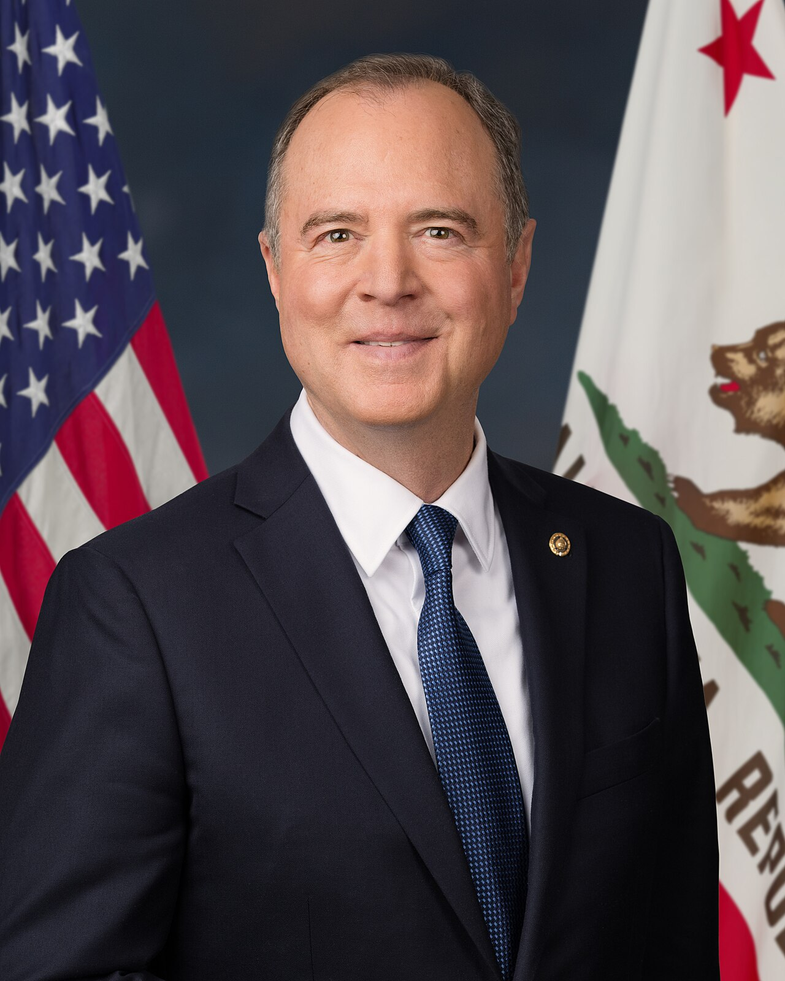
Co-Sponsor
-
TrackJeanne Shaheen
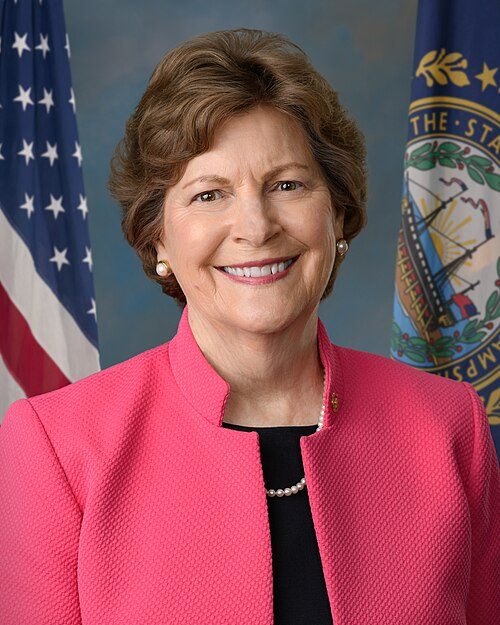
Co-Sponsor
-
TrackChris Van Hollen

Co-Sponsor
-
TrackSheldon Whitehouse

Co-Sponsor
-
TrackRon Wyden

Co-Sponsor
Actions
2 actions
| Date | Action |
|---|---|
| Sep. 24, 2026 | Introduced in Senate |
| Sep. 24, 2026 | Read twice and referred to the Committee on Health, Education, Labor, and Pensions. |
Corporate Lobbying
0 companies lobbying
None found.
* Note that there can be significant delays in lobbying disclosures, and our data may be incomplete.
Potentially Relevant Congressional Stock Trades
No relevant congressional stock trades found.