
S. 5545: Police Training and Independent Review Act of 2026
This bill would create a federal grant program for states that adopt certain police training and review rules. The Attorney General could give one-year grants to states to help them cover the costs of complying with the bill’s requirements.
Police training requirements
To qualify for grants, a state would have to require all police academy trainees and all law enforcement officers in the state to complete yearly training on fair and impartial policing. The training would need to include:
- Implicit and explicit bias training covering race, religion, ethnicity, national origin, gender, sexual orientation, gender identity, and disability;
- Training on cultural diversity;
- Training on interacting with people who have mental illness or behavioral, mental, or physical disabilities;
- Crisis intervention;
- De-escalation tactics;
- Scenario-based training; and
- Testing to show officers can demonstrate proficiency in these subjects through scenario-based exercises.
The bill would require at least 8 hours of this training initially, and at least 4 hours each year after that. States would have to certify to the Attorney General that all covered officers and academy trainees completed the required training. The Justice Department Inspector General would also audit some grant recipients each year to check compliance.
Independent review of deadly force cases
To be eligible for grants, a state would also need to have an “independent prosecution of law enforcement” law in effect. In general, this means the state must have a process for independently investigating and handling cases where a law enforcement officer uses deadly force and someone is killed or injured.
The bill says this can be done in several ways, including:
- Using a civilian or independent review board to investigate officer use-of-force allegations;
- Having the state attorney general handle the investigation and prosecution;
- Automatically referring cases to a special prosecutor overseen by the attorney general;
- Using agreements with other law enforcement agencies to conduct investigations and report back to the attorney general; or
- Using an independent prosecutor.
The bill defines an “independent prosecutor” as someone who does not live or work in the same county as the incident and who would not normally be involved in the case.
Timing and eligibility
States would generally have to come into compliance within 240 days after enactment, though the Attorney General could allow an extra 120 days if the state is making a good-faith effort. A state that is compliant at the end of one fiscal year could receive a grant for the next year, but if it later falls out of compliance, it would lose eligibility for the following fiscal year.
Relevant Companies
None found
This is an AI-generated summary of the bill text. There may be mistakes.
Sponsors
11 bill sponsors
-
TrackTammy Duckworth
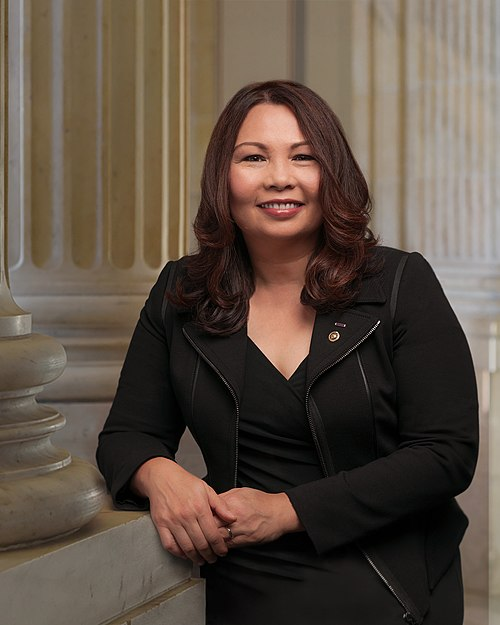
Sponsor
-
TrackTammy Baldwin

Co-Sponsor
-
TrackRichard Blumenthal
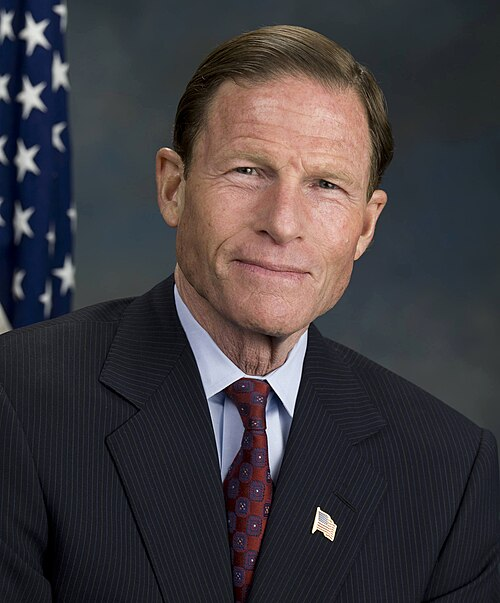
Co-Sponsor
-
TrackMaria Cantwell

Co-Sponsor
-
TrackRichard J. Durbin
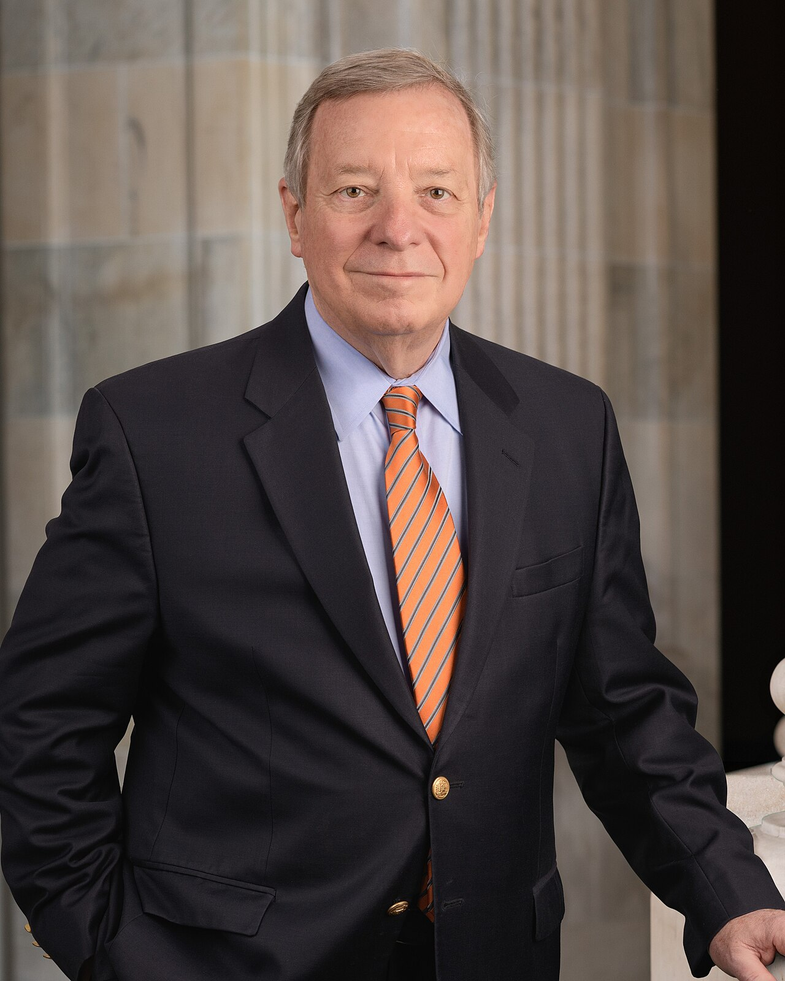
Co-Sponsor
-
TrackMazie K. Hirono

Co-Sponsor
-
TrackTim Kaine
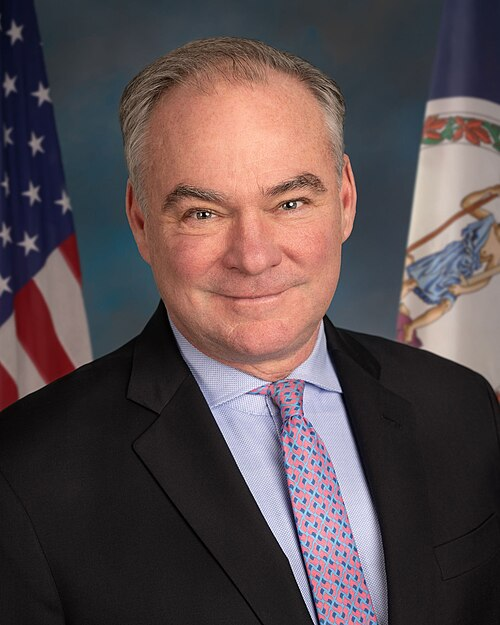
Co-Sponsor
-
TrackJeff Merkley

Co-Sponsor
-
TrackAlex Padilla
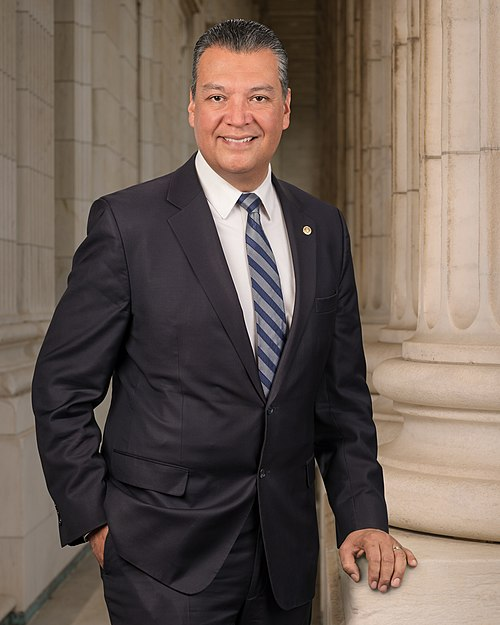
Co-Sponsor
-
TrackPeter Welch
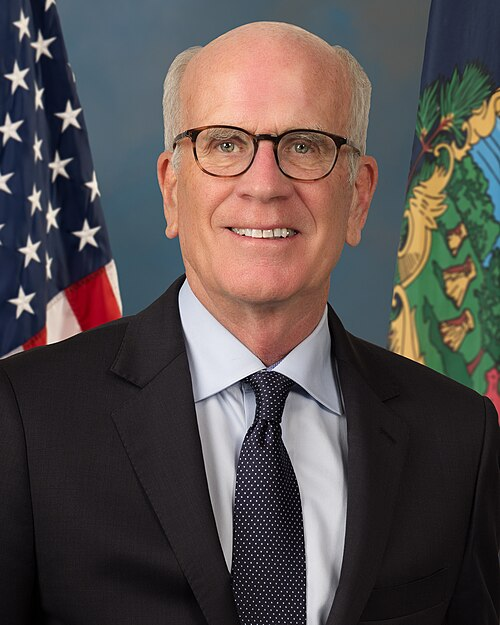
Co-Sponsor
-
TrackRon Wyden
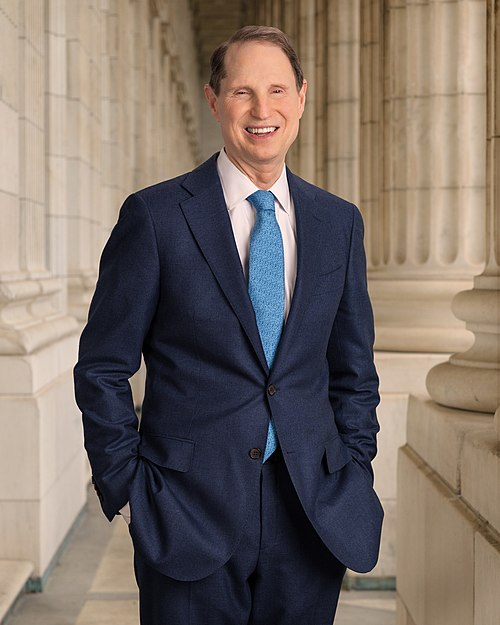
Co-Sponsor
Actions
2 actions
| Date | Action |
|---|---|
| Sep. 24, 2026 | Introduced in Senate |
| Sep. 24, 2026 | Read twice and referred to the Committee on the Judiciary. |
Corporate Lobbying
0 companies lobbying
None found.
* Note that there can be significant delays in lobbying disclosures, and our data may be incomplete.
Potentially Relevant Congressional Stock Trades
No relevant congressional stock trades found.