
S. 5534: Building and Maintaining Homeless Shelters Act
This bill would create a new federal grant program within the McKinney-Vento Homeless Assistance Act to help build, expand, and improve shelters and permanent supportive housing.
What the grants could be used for
The Department of Housing and Urban Development (HUD) would award grants to eligible entities to support:
- Construction, rehabilitation, or purchase of shelters or permanent supportive housing
- Buying property for new shelters or permanent supportive housing
- Other building and infrastructure needs related to housing and homelessness response
The bill specifically allows funding for items such as energy-efficiency upgrades, mobile health clinics, day centers, rapid rehousing, safe parking programs, conversions of commercial buildings or hotels/motels into non-congregate shelters, single-room occupancy buildings used as shelter, exterior accessibility and safety improvements, and other physical infrastructure needs.
Who could apply
Eligible applicants would include:
- State governments
- Local governments
- Indian tribal governments
- Tribally designated housing entities
- Public housing agencies
- 501(c)(3) nonprofit organizations
The bill would not allow individuals, foreign entities, or sole proprietorships to apply.
How the housing is defined
The bill defines permanent housing as community-based housing with no fixed length of stay, typically involving a lease of at least one year that can renew month-to-month and can only be ended for cause.
It defines permanent supportive housing as permanent housing paired with supportive services for homeless people with disabilities, including certain homeless individuals and families under federal homelessness rules.
How the money would be allocated
If Congress funds the program, HUD would have to divide the money so that:
- 50% supports shelters
- 50% supports permanent supportive housing
HUD could give priority to projects serving people who are homeless, people fleeing domestic violence or similar abuse, youth, LGBTQ+ individuals, and Black, Indigenous, and other people of color.
Other program rules
The bill includes several restrictions and preferences:
- Faith-based organizations could not be treated differently just because of their religious status.
- Grant recipients could not be entities that discriminate based on sexual orientation, gender identity, or sex stereotypes.
- At least 5% of the money would go to tribal governments or tribally designated housing entities.
- At least 40% of the money would go to eligible entities located in rural areas.
- Construction funded by the grants would have to use domestic-content materials under Buy America rules.
- Workers on funded construction projects would have to be paid prevailing wages.
- Up to 10% of a grant could be used for administrative costs.
Funding level
The bill would authorize $500 million per year from fiscal years 2027 through 2031, for a total authorization of up to $2.5 billion over five years.
Relevant Companies
None found
This is an AI-generated summary of the bill text. There may be mistakes.
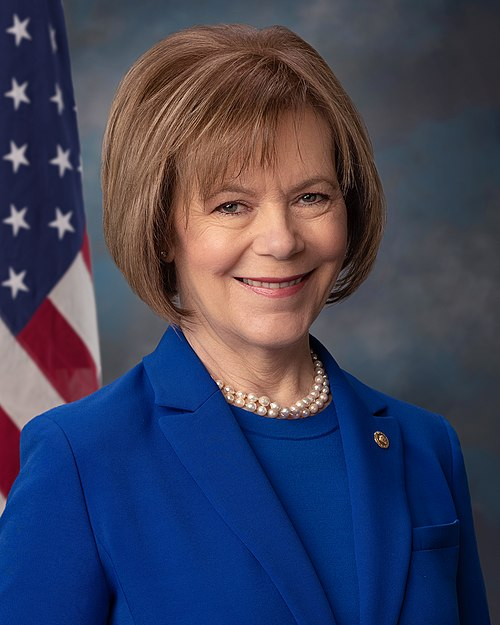
Sponsors
1 sponsor
Actions
2 actions
| Date | Action |
|---|---|
| Sep. 24, 2026 | Introduced in Senate |
| Sep. 24, 2026 | Read twice and referred to the Committee on Banking, Housing, and Urban Affairs. |
Corporate Lobbying
0 companies lobbying
None found.
* Note that there can be significant delays in lobbying disclosures, and our data may be incomplete.
Potentially Relevant Congressional Stock Trades
No relevant congressional stock trades found.