
S. 5489: Sickle Cell Care Expansion Act of 2026
This bill would create several new federal programs focused on sickle cell disease, with the goal of expanding the number of doctors and support services available to people with the condition.
Doctor scholarships and loan repayment
The bill would authorize the federal government, through the Health Resources and Services Administration, to offer:
- Scholarships for medical students who agree to later work in sickle cell disease research or patient care.
- Loan repayment assistance for doctors and doctors-in-training who commit to working in this field.
People receiving these benefits would have to complete required medical training, including a residency and hematology fellowship, and then serve for a set period of time. The bill says the service could be in research or in a public or private setting that focuses on treating and educating patients with sickle cell disease. The government could give preference to applicants from disadvantaged backgrounds. The bill authorizes up to $150 million per year for fiscal years 2027 through 2032 for this program.
Community-based education and advocacy grants
The bill would also create a grant program for community organizations, faith-based groups, clinics, nonprofit health providers, and federally qualified health centers. These grants would support programs that:
- Improve understanding of sickle cell disease, including mental health awareness and educational attainment;
- Share information about available health and community services; and
- Help patients and families make care decisions and get access to treatment.
When awarding grants, the government would consider the level of need in the area served. The bill authorizes $50 million per year for fiscal years 2027 through 2032 for this section.
Help for patients moving from pediatric to adult care
The bill would create a third grant program to help patients ages 18 to 29 transition from pediatric to adult sickle cell care. Funded programs would be expected to provide:
- A dedicated transition coordinator;
- Help finding and keeping adult primary care doctors and specialists;
- Support services, including mental health services, to manage appointments and treatment; and
- In some cases, training for adult sickle cell specialists through fellowships, workshops, or similar programs.
Eligible recipients would generally be nonprofits involved in comprehensive sickle cell care, including hospitals and higher education institutions. The bill would require annual reports from grant recipients and reports from the Secretary of Health and Human Services to Congress. The bill authorizes $70 million per year for fiscal years 2027 through 2032 for this program.
Reporting and oversight
The bill includes reporting requirements for grant recipients and for the Secretary of Health and Human Services. These reports would describe the activities funded, patient outcomes, and how many specialists or fellows were trained. Congress would receive regular updates on how the programs are working.
Relevant Companies
None found
This is an AI-generated summary of the bill text. There may be mistakes.
Sponsors
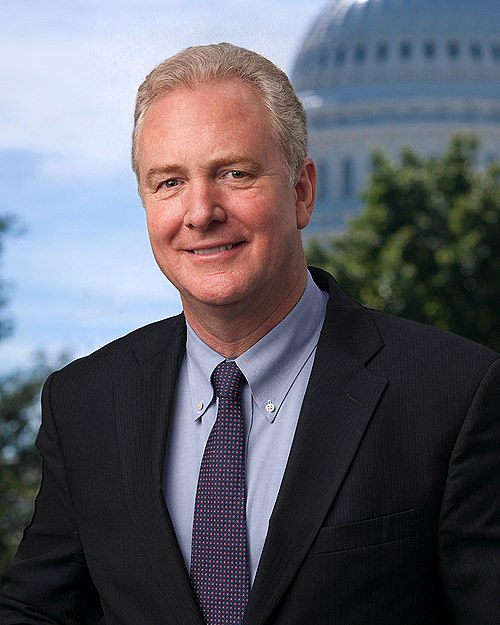
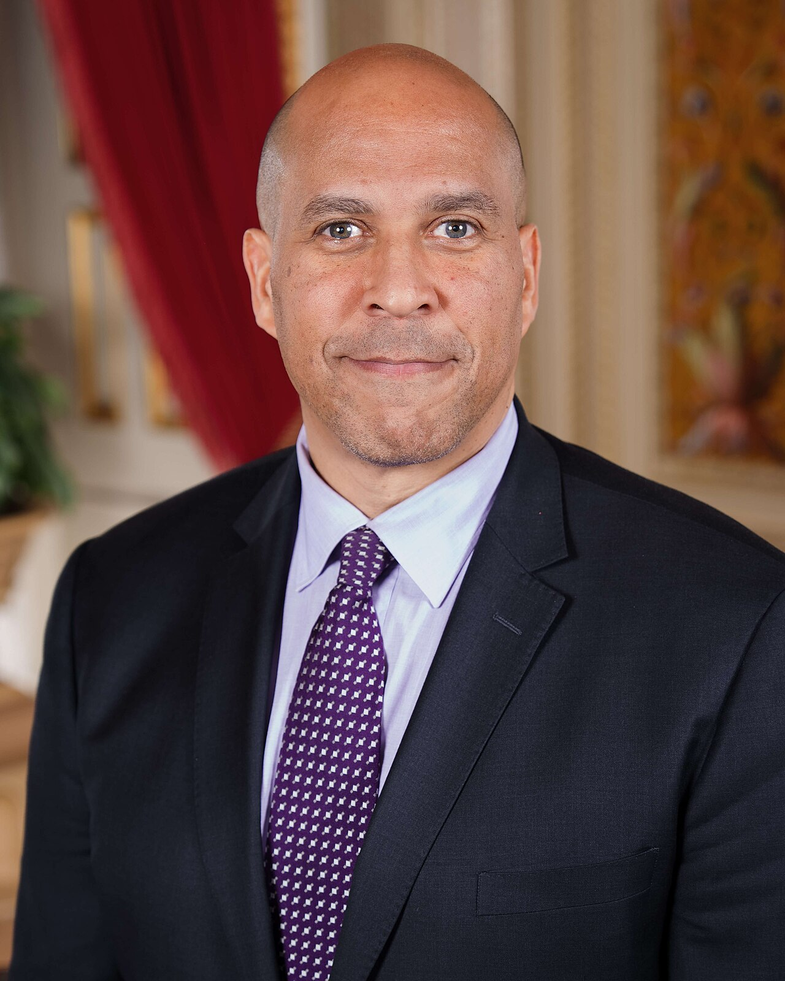
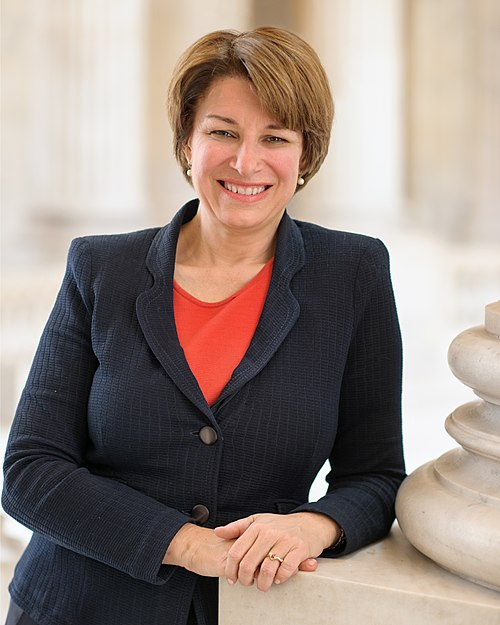
3 bill sponsors
Actions
2 actions
| Date | Action |
|---|---|
| Sep. 23, 2026 | Introduced in Senate |
| Sep. 23, 2026 | Read twice and referred to the Committee on Health, Education, Labor, and Pensions. |
Corporate Lobbying
0 companies lobbying
None found.
* Note that there can be significant delays in lobbying disclosures, and our data may be incomplete.
Potentially Relevant Congressional Stock Trades
No relevant congressional stock trades found.