
S. 5488: Sickle Cell Disease Treatment Centers Act of 2026
This bill would create a federal grant program to help set up and support sickle cell disease treatment centers using a hub-and-spoke model. In simple terms, that means one main medical center would work with smaller partner clinics and community organizations to coordinate care for people with sickle cell disease and other inherited hemoglobin disorders.
What the program would do
The Health and Human Services Secretary would award grants to eligible groups made up of:
- a main “hub” such as a hospital, clinic, or university health center,
- at least one “spoke” provider such as a federally qualified health center, primary care provider, infusion center, or other clinic, and
- at least one community-based nonprofit organization.
The goal would be to make care more coordinated across a patient’s life, including for children, teens, and adults.
Services the centers could support
Grant money could be used for activities such as:
- coordinating primary, specialty, mental health, pain management, and genetic counseling services;
- offering telehealth visits when possible;
- helping patients move from pediatric to adult care;
- providing social work and community health worker support;
- educating health providers about sickle cell treatment, social determinants of health, and implicit bias;
- coordinating reproductive health and family planning services;
- collecting and sharing data on patient outcomes and complications;
- supporting access to insurance, including help with premiums and cost-sharing where allowed by law;
- providing transportation or travel support for patients who need in-person care; and
- supporting sickle cell trait testing and genetic counseling.
National coordination and data collection
The bill would also create or designate a National Sickle Cell Disease Coordinating Center to help organize the program nationwide. That center would:
- advise the Secretary on how the program should operate;
- develop a national strategy for better care and access;
- work with federal agencies on data collection and needs assessments;
- bring together patients, providers, researchers, and advocates; and
- provide technical assistance and public education about sickle cell disease and sickle cell trait.
The CDC, working with the coordinating center, would also collect and maintain data on sickle cell disease outcomes, complications, treatment use, disparities, and risk factors, and produce educational and outreach materials.
Selection, priorities, and reporting
The Secretary would be required to consider geography when awarding grants, with a focus on areas where more people with sickle cell disease or trait live, while also trying to provide access nationwide. The bill says grants may get priority if they involve historically Black colleges and universities, minority-serving institutions, rural areas, or areas with high sickle cell prevalence.
The bill would also require:
- a public request for information within 180 days after enactment and before each grant cycle;
- a report to Congress within 3 years and every 5 years after that on how the centers are affecting patient outcomes; and
- an annual funding structure authorizing appropriations beginning in fiscal year 2027.
Of the money appropriated each year, the bill says 70% could go to hub-and-spoke networks, 20% to community-based organizations, 5% to the national coordinating center, and 5% to the CDC data program.
Relevant Companies
None found
This is an AI-generated summary of the bill text. There may be mistakes.
Sponsors
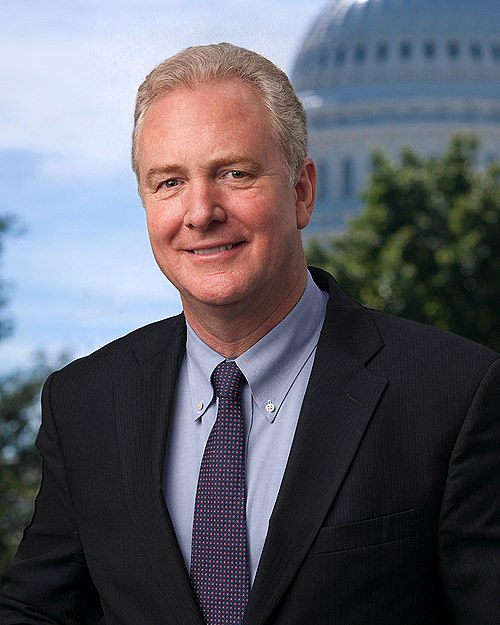
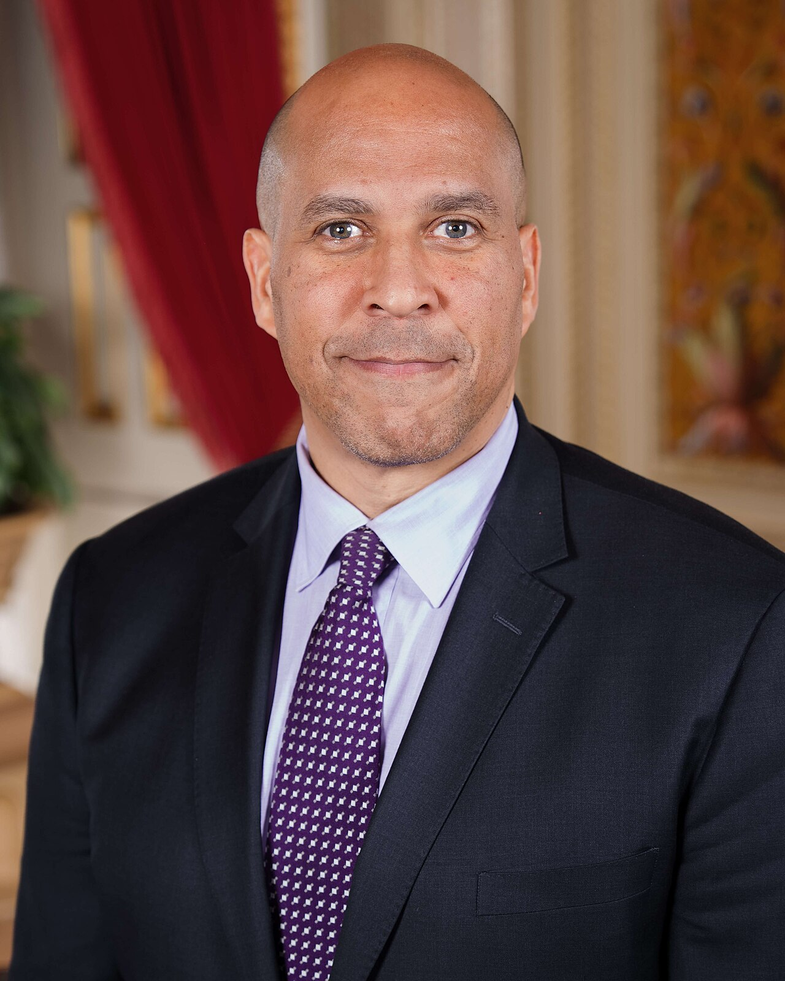
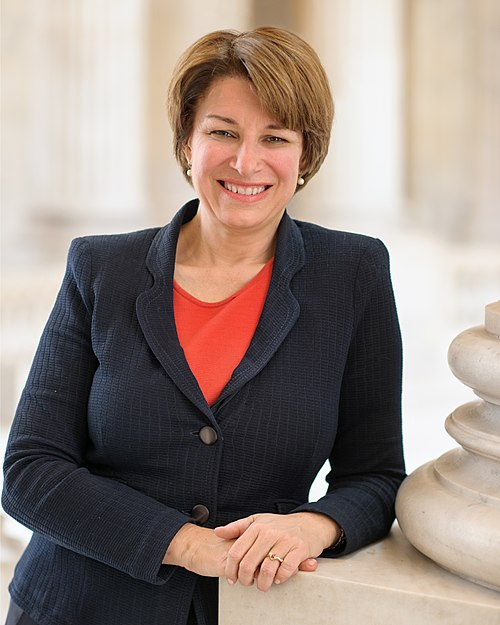
3 bill sponsors
Actions
2 actions
| Date | Action |
|---|---|
| Sep. 23, 2026 | Introduced in Senate |
| Sep. 23, 2026 | Read twice and referred to the Committee on Health, Education, Labor, and Pensions. |
Corporate Lobbying
0 companies lobbying
None found.
* Note that there can be significant delays in lobbying disclosures, and our data may be incomplete.
Potentially Relevant Congressional Stock Trades
No relevant congressional stock trades found.