S. 5482: Promoting Reentry through Education in Prisons Act of 2026
This bill would create a new office inside the Bureau of Prisons focused on prison education and would direct federal prisons to expand and improve education programs for incarcerated people.
What the bill would create
The bill would establish an Office of Prison Education within the Bureau of Prisons, led by an Assistant Director for Prison Education. This office would be responsible for overseeing prison education efforts across federal correctional facilities.
What education programs it would support
The office would help ensure federal prisons offer a range of educational services, including:
- adult literacy and basic skills classes
- high school diploma or equivalent programs
- postsecondary education
- workforce training leading to credentials, certificates, or associate degrees
- pre-apprenticeships and registered apprenticeships
- career and technical education
- expanded educational opportunities for people with disabilities
It would also standardize these programs across federal prisons and coordinate with other federal agencies, including the Department of Education and the Department of Veterans Affairs.
How the new federal program would work
The bill would create a Federal Prison Education Program that lets the Bureau of Prisons partner with schools, nonprofits, community groups, employers, and other education providers. The office would choose providers based on evidence that they produce strong outcomes, such as program completion, employment after release, reduced reoffending, and housing stability.
The bill says diploma mills could not participate.
What prisons and education providers would have to do
Education providers participating in the program would have to coordinate with the prison on scheduling, space, and security. They would also need to make sure students without a high school diploma get literacy and basic education, and that workforce training is aimed at jobs people can actually pursue after release given licensing or legal restrictions.
Providers would also have to tell students:
- which parts of a program cannot be finished while incarcerated
- what options exist to finish after release
- whether credits can transfer
- what financial aid options may be available
- what career counseling and job-placement help is available after release
Reporting, data collection, and evaluation
The bill would require annual reports from participating providers on things like courses offered, completion rates, degrees and certificates earned, costs, staffing, challenges, and student demographics.
It would also require a formal evaluation of the program’s effects, including:
- disciplinary issues and other in-prison outcomes
- post-release education and employment outcomes
- housing stability after release
- safety inside correctional facilities
- recidivism
- demand for participation and waiting lists
The evaluation would cover outcomes while incarcerated and for 3 and 5 years after release, and its results would be submitted to Congress and published.
Research, training, and technical assistance
The bill would also create a clearinghouse for research, policies, and best practices on prison education, and make that information available on the Bureau of Prisons’ website. In addition, the Bureau of Prisons would provide training and technical assistance to state prison systems on how to develop and run education programs.
Funding
The bill would reserve $170 million per year from Bureau of Prisons appropriations for fiscal years 2027 through 2033 to carry out the federal prison education program. The federal government’s share of each program’s cost could not exceed 75%.
Veterans in prison
The bill would require the Department of Veterans Affairs to identify incarcerated veterans who may be eligible for education benefits, connect them to approved prison education programs, provide financial aid counseling, and give them a resource guide about education and job services available after release.
It would also bar incarcerated veterans with felony convictions from receiving certain monthly housing or subsistence payments while incarcerated, and reduce VA educational payments by amounts already covered by other government programs.
Relevant Companies
None found
This is an AI-generated summary of the bill text. There may be mistakes.
Sponsors
15 bill sponsors
-
TrackBrian Schatz
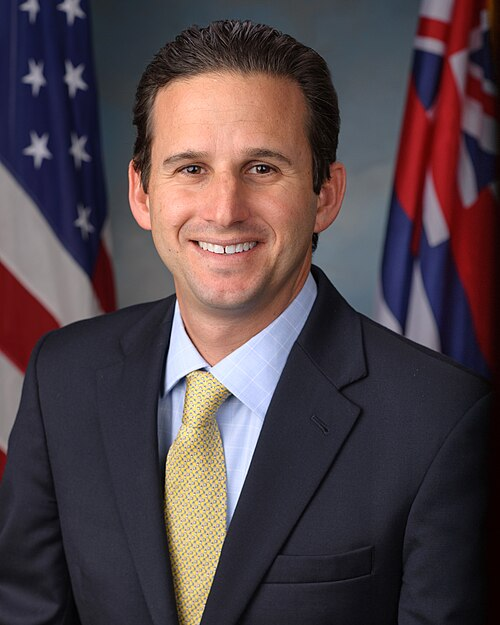
Sponsor
-
TrackRichard Blumenthal
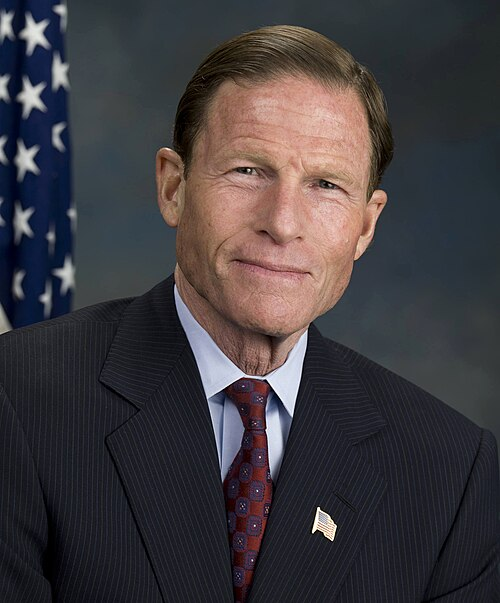
Co-Sponsor
-
TrackCory A. Booker
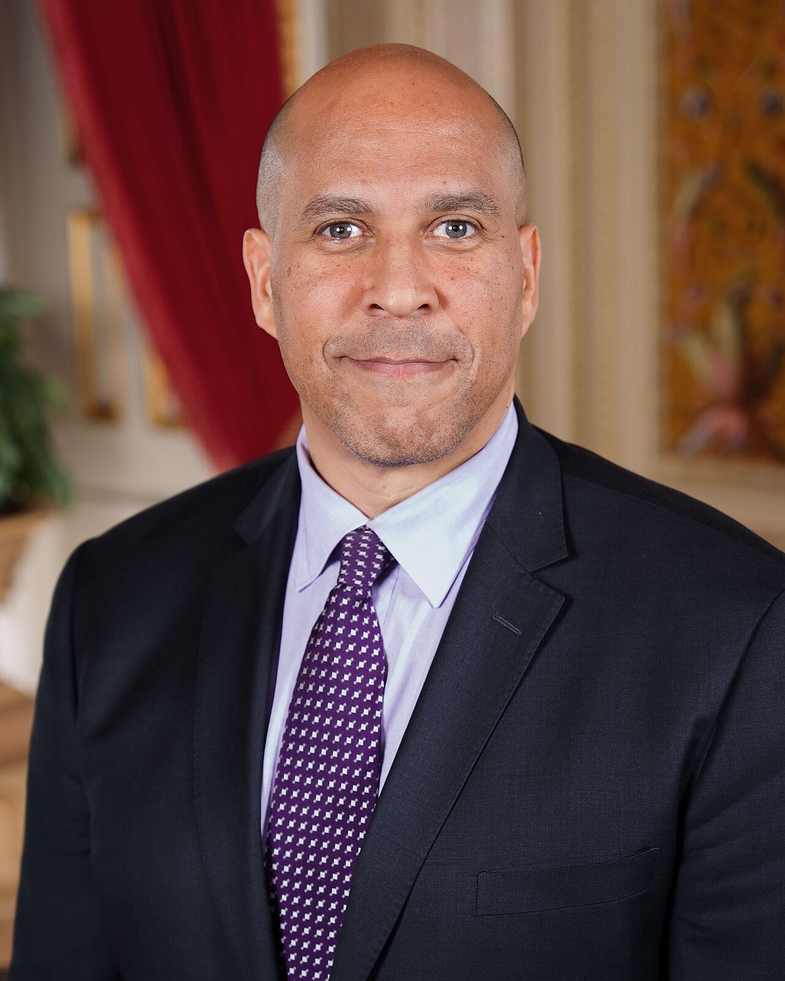
Co-Sponsor
-
TrackRichard J. Durbin

Co-Sponsor
-
TrackJohn Fetterman
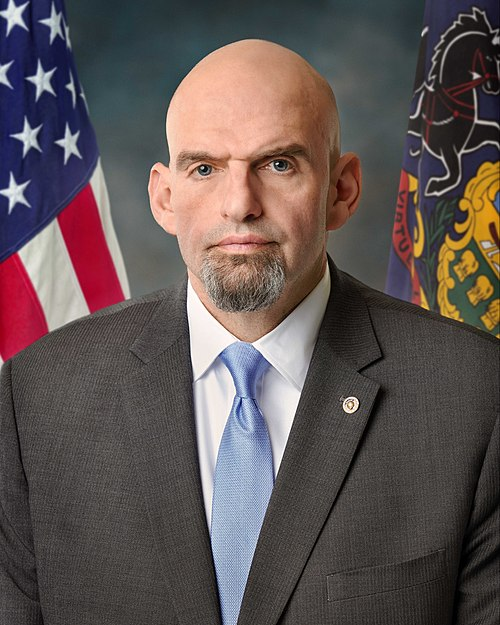
Co-Sponsor
-
TrackAngus S. King Jr.
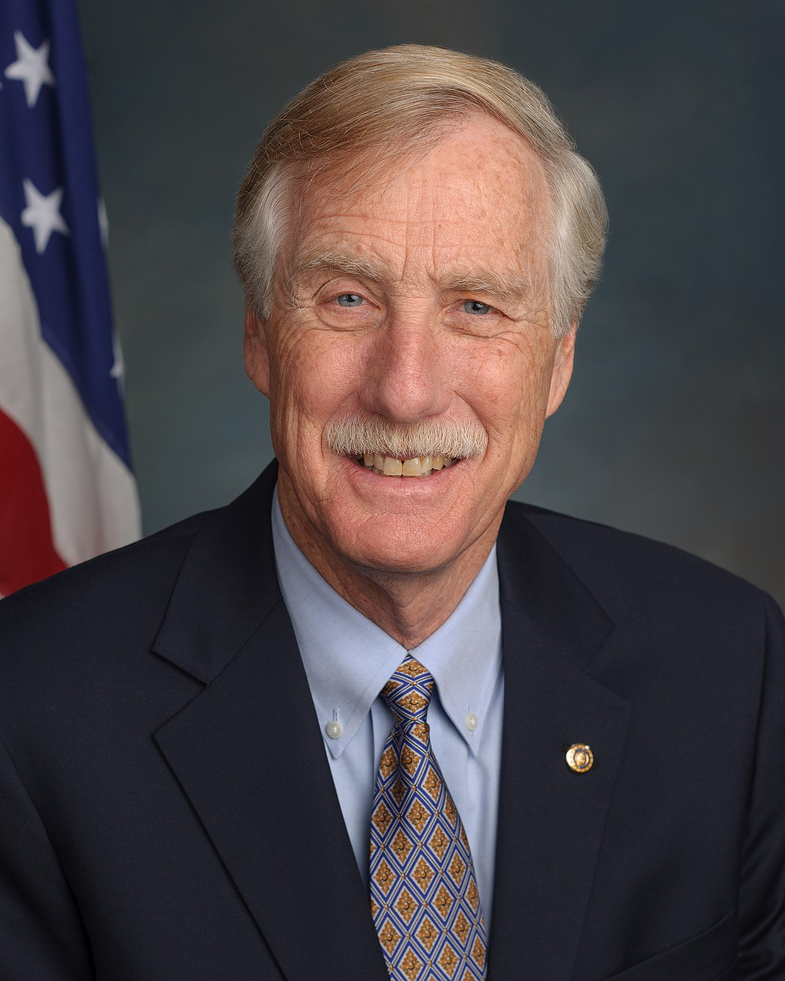
Co-Sponsor
-
TrackAmy Klobuchar
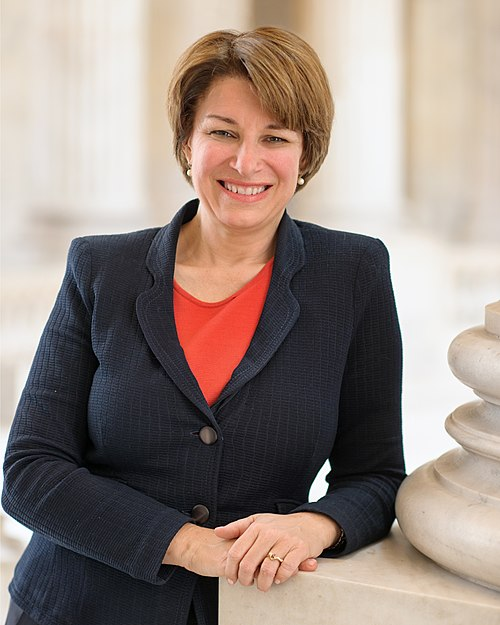
Co-Sponsor
-
TrackJeff Merkley

Co-Sponsor
-
TrackAlex Padilla
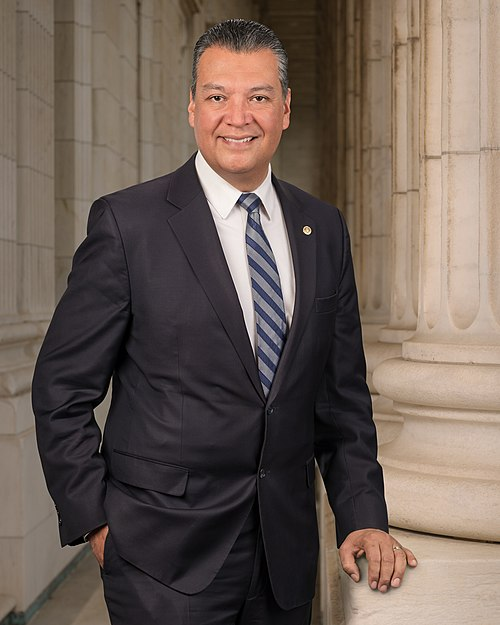
Co-Sponsor
-
TrackAdam B. Schiff
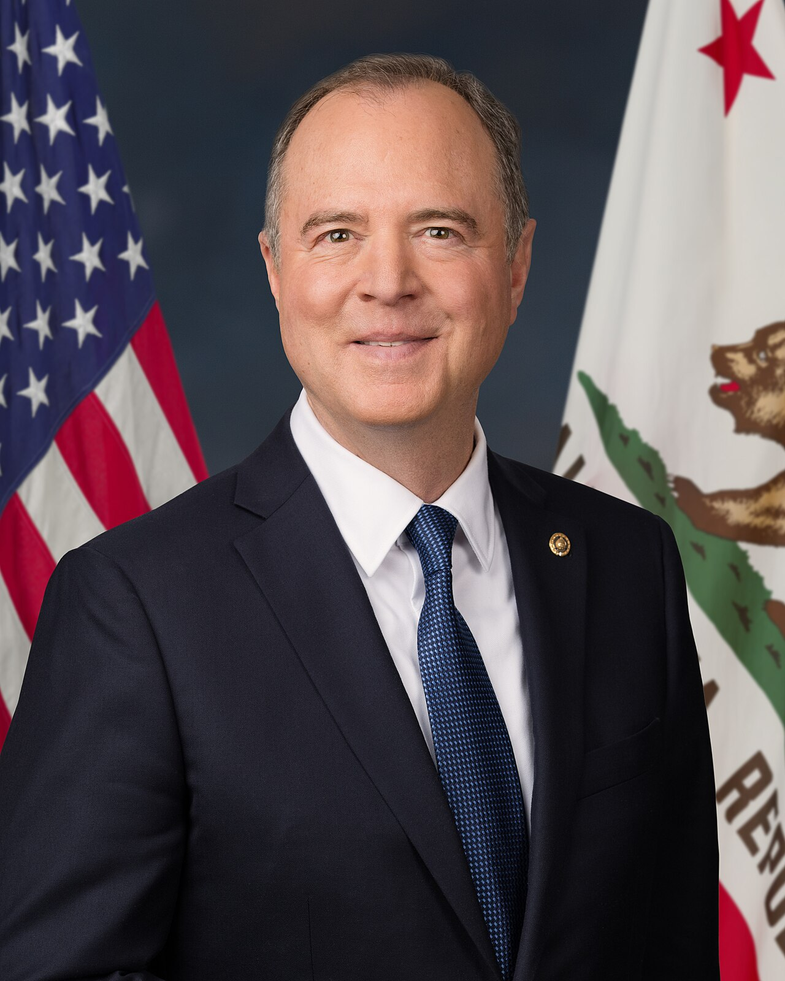
Co-Sponsor
-
TrackTina Smith
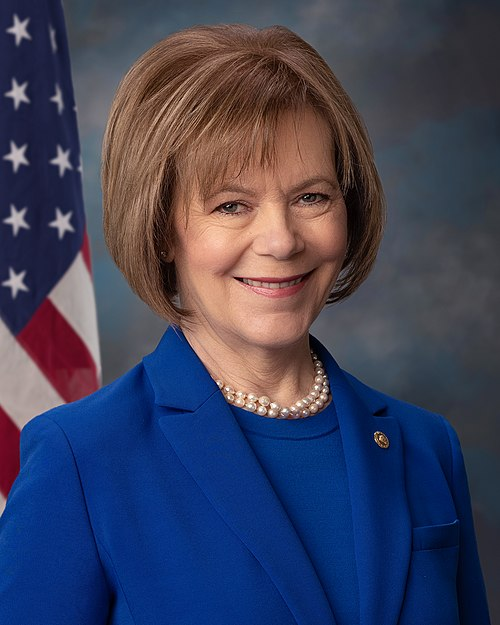
Co-Sponsor
-
TrackChris Van Hollen
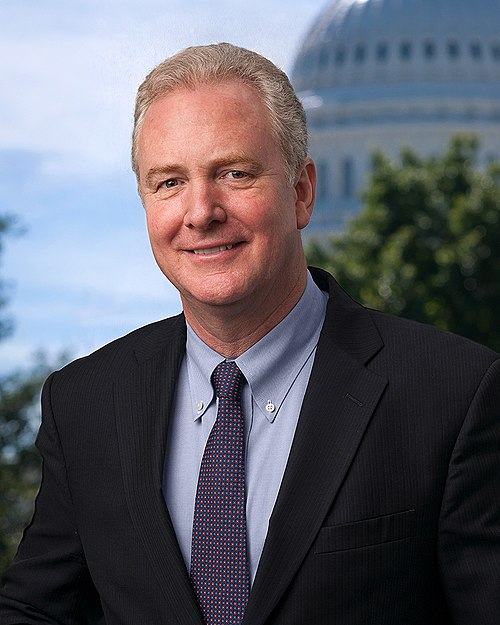
Co-Sponsor
-
TrackPeter Welch
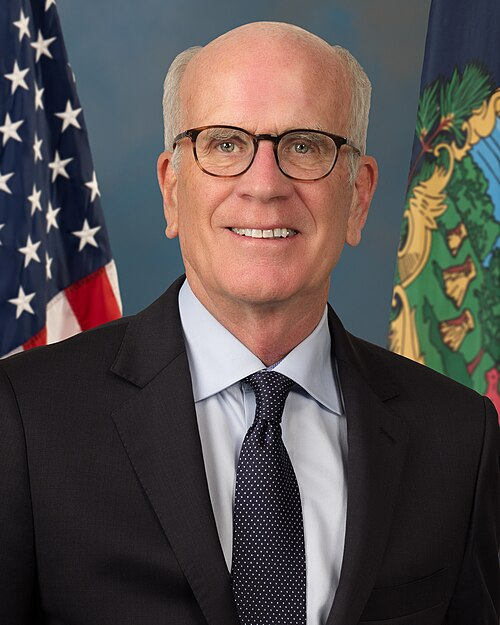
Co-Sponsor
-
TrackSheldon Whitehouse

Co-Sponsor
-
TrackRon Wyden
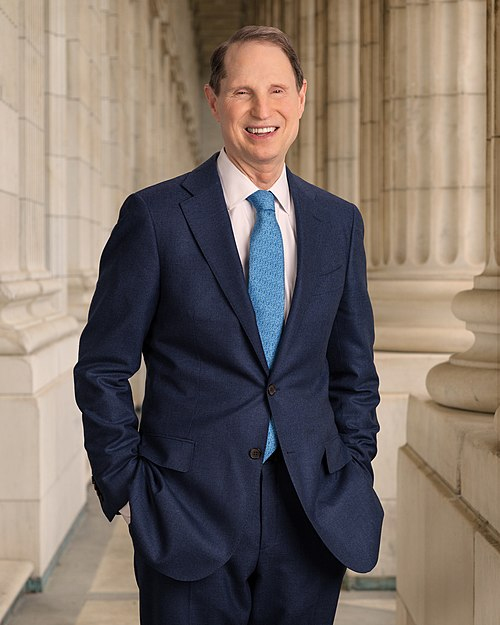
Co-Sponsor
Actions
2 actions
| Date | Action |
|---|---|
| Sep. 23, 2026 | Introduced in Senate |
| Sep. 23, 2026 | Read twice and referred to the Committee on the Judiciary. |
Corporate Lobbying
0 companies lobbying
None found.
* Note that there can be significant delays in lobbying disclosures, and our data may be incomplete.
Potentially Relevant Congressional Stock Trades
No relevant congressional stock trades found.