
S. 5476: To impose sanctions with respect to foreign persons that have facilitated Israeli settlement construction in the E1 area of the West Bank.
This bill would create a U.S. sanctions program aimed at foreign individuals and entities involved in Israeli settlement construction in the E1 area of the West Bank.
What triggers sanctions
Starting 30 days after enactment, the President would be required to freeze property and block transactions in the United States for foreign persons that the Treasury Secretary, working with the Secretary of State, determines have been involved in certain E1-related activities. These include:
- building Israeli settlements, settlement units, or related structures in E1;
- submitting bids, guaranteeing bids, signing development or lease agreements, or providing contracting, subcontracting, or professional services for such construction;
- investing in or building infrastructure that helps support settlement development in E1, such as roads, water, sewage, or electricity systems;
- organizing, directing, financing, or otherwise facilitating the transfer of Israeli civilians into settlements in E1;
- knowingly helping financial transactions connected to those activities;
- participating in financing, planning, construction, or expansion of such settlements or structures;
- serving as a leader or official of an entity involved in those activities, or of an entity already sanctioned under the bill.
Who else could be sanctioned
The President would also be allowed, but not required, to sanction foreign persons who materially assist sanctioned persons, including by providing financial, material, technological, or other support, goods, or services. The same applies to people or entities owned or controlled by, or acting for, a sanctioned person.
What the sanctions do
The bill uses powers under the International Emergency Economic Powers Act. In practical terms, it would block and prohibit transactions involving property or interests in property of sanctioned foreign persons if those assets are in the United States, come into the United States, or are under the control of a U.S. person.
Exceptions
The sanctions would not apply to transactions involving:
- food, agricultural commodities, medicine, medical devices, humanitarian assistance, or humanitarian purposes;
- activities necessary for those humanitarian transactions;
- certain intelligence-related activities and authorized U.S. intelligence operations.
Enforcement, penalties, and duration
The President would have authority to issue rules, orders, and licenses to carry out the sanctions. Violating, attempting to violate, conspiring to violate, or causing a violation of those sanctions could bring penalties under existing IEEPA enforcement provisions. The sanctions program would expire 7 years after enactment.
Relevant Companies
None found
This is an AI-generated summary of the bill text. There may be mistakes.
Sponsors
24 bill sponsors
-
TrackChristopher A. Coons
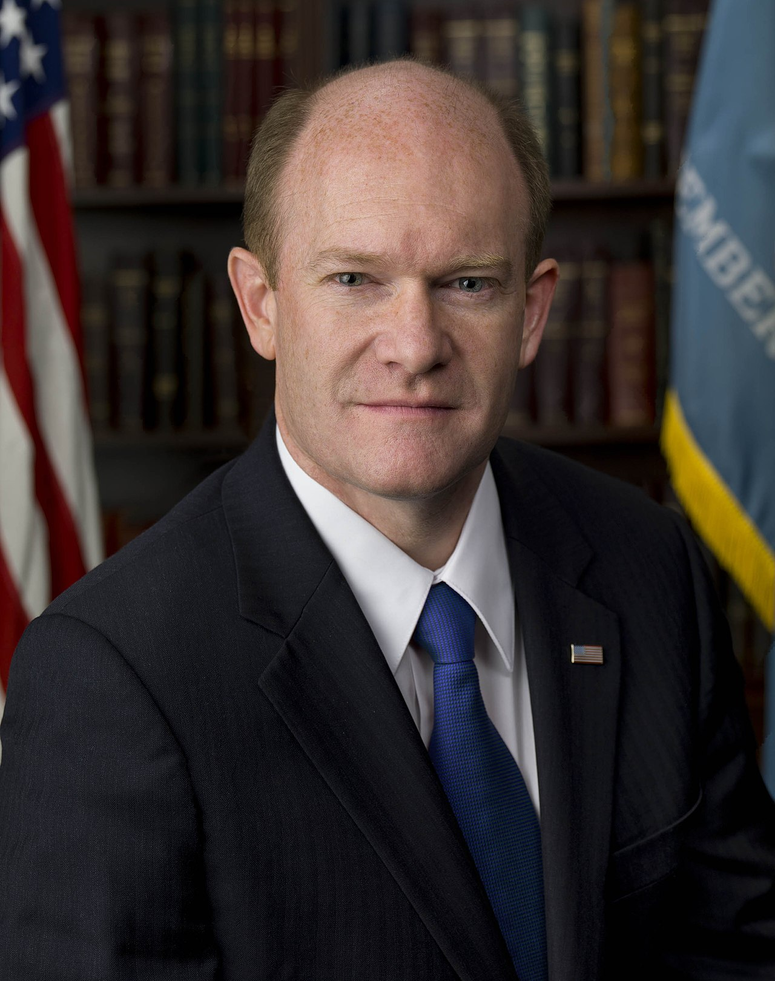
Sponsor
-
TrackAngela Alsobrooks
Co-Sponsor
-
TrackMichael F. Bennet

Co-Sponsor
-
TrackLisa Blunt Rochester
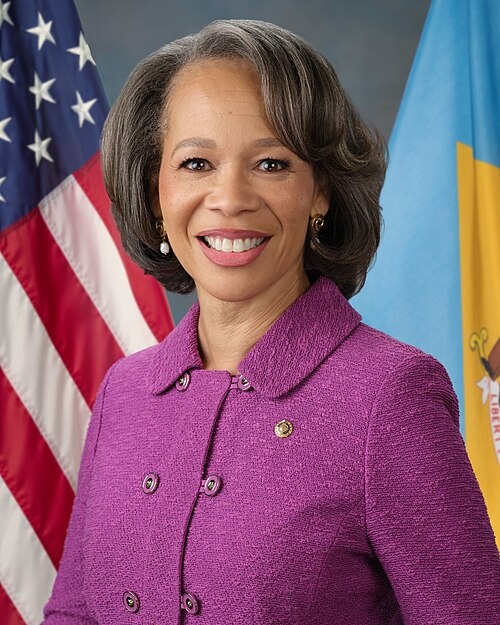
Co-Sponsor
-
TrackTammy Duckworth

Co-Sponsor
-
TrackRuben Gallego
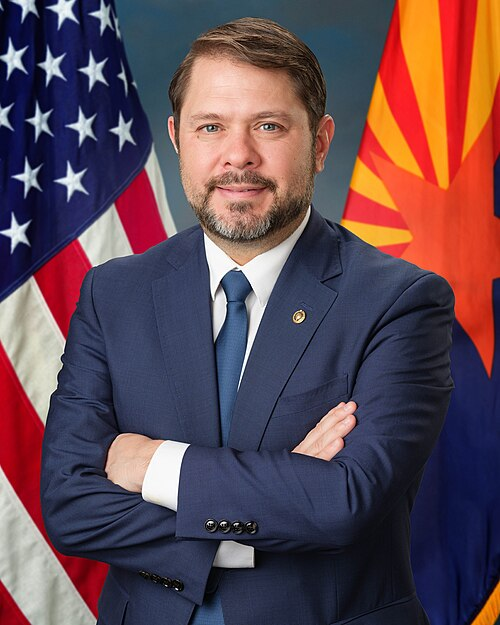
Co-Sponsor
-
TrackMartin Heinrich

Co-Sponsor
-
TrackJohn W. Hickenlooper

Co-Sponsor
-
TrackTim Kaine
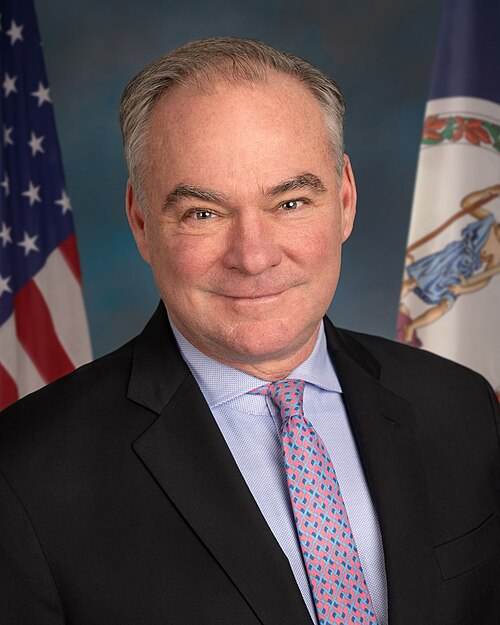
Co-Sponsor
-
TrackMark Kelly
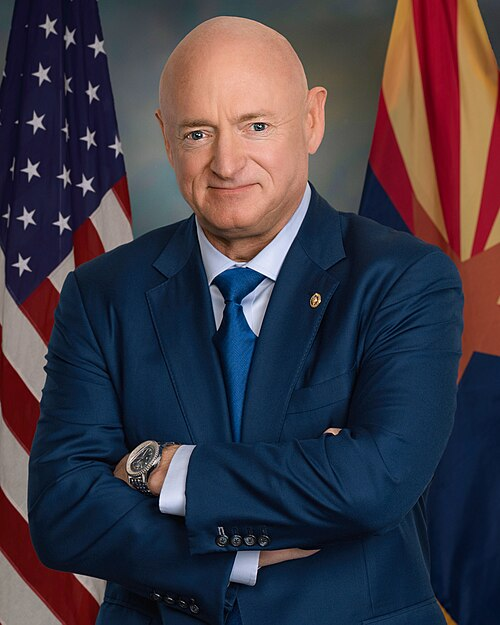
Co-Sponsor
-
TrackAndy Kim

Co-Sponsor
-
TrackJeff Merkley

Co-Sponsor
-
TrackChristopher Murphy

Co-Sponsor
-
TrackPatty Murray
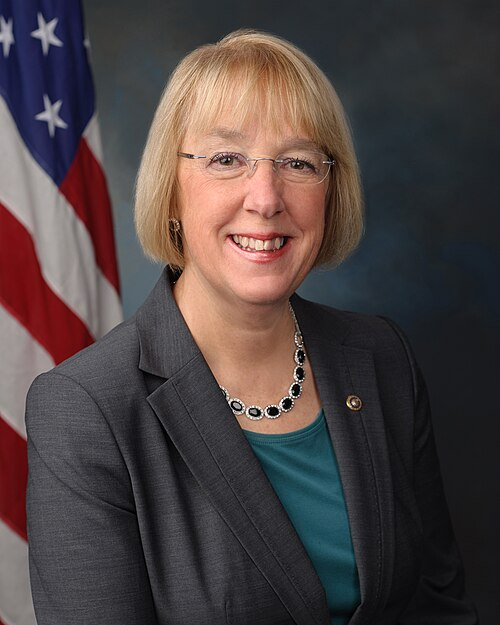
Co-Sponsor
-
TrackJack Reed

Co-Sponsor
-
TrackBrian Schatz
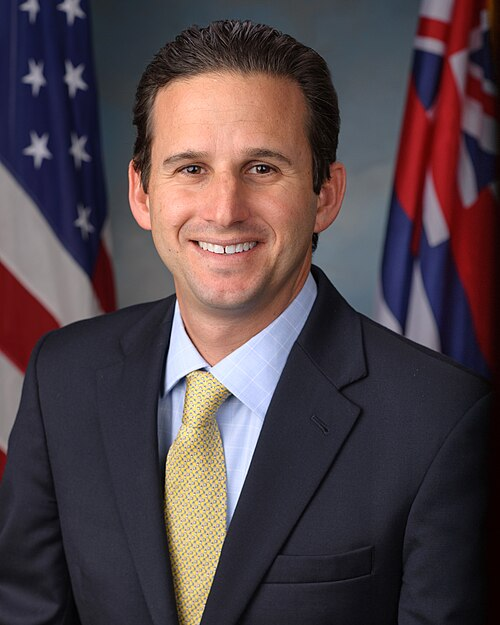
Co-Sponsor
-
TrackAdam B. Schiff
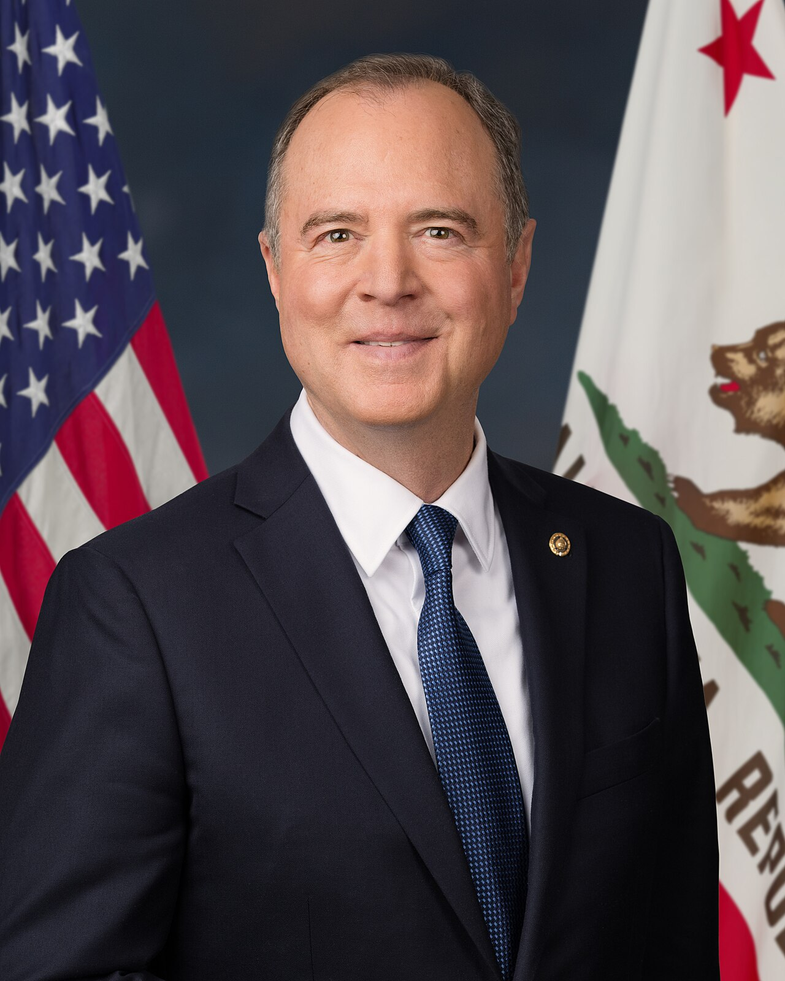
Co-Sponsor
-
TrackJeanne Shaheen
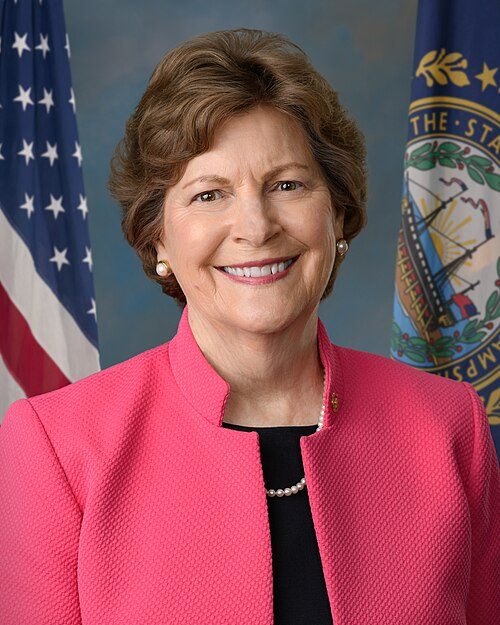
Co-Sponsor
-
TrackElissa Slotkin

Co-Sponsor
-
TrackChris Van Hollen

Co-Sponsor
-
TrackElizabeth Warren

Co-Sponsor
-
TrackPeter Welch
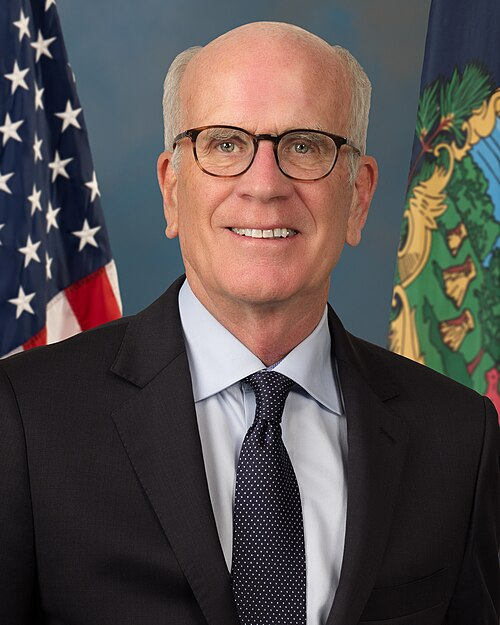
Co-Sponsor
-
TrackSheldon Whitehouse

Co-Sponsor
-
TrackRon Wyden

Co-Sponsor
Actions
2 actions
| Date | Action |
|---|---|
| Sep. 23, 2026 | Introduced in Senate |
| Sep. 23, 2026 | Read twice and referred to the Committee on Banking, Housing, and Urban Affairs. |
Corporate Lobbying
0 companies lobbying
None found.
* Note that there can be significant delays in lobbying disclosures, and our data may be incomplete.
Potentially Relevant Congressional Stock Trades
No relevant congressional stock trades found.