S. 5473: Homeownership Promise Act
This bill would create a new federal savings-and-matching program to help certain first-time homebuyers with down payments on a home.
What the program would do
The Department of Housing and Urban Development (HUD), through the Secretary of Housing and Urban Development, would set up Homeownership Promise Accounts. These accounts would be available through participating community development financial institutions (CDFIs), which are specialized lenders that often work in underserved communities.
Who could use it
The program would be limited to eligible families, meaning:
- One or two people who are first-time homebuyers
- At least 18 years old
- Who have completed a HUD-approved housing counseling program
A first-time homebuyer under this bill is someone who has never owned a principal residence before.
What homes would qualify
The money could only be used to buy an eligible home, meaning a primary residence whose purchase price, not counting closing costs, does not exceed the median single-family home price for the area, as adjusted by HUD for differences in structure and for new versus older housing where appropriate.
How the accounts would work
An eligible family could open an account at a participating CDFI. The institution would have to pay interest on the account at a rate comparable to its regular unrestricted savings accounts.
Before the home is purchased, the account could contain only the family’s own contributions, plus interest and matching funds under the bill’s rules. The total account balance would be capped at $60,000, not counting interest.
Federal matching funds
The main feature of the bill is a federal matching grant:
- For every $1 the family contributes from its own money, the federal government would add $5.
- The federal match would be capped at $50,000 per account.
- Up to $10,000 of the account could come from the family’s own contributions, employer contributions, or nonprofit contributions.
- The remaining portion of the cap could come from the federal match.
Withdrawal rules
The bill would let families take out their own contributed funds for an emergency withdrawal at any time, for any reason, including reasons unrelated to buying a home. The bill does not say the federal matching funds could be withdrawn for unrelated purposes before closing.
Use at closing
At the closing of an eligible home purchase, no more than two eligible families with these accounts could contribute account funds to the closing.
Funding
The bill would authorize Congress to appropriate whatever money is needed to run the program.
Relevant Companies
Likely directly affected publicly traded companies could include:
- ALLY — Ally Financial could see indirect effects if the program increases demand for mortgage and savings products used by first-time homebuyers.
- WFC — Wells Fargo may be affected through mortgage lending activity if more households become able to make home purchases.
- USB — U.S. Bancorp could see changes in mortgage origination and related banking activity tied to first-time buyers.
- BAC — Bank of America could be affected by increased mortgage and deposit-account activity among eligible buyers.
- CFG — Citizens Financial Group could be affected through mortgage lending and homebuyer banking services.
This is an AI-generated summary of the bill text. There may be mistakes.
Sponsors
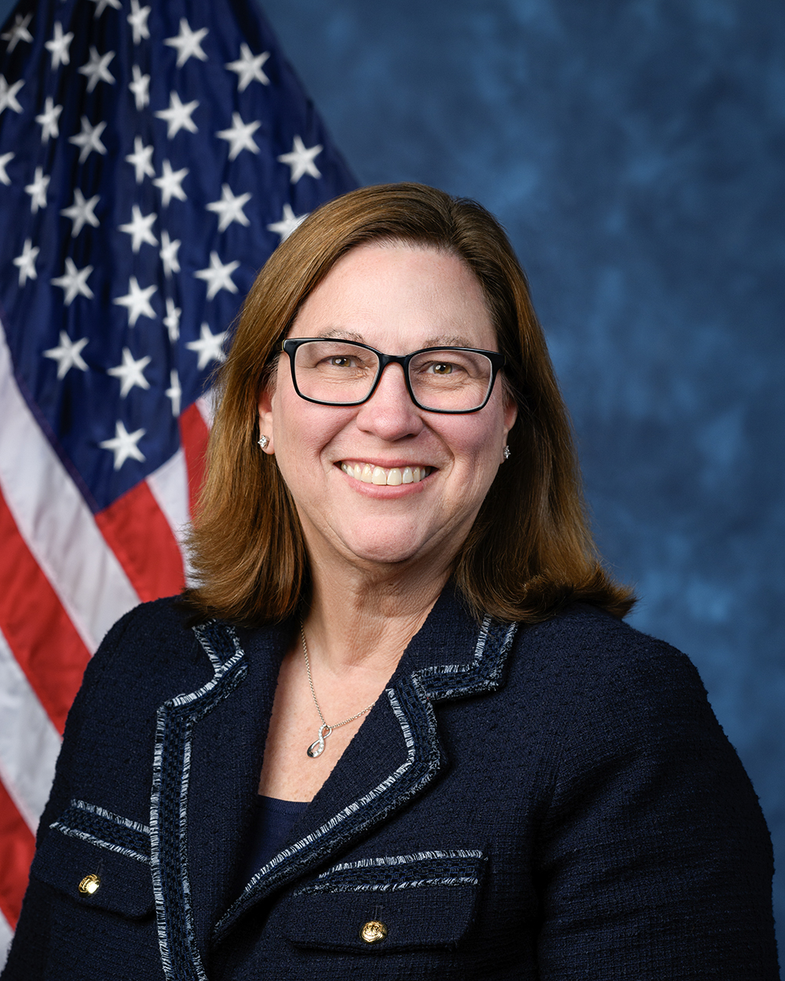
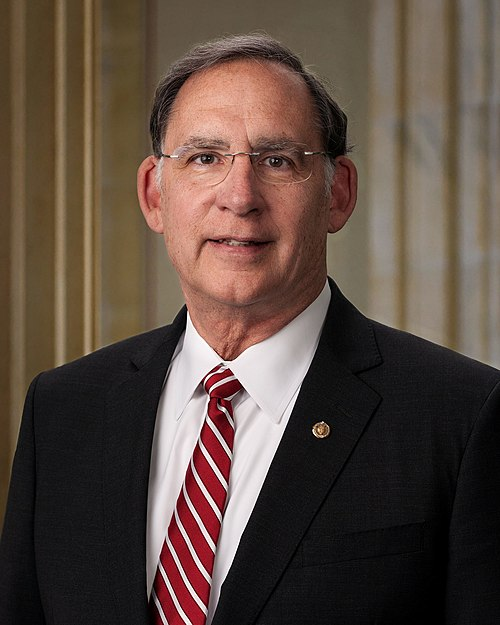
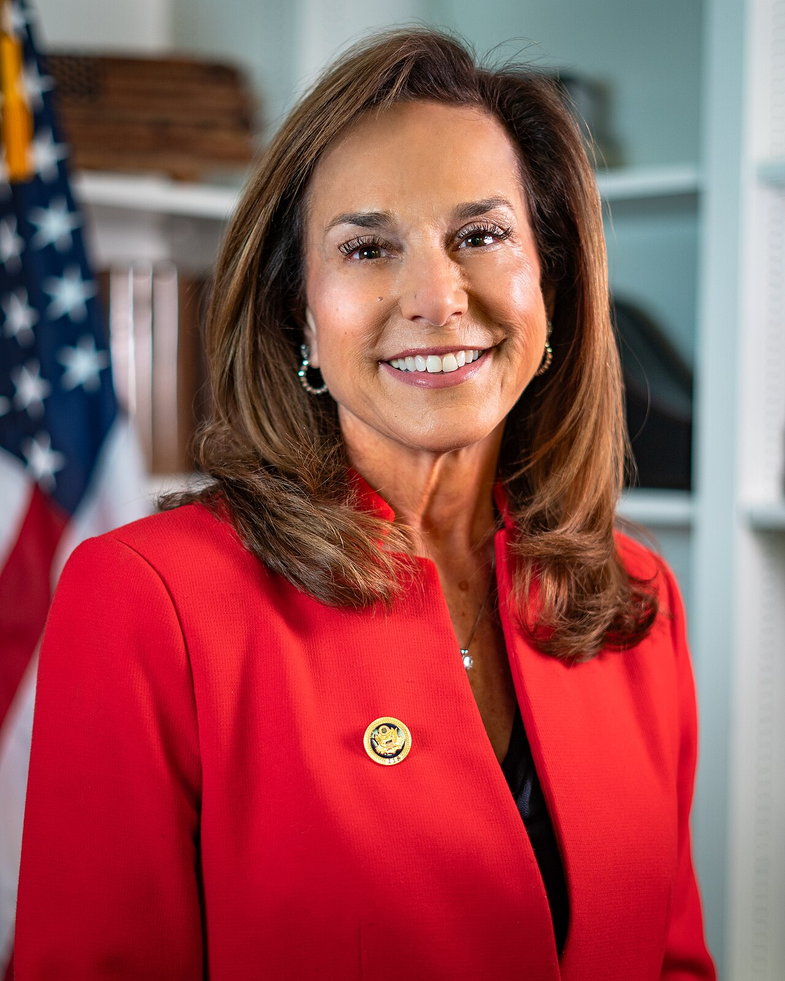
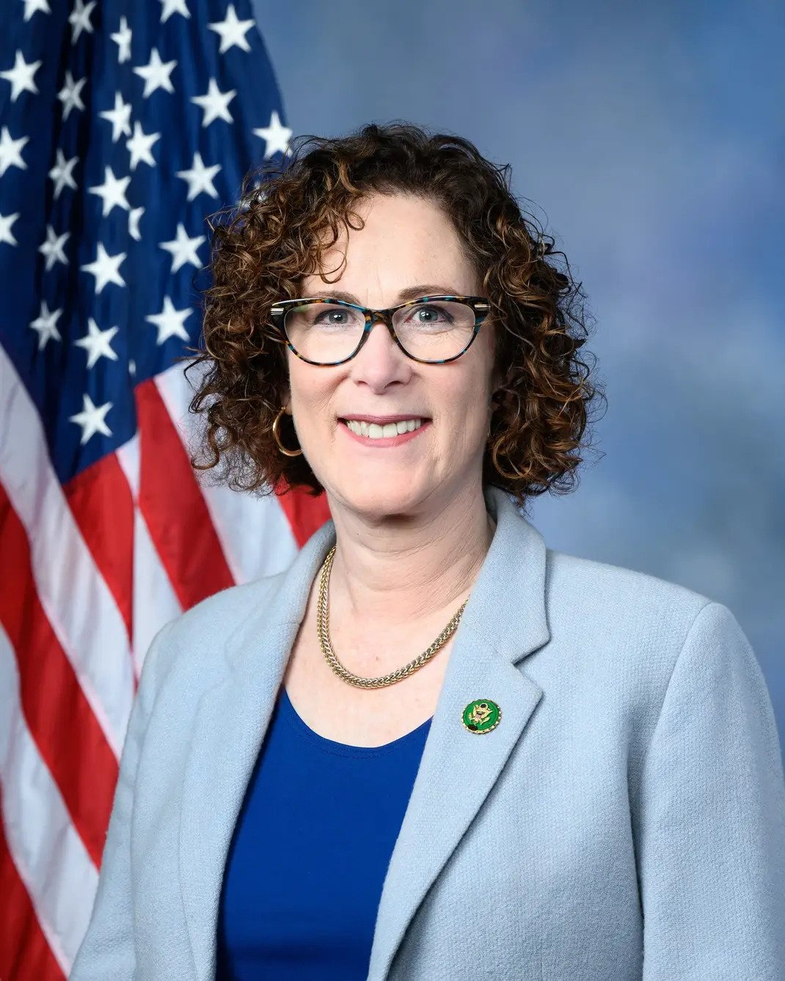
2 bill sponsors


Actions
2 actions
| Date | Action |
|---|---|
| Sep. 23, 2026 | Introduced in Senate |
| Sep. 23, 2026 | Read twice and referred to the Committee on Banking, Housing, and Urban Affairs. |
Corporate Lobbying
0 companies lobbying
None found.
* Note that there can be significant delays in lobbying disclosures, and our data may be incomplete.