
S. 5468: Counseling Not Criminalization in Schools Act
This bill would change how federal education money can be used in schools. Its main goal is to move federal support away from school police and toward counselors, mental health staff, trauma-informed services, and other non-law-enforcement supports.
What the bill would do
- Block federal funds for school police: It would prohibit federal money from being used to hire, keep, or train police officers in schools, including school resource officers, under covered federal programs.
- Change a federal grant program: It would amend the federal COPS grant program so that grant recipients cannot use those funds for school police officers.
- Create a new grant program for schools: The Secretary of Education would be required to award competitive, rolling grants to local school districts that want to replace school police with other supports and revise school safety and discipline policies.
- Require districts to go without school police: To receive the new grants, a district would have to stop having covered law enforcement officers stationed on campus, end any related contracts, or dissolve a district police department at least 30 days before receiving funds, and it could not start a new school police arrangement while receiving the grant.
- Prioritize certain applicants: The bill would give priority to districts that already ended school police contracts or district police departments, districts with more economically disadvantaged students, and districts that use community input and oversight.
- Direct funds toward student supports: Grant money would be used to hire or train school counselors, psychologists, nurses, social workers, trauma-informed staff, de-escalation staff, violence-interruption staff, anti-bias staff, and similar specialists.
- Allow spending on certain programs: Districts could also use the grants for schoolwide positive behavior supports, restorative justice, mediation, social-emotional learning, and professional development for school staff on trauma-informed and inclusive practices.
- Prohibit certain uses of grant funds: The money could not be used for punitive discipline policies, police partnerships, data-sharing with DOJ or DHS agencies such as ICE or CBP, surveillance equipment or software such as metal detectors, cameras, facial recognition, or social media monitoring tools, or arming school staff.
- Require reporting: Districts receiving grants would have to report publicly on how the money was used, arrest and referral data, demographic data where allowed by privacy law, and whether surveillance tools are used.
- Authorize funding: The bill would authorize up to $5 billion for the program.
Overall effect
In practical terms, the bill would encourage schools to rely less on police presence and more on counselors, mental health services, and other support staff. It would also limit the use of federal education-related funds for school policing and certain surveillance tools, while requiring public reporting on the results of grant-funded changes.
Relevant Companies
None found
This is an AI-generated summary of the bill text. There may be mistakes.
Sponsors
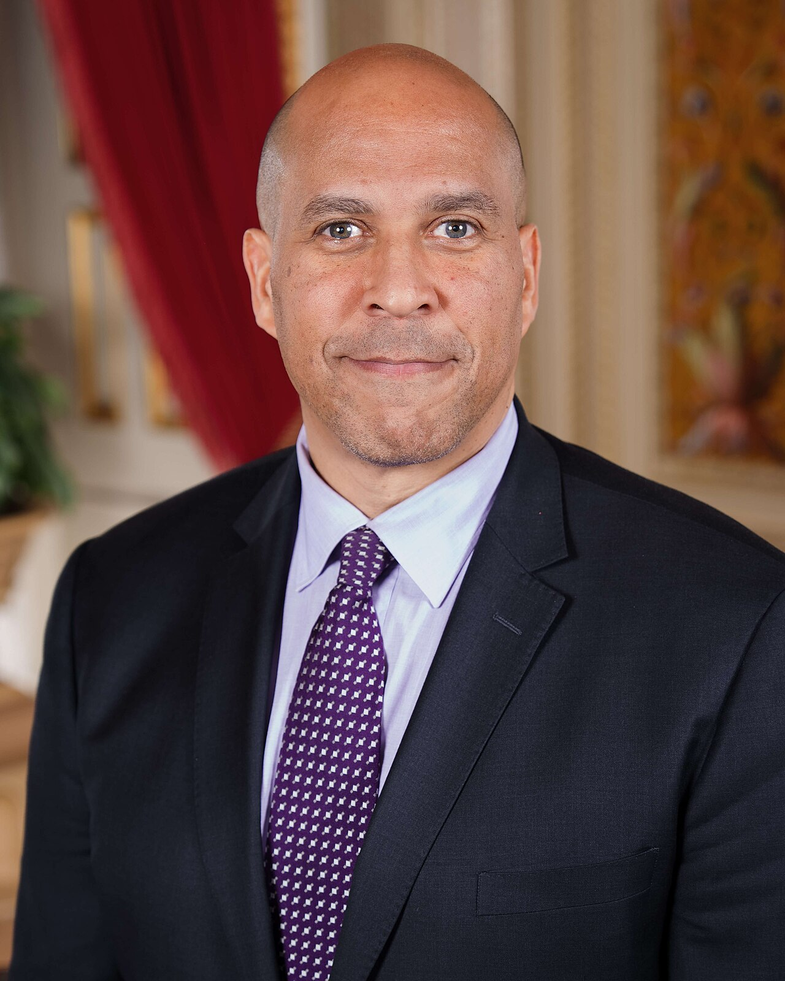
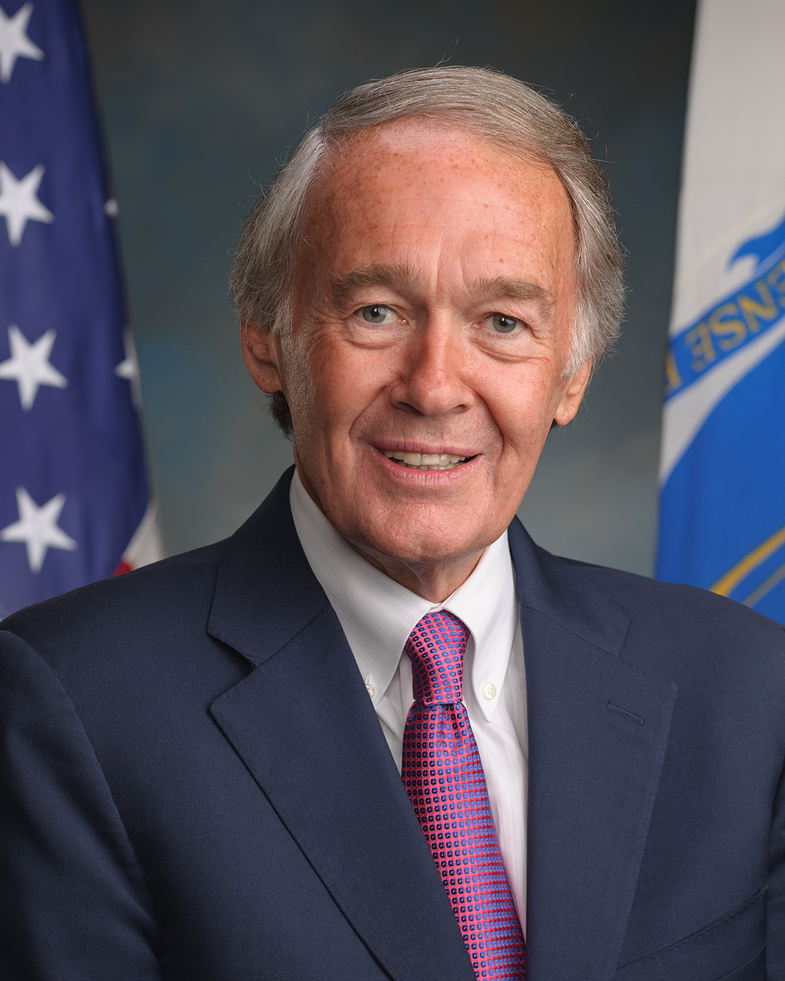
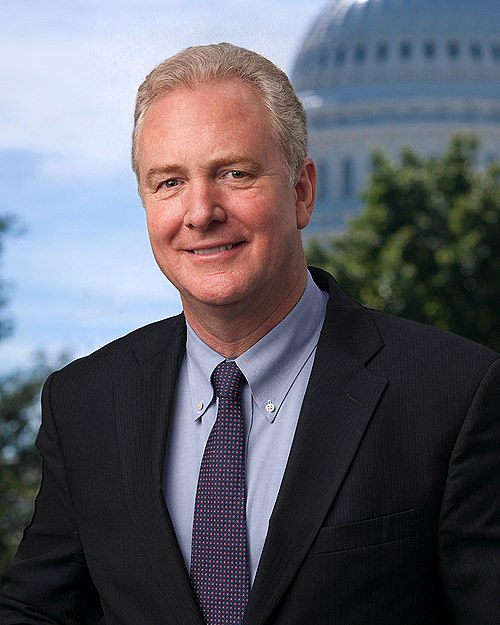
5 bill sponsors


Actions
2 actions
| Date | Action |
|---|---|
| Sep. 23, 2026 | Introduced in Senate |
| Sep. 23, 2026 | Read twice and referred to the Committee on Health, Education, Labor, and Pensions. |
Corporate Lobbying
0 companies lobbying
None found.
* Note that there can be significant delays in lobbying disclosures, and our data may be incomplete.
Potentially Relevant Congressional Stock Trades
No relevant congressional stock trades found.