
S. 5467: Magnet Schools Accessibility, Growth, and Nonexclusionary Enrollment Transformation Act
This bill would expand the federal Magnet Schools Assistance Program, which helps public schools create or improve magnet schools. Magnet schools are public schools with a special theme or focus, such as science, arts, or language immersion, designed to attract a diverse student body.
What changes it would make
- Add states as eligible applicants. State education agencies, along with local school districts and consortia of districts, could apply for magnet school grants.
- Create a new “supplemental diversity grant.” This new grant would fund schools and districts that want to add evidence-based practices aimed at reducing racial and socioeconomic segregation and increasing diversity.
- Expand how grant money can be used. Funds could support things like:
- designing whole-school magnet programs instead of only adding magnet tracks inside regular schools,
- improving recruitment and enrollment processes,
- providing free and accessible transportation,
- outreach in multiple languages and across different media,
- teacher recruitment and professional development,
- family engagement activities,
- community partnerships, and
- restorative discipline practices.
- Favor inclusive enrollment methods. The bill specifically points to tools such as weighted lotteries and other enrollment practices meant to make access broader and less dependent on ability to pay.
- Encourage inter-district programs. It would support efforts that involve multiple districts working together to increase diversity across school boundaries.
- Prevent fees from blocking access. Schools that charge application fees or use admissions criteria tied to fees would not be eligible for these grants.
How grants would be prioritized
The Secretary of Education would be directed to give priority to applicants that:
- build integration into the school’s design and mission,
- use inclusive enrollment practices,
- address gaps in opportunity between student groups,
- work with neighboring districts to promote diversity,
- provide free transportation, and/or
- engage families and community members from different backgrounds.
Applicants meeting more than one of these criteria would get additional priority.
Funding rules
- The bill authorizes whatever amounts are needed for fiscal years 2027 through 2031.
- It sets a floor of $109 million per year for the existing magnet school program, excluding the new supplemental diversity grant.
- Any funding above that amount could be used for the new supplemental diversity grants.
- Individual supplemental diversity grants could last up to 5 years and could be up to $7.5 million each.
- Up to 1% of appropriated funds could be used for technical assistance and sharing best practices.
- If funds exceed $75 million in a year, the bill gives priority to applicants that did not receive a grant the prior year.
- First-time or novice applicants that receive a grant could use up to 1% of the grant for technical assistance in carrying out their plan.
Reporting and oversight
- Grant recipients would have to file annual reports describing how the money was used and what results it produced.
- Those reports would be made public.
- If the Department of Education does not see clear progress after two fiscal years, it would have to send a written notice.
- If problems are not addressed, the recipient could be required to return remaining funds or stop receiving the grant.
Relevant Companies
None found
This is an AI-generated summary of the bill text. There may be mistakes.
Sponsors
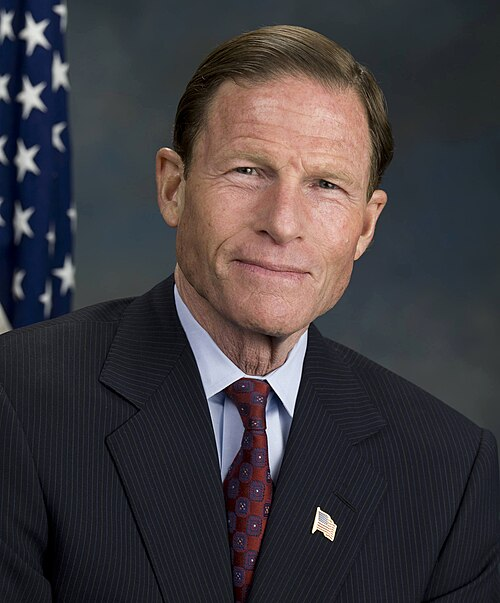
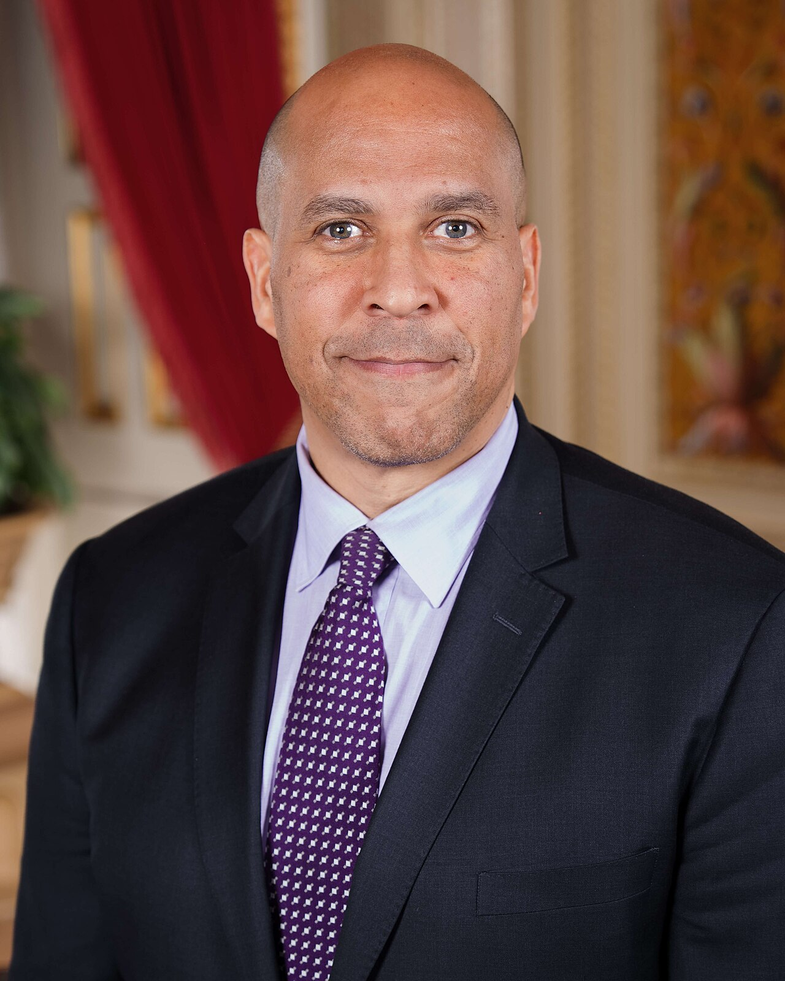
5 bill sponsors



Actions
2 actions
| Date | Action |
|---|---|
| Sep. 23, 2026 | Introduced in Senate |
| Sep. 23, 2026 | Read twice and referred to the Committee on Health, Education, Labor, and Pensions. |
Corporate Lobbying
0 companies lobbying
None found.
* Note that there can be significant delays in lobbying disclosures, and our data may be incomplete.
Potentially Relevant Congressional Stock Trades
No relevant congressional stock trades found.