
S. 5466: Firefighters Assisting Seniors To Emergency Response Act
This bill would create a FEMA grant program for local fire departments to help older adults avoid falls and respond faster to emergencies in their homes.
What the grants would support
FEMA would be authorized to award grants directly to:
- Career fire departments
- Combination fire departments
- Volunteer fire departments
The grants would fund programs aimed at improving home safety for older adults and reducing fall-related injuries. Eligible activities include:
- Installing devices that help emergency responders get into homes faster, such as lock boxes
- Hiring or supporting community paramedicine staff, including firefighters, EMTs, paramedics, social workers, case managers, and administrators
- Installing or replacing smoke detectors and batteries
- Collecting and organizing health information so responders can quickly access important medical details in an emergency
- Making minor home changes to reduce fall risks, such as flattening rugs, removing tripping hazards, and installing handrails or grab bars
- Checking fall risks and reviewing medications
- Referring older adults to classes, medical providers, and community services that focus on fall prevention
How the grant program would work
Grants would be awarded competitively through a neutral peer review process. Each grant would last 3 years. Applicants would need to explain why they need federal help and describe how they plan to keep the program going after the grant ends.
Federal funding rules
The bill would generally limit how much of a program’s cost the federal government could pay:
- Up to 75% in the first year
- Up to 75% in the second year
- Up to 35% in the third year
FEMA could give preference to applicants that contribute more non-federal funding. The bill also says grant money cannot replace existing state or local funding, though FEMA could waive certain requirements in cases of demonstrated economic hardship.
Oversight and reporting
FEMA would have to create performance metrics to measure whether the grants are meeting the program’s goals. FEMA could also require recipients to provide information needed to evaluate the program. Within 2 years after enactment, FEMA would have to report to Congress on the program’s effectiveness and may recommend changes.
If a recipient is not following the grant rules, FEMA could suspend or revoke funding. FEMA and the Comptroller General would also have access to relevant records for audit and review purposes.
Funding authorization and duration
The bill authorizes appropriations of:
- $1 million per year for fiscal years 2026 through 2028
- $2 million per year for fiscal years 2029 through 2031
- $4 million per year for fiscal years 2032 through 2034
- $7 million for fiscal year 2035
Up to 5% of those amounts could be used for FEMA’s administrative costs. The authority would end on September 30, 2036.
Relevant Companies
None found
This is an AI-generated summary of the bill text. There may be mistakes.
Sponsors
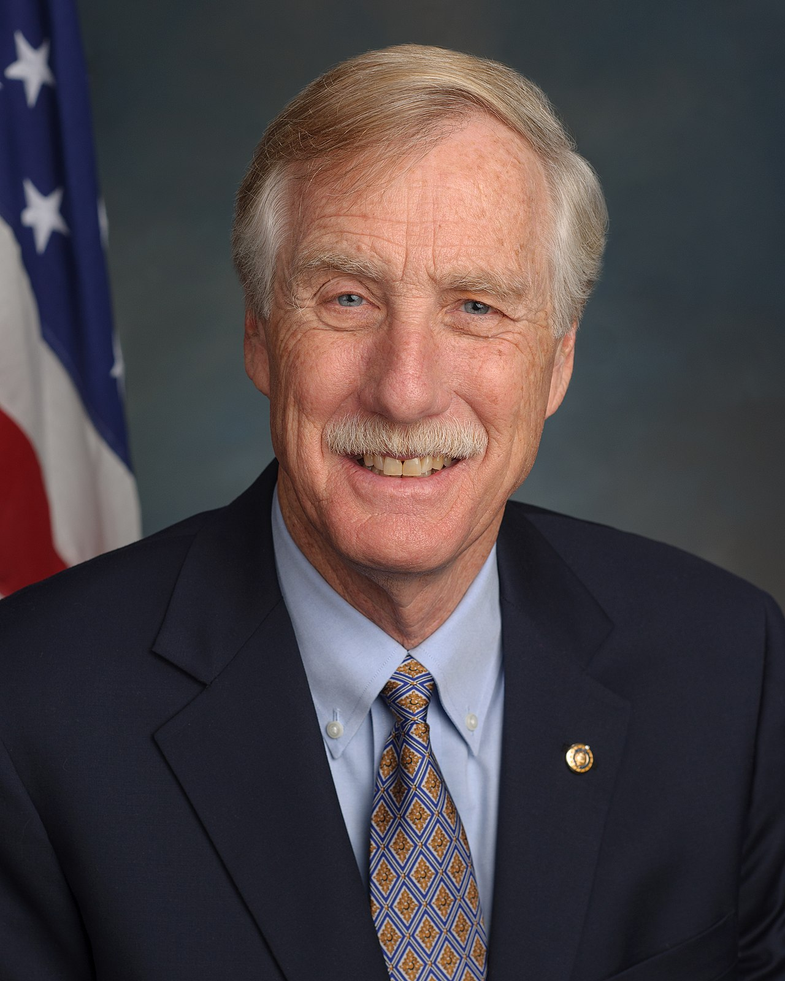
1 sponsor
Actions
2 actions
| Date | Action |
|---|---|
| Sep. 23, 2026 | Introduced in Senate |
| Sep. 23, 2026 | Read twice and referred to the Committee on Homeland Security and Governmental Affairs. |
Corporate Lobbying
0 companies lobbying
None found.
* Note that there can be significant delays in lobbying disclosures, and our data may be incomplete.
Potentially Relevant Congressional Stock Trades
No relevant congressional stock trades found.