S. 5465: Bringing the Discount Window into the 21st Century Act
This bill would require the Federal Reserve Board to review how the Federal Reserve’s “discount window” works and then make improvements based on that review.
What the discount window is
The discount window is a Federal Reserve lending facility that allows banks and some other financial institutions to borrow money quickly, usually for short-term liquidity needs. It can be especially important during periods of financial stress.
Required review
Within 60 days of enactment, the Federal Reserve Board would have to begin a review of discount window lending programs at the Federal Reserve banks. The review would have to be completed within 240 days.
The review would look at:
- How well the discount window provides liquidity to financial institutions, including during crises
- Whether the technology and communications systems are adequate for fast lending
- Cybersecurity protections for discount window operations
- How well Federal Reserve banks communicate with regulators and the Treasury about discount window matters
- Whether the Board is effectively overseeing the discount window and ensuring consistent access across the Federal Reserve System
- How the discount window interacts with other sources of liquidity, such as the Federal Home Loan Banks
- Whether current operating hours are sufficient, including in relation to payment systems like Fedwire and FedNow
- How mobile banking and instant communication affect depositor behavior and short-term liquidity risk
- How the discount window can help banks deal with sudden liquidity shortages and reduce broader financial instability
- Whether stigma around using the discount window is reducing its effectiveness, and whether access, speed, transparency, and pricing should be improved
Required improvement plan
After completing the review, the Board would have to identify any problems and create a written plan to fix them and improve the discount window. That plan would need to include:
- What changes will be made
- A timeline and milestones for carrying them out
- How the improvements will be maintained over time
- How current operations will be managed until the changes are fully implemented
Reports to Congress
Within 365 days, the Board would have to send Congress a report with the review findings and the remediation plan. Before sending it, the Board would have to share a draft with the OCC, FDIC, FHFA, and the Treasury Department and allow them to comment. The Federal Reserve Chair would also have to testify about the report at the semiannual hearing already required by law.
In addition, the Federal Reserve would have to submit annual reports to Congress on the effectiveness of discount window operations and progress on the improvements. The Federal Reserve Board’s Inspector General and the CFPB Inspector General would also have to provide annual reports on the Board’s progress implementing the plan.
Confidential information
The bill would allow parts of these reports to be kept confidential if public disclosure could affect monetary policy, financial stability, cybersecurity, or the stability of a financial institution.
End of requirement
The new requirements would not remain in place forever. The bill includes a sunset provision that removes the new discount window review section once the Federal Reserve Board tells Congress and posts publicly that the remediation plan has been fully implemented.
Relevant Companies
None found.
This is an AI-generated summary of the bill text. There may be mistakes.
Sponsors
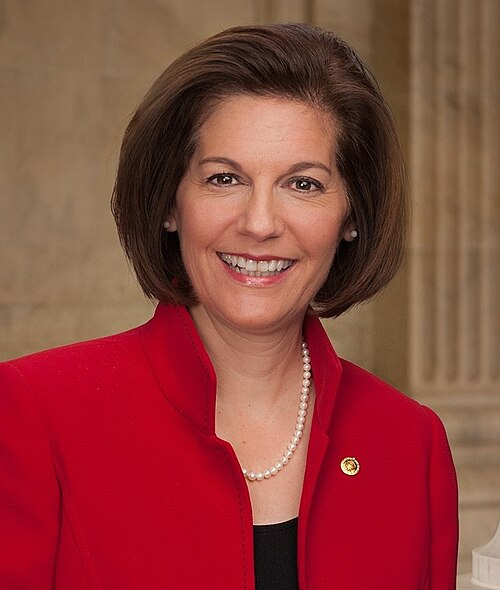
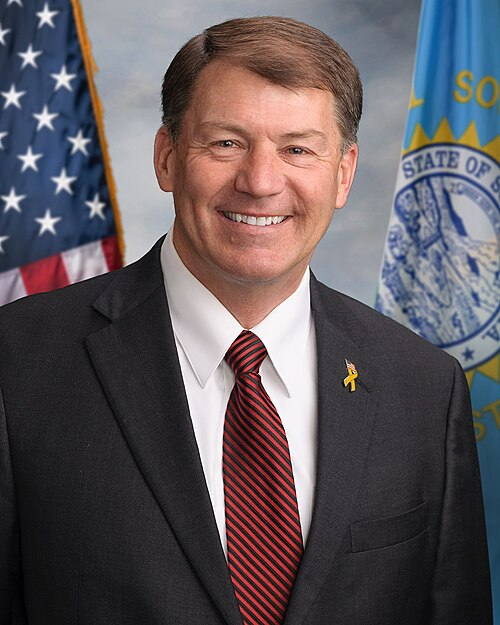
2 bill sponsors
Actions
2 actions
| Date | Action |
|---|---|
| Sep. 23, 2026 | Introduced in Senate |
| Sep. 23, 2026 | Read twice and referred to the Committee on Banking, Housing, and Urban Affairs. |
Corporate Lobbying
0 companies lobbying
None found.
* Note that there can be significant delays in lobbying disclosures, and our data may be incomplete.
Potentially Relevant Congressional Stock Trades
No relevant congressional stock trades found.