
S. 5431: Diversifying by Investing in Educators and Students to Improve Outcomes For Youth Act
This bill would change the federal TEACH Grants program, which helps students pay for college if they agree to work in certain teaching jobs after graduation.
What the bill changes
- Raises grant amounts. The maximum TEACH Grant would increase from $4,000 to $8,000 per year.
- Raises the lifetime maximums. The total amounts allowed over a student’s college career would increase, including a cap that would go from $16,000 to $32,000 for some students and from $8,000 to $16,000 for others.
- Expands who and what the grant can support. The bill would let TEACH Grants be used not only for certain teaching commitments in qualifying schools, but also for work in high-need early childhood education programs.
- Changes how the money can be applied. If the grant is credited directly to a student’s school account, it would have to be used for the full cost of attendance as defined under federal law.
- Requires a completion certificate. After a recipient finishes the required service commitment, the Education Secretary would have to send an electronic certificate showing the service was completed.
- Bars monetary penalties for not completing the service. The bill says the Education Department could not create a financial penalty just because a recipient does not complete the service requirement.
- Adds early childhood education to the service options. The bill specifically includes early childhood education among the qualifying service areas.
Budget treatment
The bill would also make TEACH Grants exempt from sequestration, meaning automatic across-the-board federal budget cuts would not reduce funding for this program if such cuts take effect.
Likely practical effect
In plain terms, the bill would make TEACH Grants more generous and broaden the kinds of education-related jobs that can qualify for the service obligation. It would also remove one type of financial penalty for not meeting the service requirement, while keeping the basic idea of exchanging grant aid for a commitment to work in certain high-need educational settings.
Relevant Companies
None found
This is an AI-generated summary of the bill text. There may be mistakes.
Sponsors
11 bill sponsors
-
TrackCory A. Booker
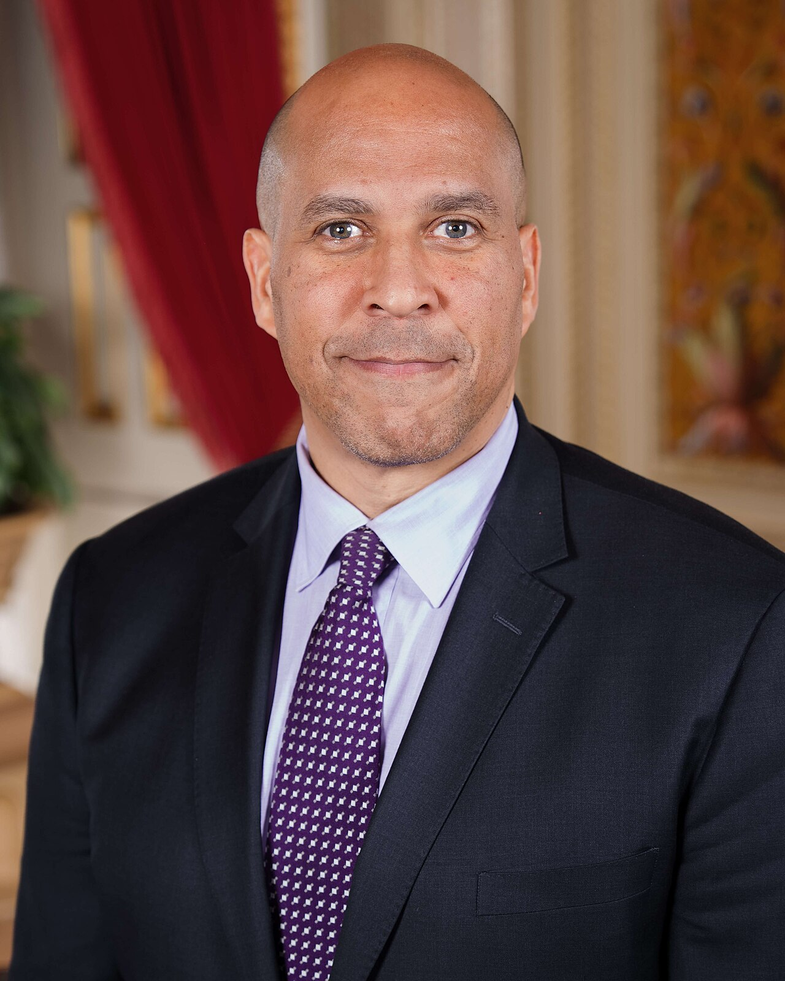
Sponsor
-
TrackRichard Blumenthal
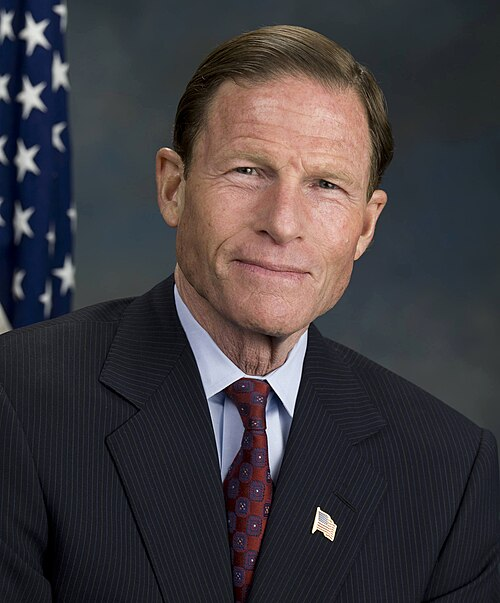
Co-Sponsor
-
TrackRichard J. Durbin

Co-Sponsor
-
TrackMazie K. Hirono

Co-Sponsor
-
TrackTim Kaine
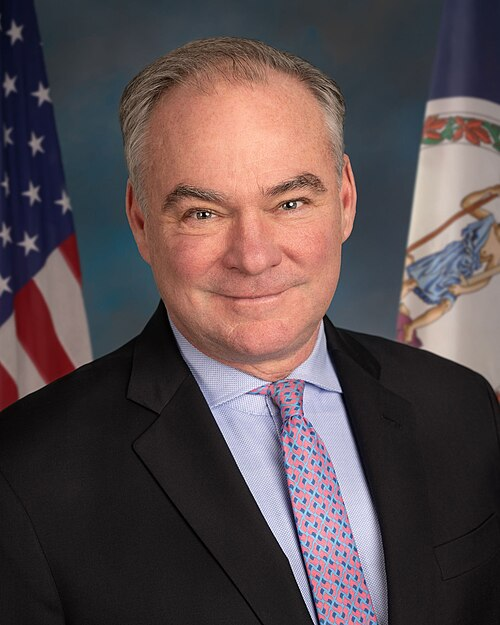
Co-Sponsor
-
TrackAmy Klobuchar
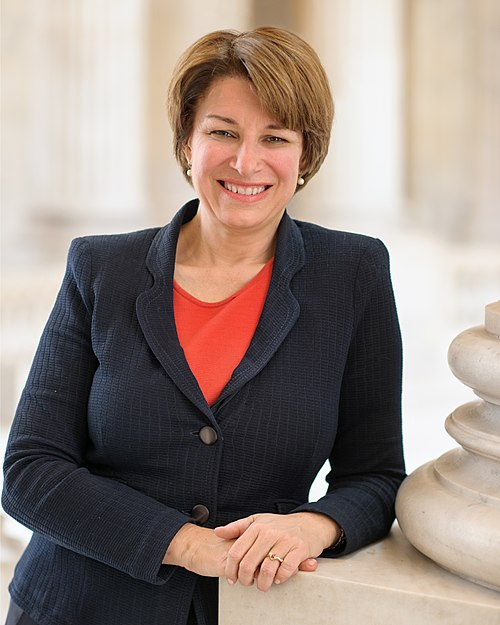
Co-Sponsor
-
TrackJeff Merkley

Co-Sponsor
-
TrackChristopher Murphy

Co-Sponsor
-
TrackAlex Padilla
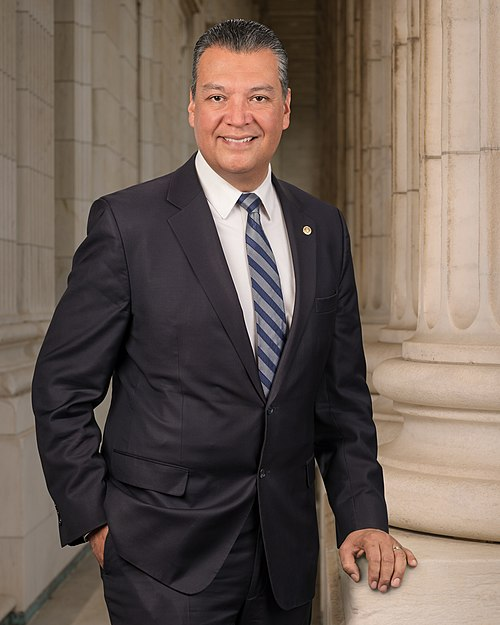
Co-Sponsor
-
TrackChris Van Hollen
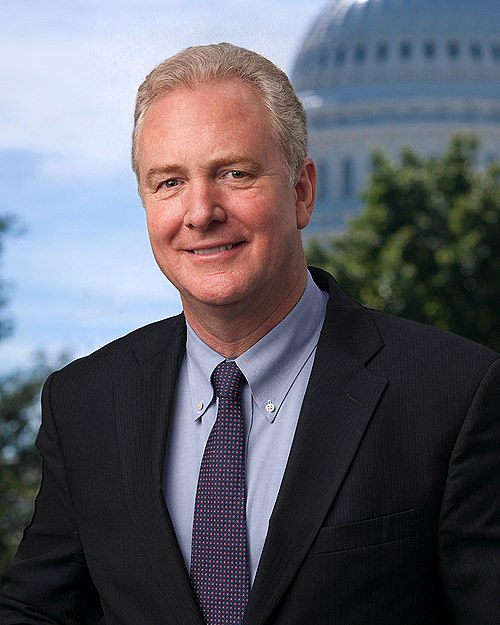
Co-Sponsor
-
TrackElizabeth Warren
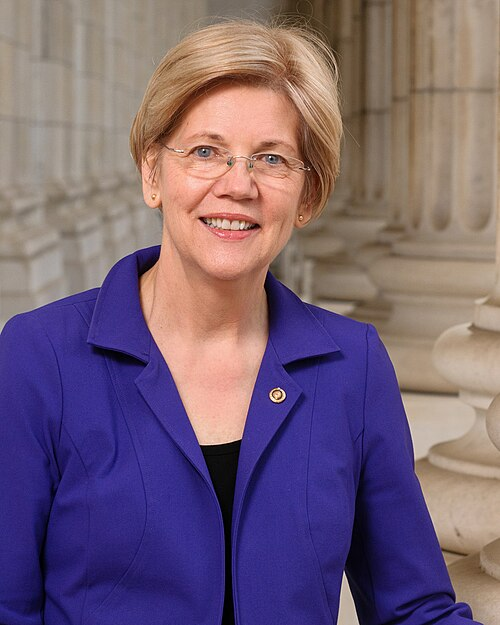
Co-Sponsor
Actions
2 actions
| Date | Action |
|---|---|
| Sep. 17, 2026 | Introduced in Senate |
| Sep. 17, 2026 | Read twice and referred to the Committee on Health, Education, Labor, and Pensions. |
Corporate Lobbying
0 companies lobbying
None found.
* Note that there can be significant delays in lobbying disclosures, and our data may be incomplete.
Potentially Relevant Congressional Stock Trades
No relevant congressional stock trades found.