S. 5409: Environmental Health Restoration Act of 2026
This bill would require the Environmental Protection Agency (EPA) to reverse a number of deregulation actions and restore environmental protections that were in place on January 19, 2025. In plain terms, it would direct the EPA to bring back and continue enforcing rules covering:
- greenhouse gas emissions from power plants;
- methane and volatile organic compound emissions from oil and gas operations;
- mercury and other toxic air pollutants;
- fine particle air pollution standards;
- required reporting of greenhouse gas emissions; and
- vehicle emissions standards for light-duty, medium-duty, and heavy-duty vehicles.
The bill would also prohibit the President, the EPA Administrator, or other federal officials from delaying, suspending, repealing, weakening, or exempting these rules unless Congress specifically authorizes the change in a separate law.
It would require the EPA to rebuild and fully staff two scientific advisory groups: the Science Advisory Board and the Clean Air Scientific Advisory Committee. The bill says members of these groups should not have financial or advisory ties to regulated industries. It also requires the EPA to base regulatory decisions on peer-reviewed science.
For climate-related rulemakings, the EPA would have to restore use of the “social cost of carbon,” including a 2 percent discount rate and a value of $190 per metric ton in 2020 dollars. This metric is used to estimate the economic harm caused by carbon emissions when writing rules.
The bill would also require the EPA to maintain enough funding and staff for civil and criminal enforcement so that the restored programs are consistently enforced. The EPA would have to submit an annual report to Congress describing inspections, violations, penalties, and corrective actions under environmental laws.
In addition, the bill would authorize new EPA funding of about $11 billion per year for fiscal year 2027 and later years, adjusted for inflation, to carry out these duties.
It would restore and expand environmental justice programs that were eliminated or reduced after January 19, 2025. The EPA would be directed to give priority to monitoring, permitting oversight, and enforcement in communities that face higher pollution burdens. For any air or water rulemaking or enforcement policy, the EPA would have to publish a public health impact assessment looking at effects on death rates, respiratory illness, heart disease, and cumulative pollution exposure. The bill also requires the agency to consider cumulative impacts in regulatory and permitting decisions and to publish annual reports on pollution trends, enforcement actions, and progress in reducing health disparities.
To help ensure compliance, the bill would let any person harmed by the EPA’s failure to follow the act sue in federal court. A court could order the EPA to comply and could award attorney’s fees to a winning plaintiff.
The bill would not limit states from adopting or enforcing stronger environmental standards than federal law. It would also preserve rights to petition the EPA for required action and to bring common-law nuisance claims.
Relevant Companies
- XOM - Exxon Mobil could face continued or expanded EPA requirements related to methane and other emissions from oil and gas operations.
- CVX - Chevron could be directly affected by stricter methane and volatile organic compound controls for oil and gas sources.
- SLB - SLB could be indirectly affected if oil and gas operators increase compliance spending on emissions monitoring and controls.
- BP - BP could be directly affected by restored methane and greenhouse gas rules for energy production and operations.
- SHEL - Shell could be directly affected by restored emissions and reporting requirements for oil and gas activities.
- F - Ford could be affected by vehicle greenhouse gas emissions standards for light-duty, medium-duty, and heavy-duty vehicles.
- GM - General Motors could be affected by stricter vehicle emissions rules and related compliance requirements.
- TSLA - Tesla could be affected by changes in federal vehicle emissions standards and fleet compliance dynamics.
- PCG - PG&E could be affected by power plant greenhouse gas and air pollution requirements if applicable to its operations or purchased power environment.
- DUK - Duke Energy could be affected by restored power plant emissions standards and associated compliance costs.
- NEE - NextEra Energy could be affected by emissions standards and greenhouse gas reporting requirements for electric generating units.
This is an AI-generated summary of the bill text. There may be mistakes.
Sponsors
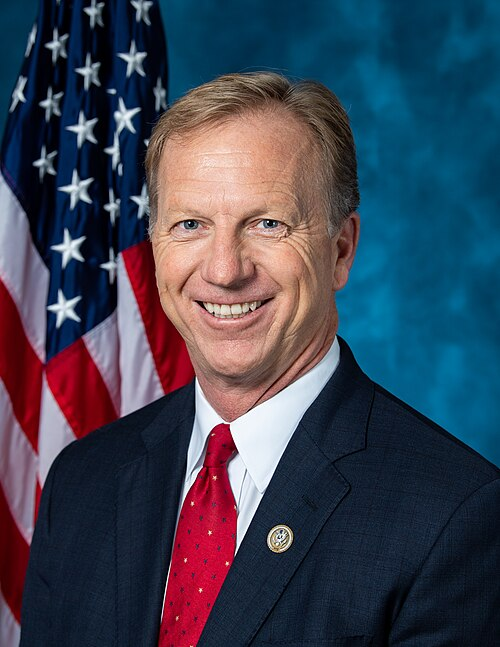
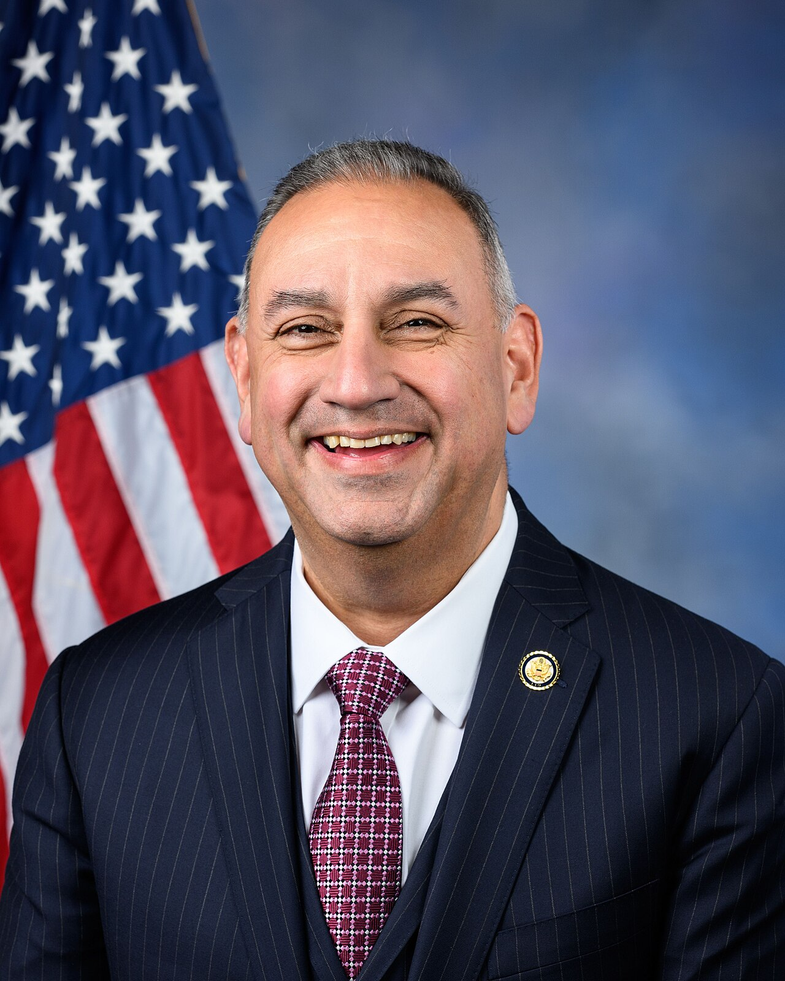
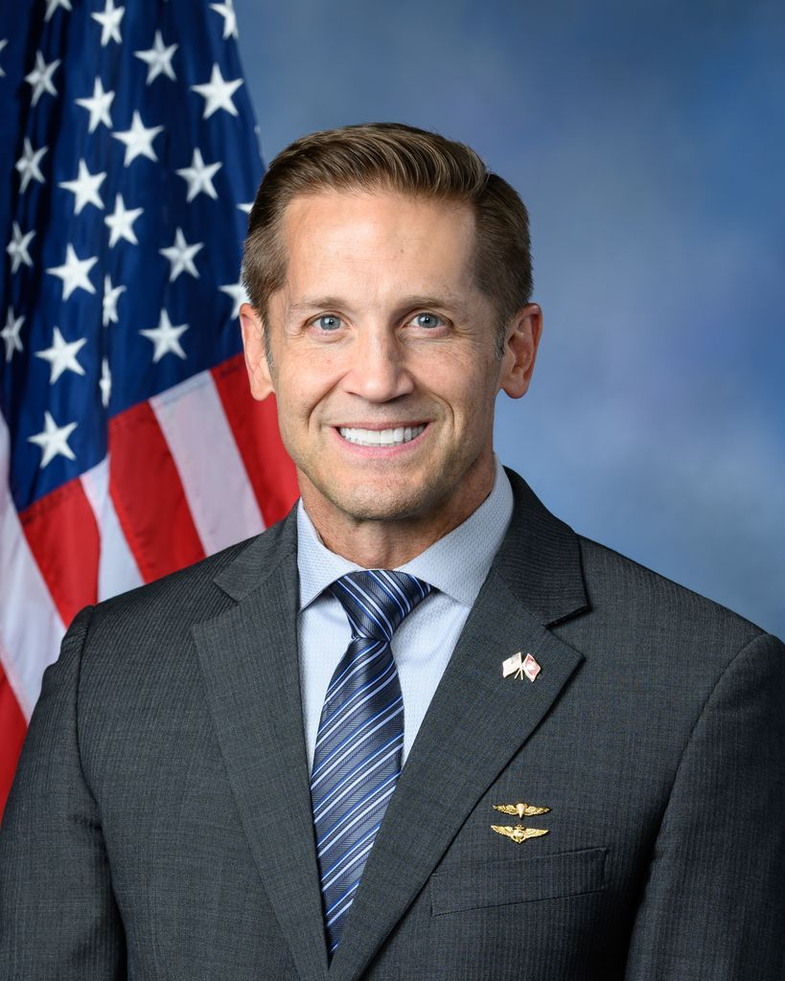
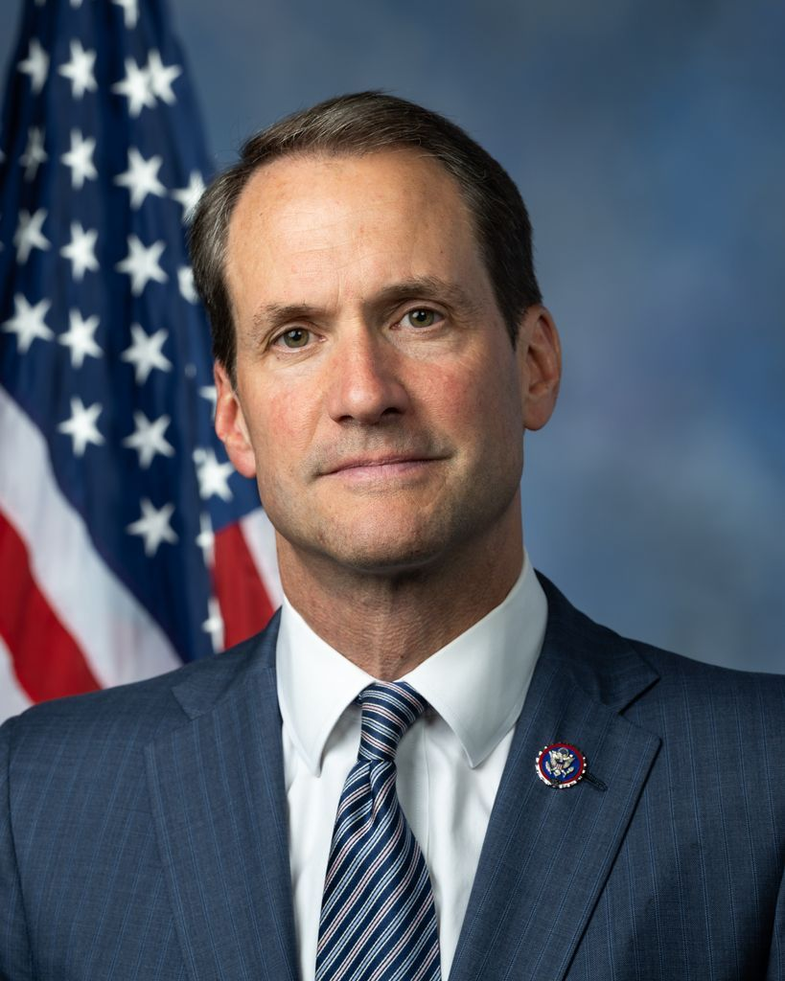
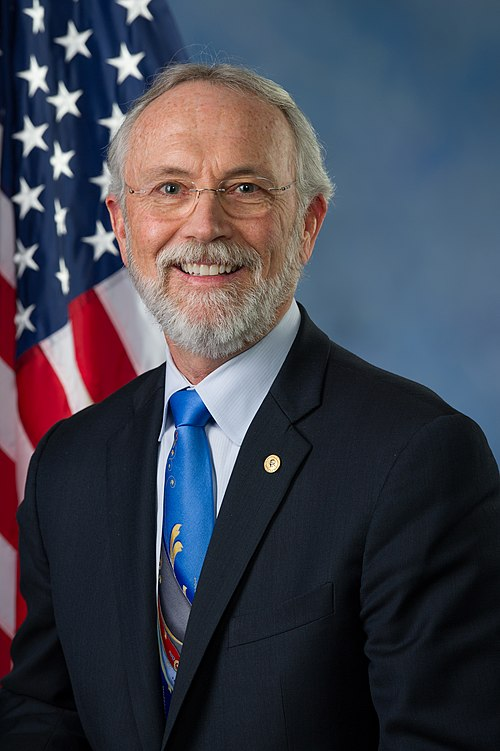
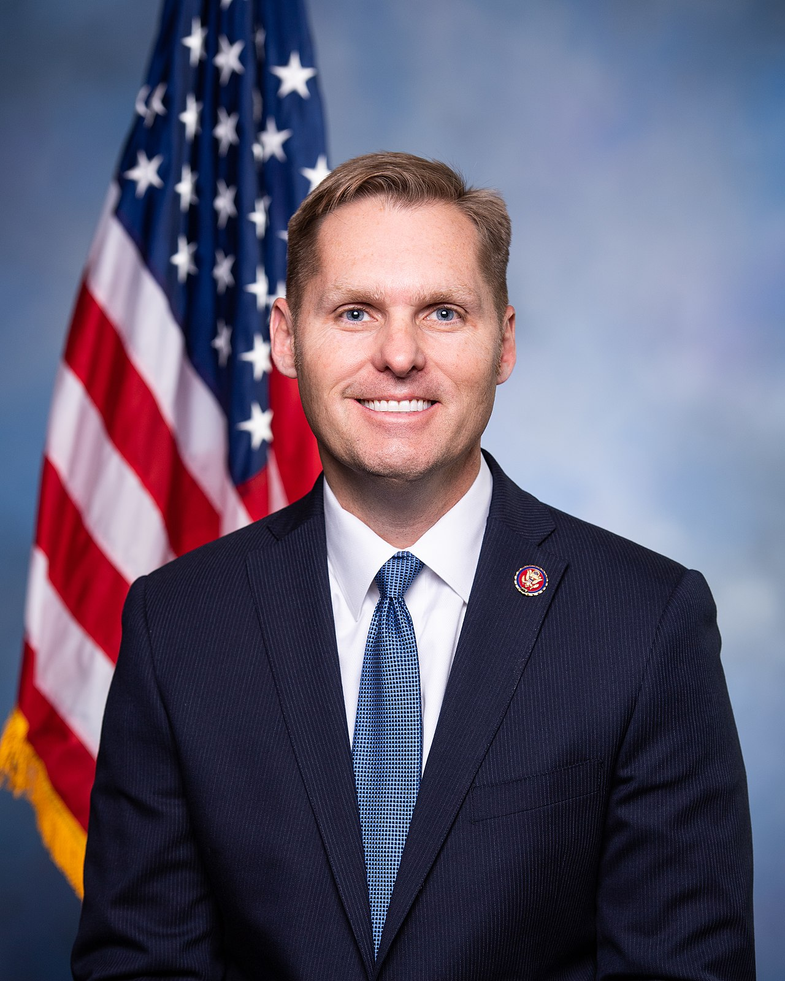
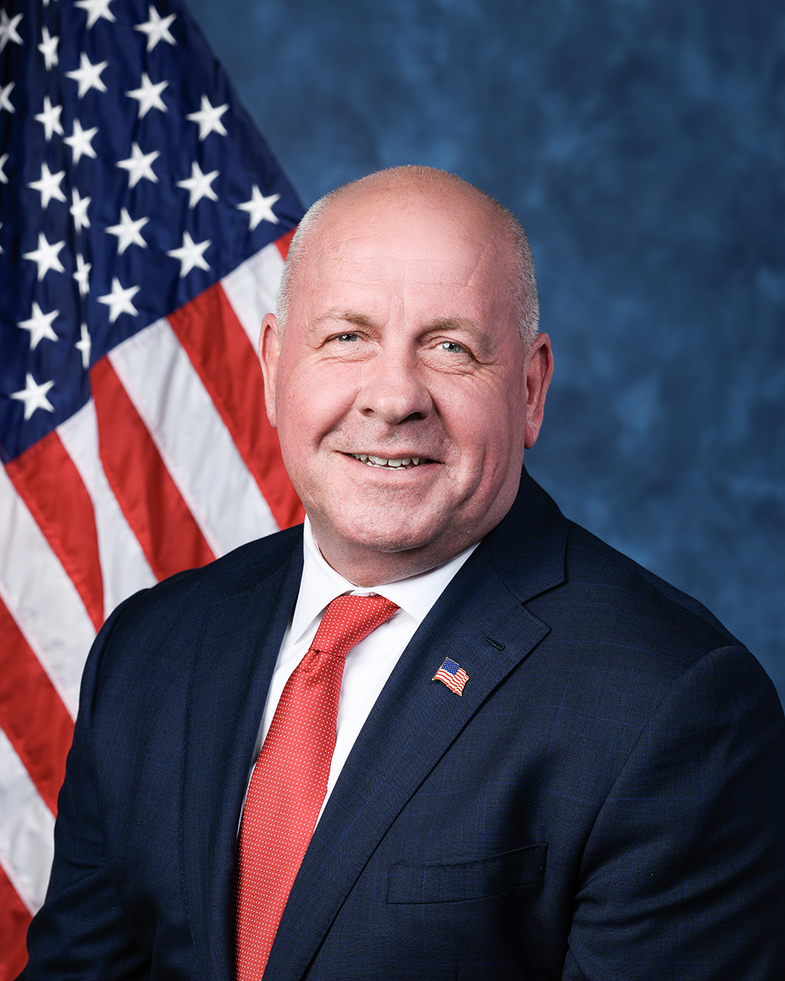
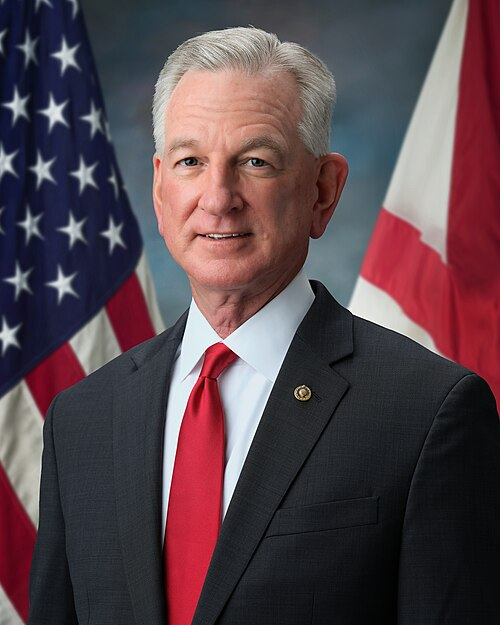
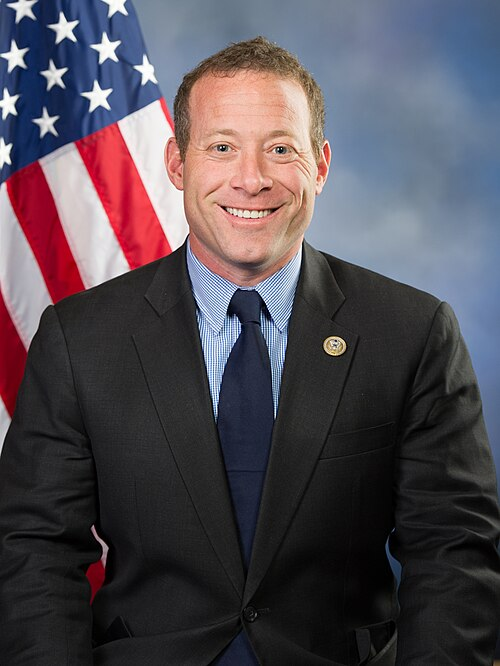
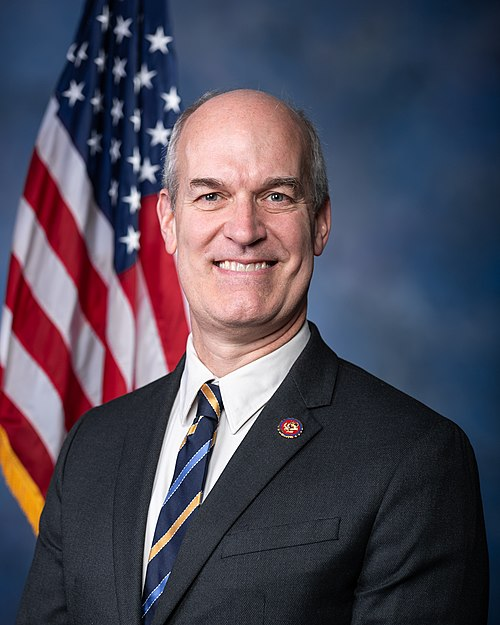
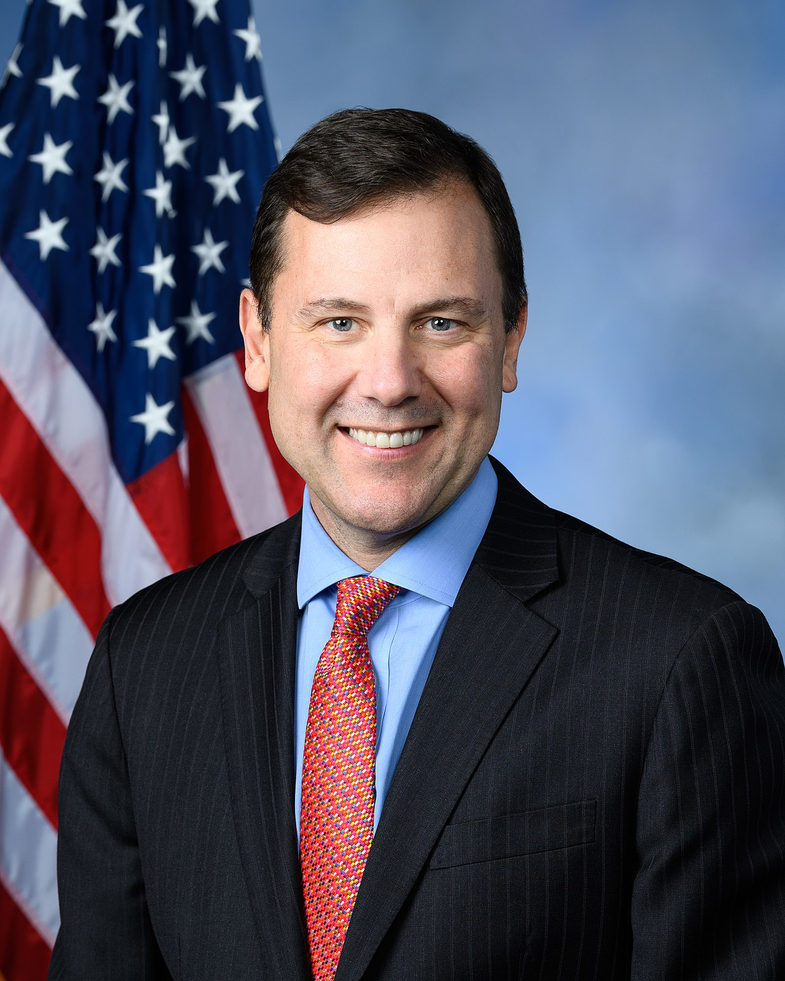
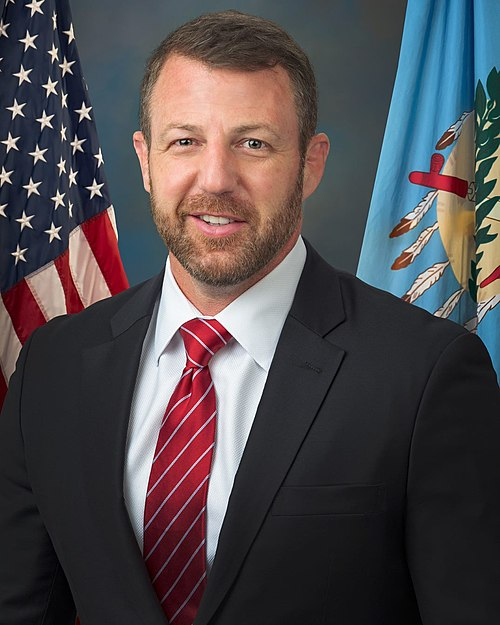
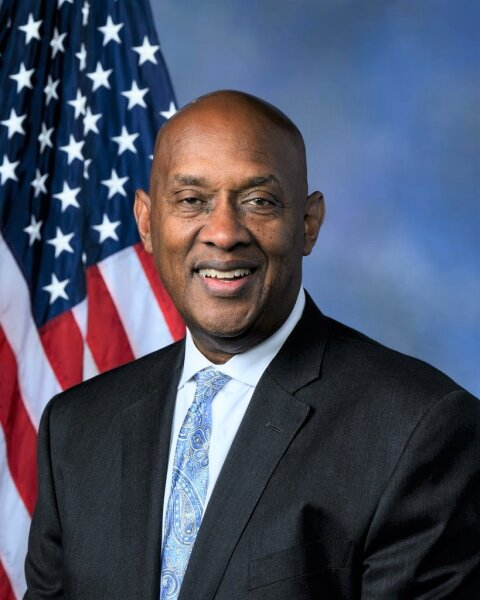
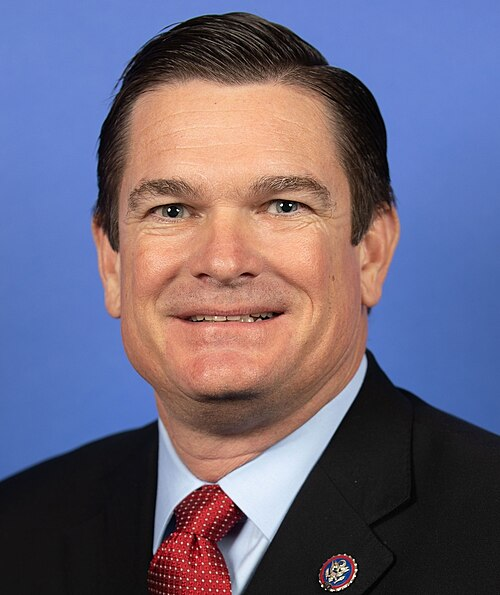
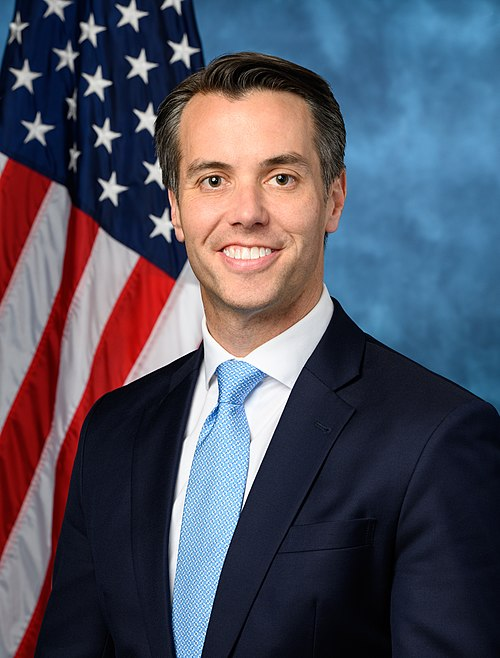
3 bill sponsors



Actions
2 actions
| Date | Action |
|---|---|
| Sep. 16, 2026 | Introduced in Senate |
| Sep. 16, 2026 | Read twice and referred to the Committee on Environment and Public Works. |
Corporate Lobbying
0 companies lobbying
None found.
* Note that there can be significant delays in lobbying disclosures, and our data may be incomplete.