
S. 5393: Fashioning Accountability and Building Real Institutional Change Act
This bill would change federal rules for the garment industry in three main ways: pay practices, business registration, and federal support for domestic manufacturing.
Pay rules for garment workers
The bill would forbid employers in the garment industry from paying workers by the piece or by the unit. Instead, covered workers would have to be paid at least the federal minimum hourly wage, although employers could still offer incentive bonuses based on output. The bill also says that some union contracts would not be covered by these new pay rules if they provide specific wage, overtime, and dispute-resolution protections.
Shared liability for brands
The bill would make certain brands or other entities that contract for garment manufacturing partly responsible for wage-and-hour violations committed by the manufacturers or contractors they use. In practice, this means a brand that hires a factory or subcontractor could be legally liable along with that business for violations involving workers performing work for that brand. The bill defines these covered entities broadly, including companies that license their brand names for manufacturing. It also includes a defense for a brand guarantor that can show it had no knowledge of the violation.
New registration system for garment businesses
Starting six months after enactment, garment manufacturers and garment contractors would have to register annually with the Department of Labor in order to keep operating in the industry. To register, they would need to provide detailed information about the business, its owners, officers, workers, shareholders, subcontracting relationships, prior labor-law violations, and workers’ compensation coverage. The bill would also require them to pay a yearly registration fee of at least $200.
Once registered, they would receive a certificate that must be posted where employees can see it. The Secretary of Labor could suspend or revoke the certificate if the business made false statements or failed to comply with the law. The bill would also allow the Labor Department to set recordkeeping rules and impose civil penalties of up to $50 million for violations, depending on the size of the business, the seriousness of the violation, prior history, and compliance with recordkeeping rules.
New Labor Department office
The bill would create an Office of the Garment Industry within the Department of Labor, led by an Undersecretary of the Garment Industry. This office would help run the registration system, support domestic garment manufacturing, and assist with enforcement of the new garment-industry labor rules.
Grants for domestic garment manufacturing
The bill would create a competitive grant program for U.S.-based garment manufacturers and nonprofit workforce organizations. The grants could be used for worker training, equipment, facility upgrades, health and safety improvements, and education about workers’ rights. The bill says priority should go to applicants with unionized workforces, certain state-certified minority-, women-, or veteran-owned businesses, and manufacturers that have operated in the United States for more than five years. The program would be funded through an authorized appropriation of $100 million.
Timing and enforcement
Most of the bill’s rules would take effect six months after enactment. The bill also repeals an existing section of the Fair Labor Standards Act and includes a severability clause, which means if one part is struck down, the rest can still remain in effect.
Relevant Companies
None found.
This is an AI-generated summary of the bill text. There may be mistakes.
Sponsors
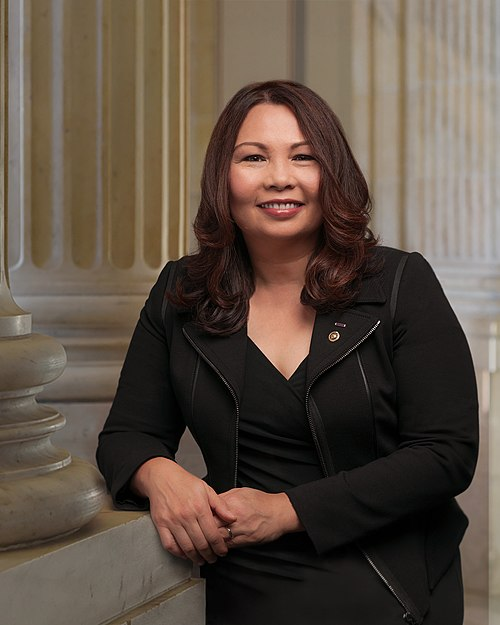
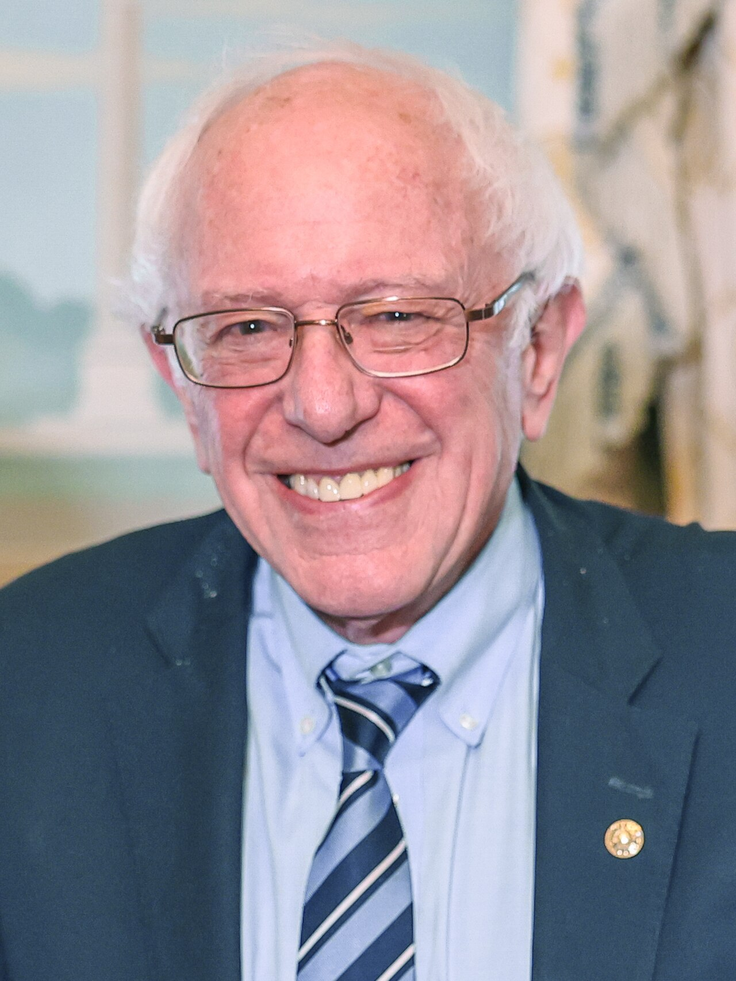
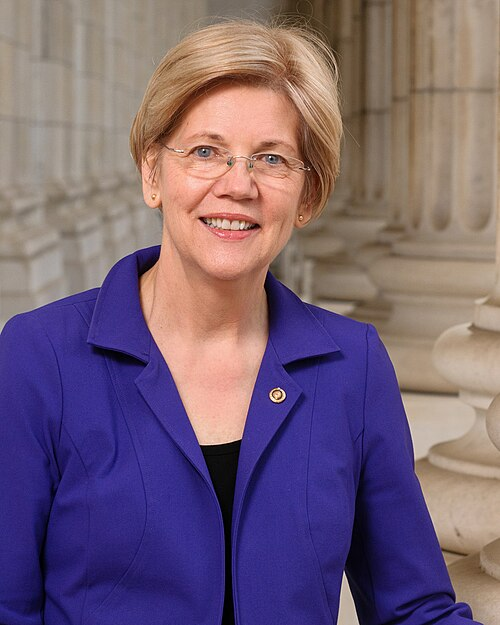
4 bill sponsors

Actions
2 actions
| Date | Action |
|---|---|
| Sep. 14, 2026 | Introduced in Senate |
| Sep. 14, 2026 | Read twice and referred to the Committee on Health, Education, Labor, and Pensions. |
Corporate Lobbying
0 companies lobbying
None found.
* Note that there can be significant delays in lobbying disclosures, and our data may be incomplete.
Potentially Relevant Congressional Stock Trades
No relevant congressional stock trades found.