
S. 5371: Stopping Border Surges Act
This bill would make major changes to U.S. immigration rules, mainly by tightening standards for asylum, changing how unaccompanied children and families are handled at the border, and increasing penalties for certain immigration-related fraud.
Unaccompanied children at the border
The bill would revise the rules for children who arrive in the United States without a parent or legal guardian. In general, it would:
- Remove some special treatment currently tied to whether a child comes from a neighboring country.
- Require more cases to be handled under stricter procedures, including a hearing before an immigration judge within 14 days after screening in certain situations.
- Require specially trained immigration officers to interview unaccompanied children who may be trafficking victims.
- Direct the government to transfer some unaccompanied children to Health and Human Services within 30 days, while making transfer optional in other cases.
- Require HHS to share detailed information with Homeland Security before placing a child with a sponsor, including the sponsor’s name, address, contact information, date of birth, immigration status if known, and Social Security number if available.
- Require Homeland Security to investigate a sponsor’s immigration status if it is unknown, and to begin removal proceedings if the sponsor is found to be unlawfully present.
- Change the language around legal counsel so children would have “access to counsel” rather than a guarantee that they “have counsel to represent them,” and specify that some services should be provided at no expense to the government.
Family detention and child placement
The bill would change how detained families with children are treated. It says that children who are not “unaccompanied” may be detained under the general immigration detention rules, with no presumption that they should not be detained. It would also give the Secretary of Homeland Security discretion over detention decisions for those children.
For adults entering with children and charged only with misdemeanor illegal entry, the bill would require the government to keep the parent and child together in custody while the charges are pending. It would also bar states from requiring immigration detention facilities for children or families to be licensed by the state or local government.
Special immigrant juvenile status
The bill would narrow eligibility for special immigrant juvenile status. Under the change, a child could not qualify if reunification with a parent or legal guardian is still possible and is not blocked by abuse, neglect, abandonment, or a similar legal reason.
Asylum changes
The bill would make asylum harder to obtain in several ways. It would:
- Limit asylum to people who arrive at a port of entry, instead of allowing some people who arrive elsewhere or after being intercepted at sea to apply.
- Expand the “safe third country” idea so some people can be sent to another country they transited through, if that country offers asylum or similar protection.
- Shorten the filing deadline for asylum from 1 year to 6 months after arrival.
- Change the burden of proof so an applicant must show that persecution happened for “the central reason,” rather than “at least one central reason.”
- Allow immigration officials to consider more information when judging credibility, including statements and investigative reports made by government officials.
- Add another reason to deny asylum if the person could safely relocate to another part of their home country.
- Remove one current jurisdiction-related provision in the asylum statute.
Loss of asylum status if the person returns home
The bill would say that a person who gets asylum but then returns to the country they claimed fear of persecution in could lose asylum status, unless the Secretary grants a waiver for a compelling reason.
Employment authorization for asylum seekers
The bill would delay work authorization for asylum applicants until 1 year after filing, and it would limit any such authorization to 6 months at a time.
Frivolous asylum applications and fraud penalties
The bill would require a written warning on asylum applications about the consequences of filing a frivolous claim. It would make people permanently ineligible for immigration benefits if they knowingly file a frivolous asylum application after receiving that warning.
It would also create a criminal penalty for knowingly making false statements or using false documents in asylum or withholding-of-removal matters, with penalties of up to 10 years in prison, a fine, or both. It would extend the statute of limitations for asylum fraud cases so they can be prosecuted within 10 years after discovery.
Credible fear interviews and recordkeeping
The bill would change the standard for credible fear screenings, which are used in expedited removal cases, by making the officer assess whether the person could establish asylum eligibility and whether the person’s statements are more likely than not true. It would also require:
- Uniform questions and recording procedures for expedited removal interviews.
- Standard checklists for asylum interviews.
- Recorded interviews, either audio or audio-video, to be included in the official record.
- Use of a competent interpreter who is not affiliated with the person’s home country government, when needed.
The bill also says these recording rules would not create a private right to sue the government.
Relevant Companies
None found
This is an AI-generated summary of the bill text. There may be mistakes.
Sponsors
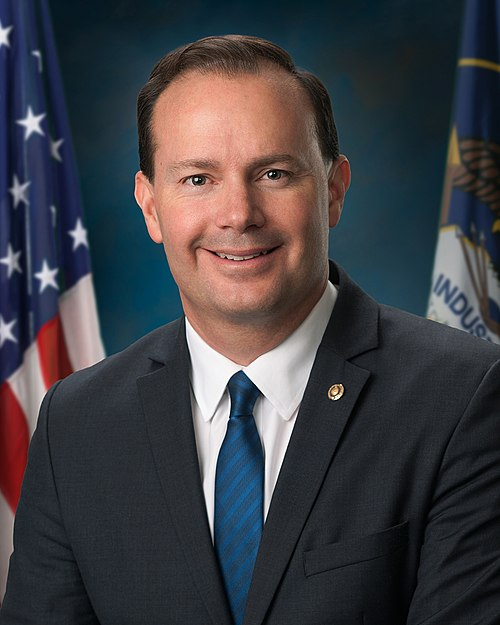
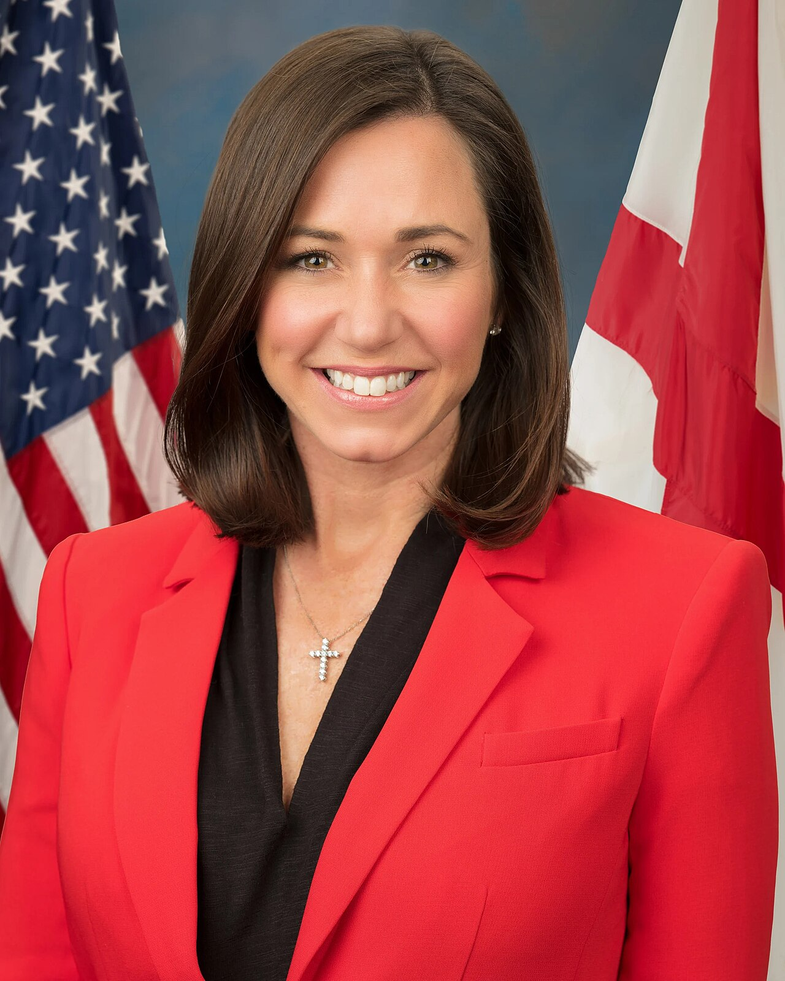
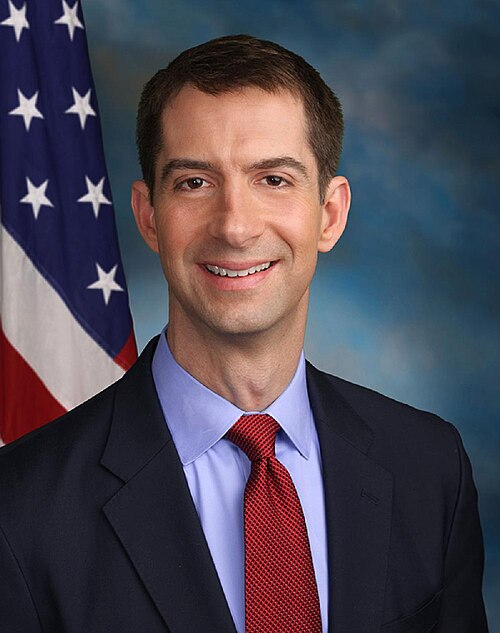
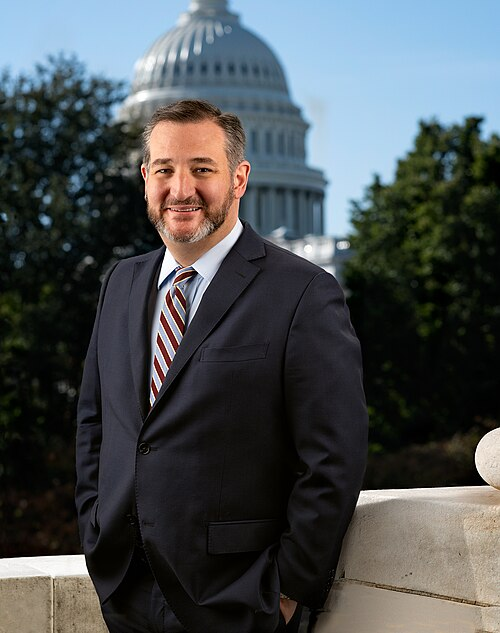
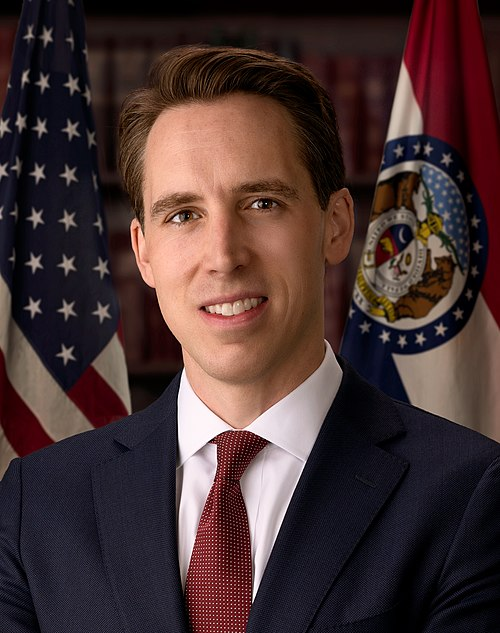
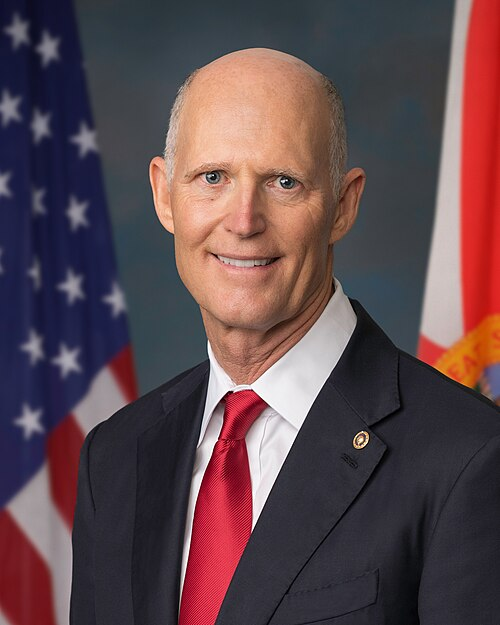
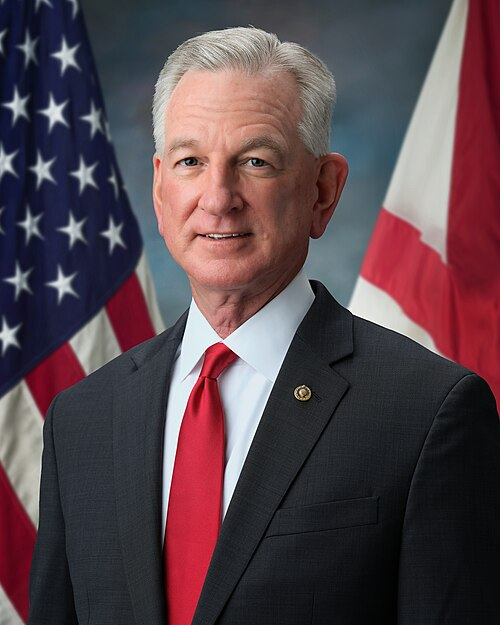
8 bill sponsors

Actions
2 actions
| Date | Action |
|---|---|
| Aug. 07, 2026 | Introduced in Senate |
| Aug. 07, 2026 | Read twice and referred to the Committee on the Judiciary. |
Corporate Lobbying
0 companies lobbying
None found.
* Note that there can be significant delays in lobbying disclosures, and our data may be incomplete.
Potentially Relevant Congressional Stock Trades
No relevant congressional stock trades found.