
S. 5357: Transparency in the Administration’s Business Opportunities Overseas Act
This bill would create new transparency and ethics rules for certain federal officials who represent the United States in foreign affairs or national security work. It mainly targets positions such as Special Envoys, Special Representatives, Special Coordinators, Special Negotiators, and similar roles, including some unpaid or volunteer positions if the person is performing those functions.
What positions are covered
The bill defines a covered position broadly to include people in the Executive Office of the President or any federal department or agency who:
- lead or direct negotiations with foreign countries;
- lead or direct negotiations with international organizations; or
- perform significant authority in a foreign policy or national security context.
It also says that the label or pay status of the job does not matter. A volunteer, unpaid, or advisory-role person could still be covered if they are actually doing these functions. Purely advisory roles that do not represent the United States to foreign governments or multilateral organizations are excluded.
Ethics and disclosure requirements
For anyone in a covered position, the bill would treat them like a federal officer or employee for purposes of federal bribery and conflict-of-interest laws.
It would also require these individuals to make financial disclosures under existing federal ethics laws. The bill adds covered-position staff to the list of people who must file those reports, and it limits filing extensions for them to no more than 30 days.
Financial interest rules
Within 30 days of starting a covered position, the person would have to provide a written confirmation saying that:
- they have no financial interest in any foreign country they will work with;
- if they do have such a financial interest, they will either sell it off or place it in a qualified blind trust within 60 days; and
- they will not take on new financial interests in that foreign country for one year after leaving the position.
The person’s agency or office head would have to review and certify that confirmation, then send it to the relevant congressional committees.
The bill defines “financial interest” broadly. It can include interests held by the person, their spouse, or immediate family, and it can cover interests connected to foreign governments, government-affiliated companies, state-owned enterprises, or related financial institutions.
Reporting to Congress
Every 90 days, each federal agency or department would have to send the President and the relevant congressional committees a list of everyone working in a covered position. The list would include:
- the person’s name and title; and
- a short description of their duties, including which countries and organizations they are expected to deal with on behalf of the United States.
Enforcement
The bill sets penalties for noncompliance. A person who knowingly fails to provide the required written confirmation could be fined, imprisoned for up to one year, or both.
For knowingly failing to comply with other requirements in the bill, a person could:
- lose access to government-funded staff support, facilities, travel support, and consular services;
- be referred to the Department of Justice; and
- be suspended from performing covered functions until they comply.
Agencies would also have to designate an ethics office to handle compliance. If an agency fails to submit the required certifications or quarterly lists, it must report that failure to Congress within 15 days of discovering it.
If a nominee for a covered position is found to be in violation, Congress could delay confirmation proceedings, recommend suspension of duties, or consider DOJ referral.
Implementation and timing
The Office of Personnel Management and the Office of Government Ethics would have to issue joint guidance within 120 days after enactment. Most requirements would begin 180 days after enactment. People already serving in covered positions when the law takes effect would have 60 additional days to comply. The bill also says its requirements cannot be waived, delayed, suspended, or otherwise modified by the executive branch.
Relevant Companies
None found
This is an AI-generated summary of the bill text. There may be mistakes.
Sponsors
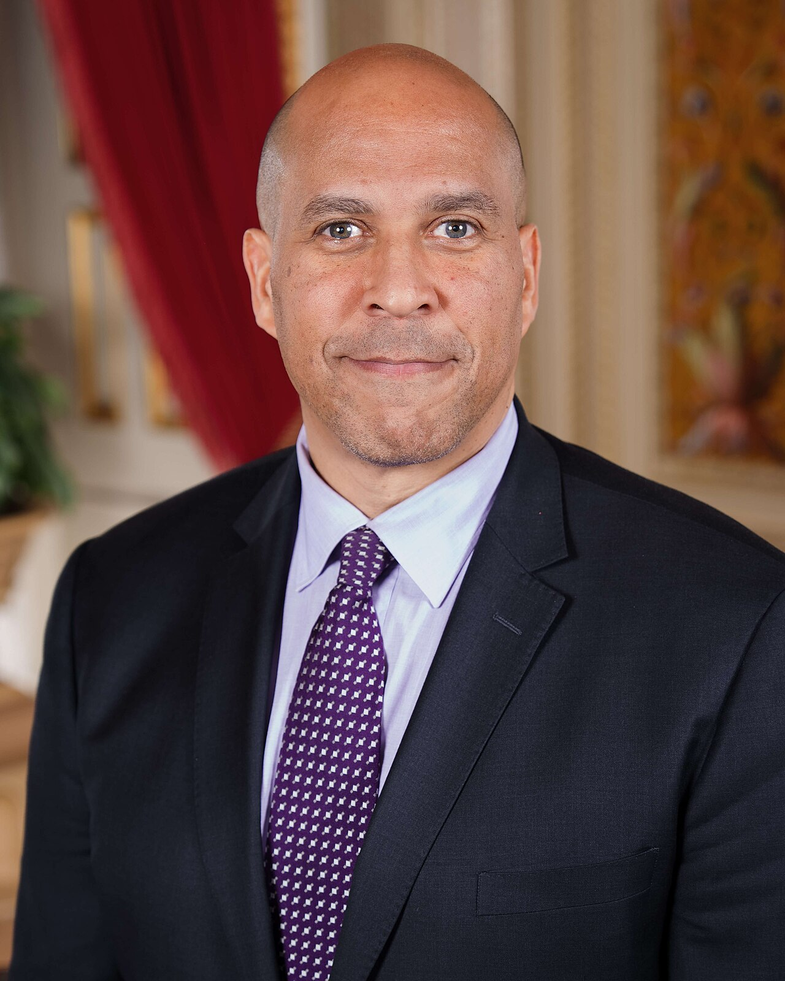
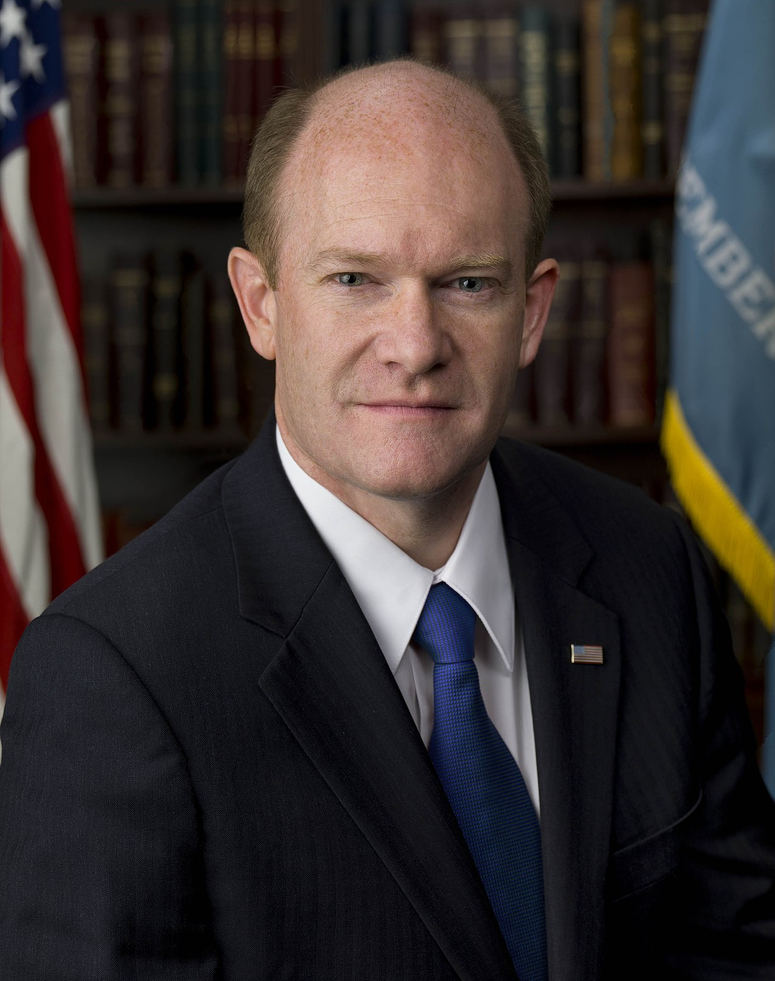
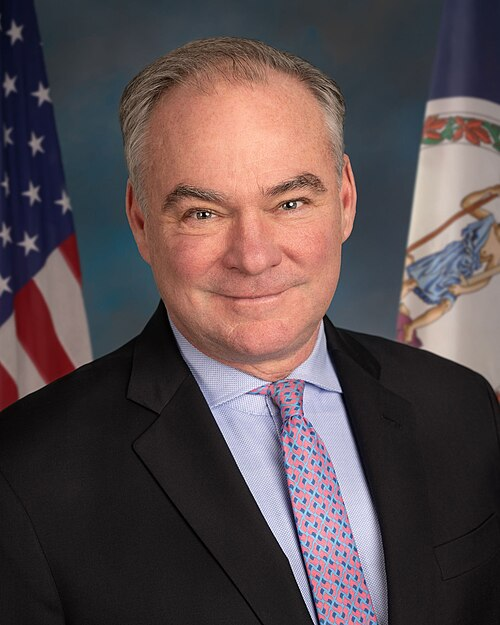
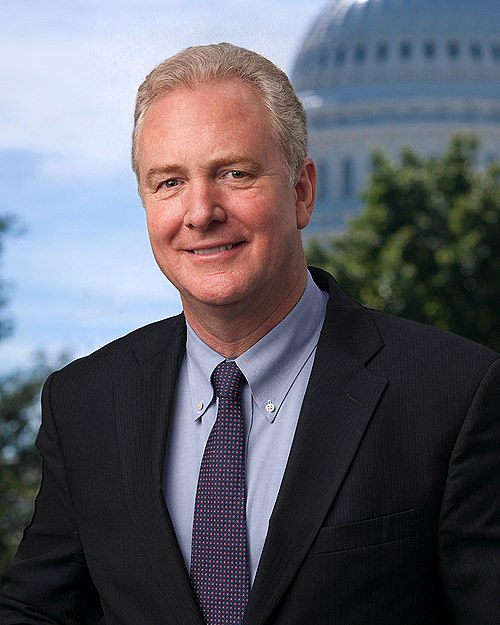
9 bill sponsors





Actions
2 actions
| Date | Action |
|---|---|
| Aug. 06, 2026 | Introduced in Senate |
| Aug. 06, 2026 | Read twice and referred to the Committee on Foreign Relations. |
Corporate Lobbying
0 companies lobbying
None found.
* Note that there can be significant delays in lobbying disclosures, and our data may be incomplete.
Potentially Relevant Congressional Stock Trades
No relevant congressional stock trades found.