
S. 5351: Clean Elections Act
This bill would create a new federal campaign financing system called “Democracy Dollars.” Under the program, eligible voters could request government-issued vouchers and give them to federal candidates they choose.
What the vouchers are
The bill defines “democracy dollars” as vouchers that can only be used for federal election campaigns. There would be three types:
- Congressional democracy dollars for House races
- Senate democracy dollars for Senate races
- Presidential democracy dollars for presidential and vice presidential races
For each election cycle, the initial value would be:
- $100 for House races
- $100 for Senate races
- $100 for presidential races
The bill also includes rules for future increases after 2030, tying the amounts to inflation and, in some cases, to how candidate fundraising changes over time.
Who could get them
The vouchers would be available to U.S. citizens or nationals age 18 or older who are qualified residents of a state. In states where voter registration is required, the person would also have to be registered to vote in the relevant election.
The bill allows some special residence rules, including:
- Full-time students may choose the state where their school is located.
- Some Americans living abroad would be treated as residents of their voting state, or of their last state of residence.
How voters could use them
An eligible person could request democracy dollars during the election cycle and transfer them to participating candidates, generally in increments of $10. The vouchers would count as campaign contributions for legal reporting purposes.
The bill limits use to federal elections and generally allows one set of vouchers for each of these contest types per election cycle:
- one primary and one general election for House races
- one primary and one general election for Senate races
- one primary and one general election for president/vice president races
For runoff elections, the bill provides an additional amount above the regular contribution amount.
Which candidates could receive them
Only candidates certified by the Federal Election Commission (FEC) as participating candidates could receive the vouchers. To be certified, a candidate would have to:
- raise a minimum amount of qualifying contributions and vouchers
- set up a special democracy dollar account
- agree to accept only certain kinds of individual contributions
- follow limits on personal spending
The threshold to qualify would start at:
- $50,000 for House candidates
- $500,000 for Senate candidates
- $1,000,000 for presidential and vice presidential candidates
The bill would also gradually lower the maximum amount a candidate can accept from any one individual donor over time, starting at $1,000 in 2029 and eventually dropping to $200 by 2037 or later, with inflation adjustments after that.
Participating candidates would be barred from accepting any contributions other than approved “qualified contributions.” The bill also limits how much personal money candidates and their immediate family can spend on the campaign to $2,500 per election in the series.
How the funds would work
When a voter transfers democracy dollars to a participating candidate, the FEC would pay that amount into the candidate’s special account. Those funds could be used for ordinary campaign expenses, but not for personal use, paying back the voter, or payments to the candidate’s family members.
If a candidate withdraws, loses, or no longer qualifies for the ballot, unused money in the account would have to be returned to the FEC.
Administration and oversight
The FEC would be responsible for writing regulations, distributing the vouchers, and running random audits of participating candidates. The bill also directs the FEC to gather necessary information from federal, state, and local sources to identify eligible people and deliver the vouchers, while treating that information as confidential.
The FEC would also have to run a public outreach program to inform people about the vouchers, especially communities and individuals who have not previously donated to candidates, and to encourage voter registration. The bill includes a pilot program for mailing vouchers, with possible expansion if it proves cost-effective and helps broaden participation.
Funding
Congress would appropriate whatever money is needed to run the program. If the total amount of democracy dollars sent to candidates exceeds the money appropriated, the FEC would pay transfers in the order they were received, until funds run out.
Other changes
The bill would repeal the existing federal presidential public financing system and eliminate the related tax return checkoff and fund structure. Any money left in the old Presidential Election Campaign Fund would be moved to the Treasury’s general fund.
The changes would apply to federal elections held after December 31, 2028.
Relevant Companies
None found
This is an AI-generated summary of the bill text. There may be mistakes.
Sponsors
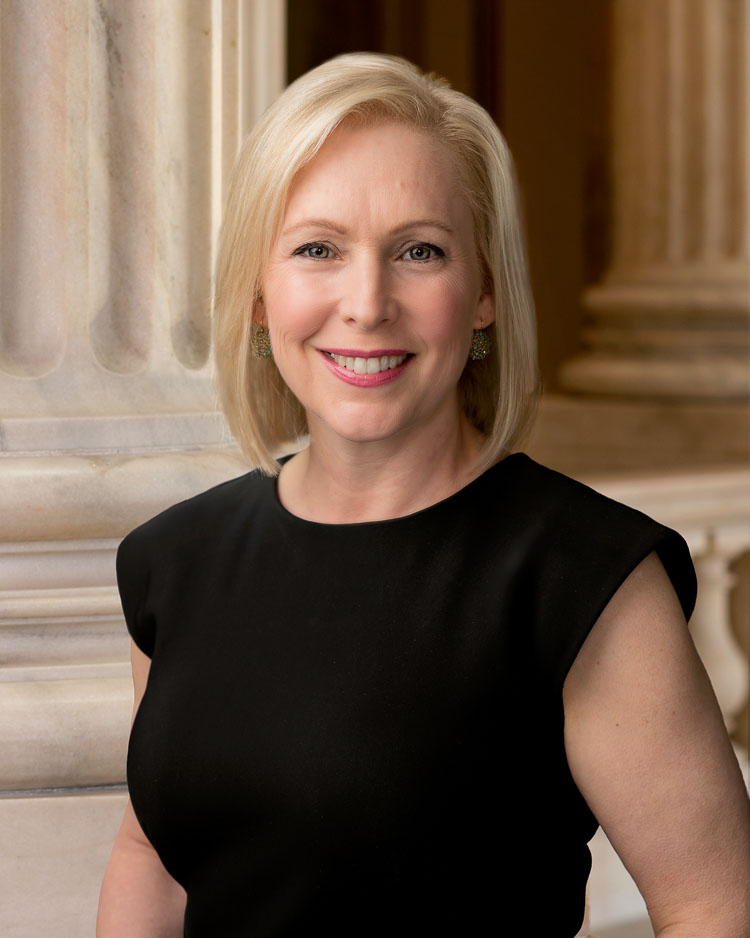
1 sponsor
Actions
2 actions
| Date | Action |
|---|---|
| Aug. 06, 2026 | Introduced in Senate |
| Aug. 06, 2026 | Read twice and referred to the Committee on Rules and Administration. |
Corporate Lobbying
0 companies lobbying
None found.
* Note that there can be significant delays in lobbying disclosures, and our data may be incomplete.
Potentially Relevant Congressional Stock Trades
No relevant congressional stock trades found.