
S. 5321: HCBS Access Act
This bill would expand Medicaid home- and community-based services (HCBS), which are services that help people with disabilities, older adults, and others with long-term care needs live in their homes or communities instead of in institutions.
Medicaid coverage and access to HCBS
The bill would require Medicaid to cover a broader set of HCBS and would make it easier for people to qualify for and keep receiving those services. It would also encourage states to remove barriers that limit access, improve payment rates for providers, and strengthen the overall availability of HCBS. States that take certain steps to improve HCBS access could receive 100% federal matching funds for those efforts.
State planning, oversight, and quality requirements
The bill would create a more formal framework for HCBS programs. States would need to develop implementation plans, collect and report data, and measure quality of services. It would also establish an ombudsman function to help address issues related to HCBS services and support accountability in how programs are run.
Protections for people receiving long-term care
The bill would make certain Medicaid protections permanent, including:
- Spousal impoverishment protections, which are meant to prevent a spouse from being left with too little income or resources when the other spouse needs long-term care.
- Money Follows the Person protections, which help people move from institutional care settings back into the community.
It would also restrict Medicaid liens and estate recoveries in some cases, limiting when the government can seek repayment from a person’s property after death or from certain assets.
Workforce support for direct care workers
The bill would take steps to strengthen the direct care workforce, including direct support professionals and other workers who provide hands-on assistance to people receiving HCBS. It would recognize these workers more formally and support efforts to improve recruitment, retention, pay, and training.
Support for family caregivers
The bill would create a national technical assistance center and a $1 billion grant program to help grow the direct care workforce and support family caregivers. The program would fund training, career advancement, and related services, and would require participant support, data collection, and evaluation. Administrative costs would be limited.
Federal-state funding structure
Overall, the bill would increase federal support for states that expand and improve HCBS. It would use Medicaid funding tools and grants to encourage states to reduce waiting lists, improve access, and strengthen the services and workforce needed to help people remain in community settings.
Relevant Companies
None found
This is an AI-generated summary of the bill text. There may be mistakes.
Sponsors
20 bill sponsors
-
TrackBen Ray Lujan
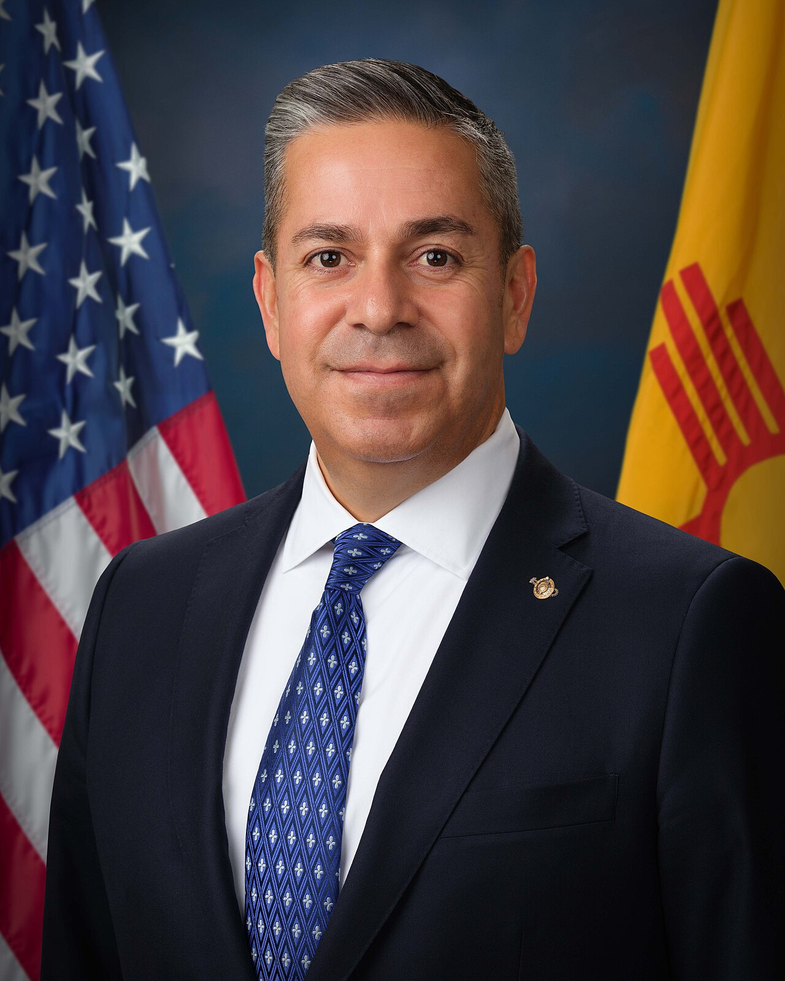
Sponsor
-
TrackAngela Alsobrooks
Co-Sponsor
-
TrackTammy Baldwin

Co-Sponsor
-
TrackRichard Blumenthal
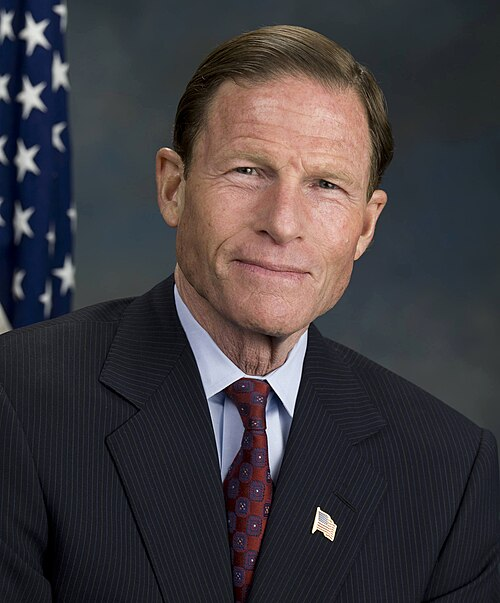
Co-Sponsor
-
TrackChristopher A. Coons
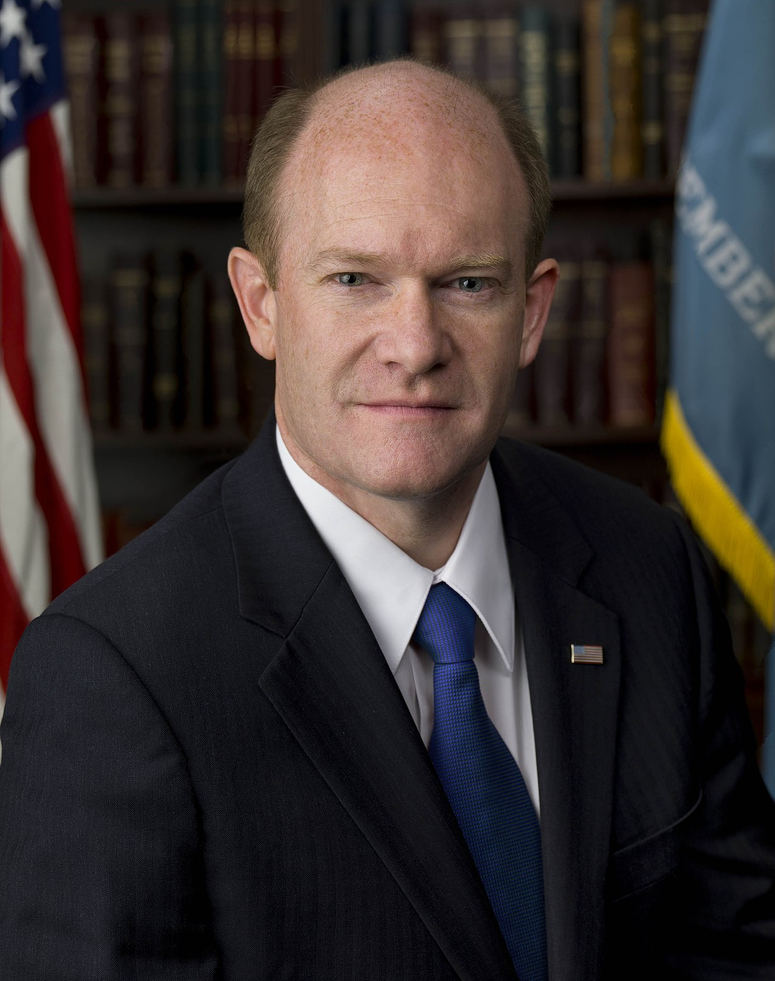
Co-Sponsor
-
TrackTammy Duckworth
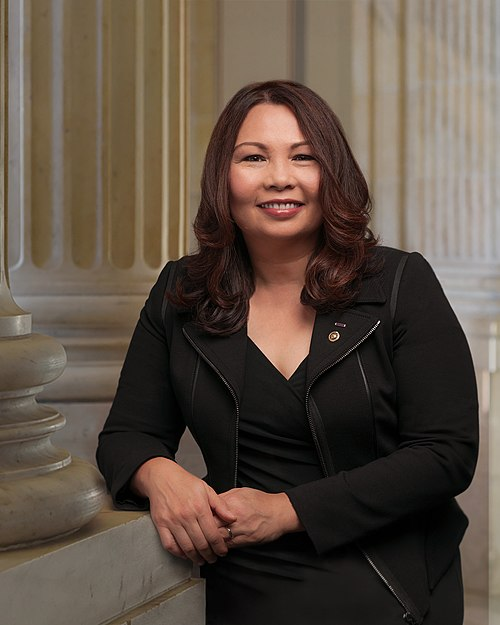
Co-Sponsor
-
TrackJohn Fetterman
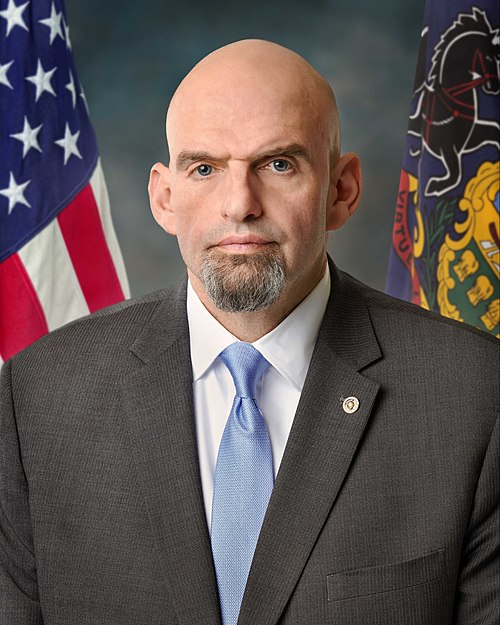
Co-Sponsor
-
TrackKirsten E. Gillibrand
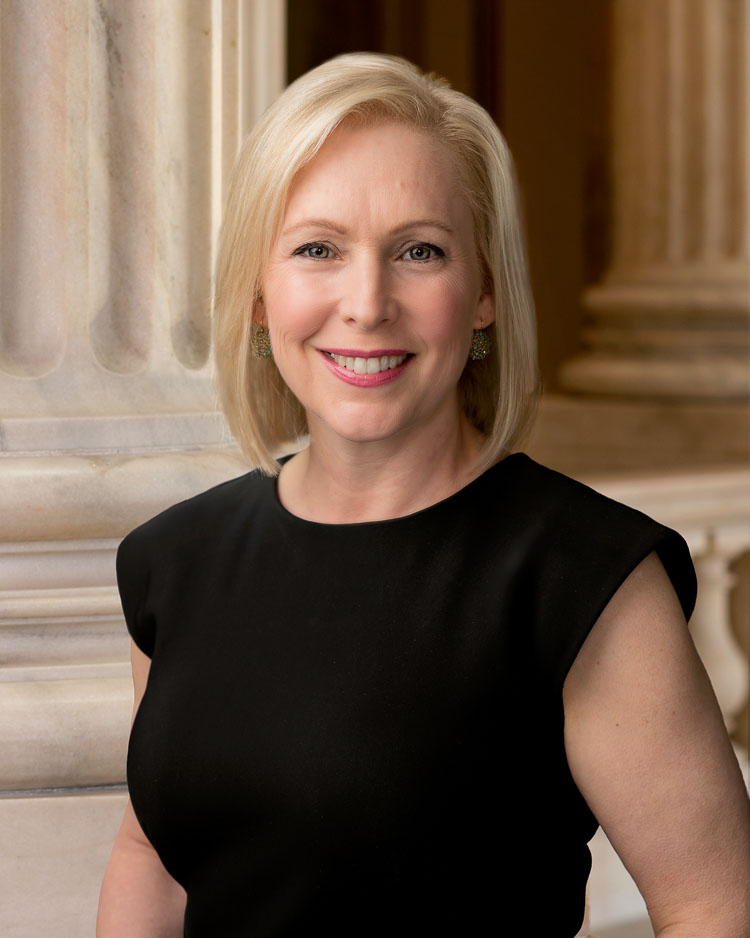
Co-Sponsor
-
TrackMargaret Wood Hassan
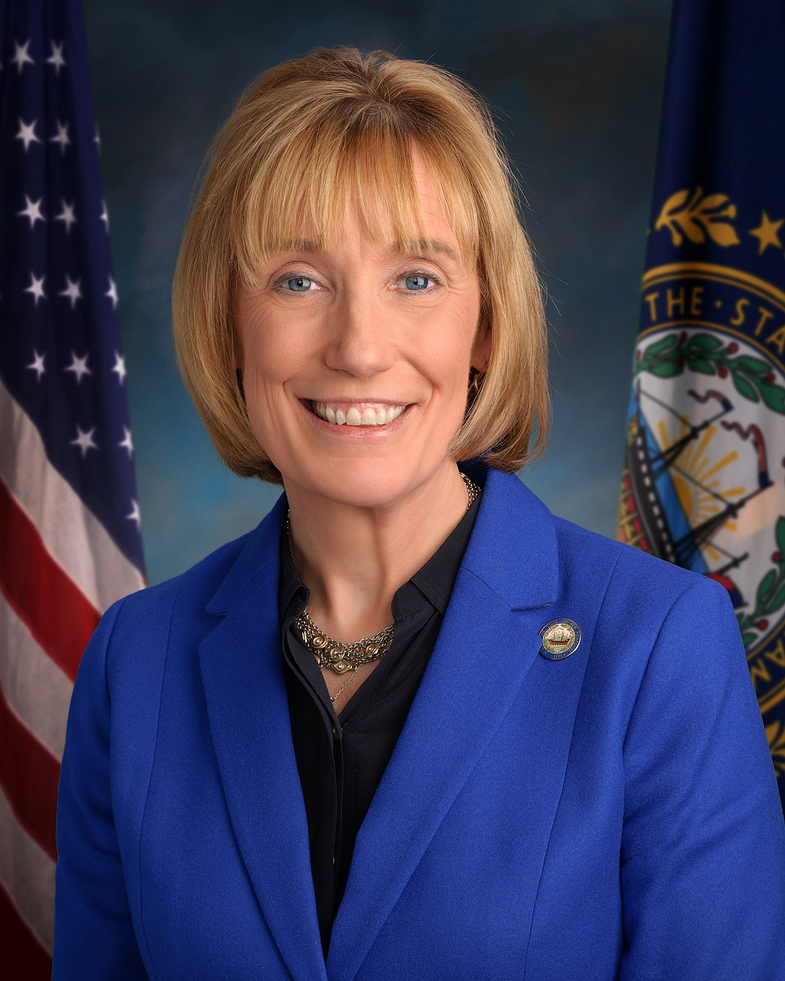
Co-Sponsor
-
TrackTim Kaine
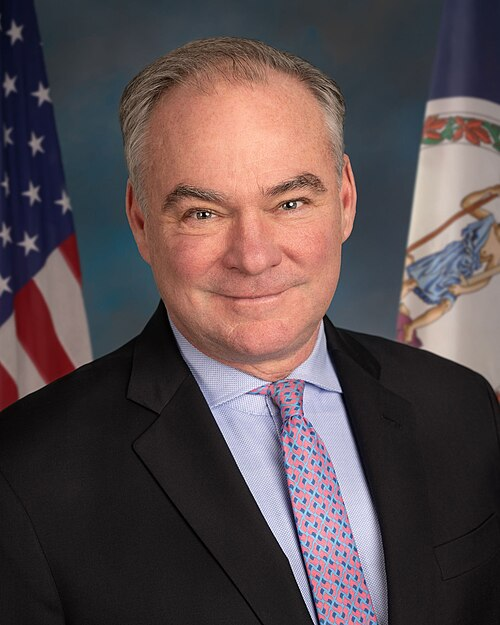
Co-Sponsor
-
TrackAndy Kim

Co-Sponsor
-
TrackEdward J. Markey
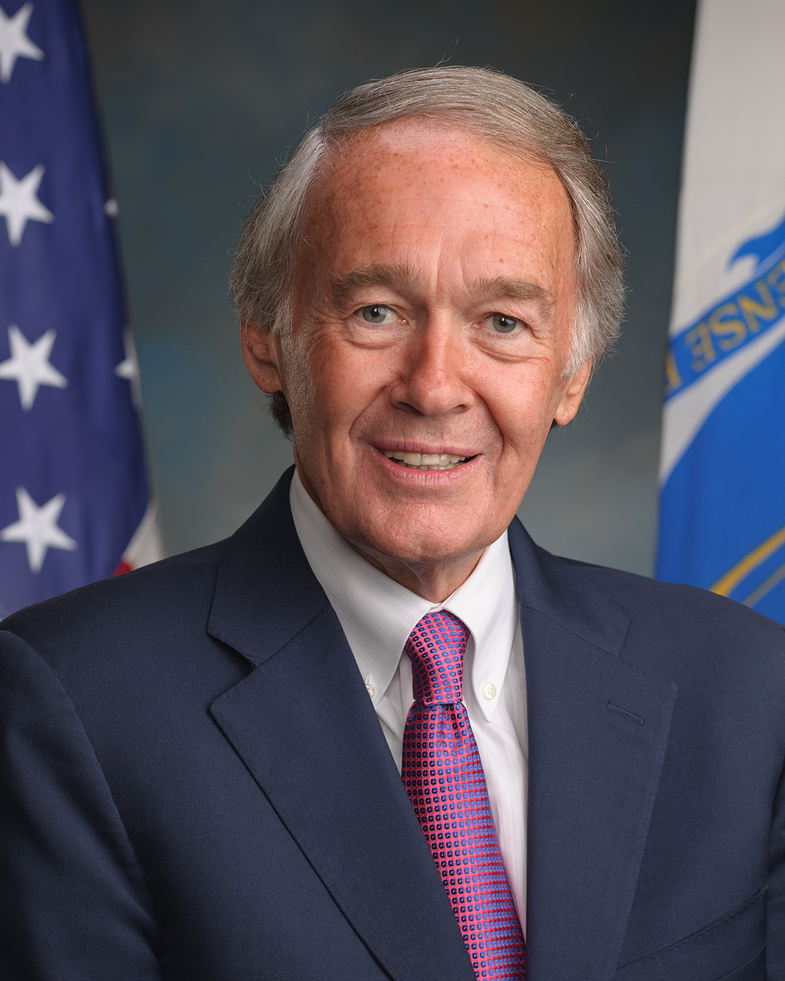
Co-Sponsor
-
TrackJeff Merkley

Co-Sponsor
-
TrackPatty Murray
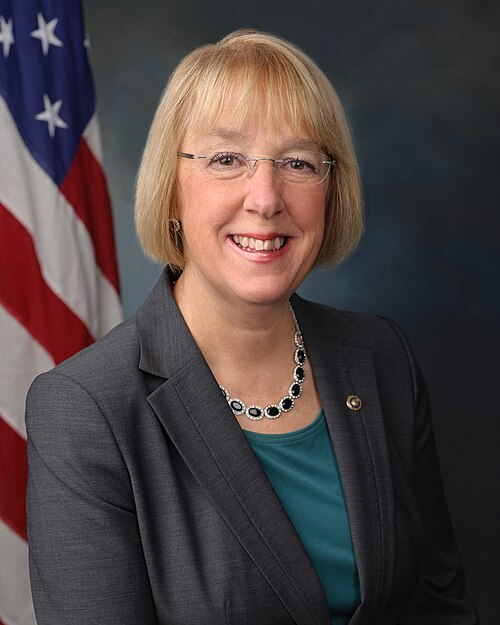
Co-Sponsor
-
TrackJack Reed

Co-Sponsor
-
TrackBernard Sanders

Co-Sponsor
-
TrackAdam B. Schiff
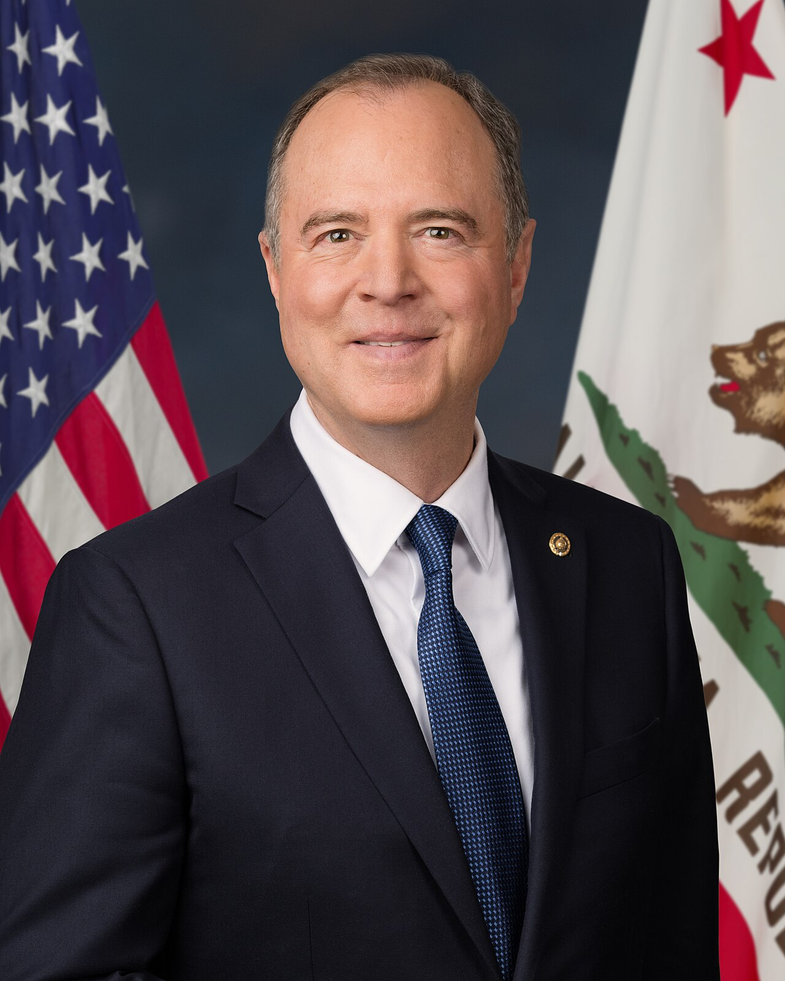
Co-Sponsor
-
TrackJeanne Shaheen
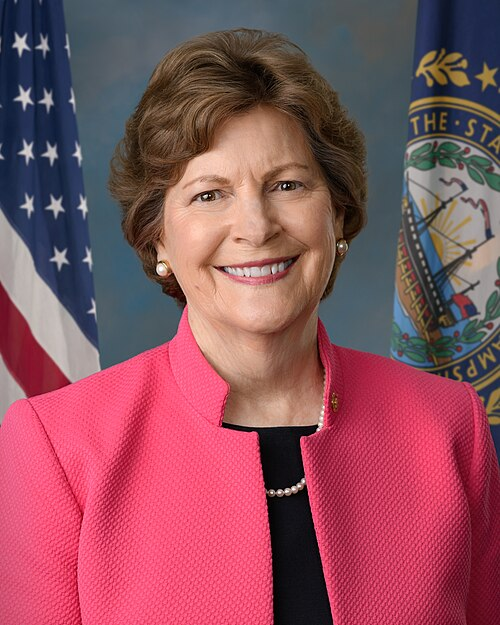
Co-Sponsor
-
TrackChris Van Hollen
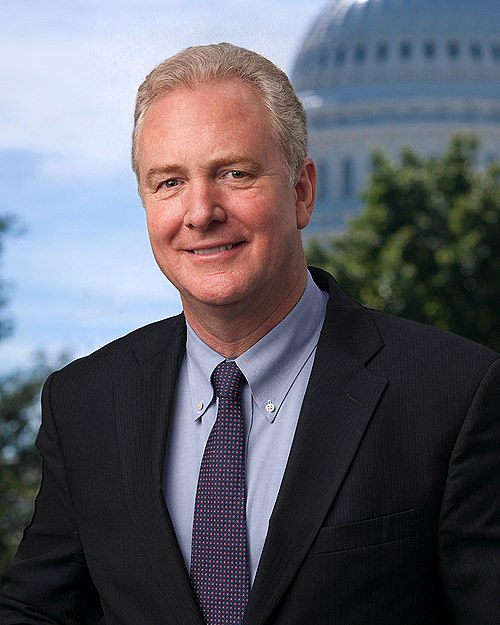
Co-Sponsor
-
TrackElizabeth Warren
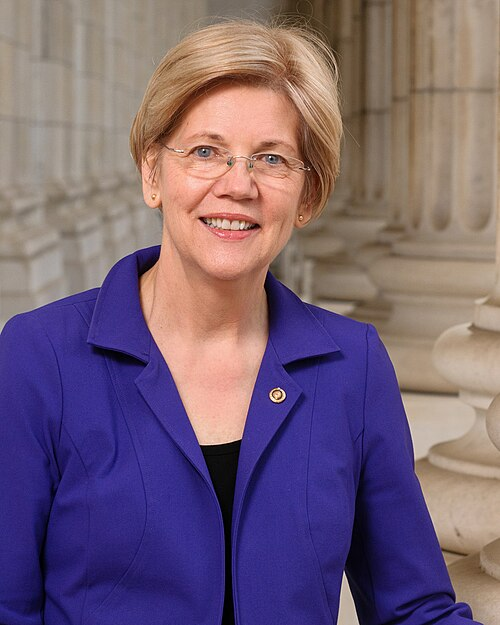
Co-Sponsor
Actions
2 actions
| Date | Action |
|---|---|
| Aug. 06, 2026 | Introduced in Senate |
| Aug. 06, 2026 | Read twice and referred to the Committee on Finance. |
Corporate Lobbying
0 companies lobbying
None found.
* Note that there can be significant delays in lobbying disclosures, and our data may be incomplete.
Potentially Relevant Congressional Stock Trades
No relevant congressional stock trades found.