S. 5311: Cabin Air Safety Act of 2026
This bill would create new federal rules focused on
cabin air quality and safety
on commercial aircraft, especially when there is suspected contamination from engine oil or hydraulic fluid fumes. It would add a new chapter to federal aviation law covering definitions, training, reporting, investigations, air-quality monitoring, and related FAA rulemaking.Training requirements
The bill would require the FAA to issue a proposal within 180 days that would make several groups receive training at least once a year on how to respond to smoke or fume events on commercial aircraft operating under FAA Part 121. The covered groups include:
- Flight attendants
- Pilots
- Aircraft mechanics
- Airport first responders and emergency response teams
The training would cover how to identify and respond to suspected engine oil or hydraulic fluid fumes, how to distinguish them from other sources of fumes, possible health effects, response procedures, and how to use the reporting system created by the bill.
Reporting system
The bill would require the FAA to maintain a standardized reporting system for pilots, flight attendants, and aircraft mechanics to report these types of smoke or fume events. Reports would collect information such as:
- Flight number and aircraft details
- Date and time of the event
- Description, location, source, and duration of the fumes or smoke
- What phase of flight the event happened during
- Whether anyone needed medical attention
- Other information the FAA considers relevant
People submitting reports would get a copy and confirmation that the report was received.
How the information could be used
The FAA would have to keep a database of the reports. It could share relevant information with the affected air carrier, but not identifying details about the person who filed the report. The FAA would be barred from publicly releasing event-specific report data or information that identifies the reporter. It could only publish validated, aggregated information if doing so would improve aviation safety. The FAA could also use the data for oversight and research.
Investigations
If a report is filed, the FAA would have the authority to investigate. If the report says that a crew member or passenger had symptoms that required medical attention beyond first aid, the FAA would have to begin an investigation within 7 days. Investigations would gather facts from crew, mechanics, responders, and medical personnel, examine maintenance and technical findings, and try to determine the cause if possible. The FAA would also have to work with the airline involved and seek participation from employee representatives.
Air quality monitoring equipment
The bill would require domestic and foreign airlines operating in the United States to install and use onboard air-quality monitoring equipment within 180 days. The equipment would need to:
- Be located in the air supply system so the source of contamination can be identified in real time
- Continuously monitor for markers linked to engine oil or hydraulic fluid fumes
- Alert the flight deck about the type and source of contamination
- Continuously monitor for de-ice or anti-ice fluid fumes
- Work whenever the aircraft is powered on, on the ground or in flight
The bill would also require procedures to train pilots to respond to dangerous air-quality conditions, including communication and source-isolation steps.
Aircraft manuals and maintenance rules
Within one year, aircraft manufacturers would have to include response procedures for these air-quality monitoring systems in the flight operator’s manual. The FAA would also be allowed to issue regulations requiring specific maintenance steps to help prevent or reduce air-supply contamination, after consulting with health and safety agencies.
Research and equipment lists
The FAA would have to continue researching sensors, filters, and maintenance methods that could better detect or prevent cabin air contamination. The bill would also require the FAA to update the minimum equipment list for aircraft with bleed air systems so the required monitoring equipment is accounted for.
Scope and funding
The bill would not apply to rotorcraft. It would authorize whatever funding is needed to carry out the new chapter. It would also make related technical changes to existing FAA law and repeal some overlapping provisions from prior aviation legislation.
Relevant Companies
- BA — Boeing could be indirectly affected because aircraft manufacturers would need to incorporate new monitoring-related requirements into manuals and potentially into aircraft design or systems on new aircraft.
- RTX — RTX (Pratt & Whitney) could be indirectly affected if airlines and regulators focus more on engine-related contamination monitoring and maintenance practices involving engine systems.
- HON — Honeywell could be indirectly affected if demand rises for avionics, sensors, or cabin air monitoring technologies used to detect contamination.
- GE — GE Aerospace could be indirectly affected through increased scrutiny of engine-related sources of bleed-air contamination and related maintenance or monitoring requirements.
This is an AI-generated summary of the bill text. There may be mistakes.
Sponsors
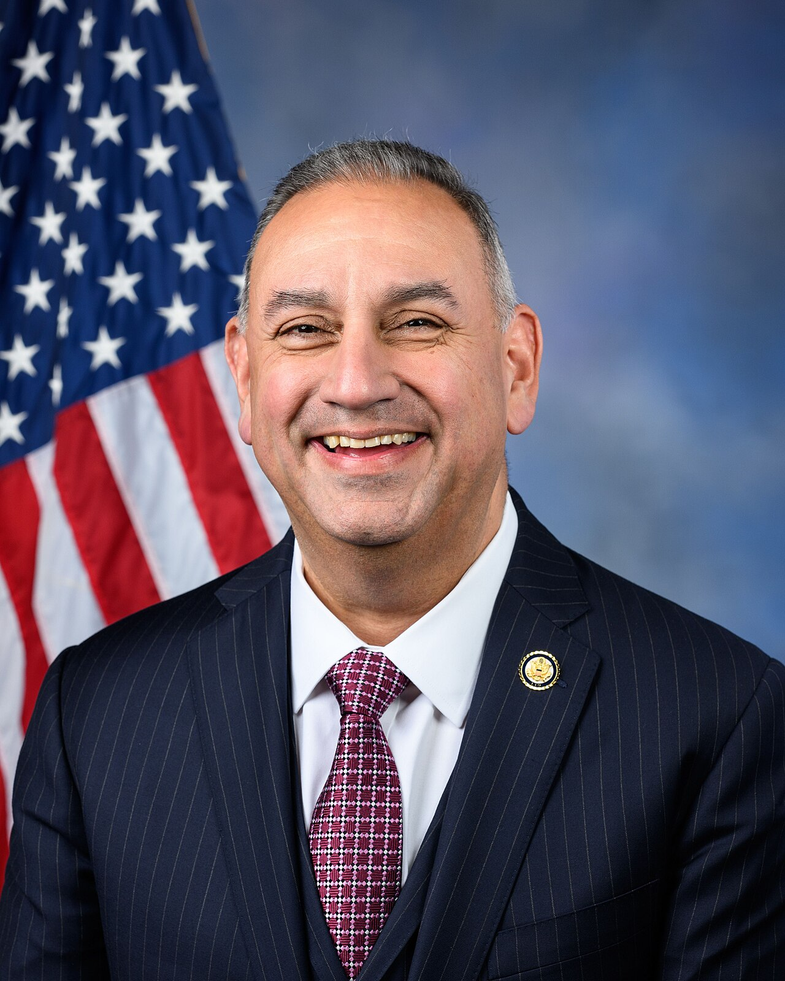
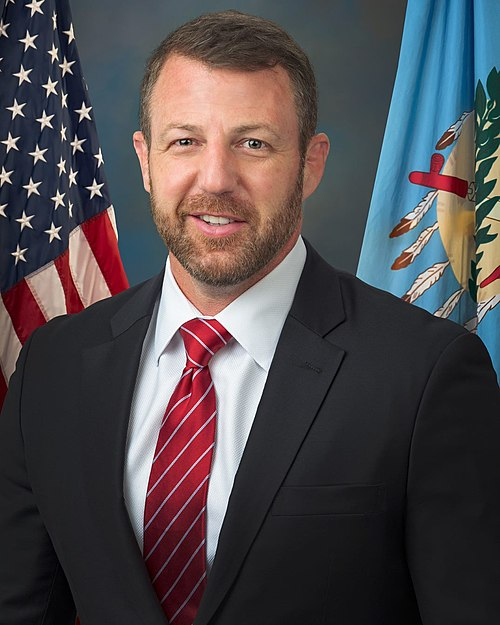
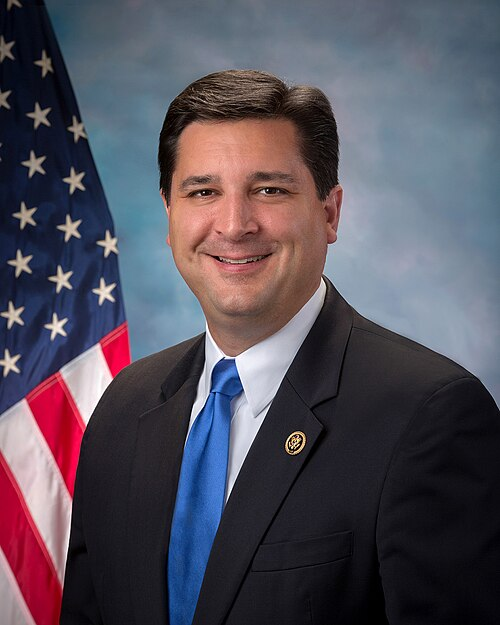
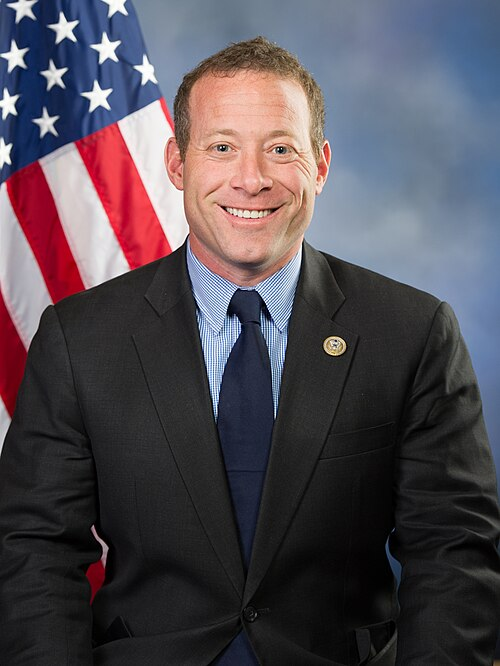
3 bill sponsors



Actions
2 actions
| Date | Action |
|---|---|
| Aug. 06, 2026 | Introduced in Senate |
| Aug. 06, 2026 | Read twice and referred to the Committee on Commerce, Science, and Transportation. |
Corporate Lobbying
0 companies lobbying
None found.
* Note that there can be significant delays in lobbying disclosures, and our data may be incomplete.