S. 5310: Robotics Supply Chain Improvement Act
This bill would direct federal agencies to take several steps aimed at strengthening the U.S. robotics industry and improving its supply chain.
What counts as “robotics” under the bill
The bill defines robotics broadly to include programmable machines and mechanisms that can move, manipulate, sense their surroundings, and act on that information. It also includes some remotely operated ground robots. It specifically excludes:
- unmanned aircraft systems
- passenger vehicles
- toys
Actions required from the National Institute of Standards and Technology (NIST)
Within 90 days of enactment, NIST would have to:
- identify barriers to collecting and sharing data needed for AI models and robotics hardware development, and suggest solutions;
- promote the use of robotics by industry when possible;
- work with the robotics industry on useful standards, especially for:
- new robotics uses like humanoid robots and swarm robotics,
- the use of artificial intelligence in robotics systems, and
- training and apprenticeship programs to build worker skills;
- work with the industry on robotics solutions for mining and critical mineral processing, food processing, home care, elder care, and other topics NIST considers appropriate;
- coordinate with the Secretaries of Education and Labor on curricula for skills needed in the robotics industry, with an eye toward workforce development and job creation.
Reporting on robotics adoption
Starting one year after enactment, and then annually for four more years, the Department of Commerce would have to report to Congress on how robotics is being adopted across U.S. firms and industries. The report would include:
- where robotics is being adopted geographically;
- which industries are adopting it;
- how much different industries are investing in robotics;
- what is slowing adoption;
- how robotics adoption is affecting workers and skills; and
- recommendations for possible legislation.
NASA robotics technology commercialization
The bill would require NASA to prioritize licensing its robotics-related inventions, patents, and technologies to private companies, including by marketing those technologies to industry, to help support the domestic robotics base. NASA would also have to report to Congress within 180 days on what it has done to promote this commercialization.
Relevant Companies
- IR — Ingersoll Rand may be affected indirectly if industrial robotics adoption rises in manufacturing and automation-heavy facilities.
- ROK — Rockwell Automation could see indirect effects from greater demand for industrial automation and robotics-related standards and integration.
- ABB — ABB, a major automation and robotics company, could be affected by increased emphasis on robotics adoption and standards in U.S. industry.
- FANUY — FANUC’s robotics business could be indirectly affected by broader U.S. robotics adoption and supply-chain development.
- KRNT — Kornit-style? None directly relevant to robotics; no likely significant direct impact identified.
This is an AI-generated summary of the bill text. There may be mistakes.
Sponsors
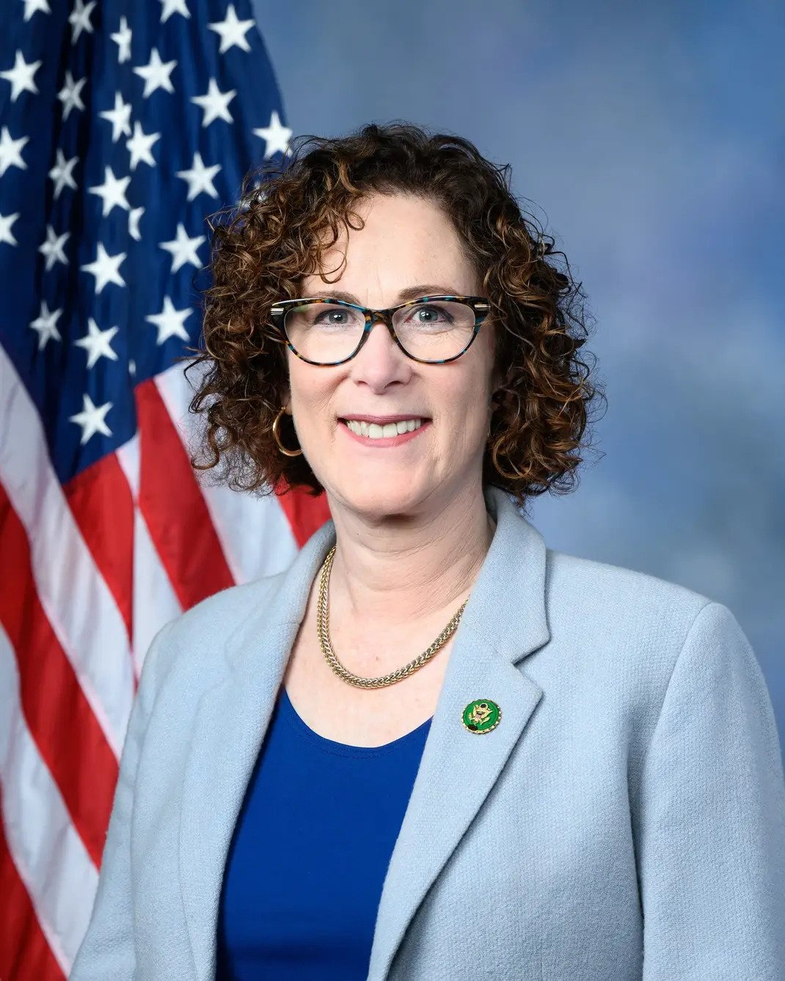
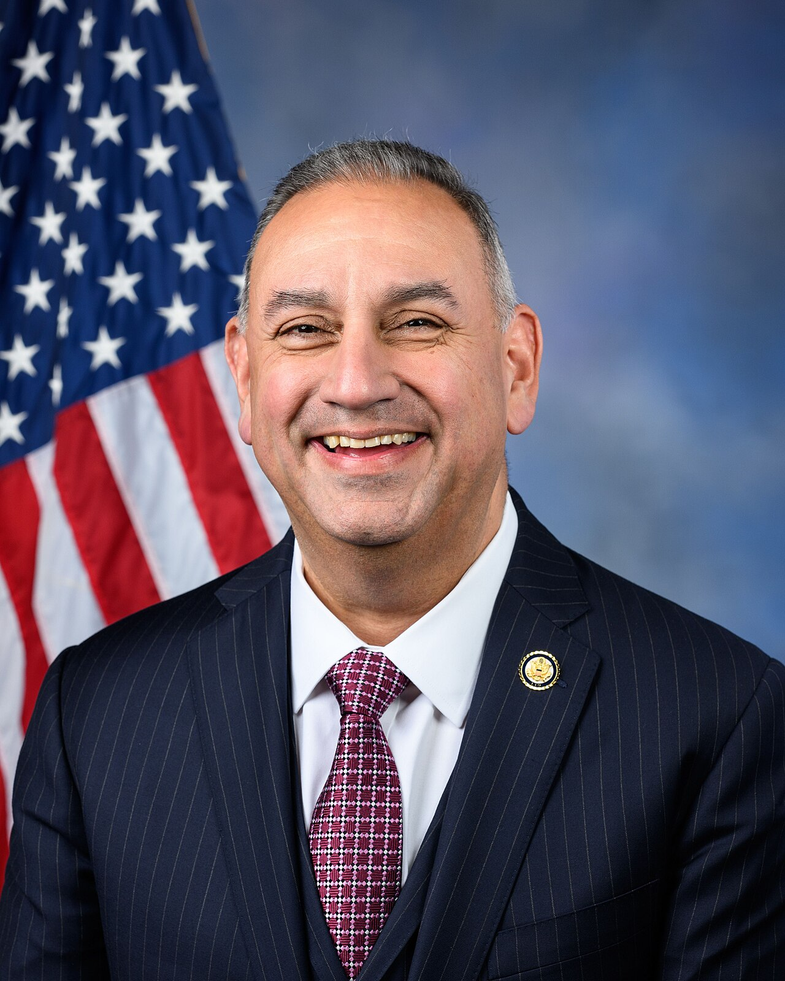
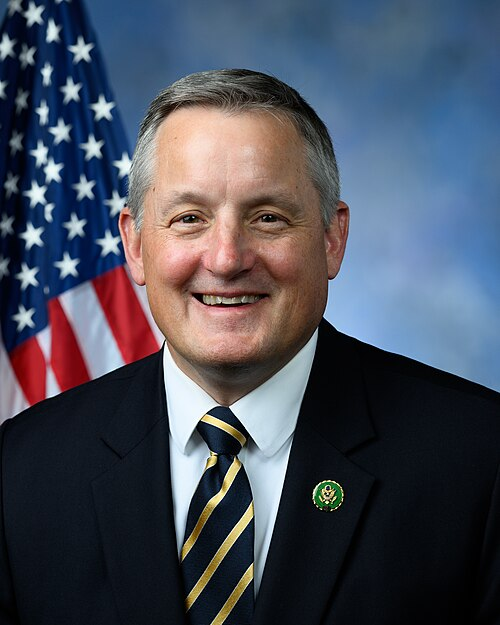
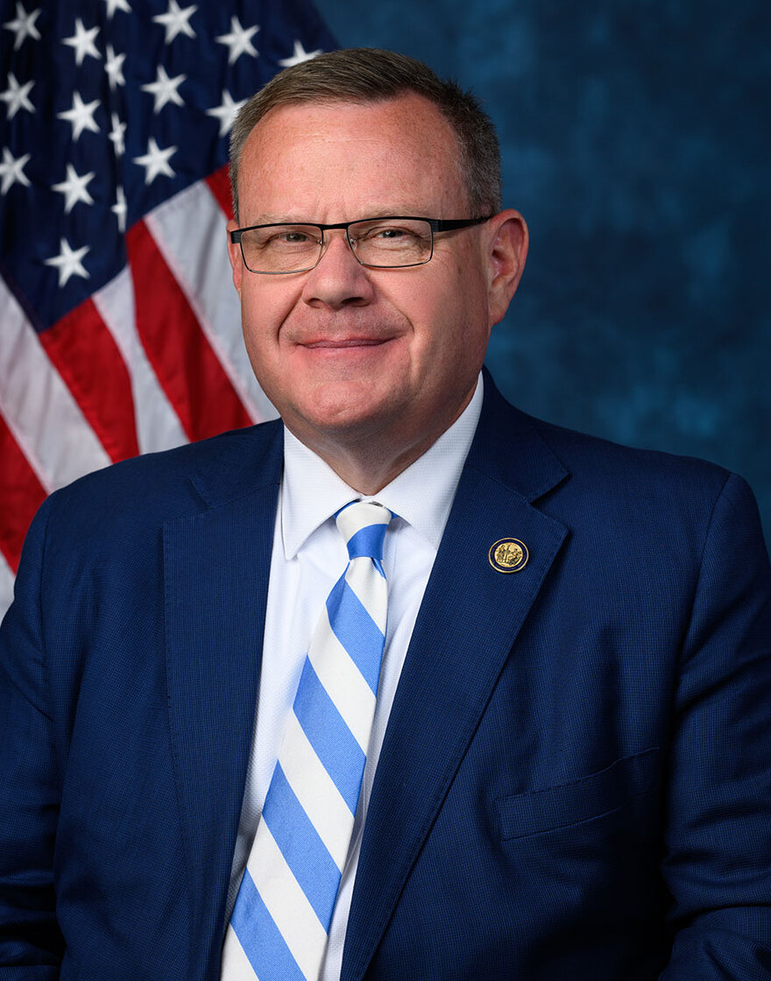
2 bill sponsors


Actions
2 actions
| Date | Action |
|---|---|
| Aug. 06, 2026 | Introduced in Senate |
| Aug. 06, 2026 | Read twice and referred to the Committee on Commerce, Science, and Transportation. |
Corporate Lobbying
0 companies lobbying
None found.
* Note that there can be significant delays in lobbying disclosures, and our data may be incomplete.