
S. 5277: Rebuilding America's National Cow Herd Act
This bill would create a new U.S. Department of Agriculture program to encourage some crop land to be converted into permanent grassland that can be used for grazing cattle.
What land could be enrolled
The program would apply to cropland that:
- Had a cropping history, or was treated as planted, in at least 4 of the last 6 crop years before the bill becomes law; and
- Will be restored to perennial grasses and other grazing plants.
What participants would have to do
Landowners or operators who join would enter into contracts lasting between 10 and 15 years. The contract would require them to:
- Establish perennial grass and forb cover suited to the region, soil, and grazing use;
- Have a site-specific grazing management plan approved within 2 years;
- Follow the contract’s rules for grazing and land management.
After the fourth year of the contract, the land’s crop base history would be temporarily suspended for the rest of the contract term.
Allowed activities on enrolled land
The bill would allow several activities on enrolled land, including:
- Grazing according to the approved management plan;
- Fire prevention work, fire damage rehabilitation, and fire breaks;
- Mowing or clipping to help establish the grass cover;
- Emergency haying during drought, flooding, wildfire, or other emergencies, under certain conditions.
Emergency haying would be allowed only outside the primary nesting season and only if the county is in severe drought or worse, has large forage losses, or USDA determines the activity would help respond to a disaster without permanently damaging the land cover.
Payments and financial help
The bill would provide several types of payments:
- Annual rental payments: 75% of the county average dryland cash rental rate for cropland;
- Cost sharing: USDA would pay 50% of the cost of establishing the perennial grass and forb cover;
- Extra incentive payments: an additional payment covering 50% of the cost of using a high-quality diverse native seed mix;
- Beginning farmer or rancher bonus: an additional payment equal to 50% of the cost-share amount for beginning farmers or ranchers.
The total cost-share and incentive payments could not exceed 100% of the cost of establishing the cover. Annual total payments to a person or entity would be capped at $155,000. The bill also says this program’s payments count under USDA adjusted gross income limits.
How enrollment would work
USDA would accept applications on a continuous basis, with ranking periods at least once a year. The Secretary could delay a ranking period if there is less than 1 million acres available for enrollment, or if commodity prices are high and there may be a shortage of crops from the land targeted for enrollment. USDA could enroll up to 20 million acres total.
Who would get priority
USDA would give priority to:
- Beginning farmers and ranchers;
- Owners or operators running livestock grazing operations, or planning to start one;
- Applicants agreeing to conservation plans that support wildlife habitat or wildlife corridors;
- Use of high-quality native seed mixes;
- Highly erodible land;
- Marginal cropland.
Other provisions
USDA would have to provide technical assistance for the life of each contract. When a contract ends, the land would be automatically enrolled into an existing USDA conservation program, unless the owner or operator opts out. If they opt out, the land could not be reenrolled under this new program. Participants could also enroll the land in some other USDA conservation programs for activities not already covered by this bill’s cost-share or incentive payments.
Relevant Companies
None found
This is an AI-generated summary of the bill text. There may be mistakes.
Sponsors
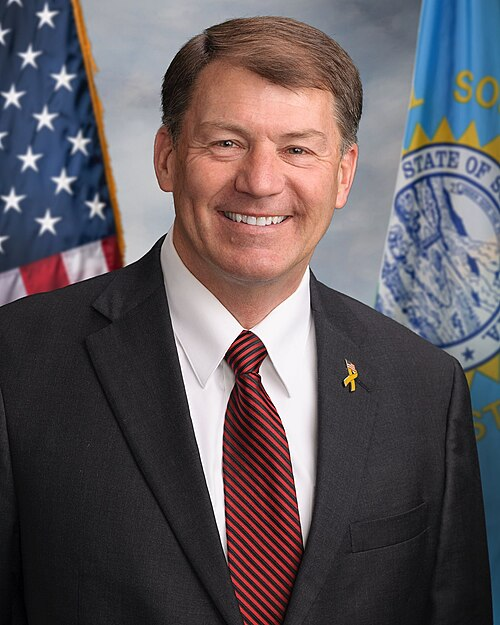
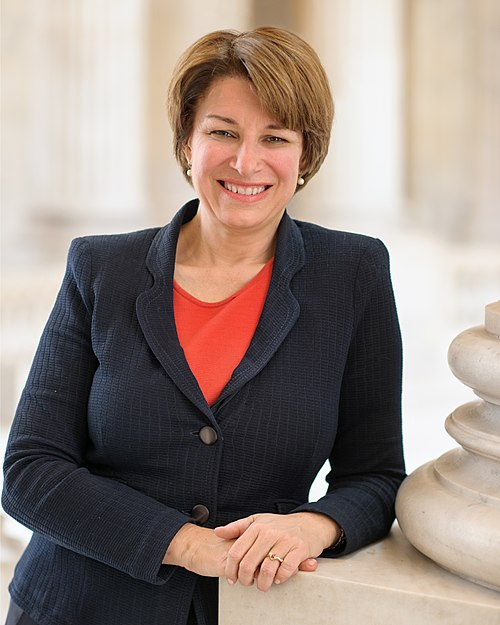
2 bill sponsors
Actions
2 actions
| Date | Action |
|---|---|
| Aug. 06, 2026 | Introduced in Senate |
| Aug. 06, 2026 | Read twice and referred to the Committee on Agriculture, Nutrition, and Forestry. |
Corporate Lobbying
0 companies lobbying
None found.
* Note that there can be significant delays in lobbying disclosures, and our data may be incomplete.
Potentially Relevant Congressional Stock Trades
No relevant congressional stock trades found.