
S. 5190: Restoring Justice for Workers Act
This bill would limit the use of mandatory arbitration and “no-class-action” clauses in workplace disputes. In general, it would stop employers and other entities that hire workers from requiring workers, before any dispute happens, to agree to arbitrate employment-related disputes or to give up the right to bring or join a joint, class, or collective case in court or another proper forum.
What counts as a covered work dispute
The bill defines a work dispute broadly. It would cover disputes connected to an employment or potential employment relationship, including issues about:
- wages and payment;
- job advertising, recruiting, or referrals;
- discipline or firing;
- claims under certain federal laws protecting workers;
- requests to proceed as a class action or collective action under federal or similar state rules.
It would also cover people labeled as independent contractors if they are hired to perform services or work.
Limits on pre-dispute agreements
The bill would make pre-dispute arbitration agreements unenforceable if they require arbitration of a work dispute. It would also make pre-dispute joint-action waivers unenforceable, meaning a worker could not be made, in advance, to promise not to bring or join a joint, class, or collective claim about a work dispute.
Limits on post-dispute agreements
If a dispute has already arisen, the bill would still allow arbitration or waiver agreements only if they are truly voluntary and meet several conditions. For a post-dispute arbitration or waiver agreement to be valid, it would have to:
- not be required by the employer or other covered entity;
- not be obtained through coercion or threats;
- not be made a condition of employment, work, or any work-related benefit;
- be explained in writing in plain language;
- tell the worker they can refuse without retaliation;
- include a waiting period of at least 45 days after the worker receives the final text and required disclosures; and
- be affirmatively agreed to in writing by the worker.
Anti-retaliation protections
The bill would prohibit retaliation or threats of retaliation against a worker for refusing to agree to arbitrate a work dispute. It would also add related protections under the National Labor Relations Act to stop employers from using agreements or practices that interfere with workers’ ability to engage in concerted activity about work disputes.
Effect on lawsuits and arbitration rules
The bill would amend the Federal Arbitration Act so that courts, not arbitrators, decide whether the new chapter applies to an agreement and whether the agreement is valid. It would also make sure that collective bargaining agreements are treated differently in some respects, while preserving workers’ ability to seek judicial enforcement of certain rights arising under the Constitution, federal or state law, or public policy.
Deadlines and enforcement
If a worker is retaliated against for refusing to enter one of these agreements, the bill would allow the worker to sue in federal court within 2 years, or 3 years if the violation was willful. The bill would allow recovery of attorney’s fees, costs, and other appropriate relief.
Timing
The bill would take effect on the date it is enacted and would apply to disputes or claims that arise or accrue on or after that date, including disputes covered by agreements signed before enactment.
Relevant Companies
None found.
This is an AI-generated summary of the bill text. There may be mistakes.
Sponsors
18 bill sponsors
-
TrackPatty Murray
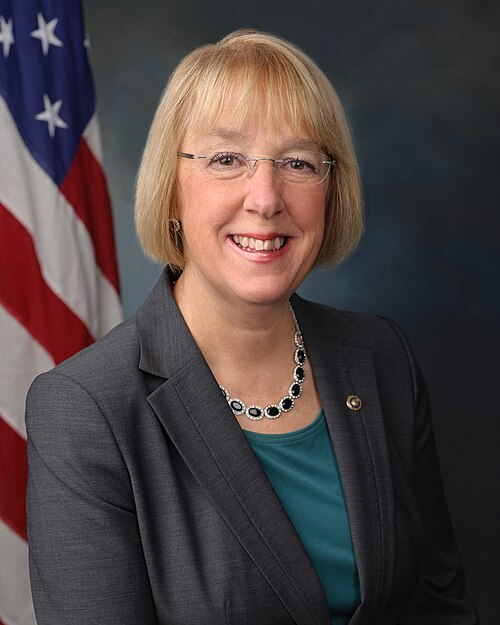
Sponsor
-
TrackTammy Baldwin

Co-Sponsor
-
TrackRichard Blumenthal
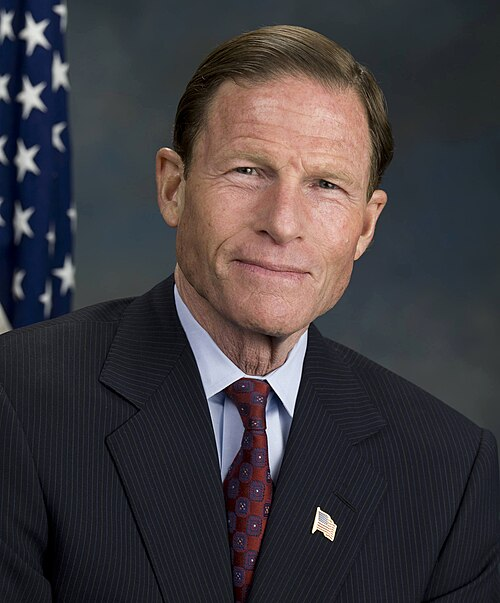
Co-Sponsor
-
TrackCatherine Cortez Masto
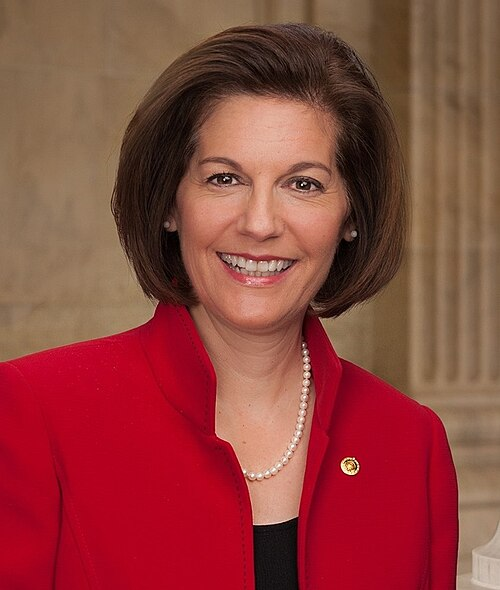
Co-Sponsor
-
TrackRichard J. Durbin

Co-Sponsor
-
TrackRuben Gallego

Co-Sponsor
-
TrackMazie K. Hirono

Co-Sponsor
-
TrackAngus S. King Jr.

Co-Sponsor
-
TrackAmy Klobuchar
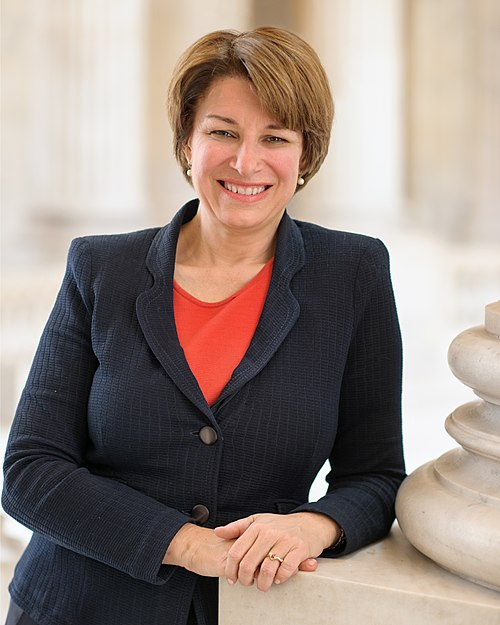
Co-Sponsor
-
TrackEdward J. Markey

Co-Sponsor
-
TrackJeff Merkley

Co-Sponsor
-
TrackChristopher Murphy

Co-Sponsor
-
TrackAlex Padilla
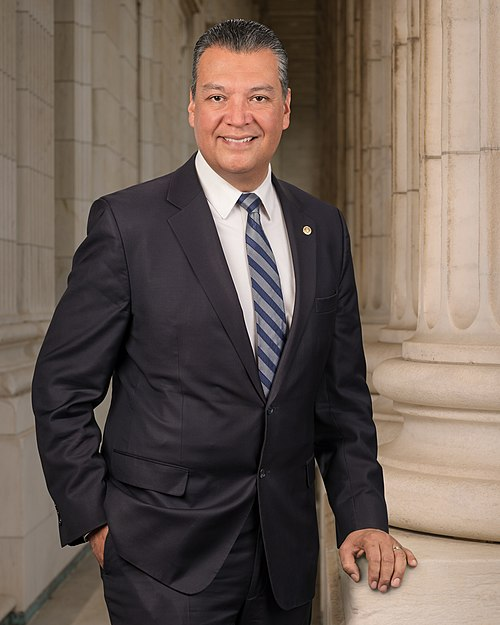
Co-Sponsor
-
TrackGary C. Peters

Co-Sponsor
-
TrackJack Reed

Co-Sponsor
-
TrackBernard Sanders

Co-Sponsor
-
TrackJeanne Shaheen
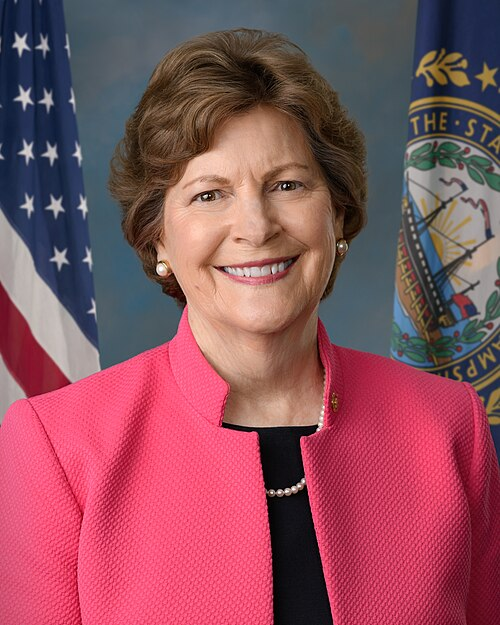
Co-Sponsor
-
TrackElizabeth Warren

Co-Sponsor
Actions
2 actions
| Date | Action |
|---|---|
| Jul. 30, 2026 | Introduced in Senate |
| Jul. 30, 2026 | Read twice and referred to the Committee on Health, Education, Labor, and Pensions. |
Corporate Lobbying
0 companies lobbying
None found.
* Note that there can be significant delays in lobbying disclosures, and our data may be incomplete.
Potentially Relevant Congressional Stock Trades
No relevant congressional stock trades found.