S. 5134: Green New Deal for Health Act
This bill would create a new federal program focused on the connection between climate change and public health. It would set up a new office within the Department of Health and Human Services (HHS) to coordinate climate-and-health efforts, develop a national plan, consult with an advisory board, and issue regular reports and budget recommendations.
Climate and health planning and coordination
The bill would require federal agencies to work together on climate-related health issues. It would establish an advisory council and require annual reporting on progress, planning, and funding needs. It would also support research and policy development on how climate change affects health care systems and communities.
Funding for health facilities and workforce readiness
The bill would provide grants and funding to help hospitals, clinics, and other health facilities become more resilient to climate-related events such as extreme heat, floods, storms, and power outages. This could include upgrading buildings and systems, improving emergency preparedness, and developing technical assistance programs to help facilities plan for climate risks.
It would also fund training for health care workers so they are better prepared to respond to climate-related health problems. This includes education on climate risks, emergency response, and how to care for patients during climate emergencies.
Support for communities and vulnerable populations
The bill would direct a large share of funding toward community health programs, especially in environmental justice communities and other underserved areas. It would support local efforts to improve public health, expand access to care, and reduce health harms linked to pollution, heat, and other climate-related stressors.
It would also expand the role of community health workers and support programs that strengthen mental health and community wellness in areas affected by climate-related events.
Protections for health workers and patients
The bill would create grants and protections for essential health workers who face emergencies and hazardous conditions. It would include emergency hazard pay and related workplace protections in certain situations.
It would also require hospitals and similar facilities to give notice before closing or discontinuing services, and to take mitigation steps aimed at protecting access to care. This is intended to reduce sudden disruptions in health services, especially where patients may have limited alternatives.
Research, innovation, and reporting
The bill would establish a major climate-health research initiative funded at $5 billion per year through 2036. The research would cover topics such as:
- How to make health care systems more climate-resilient
- Ways to reduce emissions from health care operations
- More sustainable medical supplies and products
- Climate-ready health interventions and emergency responses
- How extreme heat and other climate hazards affect mental and physical health
The bill would also require oversight and disclosure in certain areas, including emissions, supply chains, and medical products, and would include planning and coordination across agencies.
Medicare coverage for disaster-related home resiliency services
For people who are medically at risk, the bill would add Medicare coverage for certain home resiliency services during disasters. This could help eligible patients make their homes safer and more usable during climate-related emergencies.
Relevant Companies
- HCA - A large hospital operator that could be affected by new rules on hospital closure notice, service discontinuation, climate-resilience upgrades, and reporting requirements.
- THC - Tenet Healthcare may be affected by requirements related to hospital operations, emergency preparedness, facility resilience, and workforce protections.
- UHS - Universal Health Services could face impacts from climate-resilience funding opportunities, disclosure requirements, and rules affecting facility closures or service changes.
- LPNT - Well-known for hospital and outpatient services, this company could be directly affected by facility adaptation spending, staffing training, and access-protection requirements.
- MCK - McKesson could be indirectly affected through supply-chain disclosure and oversight requirements tied to medical products and health-system procurement.
- ABC - AmerisourceBergen could be impacted by supply-chain transparency expectations and changes in demand for climate-resilient health care products.
- CVS - CVS Health could be affected through its health services, Medicare-related offerings, and potential participation in climate-health programs and community health funding.
- CI - Cigna may be indirectly affected by Medicare coverage changes, community health initiatives, and climate-related health care policy shifts.
This is an AI-generated summary of the bill text. There may be mistakes.
Sponsors
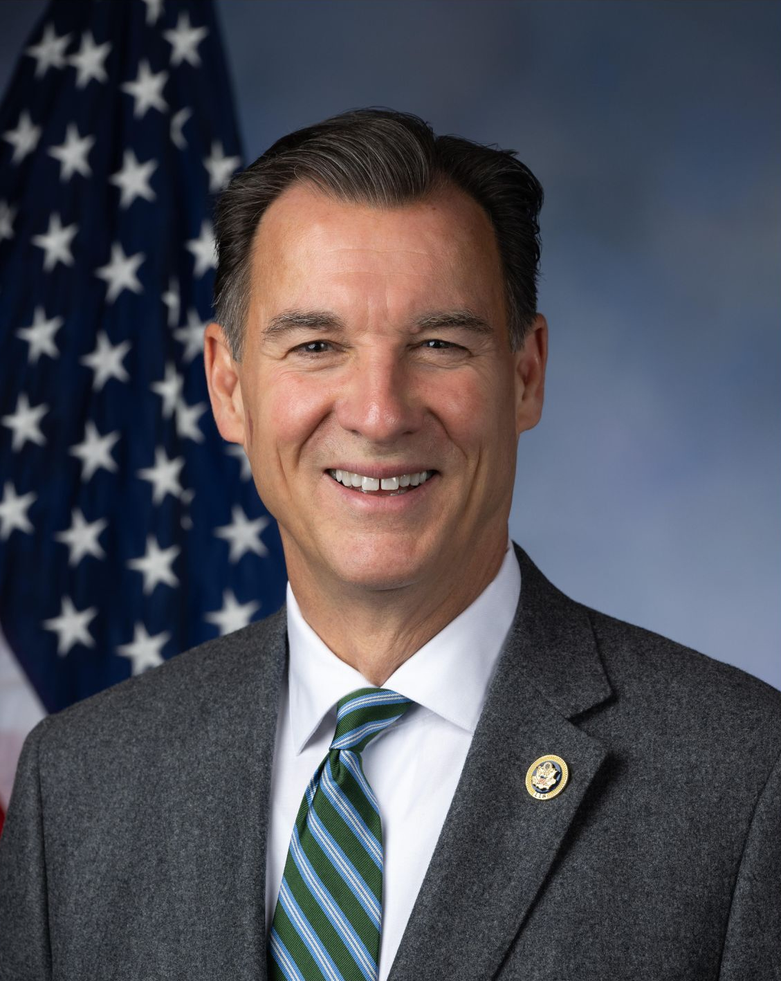
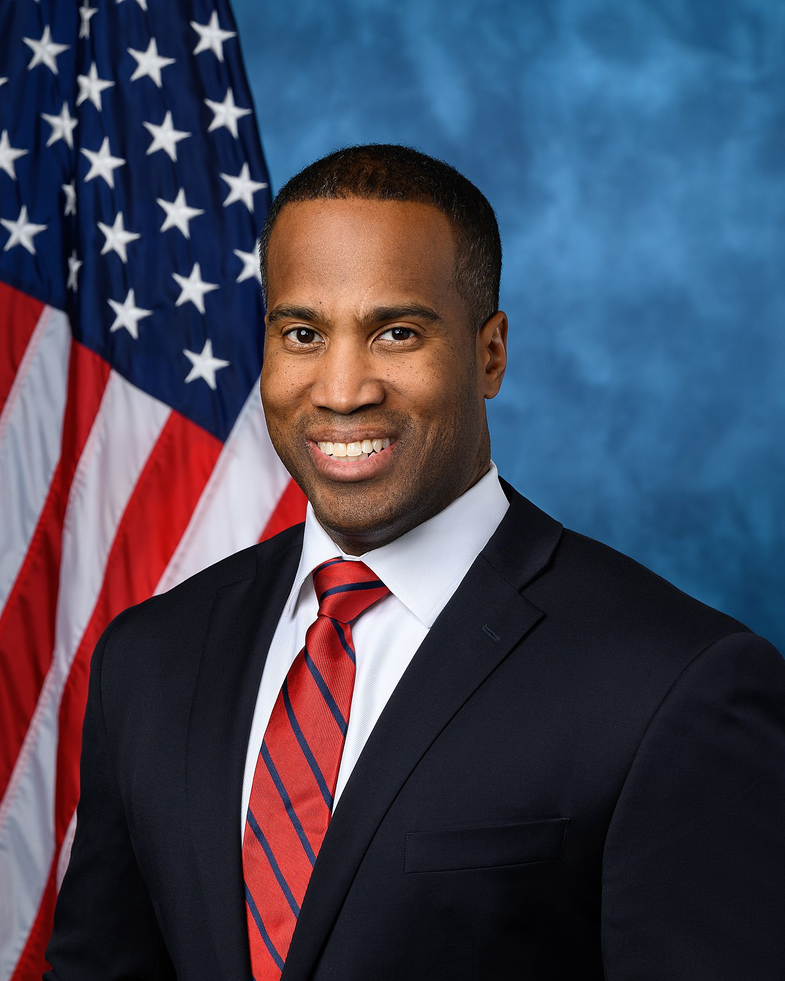
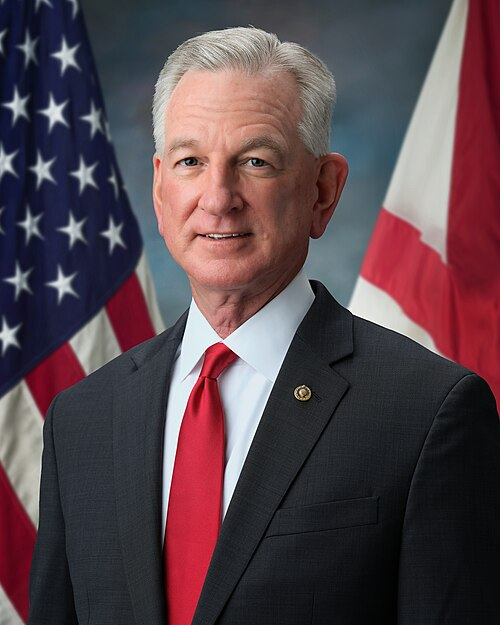
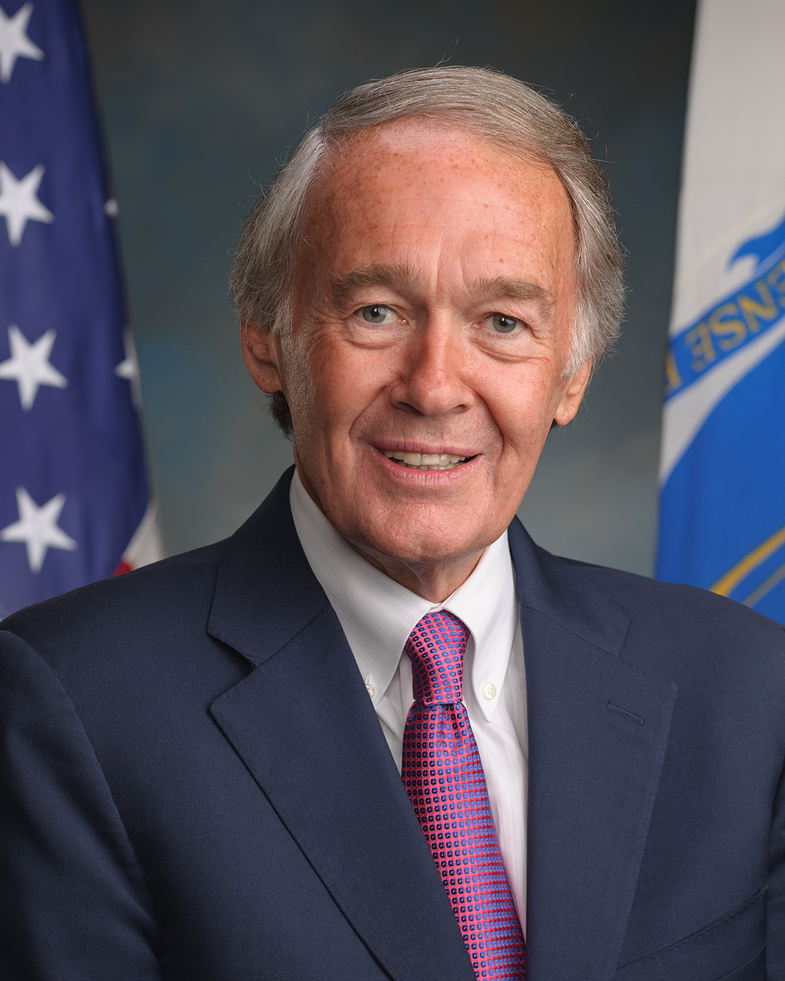
5 bill sponsors




Actions
2 actions
| Date | Action |
|---|---|
| Jul. 27, 2026 | Introduced in Senate |
| Jul. 27, 2026 | Read twice and referred to the Committee on Health, Education, Labor, and Pensions. |
Corporate Lobbying
0 companies lobbying
None found.
* Note that there can be significant delays in lobbying disclosures, and our data may be incomplete.