
S. 5126: Seeds and Breeds for the Future Act
This bill would direct the Department of Agriculture to put more focus on developing and commercializing public plant varieties and animal breeds — meaning breeding work funded by the public sector, rather than private companies.
What changes it makes
- It adds definitions for terms like conventional breeding, public cultivar (a public plant variety), and public animal breed.
- It requires USDA to reserve at least $75 million each year in certain competitive research grants for work on public cultivars and animal breeds.
- It tells USDA to give priority to projects that are likely to produce:
- regionally adapted crops and livestock,
- plants and animals better suited to environmental stress and climate change,
- livestock adapted to grazing and overwintering,
- preserved genetic resources, especially native species,
- varieties and breeds that improve nutrition and health for local and Indigenous communities,
- endangered public cultivars and breeds with Indigenous or place-based importance, and
- crops and animals useful in systems that combine agriculture with renewable energy production.
- It directs USDA to structure grants so that they support long-term development and commercialization of these public cultivars and breeds.
- It says that if someone gets rights to a publicly funded cultivar or breed, exclusive rights to use or sell it can only be granted if the person agrees that products made from it will be produced substantially in the United States.
- It requires USDA to send Congress an annual report on publicly funded cultivar and breed research, including what has been developed, where research is focused, what gaps remain, and how commercialization is progressing.
USDA coordination changes
- The bill creates a new USDA coordinator for public cultivar and animal breed research.
- That coordinator would:
- coordinate USDA’s plant and animal breeding research,
- track federal breeding research funding and make the information public within 60 days after each fiscal year ends,
- develop a strategic plan for USDA breeding investments,
- bring together staff from USDA agencies and outside stakeholders, including universities, nonprofits, and breeders,
- hold regular listening sessions, and
- recommend training and resource needs for future breeding work.
- It also makes a conforming change so that this new coordinator is included in USDA’s scientific staffing framework.
Germplasm collection and conservation planning
- The bill requires USDA to carry out a national plan for assessing and using plant germplasm collections, which are the stored genetic materials used for breeding and conservation.
- USDA would have to keep or hire staff needed to implement that plan and report annually to Congress on progress, staffing, spending, and how the National Plant Germplasm System is being used.
- The bill also requires USDA to develop and implement a similar national plan for animal germplasm collections.
- For the animal plan, USDA must work broadly with farmers, researchers, organic and agroecological producers, and the public to decide which traits and breeds should be conserved.
- The animal plan must include data collection on traits that matter in different production systems, including:
- forage-based or organic systems,
- mobility,
- reproductive longevity,
- disease resistance, and
- animal behavior.
Likely practical effect
In simple terms, the bill would increase federal support for public-sector crop and livestock breeding, improve coordination inside USDA, and add reporting and planning requirements. It is aimed at helping develop new plant varieties and animal breeds that are usable in different regions and farming systems, while also improving conservation of genetic resources.
Relevant Companies
None found
This is an AI-generated summary of the bill text. There may be mistakes.
Sponsors
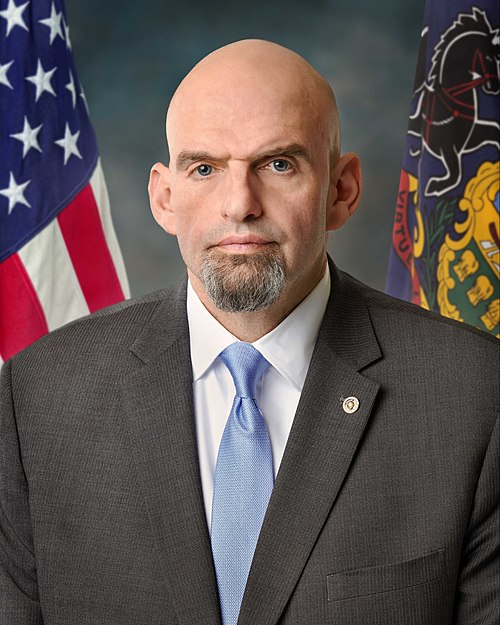
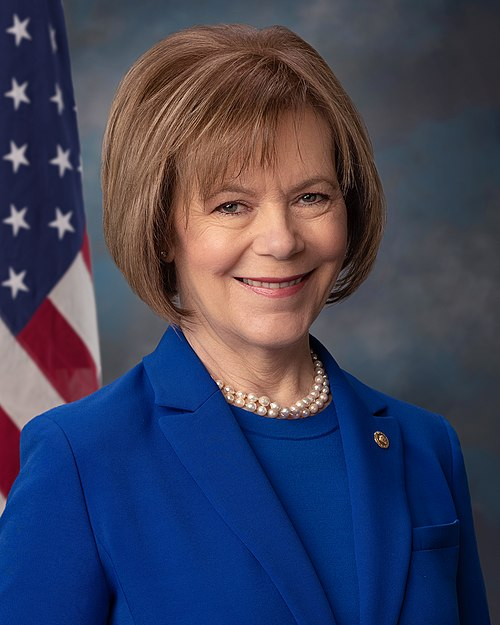
5 bill sponsors



Actions
2 actions
| Date | Action |
|---|---|
| Jul. 23, 2026 | Introduced in Senate |
| Jul. 23, 2026 | Read twice and referred to the Committee on Agriculture, Nutrition, and Forestry. |
Corporate Lobbying
0 companies lobbying
None found.
* Note that there can be significant delays in lobbying disclosures, and our data may be incomplete.
Potentially Relevant Congressional Stock Trades
No relevant congressional stock trades found.