
S. 5121: Supreme Court Ethics Act
This bill would create new ethics rules and oversight procedures for federal judges and Supreme Court justices.
What it would require
- Within one year, the Judicial Conference of the United States would have to issue a formal code of conduct for federal judges.
- Within one year, the Supreme Court would have to issue its own code of conduct for Supreme Court justices.
- Both codes would have to, at minimum, include the basic recusal and disqualification requirements already found in section 455 of title 28, which covers when a judge should step aside from a case because of possible bias or conflicts of interest.
New ethics oversight office
- After the Supreme Court adopts its code of conduct, the Court would have to appoint an Ethics Investigations Counsel within 90 days.
- This person would be responsible for helping enforce the Supreme Court’s ethics code.
- The counsel would have to create a process for members of the public to submit information about possible violations by Supreme Court justices.
- Submissions would have to be accepted both electronically and by mail.
- The Ethics Investigations Counsel would investigate possible violations of the code and other conduct that could harm the ethical, effective, or timely operation of the Supreme Court.
- The counsel would serve a renewable 4-year term and could be removed only for cause by the Supreme Court.
- With the Chief Justice’s approval, the counsel could hire assistants and could also retain outside lawyers to help with investigations.
- The counsel would have to issue an annual public report describing complaints or information received and any steps taken to investigate, resolve, or address them.
Recusal disclosures
- If a Supreme Court justice steps aside from a case under section 455, the justice would have to publicly state the reasons in the case record.
- If a justice refuses a party’s request that the justice be disqualified, the justice would also have to explain the reasons in the public record.
Practical effect
In plain terms, the bill would require the Supreme Court and the broader federal judiciary to adopt formal ethics codes, create a new office to review possible Supreme Court ethics issues, and make Supreme Court recusals and refusals to recuse more transparent to the public.
Relevant Companies
None found
This is an AI-generated summary of the bill text. There may be mistakes.
Sponsors
15 bill sponsors
-
TrackChristopher Murphy
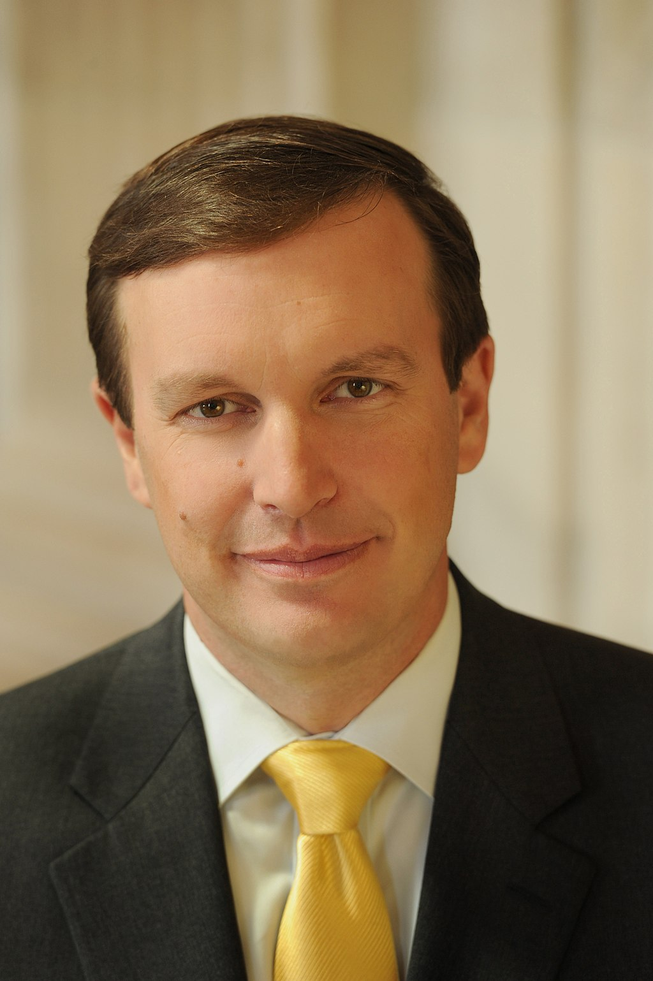
Sponsor
-
TrackTammy Baldwin

Co-Sponsor
-
TrackRichard J. Durbin
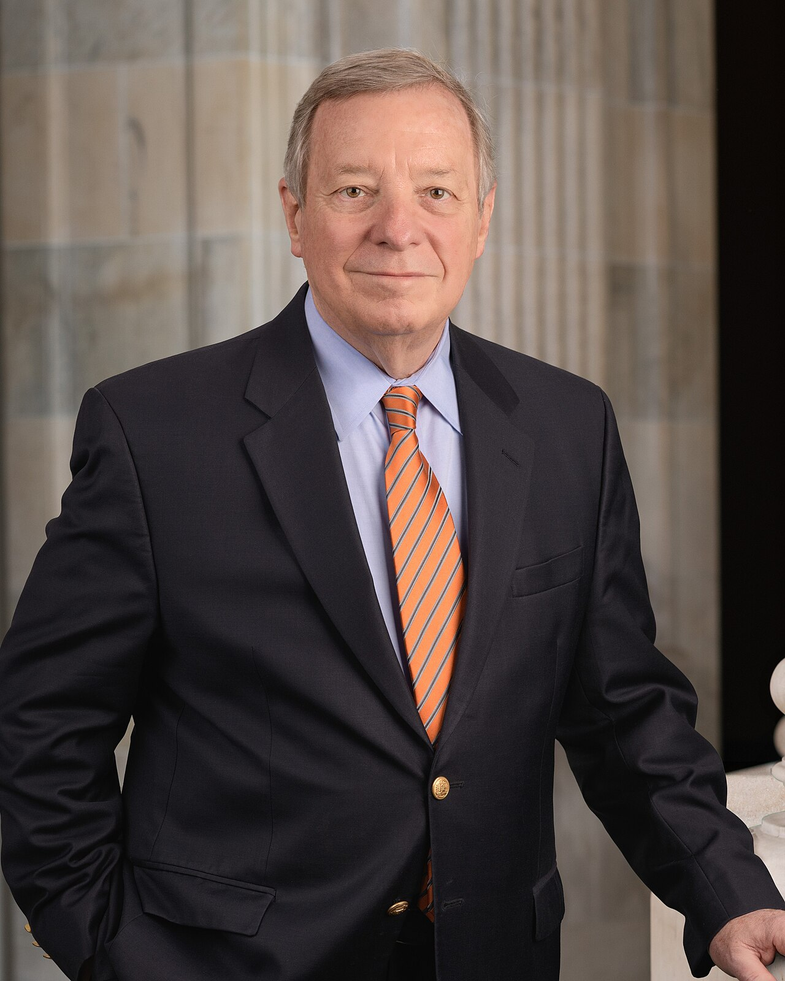
Co-Sponsor
-
TrackKirsten E. Gillibrand

Co-Sponsor
-
TrackMartin Heinrich

Co-Sponsor
-
TrackJohn W. Hickenlooper

Co-Sponsor
-
TrackAmy Klobuchar
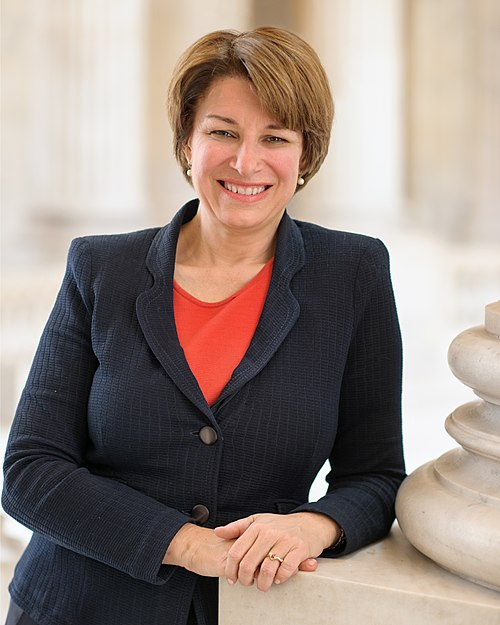
Co-Sponsor
-
TrackEdward J. Markey
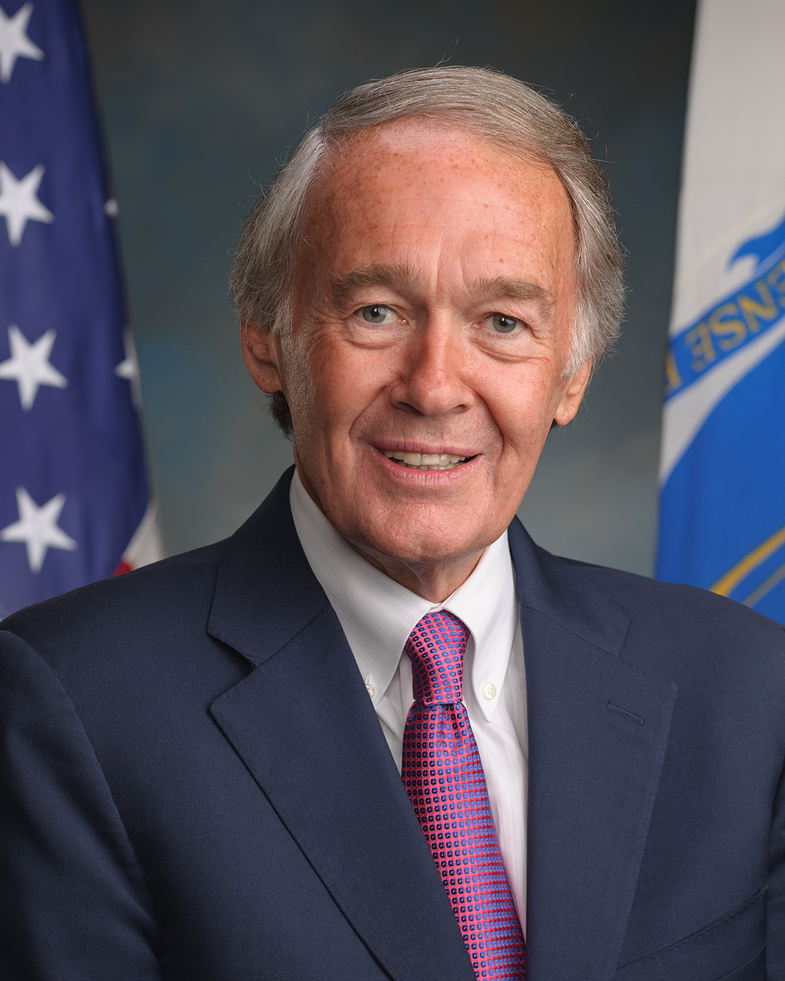
Co-Sponsor
-
TrackBernard Sanders

Co-Sponsor
-
TrackAdam B. Schiff
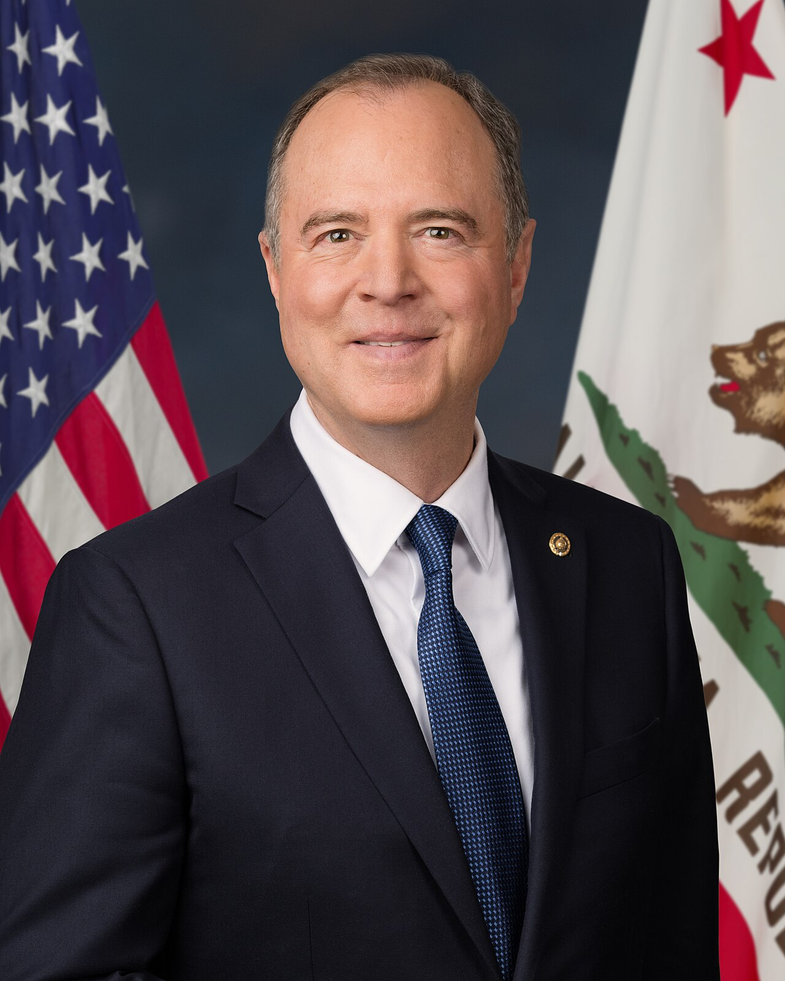
Co-Sponsor
-
TrackJeanne Shaheen
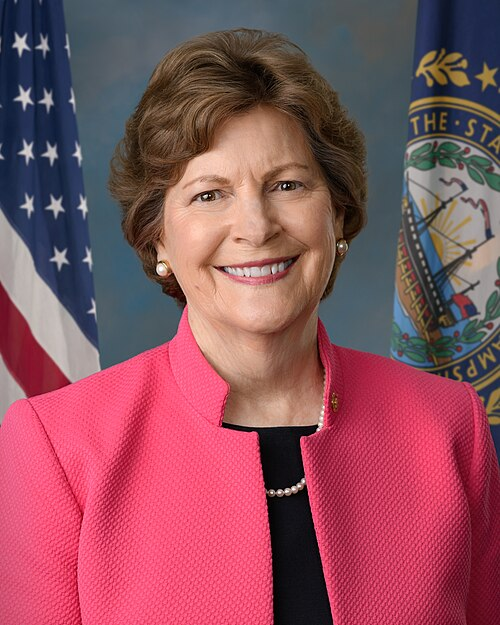
Co-Sponsor
-
TrackTina Smith
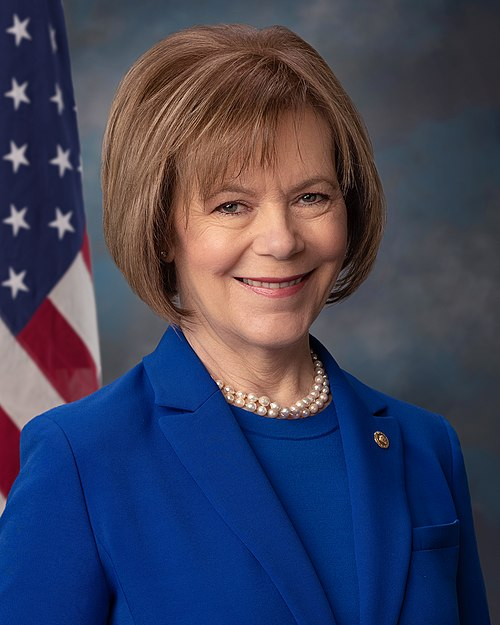
Co-Sponsor
-
TrackChris Van Hollen
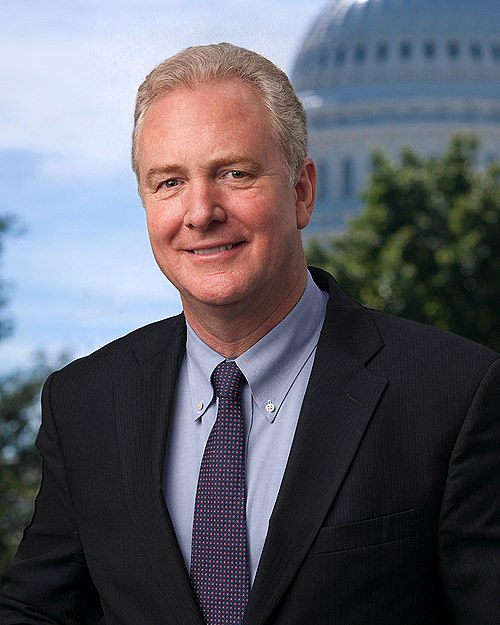
Co-Sponsor
-
TrackPeter Welch
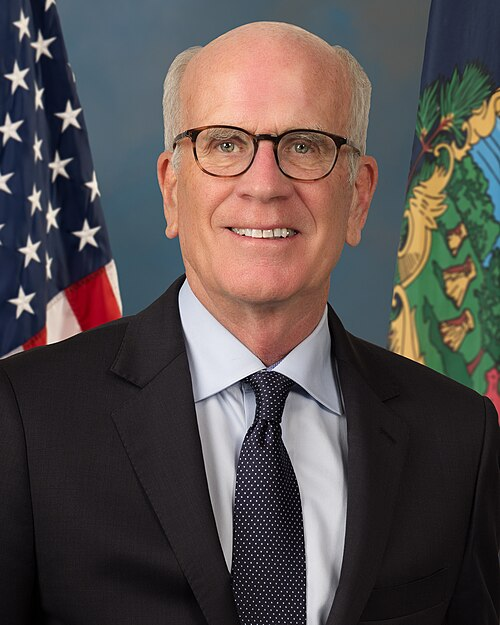
Co-Sponsor
-
TrackRon Wyden
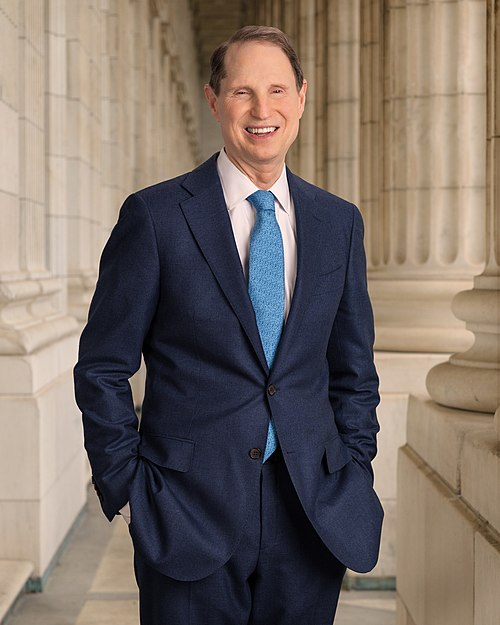
Co-Sponsor
Actions
2 actions
| Date | Action |
|---|---|
| Jul. 23, 2026 | Introduced in Senate |
| Jul. 23, 2026 | Read twice and referred to the Committee on the Judiciary. |
Corporate Lobbying
0 companies lobbying
None found.
* Note that there can be significant delays in lobbying disclosures, and our data may be incomplete.
Potentially Relevant Congressional Stock Trades
No relevant congressional stock trades found.