S. 4974: Making America's Food Safer Act
This bill would change federal food safety law in a few main ways:
- Expand third-party food safety certifications. It broadens the program that lets accredited outside auditors certify food facilities and foods. More foreign and domestic entities in the food supply chain could choose to be audited, and the government could use those certifications not only for import-related purposes, but also to help determine whether food or facilities meet other certification needs under the law.
- Give FDA more flexibility in using audit results. The FDA would be allowed to use certifications from accredited third-party auditors to help decide whether imported food meets legal requirements and whether a foreign facility qualifies for the voluntary qualified importer program. The agency could also consider audit results when deciding where to focus inspections and other oversight actions.
- Require a system to recognize accreditation bodies. Within two years, the Secretary of Health and Human Services would have to set up a system for recognizing organizations that accredit third-party auditors.
- Let FDA share more food safety information with state and local authorities. The bill would allow the FDA to share unredacted information with state, local, tribal, and territorial agencies that have related public health duties. This could include foodborne illness surveillance data, lab testing results, inspection findings, recall and outbreak distribution lists, consumer complaints, and other information the Secretary believes would help protect the public. The receiving agencies generally could not share it further unless needed to contain an outbreak, carry out a recall, or do other state enforcement work.
- Allow destruction of certain refused imported goods. If an imported article is refused entry and violates the law, the Secretary of Health and Human Services could order it destroyed without allowing it to be exported first, if the item is found to pose a significant public health concern. The bill would require regulations giving the owner or consignee notice and an opportunity to respond before destruction. The owner or consignee would have to complete the destruction within 90 days and pay the costs.
In practical terms, the bill would give federal regulators more tools to use outside certification, share information more freely with other public health authorities, and deal more quickly with certain unsafe imported food products.
Relevant Companies
- None found
This is an AI-generated summary of the bill text. There may be mistakes.
Show More
Sponsors
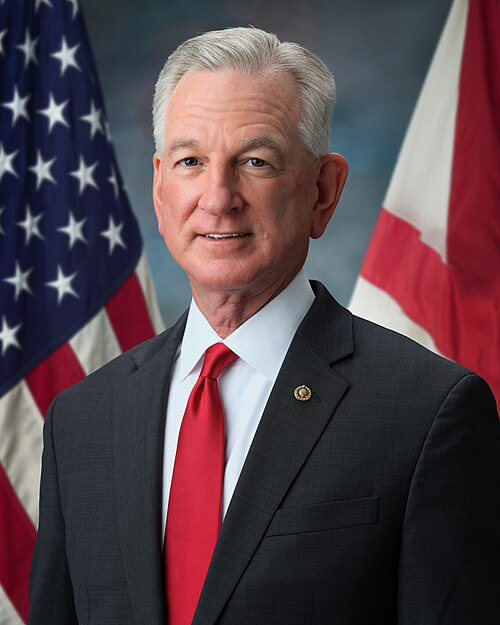
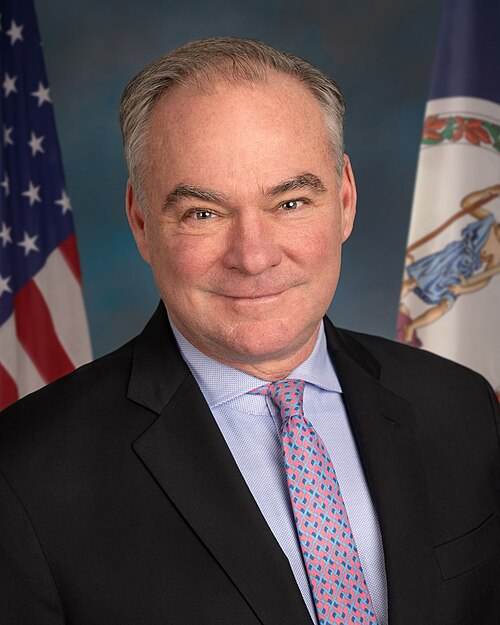
3 bill sponsors

Actions
10 actions
| Date | Action |
|---|---|
| Oct. 05, 2026 | Held at the desk. |
| Oct. 05, 2026 | Message on Senate action sent to the House. |
| Oct. 05, 2026 | Received in the House. |
| Sep. 28, 2026 | Passed/agreed to in Senate: Passed Senate with an amendment by Unanimous Consent. (consideration: CR S5121-5122; text: CR S5121-5122) |
| Sep. 28, 2026 | Passed Senate with an amendment by Unanimous Consent. (consideration: CR S5121-5122; text: CR S5121-5122) |
| Jul. 28, 2026 | Committee on Health, Education, Labor, and Pensions. Reported by Senator Cassidy with an amendment in the nature of a substitute. Without written report. |
| Jul. 28, 2026 | Placed on Senate Legislative Calendar under General Orders. Calendar No. 530. |
| Jul. 22, 2026 | Committee on Health, Education, Labor, and Pensions. Ordered to be reported with an amendment in the nature of a substitute favorably. |
| Jul. 14, 2026 | Introduced in Senate |
| Jul. 14, 2026 | Read twice and referred to the Committee on Health, Education, Labor, and Pensions. |
Corporate Lobbying
0 companies lobbying
None found.
* Note that there can be significant delays in lobbying disclosures, and our data may be incomplete.
Potentially Relevant Congressional Stock Trades
No relevant congressional stock trades found.