
S. 4836: SNAP Staffing Flexibility Act of 2026
This bill would change how state agencies can staff and manage parts of the Supplemental Nutrition Assistance Program (SNAP), which provides food benefits to eligible people.
What it would allow
Under current law, many SNAP functions are handled by state agency employees. This bill would let state agencies hire private contractors, by contract, to help with SNAP eligibility determinations and other SNAP-related duties in certain situations.
When contractors could be used
A state agency could use contractors if it:
- has a surge in SNAP applications; or
- cannot process applications quickly enough because of:
- a pandemic or other health emergency,
- a seasonal increase or cycle in workforce needs,
- a temporary staffing shortage, or
- weather or another natural disaster.
Limits on contractor use
The bill sets several conditions for using contractors:
- Contracts cannot create incentives to delay application decisions or deny benefits to people who are otherwise eligible.
- States cannot hire contractors who have a direct or indirect financial interest in approved food stores or wholesale food businesses in the state.
- Contracts must be for a reasonable cost and follow the state agency’s normal contracting rules.
- The use of contractors must follow federal workforce-management principles.
- Contractors must be part of a blended government workforce and cannot replace existing merit-based government employees.
Special rule for temporary staffing shortages
If contractors are hired because of a temporary staffing shortage, the authority to use them would end once the backlog of SNAP applications has been cleared. The bill also says this authority would not affect existing collective bargaining agreements or memoranda of understanding between the state and its employees.
Notice and reporting requirements
If a state uses contractors under this bill, it would have to notify the Secretary of Agriculture and explain the reason for doing so. The Department of Agriculture would then have to post that notice and related information on its website within 10 days.
The Secretary of Agriculture would also have to submit an annual report to Congress describing:
- what states did to handle application increases;
- why states were unable to process applications on time, when applicable;
- the information submitted with each contractor-use notification; and
- any recommended changes to help states prepare for future application surges or processing problems.
Relevant Companies
None found
This is an AI-generated summary of the bill text. There may be mistakes.
Sponsors
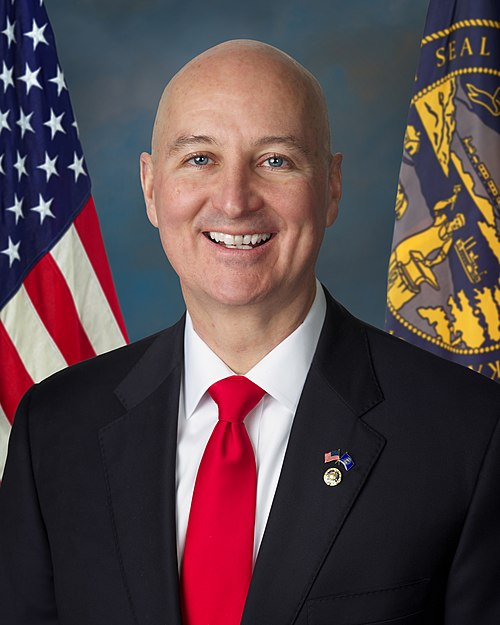
1 sponsor
Actions
2 actions
| Date | Action |
|---|---|
| Jun. 18, 2026 | Introduced in Senate |
| Jun. 18, 2026 | Read twice and referred to the Committee on Agriculture, Nutrition, and Forestry. |
Corporate Lobbying
0 companies lobbying
None found.
* Note that there can be significant delays in lobbying disclosures, and our data may be incomplete.
Potentially Relevant Congressional Stock Trades
No relevant congressional stock trades found.