S. 4588: Taxing Buybacks from Big Oil Windfalls Act
This bill, known as the Taxing Buybacks from Big Oil Windfalls Act, proposes changes to the tax treatment of stock buybacks conducted by large oil and gas companies.
Key Provisions of the Bill
- Increased Excise Tax Rate: The bill aims to raise the excise tax on stock repurchase activities by applicable corporations in the oil and gas sector from the current rate of 1% to 25%.
- Criteria for Applicable Corporations: The legislation defines an "applicable corporation" as any corporation that meets two specific criteria:
- It must have average annual gross receipts of $1 billion or more over the past three taxable years.
- It must primarily be engaged in one or more trades or businesses related to oil or natural gas.
- Definition of Oil or Natural Gas Business: The bill specifies that an oil or natural gas trade or business includes activities such as:
- Production of oil or natural gas
- Refining of oil or natural gas
- Processing of oil or natural gas
- Transportation of oil or natural gas
- Distribution of oil or natural gas
- Timing of Applicability: The increased tax rate will apply to stock buybacks made after the bill becomes law but before the price of gasoline falls below a certain threshold ($2.937 per gallon) for five consecutive weeks.
- Adjustment for Mixed Periods: There are provisions for determining the tax implications across taxable years that include both periods when the harder tax rate applies and periods when it does not.
Goals of the Bill
The intention behind this legislation is to impose a significant tax penalty on stock buybacks by the largest oil and gas corporations, potentially redirecting funds from corporate stock repurchases to other uses, such as investments in production or reducing consumer prices. The aim may also be to address public concerns regarding high gasoline prices and the perceived excess profits of these corporations during periods of economic hardship.
Implementation and Implications
Once enacted, corporations meeting the criteria outlined will need to adjust their financial strategies regarding stock buybacks. Companies may need to evaluate the financial implications of this increased tax burden on their operations and shareholder returns.
Revenue Generation
The added tax revenue from this legislation is expected to contribute to, or offset, government spending, particularly initiatives directed toward energy or environmental concerns.
Relevant Companies
- XOM (Exxon Mobil Corporation) - As one of the largest publicly traded oil companies, ExxonMobil would face the new 25% tax rate on stock buybacks, which could impact its financial strategies and dividend policies.
- CVX (Chevron Corporation) - Similar to Exxon, Chevron would be significantly impacted by the increased excise tax on stock repurchases, potentially influencing its capital allocation decisions.
- BP (BP p.l.c.) - BP's stock buyback plans could be curtailed due to the added tax liability, affecting its overall financing and investment strategies.
- SLB (SLB Ltd) - As an oil service company that may also engage in stock buybacks, SLB could be subject to the new tax regime if it meets the applicable criteria.
This is an AI-generated summary of the bill text. There may be mistakes.
Sponsors
17 bill sponsors
-
TrackRon Wyden

Sponsor
-
TrackMichael F. Bennet

Co-Sponsor
-
TrackRichard Blumenthal
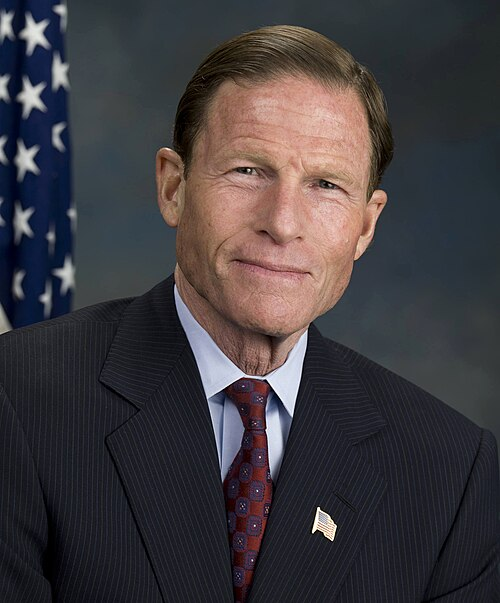
Co-Sponsor
-
TrackLisa Blunt Rochester

Co-Sponsor
-
TrackCory A. Booker

Co-Sponsor
-
TrackMazie K. Hirono

Co-Sponsor
-
TrackAndy Kim

Co-Sponsor
-
TrackAmy Klobuchar

Co-Sponsor
-
TrackEdward J. Markey

Co-Sponsor
-
TrackJeff Merkley

Co-Sponsor
-
TrackJack Reed

Co-Sponsor
-
TrackBrian Schatz

Co-Sponsor
-
TrackCharles E. Schumer

Co-Sponsor
-
TrackTina Smith
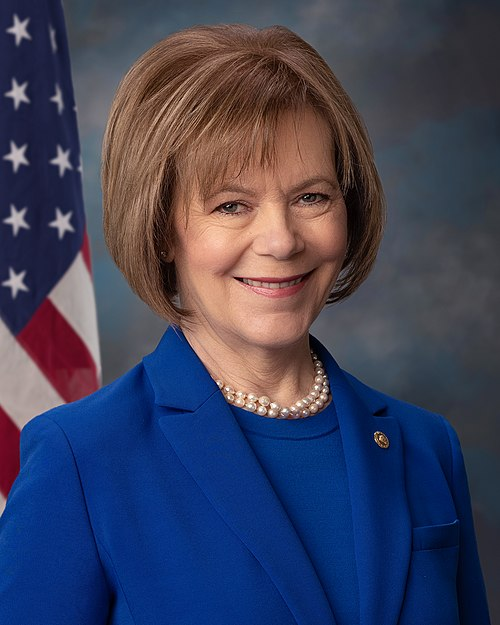
Co-Sponsor
-
TrackChris Van Hollen

Co-Sponsor
-
TrackPeter Welch

Co-Sponsor
-
TrackSheldon Whitehouse

Co-Sponsor
Actions
2 actions
| Date | Action |
|---|---|
| May. 20, 2026 | Introduced in Senate |
| May. 20, 2026 | Read twice and referred to the Committee on Finance. |
Corporate Lobbying
0 companies lobbying
None found.
* Note that there can be significant delays in lobbying disclosures, and our data may be incomplete.