
S. 4154: Research and Oversight of AI in Courts Act of 2026
This bill, known as the Research and Oversight of AI in Courts Act of 2026, aims to explore the legal and ethical dimensions of using artificial intelligence (AI) speech-to-text technology and automatic speech recognition technology within the United States judicial system. The principal actions outlined in the bill include:
Establishment of a Task Force
The bill mandates the creation of a task force named the "AI Research and Oversight in Courts Task Force." This task force is to be established by the Attorney General within 60 days of the bill's enactment. Its purpose is to:
- Analyze the issues and benefits associated with AI speech-to-text and automatic speech recognition technologies in courts.
- Review how these technologies are currently used in the judicial system.
- Provide recommendations to Congress and other branches of government based on its findings.
Task Force Duties
The task force will carry out several specific duties, including:
- Assess policy, regulatory, and legal findings regarding the use of AI technologies in the judicial system.
- Make recommendations for reforms to safeguard rights guaranteed by the Constitution, including the right to an accurate court record.
Composition of the Task Force
The task force will consist of 15 members, divided into two categories:
- 4 members from the Federal Government, including representatives from various judicial roles such as clerks and judges.
- 11 non-governmental members with expertise in judicial record-keeping and civil liberties. Notably, these members cannot be affiliated with companies that develop or provide AI technologies.
Final Report Requirements
The task force is required to submit a final report within 18 months after its establishment. This report must address:
- The impact of AI technologies on the accuracy of court records.
- Implications for individuals with speech impediments or unique speech patterns.
- Cost impacts for litigants associated with using these technologies.
- Cybersecurity and data integrity risks linked to AI-assisted court records.
- Guidance on vendor selection for AI technology in the judicial system.
- Potential changes to policies considering advancements in AI technology over the next decade.
Status Reporting and Oversight
Additionally, the task force must provide status reports to congressional committees every four months until the final report is submitted, ensuring ongoing transparency and accountability regarding its progress and findings.
Term and Definitions
The task force will disband upon submitting its final report. The bill also outlines definitions for AI speech-to-text technology and automatic speech recognition technology, clarifying the scope and focus of the task force's work.
Relevant Companies
None found:
This is an AI-generated summary of the bill text. There may be mistakes.
Sponsors
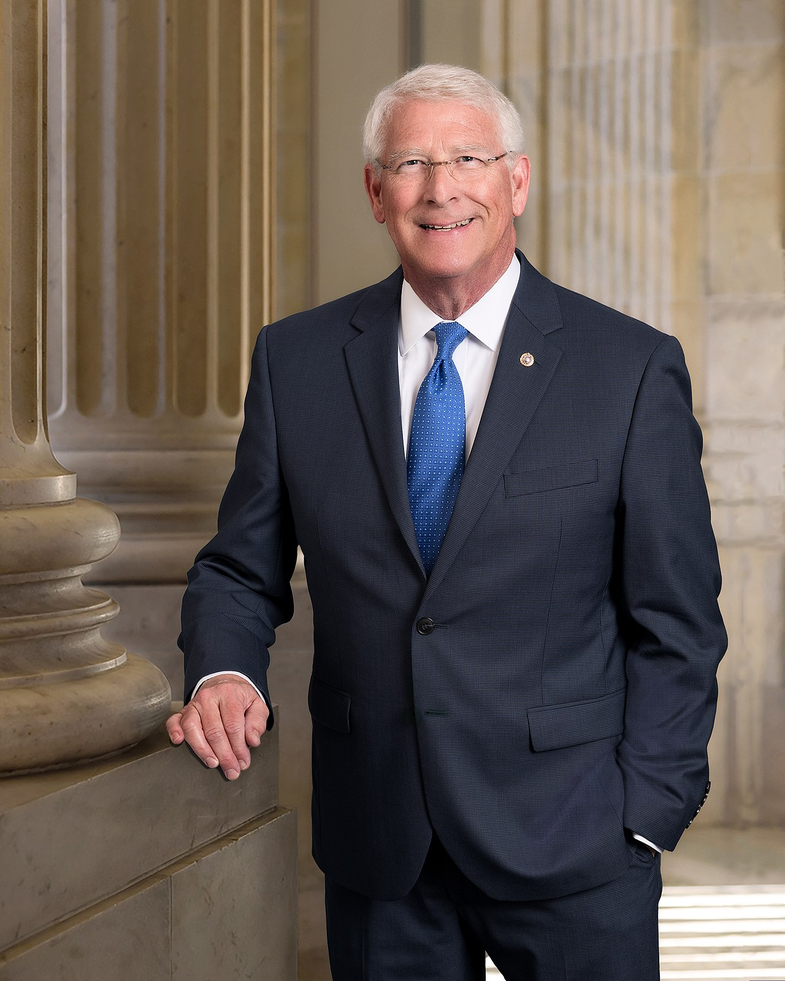
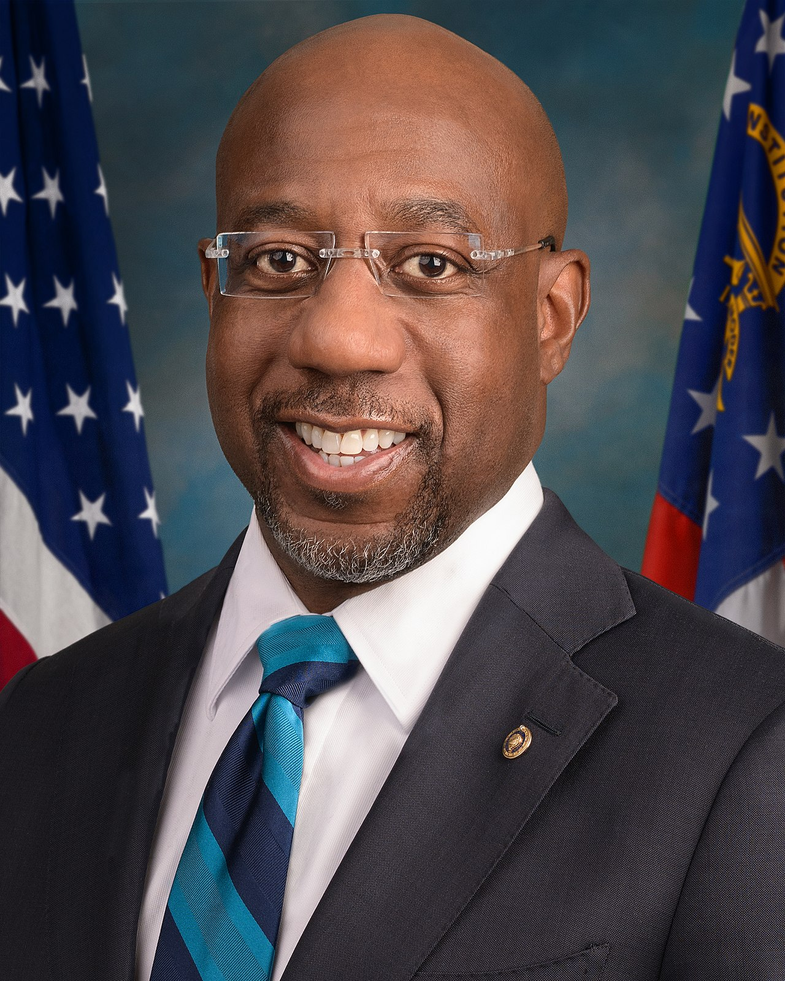
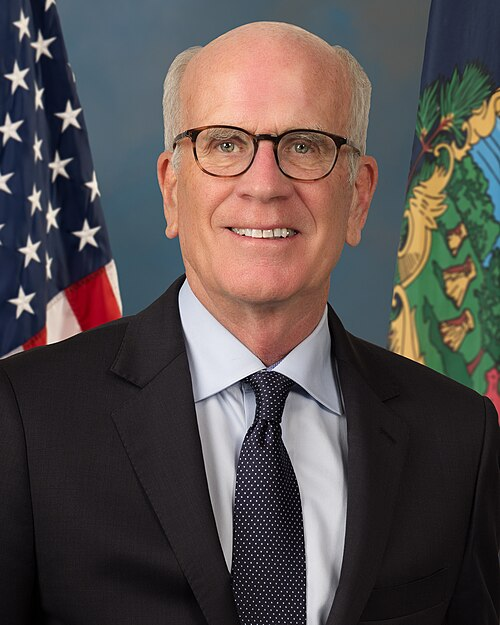
4 bill sponsors

Actions
2 actions
| Date | Action |
|---|---|
| Mar. 19, 2026 | Introduced in Senate |
| Mar. 19, 2026 | Read twice and referred to the Committee on the Judiciary. |
Corporate Lobbying
0 companies lobbying
None found.
* Note that there can be significant delays in lobbying disclosures, and our data may be incomplete.
Potentially Relevant Congressional Stock Trades
No relevant congressional stock trades found.