S. 4025: Addressing Teacher Shortages Act of 2026
This bill, known as the Addressing Teacher Shortages Act of 2026, aims to tackle the pressing issue of teacher shortages across the United States, especially in rural and underserved communities. Here are the key provisions and details highlighted in the bill:
Purpose and Goals
The primary objective of the bill is to support the preparation and retention of educators in various fields. The focus is on improving educational outcomes for children and youth in under-resourced communities, which often struggle to find qualified teachers.
Identified Issues
- Teacher Shortage: There is a notable shortage of teachers, particularly in STEM fields, special education, and English as a second language. This shortage is exacerbated by high attrition rates among teachers.
- Rural Challenges: Rural schools face unique difficulties in hiring and keeping teachers due to geographical isolation, insufficient funding, and challenging working conditions.
- Diversity Concern: There is a concern about the lack of racial diversity within the teaching workforce compared to the diversity of the student population.
Key Programs Established
The bill establishes a new federal program, the Addressing Teacher Shortages Program, which will provide competitive grants to eligible educational entities to execute specific activities aimed at addressing these shortages. This encompasses:
- Teaching Residencies: Programs designed to support teacher candidates through focused teaching experiences, possibly covering tuition and providing a salary in exchange for teaching commitments.
- Mentoring Programs: Initiatives to establish mentorship for new teachers, enhancing support during their initial years in the profession.
- Grow Your Own Programs: Efforts to recruit and prepare local residents for teaching roles, thereby fostering a community-based approach to staffing.
- Partnerships with Educational Institutions: Collaboration with local colleges and universities to strengthen teacher preparation pathways.
Eligibility and Grant Process
Eligible entities that can apply for these grants include local educational agencies and consortia. The application process involves detailing the intended use of funds, which can include establishing or expanding teaching residency and mentoring programs, covering costs of preparing and submitting applications, and more.
Evaluation and Reporting Requirements
Grant recipients must establish an evaluation plan outlining performance objectives such as retention rates for educators, pass rates for state licensure, and the demographics of participating teachers. Regular reporting on these objectives will be required to assess the effectiveness of the funded programs.
Funding and Support
The bill authorizes necessary appropriations for the fiscal years from 2027 through 2032 to ensure the implementation of its provisions. Additionally, the Secretary of Education is tasked with ensuring support specifically aimed at under-resourced entities during the grant application process.
Sense of Congress
The bill expresses that teaching should be recognized as a legitimate career pathway within career and technical education frameworks, allowing for more comprehensive educational pathways for prospective teachers, especially in STEM fields.
Relevant Companies
None found.
This is an AI-generated summary of the bill text. There may be mistakes.
Sponsors
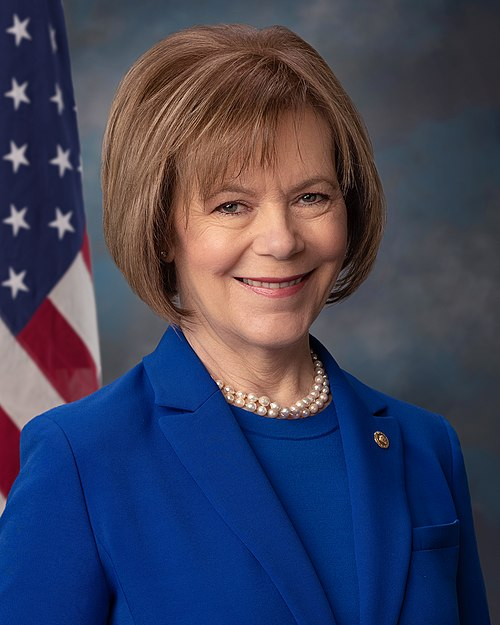
1 sponsor
Actions
2 actions
| Date | Action |
|---|---|
| Mar. 09, 2026 | Introduced in Senate |
| Mar. 09, 2026 | Read twice and referred to the Committee on Health, Education, Labor, and Pensions. |
Corporate Lobbying
0 companies lobbying
None found.
* Note that there can be significant delays in lobbying disclosures, and our data may be incomplete.
Potentially Relevant Congressional Stock Trades
No relevant congressional stock trades found.