
S. 4009: Falun Gong and Victims of Forced Organ Harvesting Protection Act
This bill, titled the Falun Gong and Victims of Forced Organ Harvesting Protection Act, proposes measures aimed at addressing the issue of forced organ harvesting practices occurring in the People's Republic of China (PRC). Here’s a summary of what the bill entails:
Definitions
The bill defines key terms such as:
- Forced organ harvesting: The removal of organs from an individual through coercion, deception, or abuse of power.
- Organ: Refers to human organs as defined in the National Organ Transplant Act.
Imposition of Sanctions
The bill mandates that the President impose sanctions against individuals identified as engaging in or facilitating forced organ harvesting in China. The key components include:
- Sanction List: Within 180 days of the bill’s enactment, the President must create and submit a list of individuals who have participated in these activities.
- Regular Updates: This list must be updated as new information arises, at least annually.
Types of Sanctions
The bill specifies types of sanctions to be enacted:
- Blocking of Property: The President can block transactions involving property and interests belonging to listed foreign persons within the U.S.
- Visa Ineligibility: Individuals on the list will be ineligible for visas and entry into the U.S. Additionally, any existing visas will be revoked.
Exceptions to Sanctions
Some exceptions are provided in the sanctions policy:
- Sanctions do not apply to humanitarian assistance, such as the sale of food, medicine, and aid.
- The President can waive certain sanctions if deemed necessary for national security.
Reporting Requirements
The bill requires the Secretary of State, in consultation with health officials, to report on the organ transplant policies and practices in China, including:
- Summary of current policies regarding organ transplantation.
- Data on the number of transplants and donors.
- Assessment of organ sources and availability for transplantation.
Limitations on Importation of Goods
The sanctions do not extend to the importation of goods, indicating that trade of goods will not be impacted by this legislation.
Duration of Sanctions Authority
The authority to impose sanctions will expire five years after the enactment of the bill.
Relevant Companies
None found
This is an AI-generated summary of the bill text. There may be mistakes.
Sponsors
12 bill sponsors
-
TrackTed Cruz
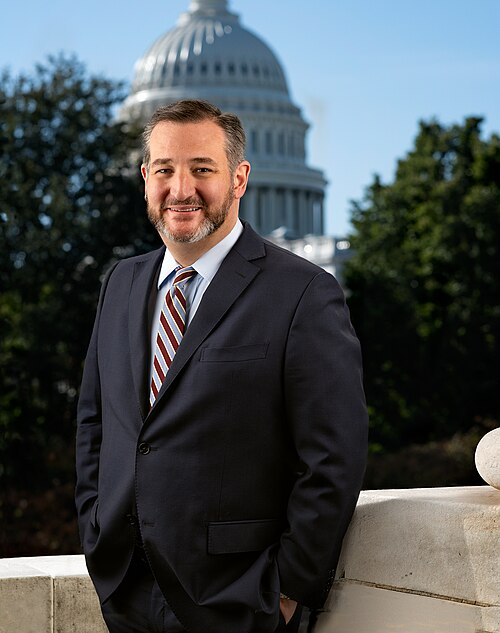
Sponsor
-
TrackCatherine Cortez Masto
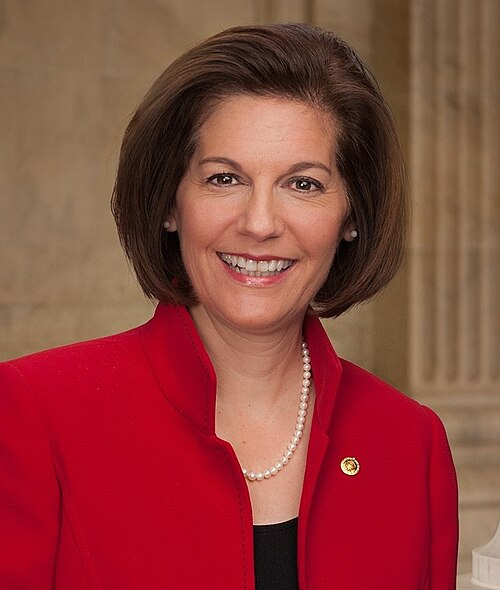
Co-Sponsor
-
TrackRon Johnson
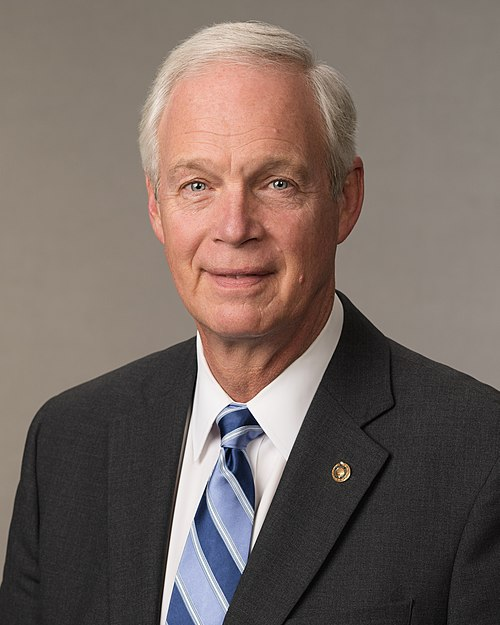
Co-Sponsor
-
TrackJames Lankford
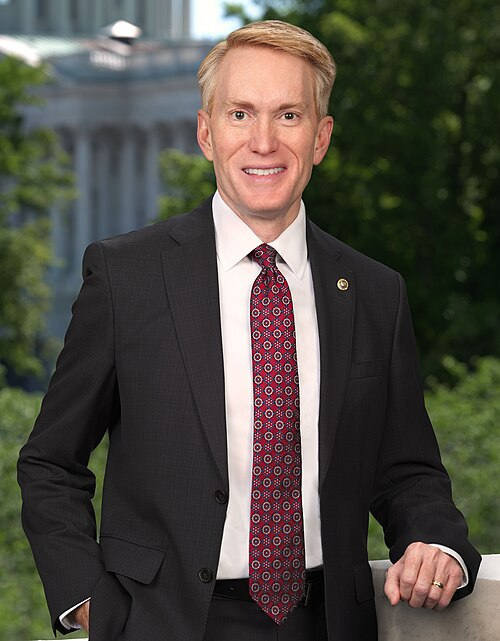
Co-Sponsor
-
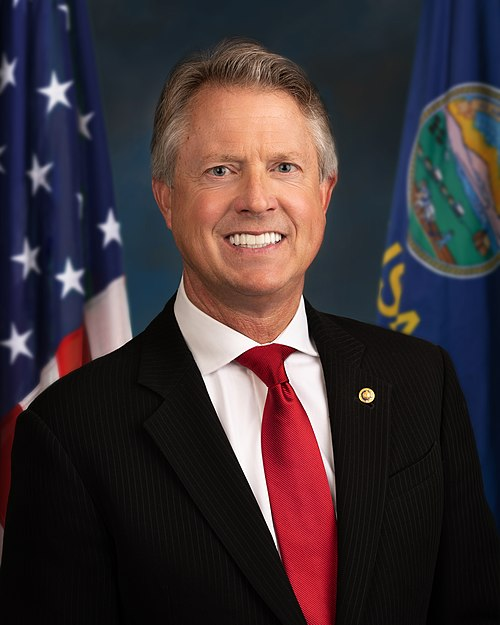
TrackRoger Marshall
Co-Sponsor
-
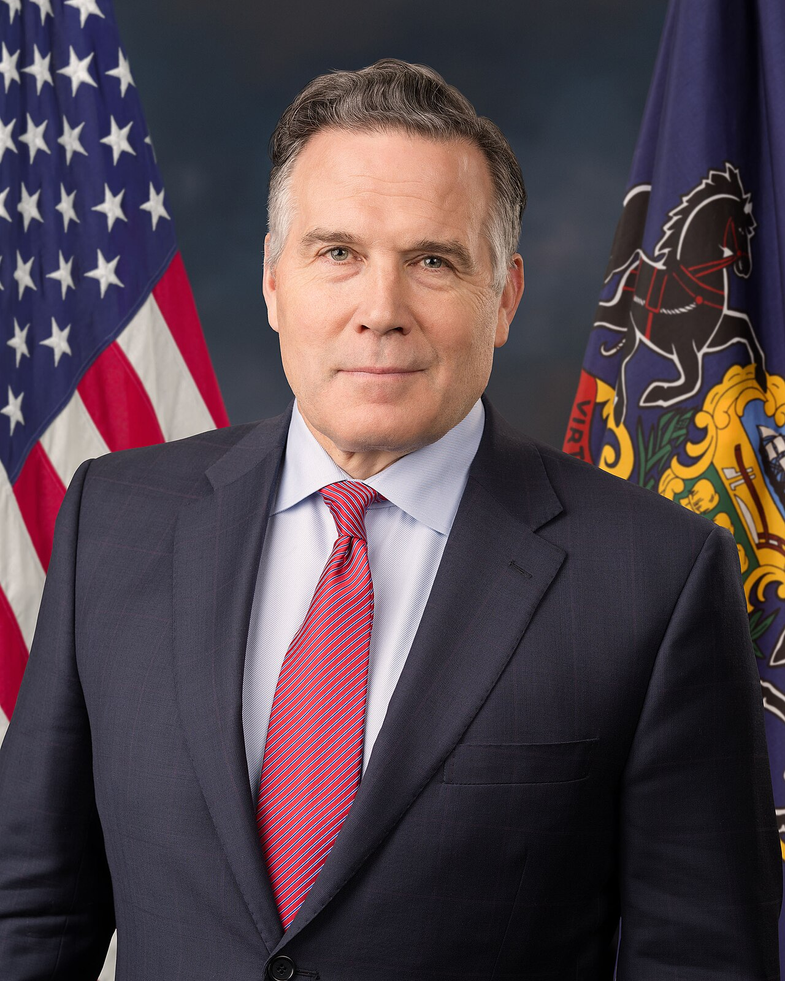
TrackDavid McCormick
Co-Sponsor
-
TrackJeff Merkley

Co-Sponsor
-
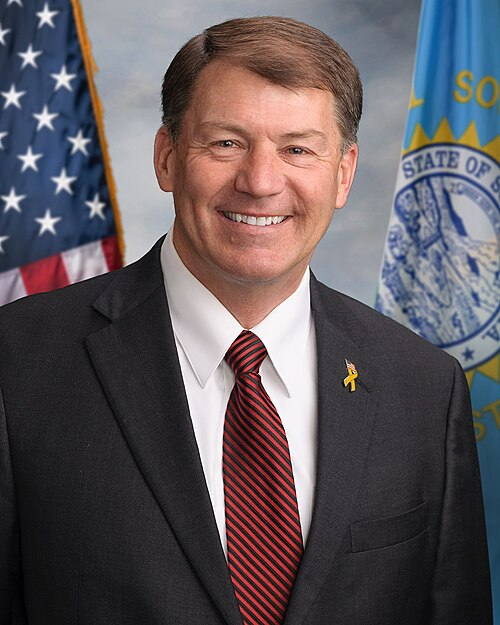
TrackMike Rounds
Co-Sponsor
-
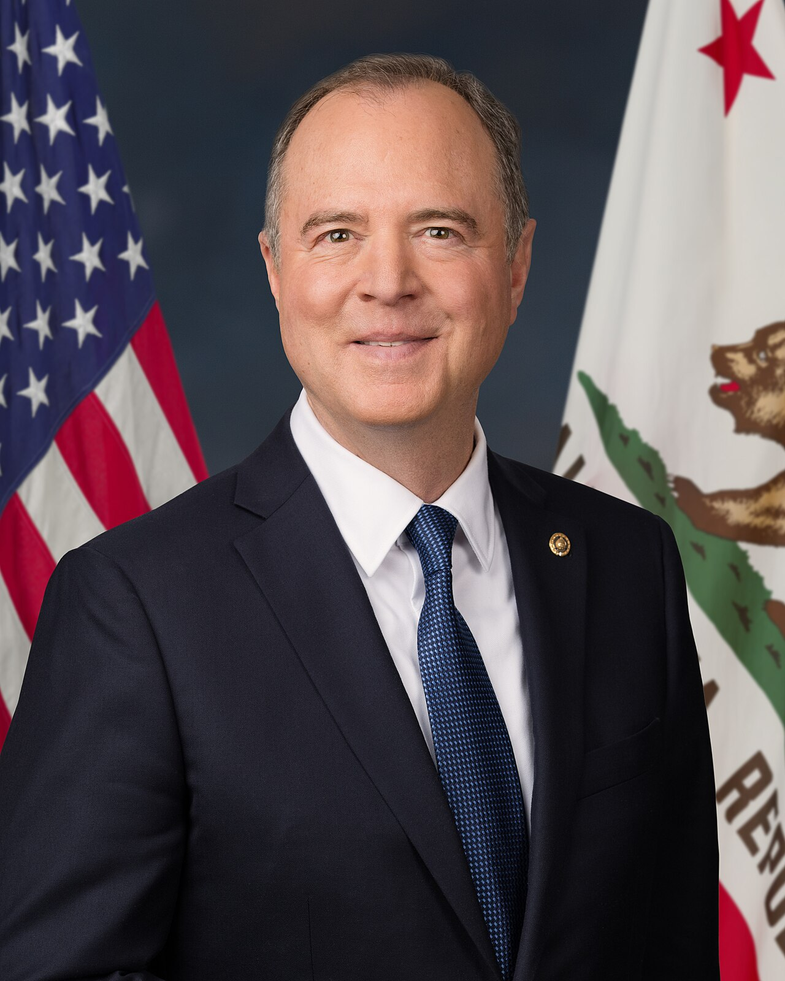
TrackAdam B. Schiff
Co-Sponsor
-
TrackRaphael G. Warnock
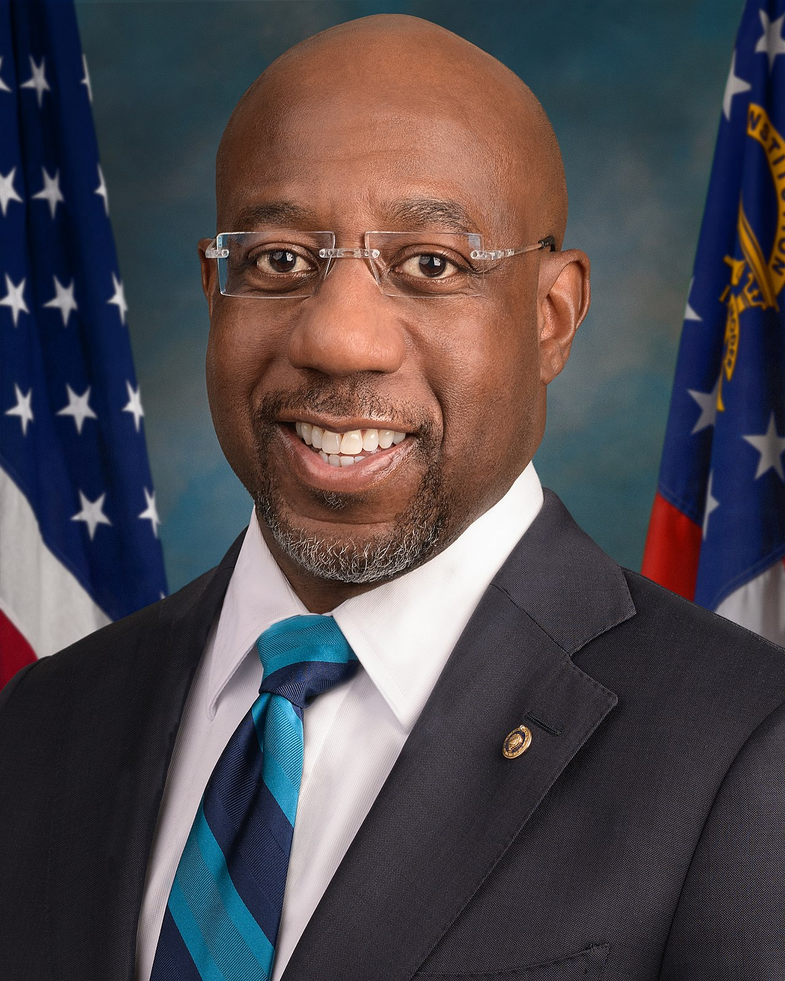
Co-Sponsor
-
TrackRon Wyden

Co-Sponsor
-
TrackTodd Young
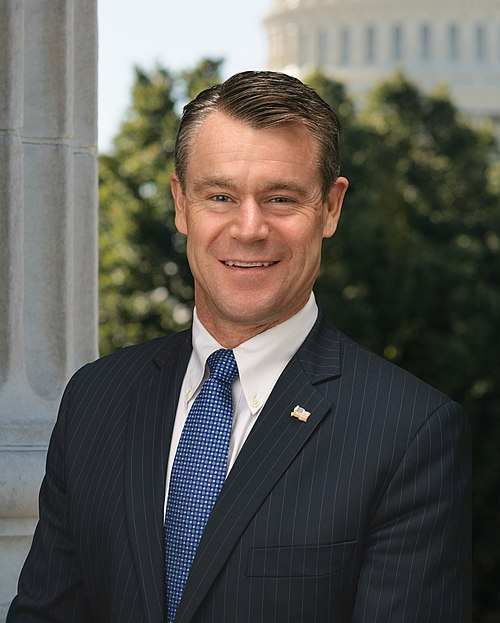
Co-Sponsor
Actions
10 actions
| Date | Action |
|---|---|
| Oct. 05, 2026 | Held at the desk. |
| Oct. 05, 2026 | Message on Senate action sent to the House. |
| Oct. 05, 2026 | Received in the House. |
| Sep. 28, 2026 | Passed/agreed to in Senate: Passed Senate with an amendment by Unanimous Consent. (consideration: CR S5120-5121; text: CR S5120-5121) |
| Sep. 28, 2026 | Passed Senate with an amendment by Unanimous Consent. (consideration: CR S5120-5121; text: CR S5120-5121) |
| Jul. 27, 2026 | Committee on Foreign Relations. Reported by Senator Risch with an amendment in the nature of a substitute. Without written report. |
| Jul. 27, 2026 | Placed on Senate Legislative Calendar under General Orders. Calendar No. 506. |
| Jun. 17, 2026 | Committee on Foreign Relations. Ordered to be reported with an amendment in the nature of a substitute favorably. |
| Mar. 05, 2026 | Introduced in Senate |
| Mar. 05, 2026 | Read twice and referred to the Committee on Foreign Relations. |
Corporate Lobbying
0 companies lobbying
None found.
* Note that there can be significant delays in lobbying disclosures, and our data may be incomplete.
Potentially Relevant Congressional Stock Trades
No relevant congressional stock trades found.