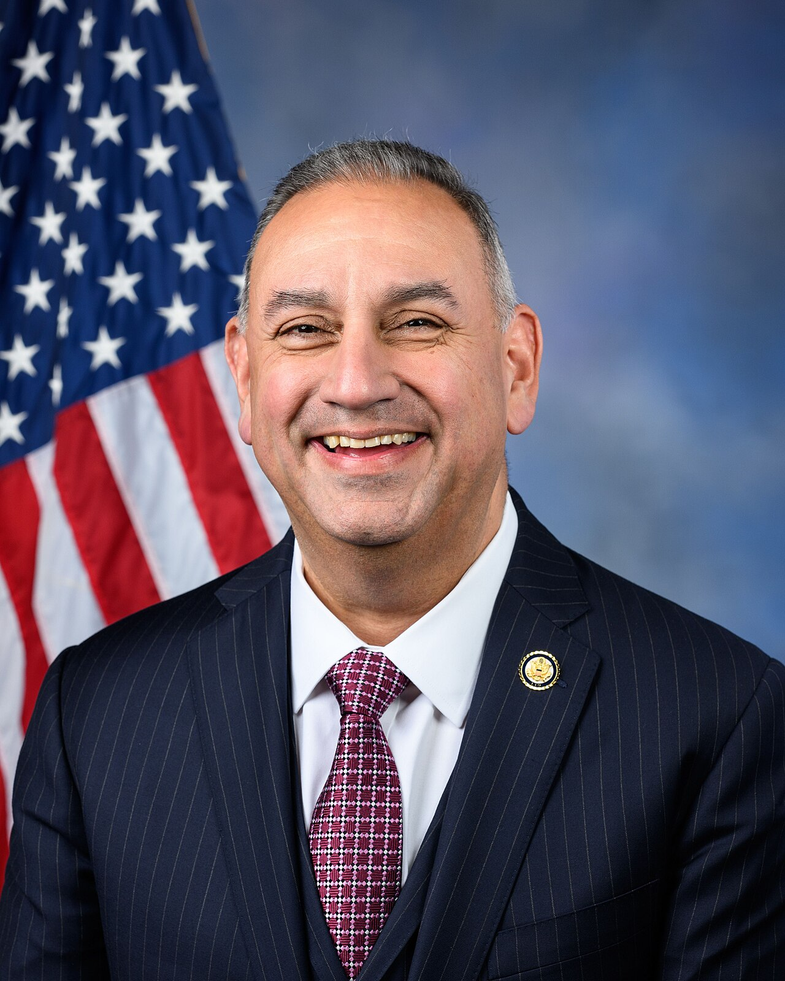
S. 3988: Veterans Spinal Trauma Access to New Devices Act
This bill, titled the Veterans Spinal Trauma Access to New Devices Act
, aims to enhance support for veterans who have spinal cord injuries or disorders. Here are the key components of the bill:
Annual Preventative Health Evaluations
The bill mandates that the Secretary of Veterans Affairs provide an annual preventative health evaluation for veterans with spinal cord injuries or disorders. Veterans who choose to participate in this evaluation will receive:
- An assessment of any health risks related to their spinal condition, including potential comorbidities.
- A review of chronic pain and its management.
- Advice on dietary and weight management.
- Evaluation of prosthetic equipment to ensure it meets the veteran's needs and is functioning correctly.
- Information about assistive technologies that may help the veteran improve mobility or independence, including training and support for these technologies.
Consultation and Outreach Requirements
The Secretary must consult with various professionals, including:
- Managers of spinal cord injury programs
- Specialists in spinal cord conditions
- Experts in spinal neuromodulation therapies
- Organizations recognized for their expertise in these areas
Additionally, the Secretary will consult with manufacturers of assistive technologies if regulations will affect them directly. The Secretary is responsible for ensuring veterans are informed about the evaluations available to them.
Telehealth Services
As clinically appropriate, the Secretary may provide training, monitoring, and follow-up services for assistive technologies through telehealth methods, enhancing accessibility for veterans.
Reporting Requirements
Within one year of the bill's enactment, the Secretary must report to Congress every two years on:
- The number of veterans receiving evaluations and assistive technologies.
- Details on assistive technologies prescribed and their outcomes.
- The increase or decrease in veterans receiving evaluations over the preceding years.
Performance Metrics
The bill stipulates that the performance metrics of Veterans Integrated Service Networks will include an evaluation of how well the requirement for annual assessments is being met.
Definition of Assistive Technology
The term assistive technology, as defined in the bill, includes:
- Powered mobility devices, such as exoskeletons
- Speech-generating devices
- Spinal cord neuromodulation technologies, including non-invasive methods to stimulate the spinal cord
- Implantable spinal cord stimulation systems approved by the FDA
Implementation Timeline
The Secretary is required to implement these changes and submit the first report within one year after the bill is enacted, ensuring that veterans with spinal injuries have improved access to necessary evaluations and assistive technologies.
Relevant Companies
- MDT (Medtronic PLC) - A medical technology company that develops various spinal and neurological devices, which could see increased demand for their products with more veterans accessing services and technologies.
- ISRG (Intuitive Surgical, Inc.) - Known for its robotic surgical systems, it may benefit from increased use of advanced technology in spinal treatments.
- NUVA (NuVasive, Inc.) - This company focuses on developing surgical solutions for spinal disorders and could experience changes in market demand based on enhanced veteran services.
This is an AI-generated summary of the bill text. There may be mistakes.
Sponsors
1 sponsor

Actions
3 actions
| Date | Action |
|---|---|
| Apr. 29, 2026 | Committee on Veterans' Affairs. Hearings held. |
| Mar. 04, 2026 | Introduced in Senate |
| Mar. 04, 2026 | Read twice and referred to the Committee on Veterans' Affairs. |
Corporate Lobbying
0 companies lobbying
None found.
* Note that there can be significant delays in lobbying disclosures, and our data may be incomplete.