S. 3885: Aviation Innovation and Global Competitiveness Act
This bill, known as the Aviation Innovation and Global Competitiveness Act, aims to enhance the Federal Aviation Administration's (FAA) processes for certifying new aircraft and technologies. Here’s a breakdown of its main provisions:
Transparency of the FAA Certification Process
The bill requires the FAA Administrator to create and publish a plan to improve the way the FAA handles certifications for new aircraft designs. This plan must be published within 180 days of the bill's enactment and should focus on the following:
- Improving the issue paper process, which is used for applications related to type certificates.
- Determining how industry consensus standards can be used for compliance, while still maintaining safety.
- Establishing stable policies for matters commonly addressed in issue papers and related criteria.
- Considering performance-based standards when setting certification requirements.
Standard Expected Timelines
The FAA is mandated to set standard timelines for achieving significant milestones in the type certification process within 270 days of the bill’s enactment. This includes timelines for:
- Development and closure of issue papers.
- Responses to applicant petitions for exemptions and compliance proposals.
- Responses to requests for necessary information from the Administrator.
Criteria for FAA Issue Papers
The FAA will also need to establish clear criteria for when an issue paper is necessary and which FAA roles are responsible for evaluations. This section aims to improve overall efficiency and avoid recurring issues by converting stable means of compliance into published policies.
FAA Delegation Guidance
Within 90 days of the bill’s enactment, the FAA Administrator must update the guidance for delegations related to aircraft certification. This includes establishing criteria for applicant eligibility and a process for handling compliance findings categorized as routine or safety-critical.
Sense of Congress
This part of the bill expresses the belief that the U.S. should continue to lead in aviation innovation and support advancements in air mobility technologies.
Rule of Construction
The bill clarifies that the establishment of expected timelines does not create new legal rights or make adherence to these timelines subject to judicial review.
Definitions
Specific terms defined in the bill include:
- Administrator: Refers to the Administrator of the FAA.
- Advanced Air Mobility: As defined in prior legislation concerning the FAA.
- FAA: The Federal Aviation Administration itself.
Relevant Companies
- BA (Boeing Company) - As a major aircraft manufacturer, Boeing could be directly affected by changes in the certification processes for new technologies, particularly in the realm of advanced air mobility.
- LMT (Lockheed Martin Corporation) - As a defense contractor involved in aviation technologies, updates to FAA regulations could impact their certification for innovative aircraft.
- AAL (American Airlines Group Inc.) - Airline operations and fleet modernization efforts may be influenced by new certification practices and timelines.
This is an AI-generated summary of the bill text. There may be mistakes.
Sponsors
12 bill sponsors
-
TrackPeter Welch
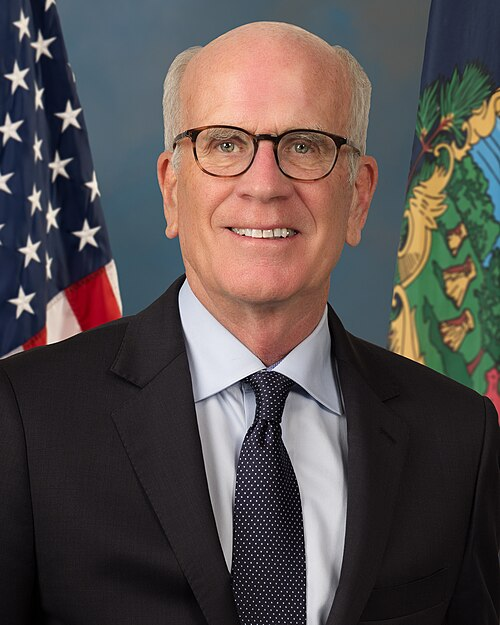
Sponsor
-
TrackTed Budd
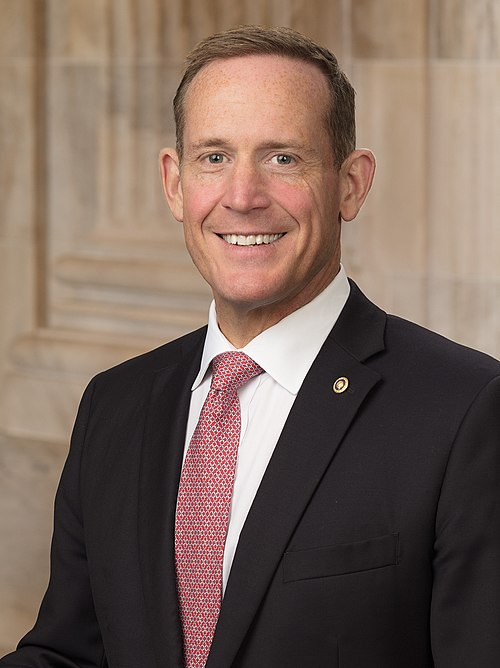
Co-Sponsor
-
TrackJohn R. Curtis

Co-Sponsor
-
TrackMartin Heinrich

Co-Sponsor
-
TrackBen Ray Lujan
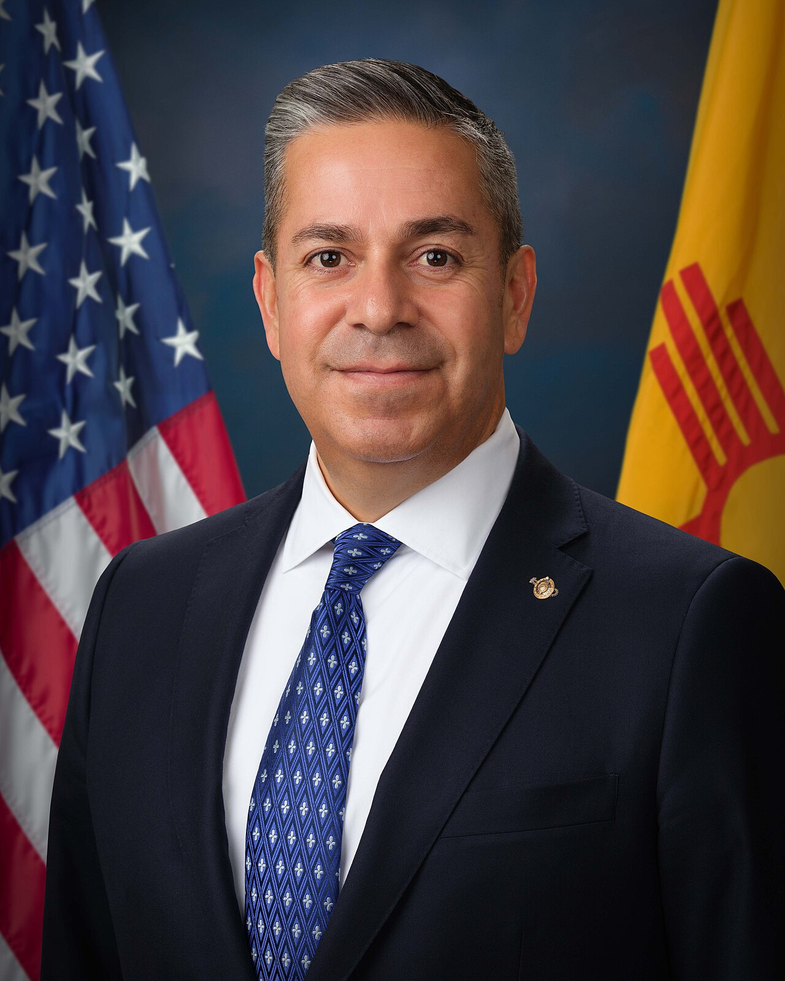
Co-Sponsor
-
TrackCynthia M. Lummis

Co-Sponsor
-
TrackJerry Moran

Co-Sponsor
-
TrackBernie Moreno
Co-Sponsor
-
TrackAlex Padilla

Co-Sponsor
-
TrackAdam B. Schiff
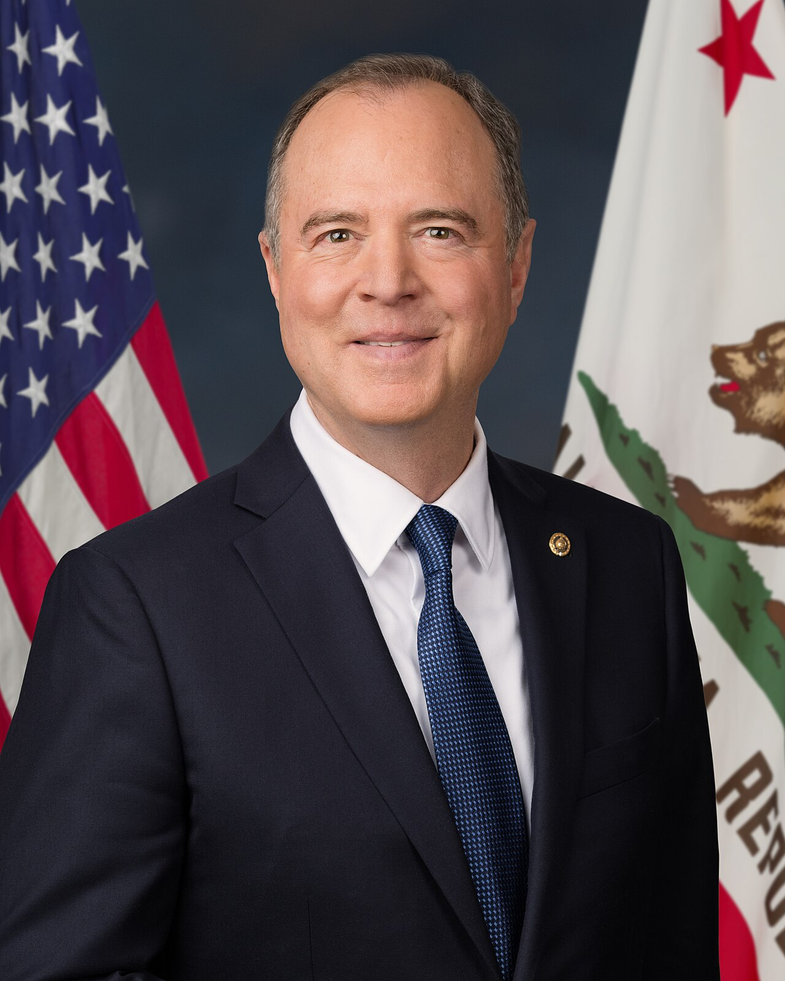
Co-Sponsor
-
TrackTim Sheehy

Co-Sponsor
-
TrackTodd Young

Co-Sponsor
Actions
3 actions
| Date | Action |
|---|---|
| Jul. 22, 2026 | Committee on Commerce, Science, and Transportation. Ordered to be reported with an amendment in the nature of a substitute favorably. |
| Feb. 12, 2026 | Introduced in Senate |
| Feb. 12, 2026 | Read twice and referred to the Committee on Commerce, Science, and Transportation. |
Corporate Lobbying
0 companies lobbying
None found.
* Note that there can be significant delays in lobbying disclosures, and our data may be incomplete.