S. 3354: Quashing Unwanted and Interruptive Electronic Telecommunications Act
This bill, known as the Quashing Unwanted and Interruptive Electronic Telecommunications Act or the QUIET Act, aims to amend existing laws regarding robocalls and the use of artificial intelligence (AI) in telecommunications. It includes two main provisions:
1. Disclosure Requirements for Robocalls Using AI
The bill requires that if a person is making a robocall using artificial intelligence to imitate a human voice, they must inform the recipient at the beginning of the call or text message that artificial intelligence is being utilized. This is intended to provide transparency to the recipient about the nature of the communication.
Definitions
- Robocall: This term refers to automated calls or text messages made using specific technology, such as automatic dialing systems. It also includes calls made using artificial or recorded voices.
- Text Message: This includes messages containing text, images, or sounds sent to or from devices identified by phone numbers or email addresses, as well as other types of communications, excluding real-time voice or video chats.
2. Enhanced Penalties for Violations Involving AI Impersonation
The bill proposes stronger penalties for anyone found to be using AI to impersonate an individual or organization in a deceptive manner. Specifically, if a violation occurs where AI is used to defraud or unlawfully obtain something of value, the following will apply:
- The maximum civil forfeiture penalties for such violations will be doubled compared to the existing limits under current law.
- The maximum criminal fines for these violations will also be doubled.
These enhanced penalties aim to act as a deterrence against the misuse of AI technologies in communications that could lead to fraud or harm.
Applicability
The new rules and penalties put forth in this bill would apply to violations that occur after the law is enacted, ensuring that changes take effect moving forward.
Relevant Companies
- ATVI (Activision Blizzard) - May face impacts due to potential impersonation of online services involving AI in gaming communications.
- GOOGL (Alphabet Inc.) - As a major cloud and AI services provider, might be affected by compliance requirements related to AI-generated communications.
- TWTR (Twitter, now X Corp.) - Potentially impacted by new regulations regarding AI-generated messages on their platform.
This is an AI-generated summary of the bill text. There may be mistakes.
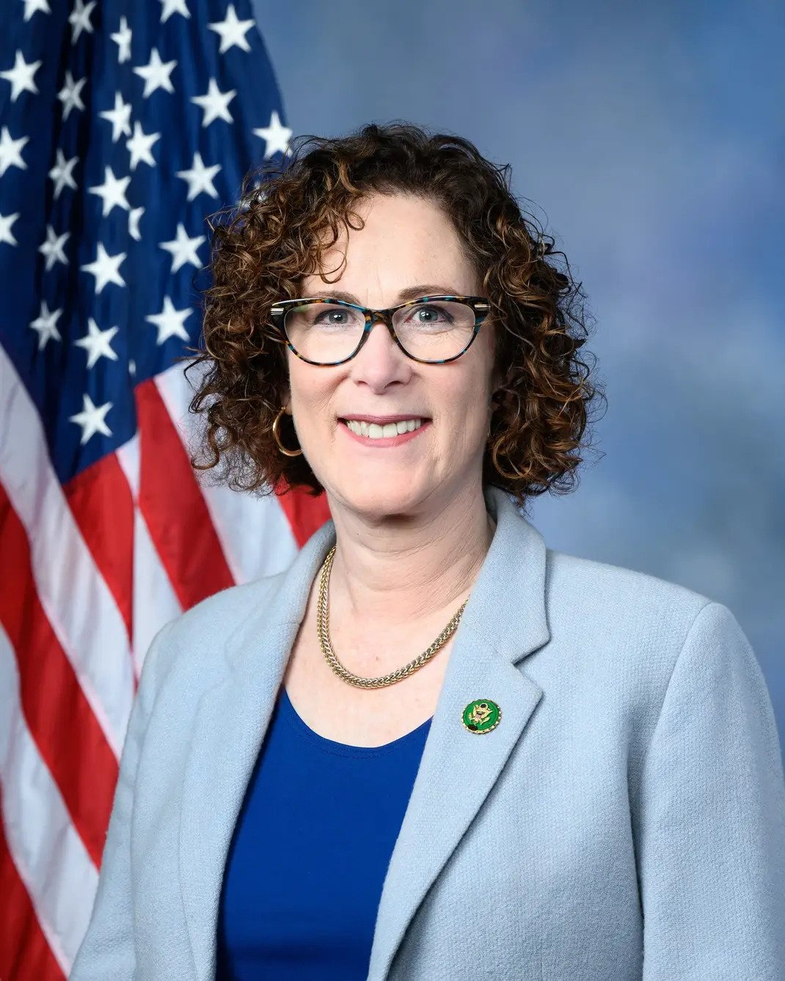
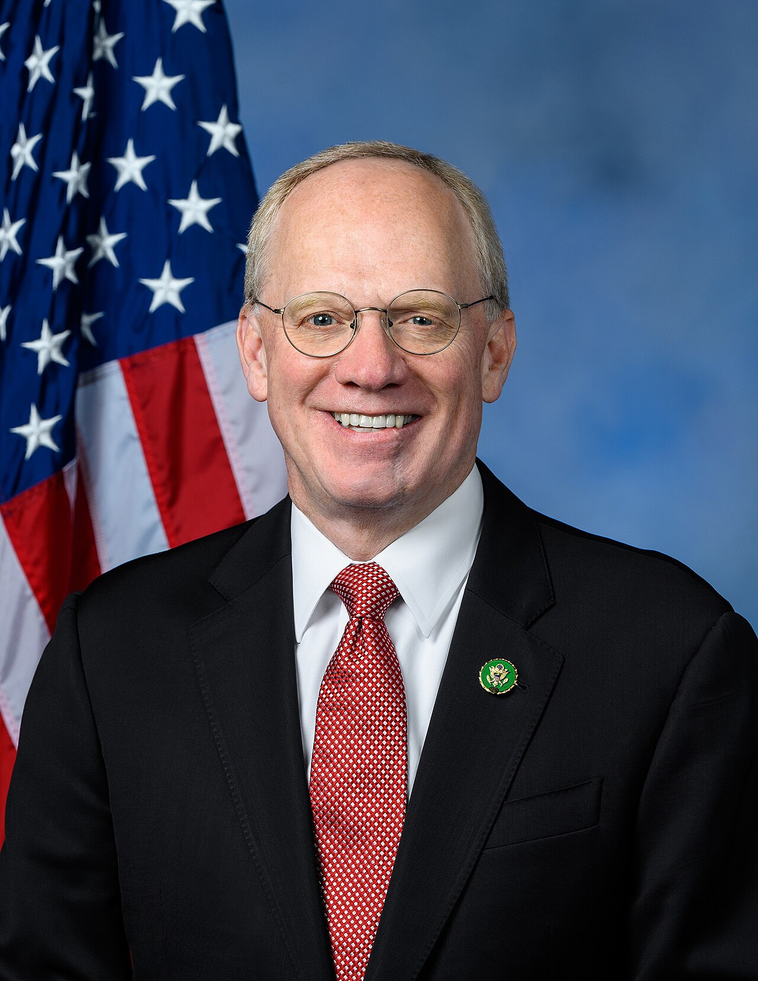
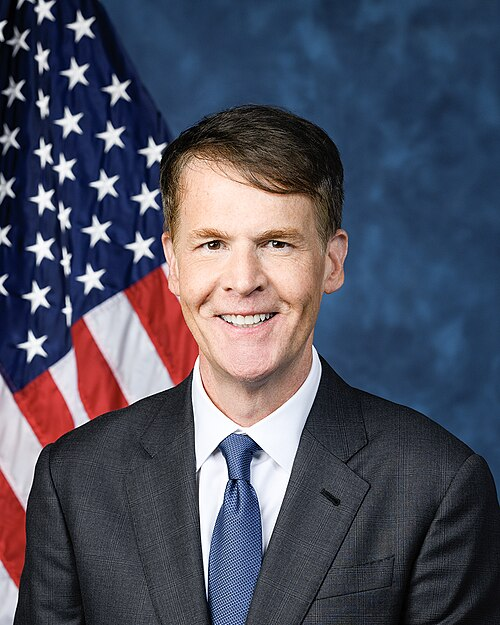
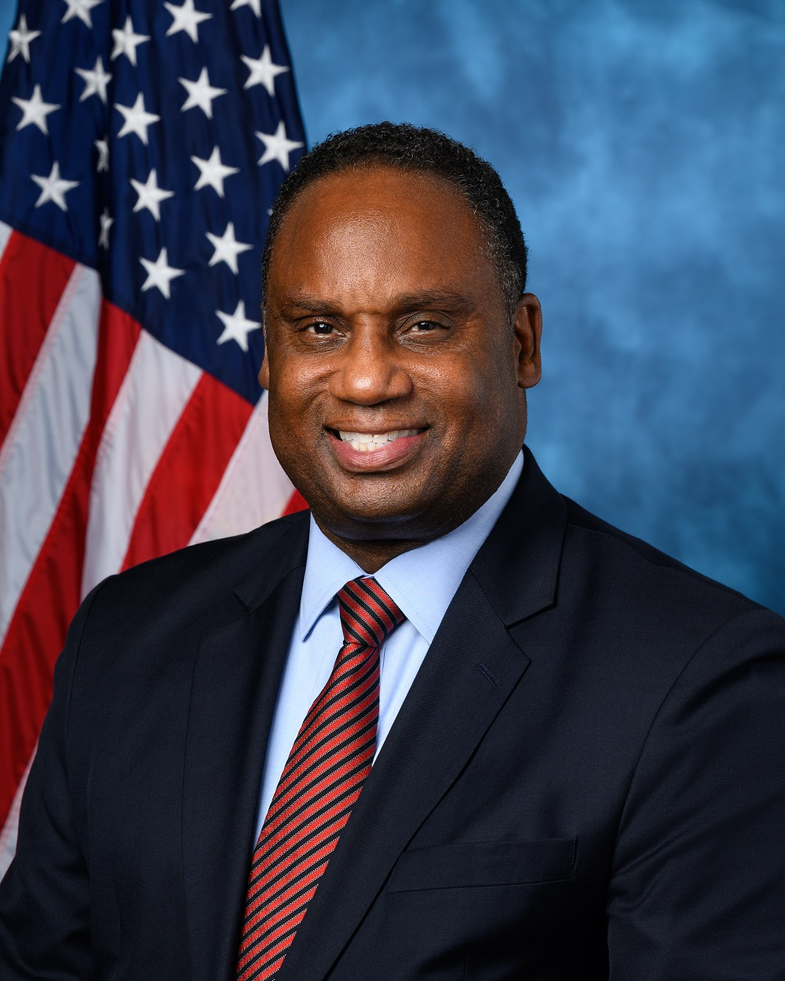
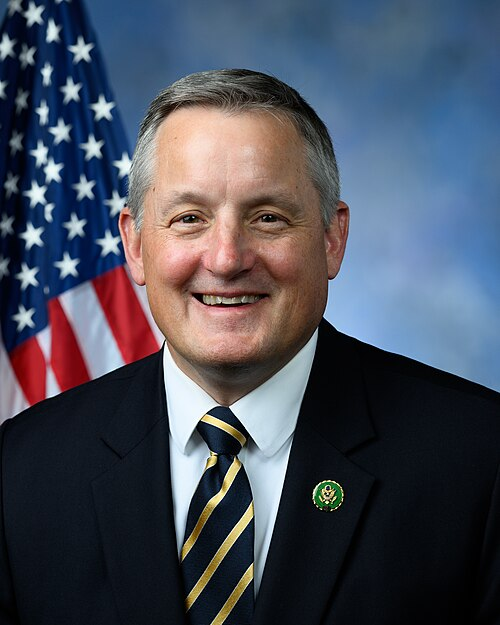
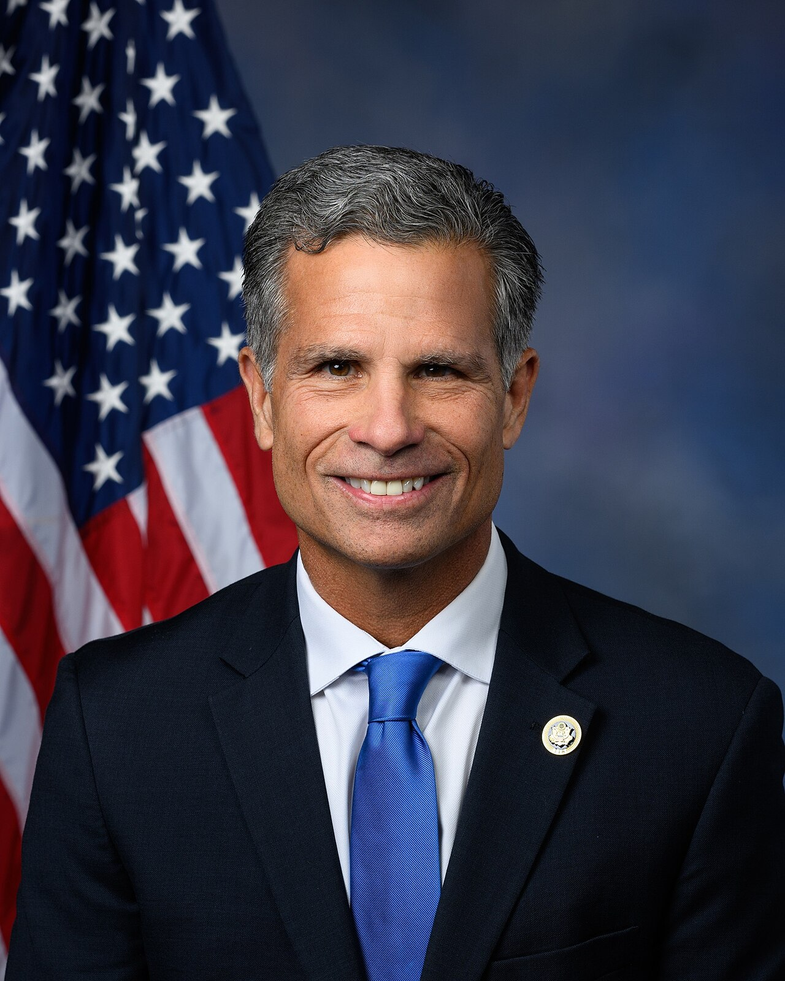
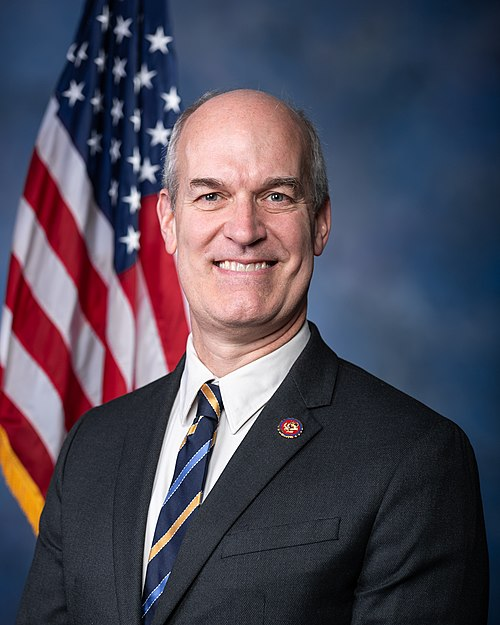
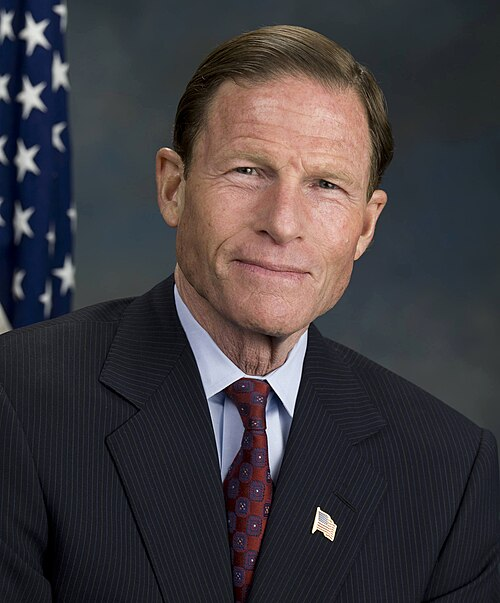
Sponsors
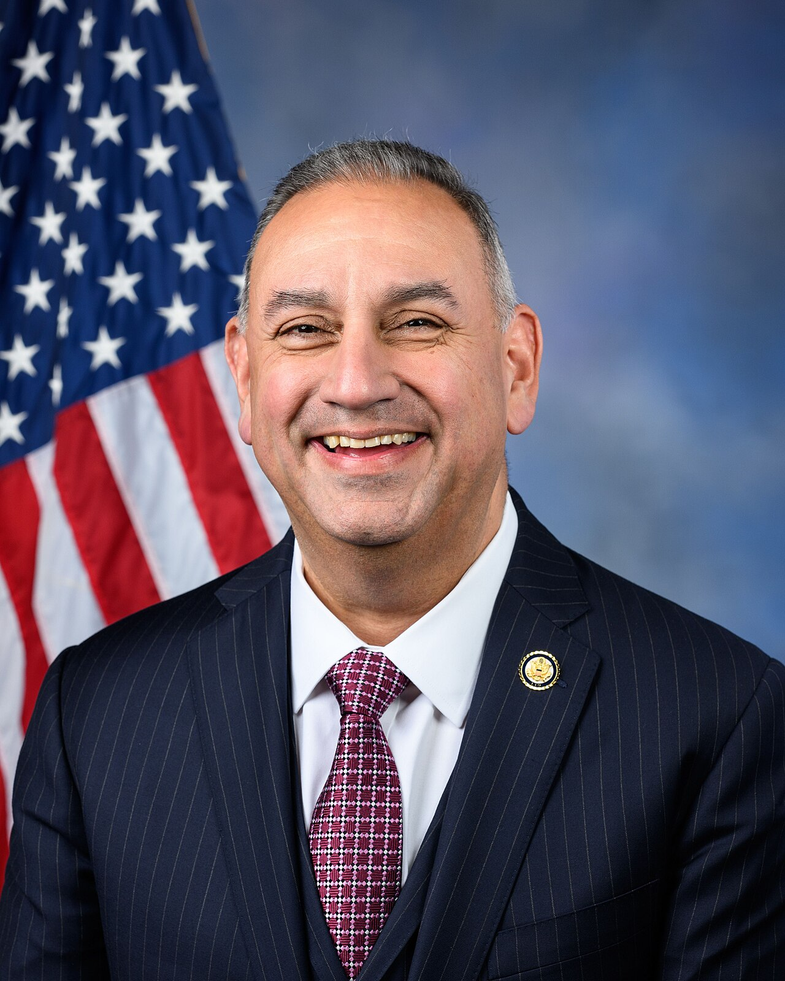
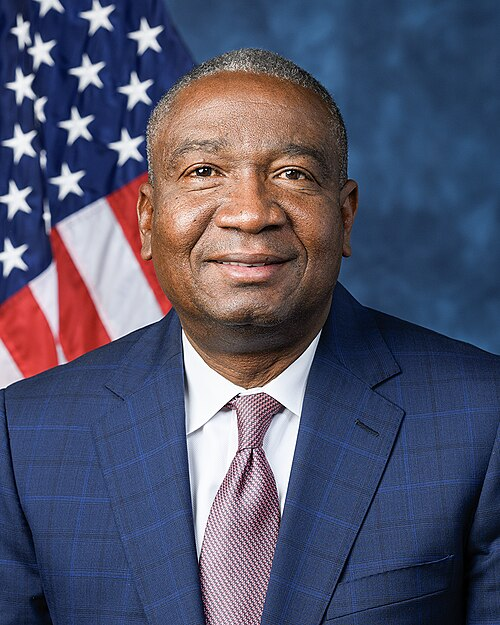
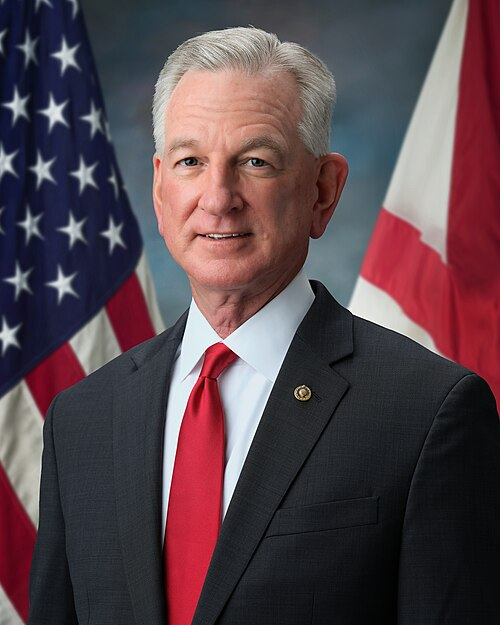
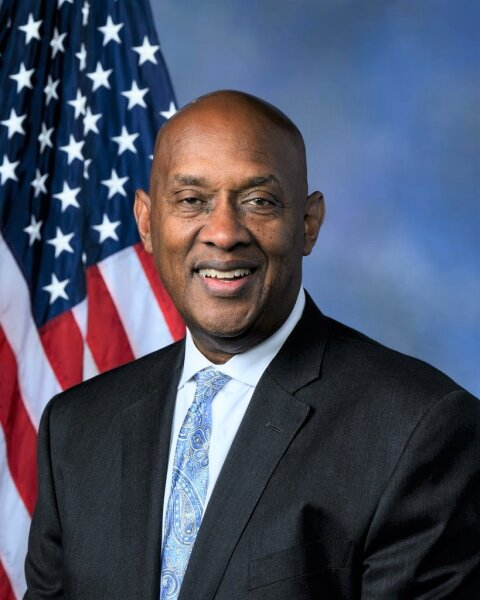
2 bill sponsors

Actions
3 actions
| Date | Action |
|---|---|
| Dec. 04, 2025 | Introduced in Senate |
| Dec. 04, 2025 | Read twice and referred to the Committee on Commerce, Science, and Transportation. |
| Dec. 04, 2025 | None |
Corporate Lobbying
0 companies lobbying
None found.
* Note that there can be significant delays in lobbying disclosures, and our data may be incomplete.