S. 3228: Stop the Importation and Manufacturing of Synthetic Analogues Act of 2025
This bill, known as the Stop the Importation and Manufacturing of Synthetic Analogues Act of 2025, proposes several amendments to the Controlled Substances Act to address the regulation of synthetic analogues, which are chemicals that are similar to controlled substances. The main components of the bill include:
1. Establishment of Schedule A
The bill introduces a new classification called Schedule A, which will include substances that meet specific criteria. These substances:
- Are or have been imported, or offered for import, into the United States.
- Have a chemical structure that is substantially similar to substances classified under existing schedules I through V.
- Exhibit similar or greater central nervous system effects (stimulant, depressant, or hallucinogenic) than those substances listed in the existing schedules.
- Are not already classified in any other schedule.
2. Temporary and Permanent Scheduling of Schedule A Substances
The Attorney General will have the authority to issue temporary orders for adding substances to Schedule A if they meet the newly established criteria. The process includes:
- A temporary order can last for up to five years but may be extended for an additional 180 days.
- After at least three years, a permanent scheduling order may be issued if the substance continues to meet the criteria.
- The temporary ordering process is not open to judicial review.
3. Penalties
New penalties are set for violations involving Schedule A substances, which could include:
- A term of imprisonment of up to 20 years for certain violations, with harsher penalties (including life imprisonment) if death or severe injury occurs due to the use of the substance.
- A potential increase in penalties for individuals with prior felony drug convictions.
4. False Labeling of Schedule A Substances
The bill makes it illegal to import or export a Schedule A substance without appropriate labeling as per established scientific nomenclature, unless exempted under certain federal regulations.
5. Registration Requirements
The bill requires that individuals or entities wishing to import or export Schedule A substances must be registered by the Attorney General. To obtain registration, applicants must demonstrate that their intended use is legitimate and legitimate uses include:
- Research, analysis, or industrial purposes approved by the Attorney General.
- Compliance with international treaties.
6. Research Continuity
If an individual is conducting research with a substance at the time it becomes Schedule A, they may continue their research but must submit an application to modify their registration within 30 days of the scheduling.
7. Sentencing Review
The bill allows individuals convicted of offenses involving Schedule A substances to petition for a reduction in their sentences if the substance is later descheduled or moved to a schedule with lower penalties.
8. General Rules of Construction
The bill clarifies that it does not limit the prosecution of offenses related to controlled substance analogues and maintains the Attorney General's authority to regulate controlled substances.
Relevant Companies
- AMGN (Amgen Inc.): As a biopharmaceutical company, Amgen could be impacted if any of their research involves substances categorized under the new Schedule A.
- PFE (Pfizer Inc.): Pfizer, also engaged in pharmaceuticals, may need to adjust their procurement and distribution practices if substances they handle fall under Schedule A.
- NVTA (Invitae Corporation): If Invitae's genetic testing or research involves synthetic analogues now classified under Schedule A, it could face additional regulatory requirements.
This is an AI-generated summary of the bill text. There may be mistakes.
Sponsors
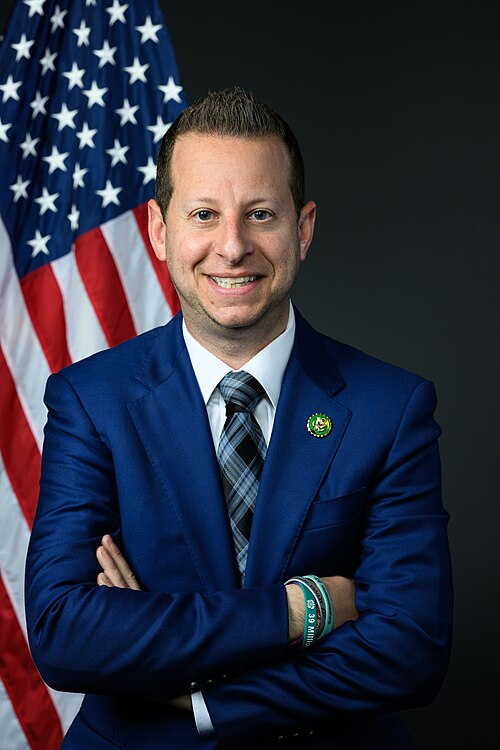
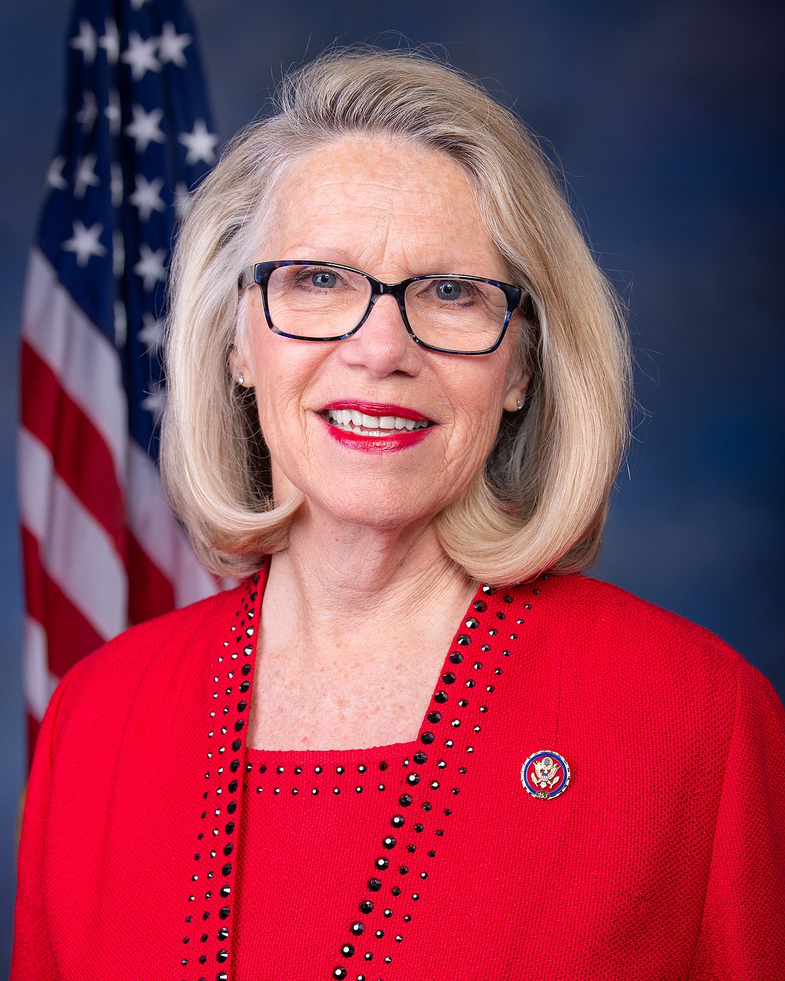
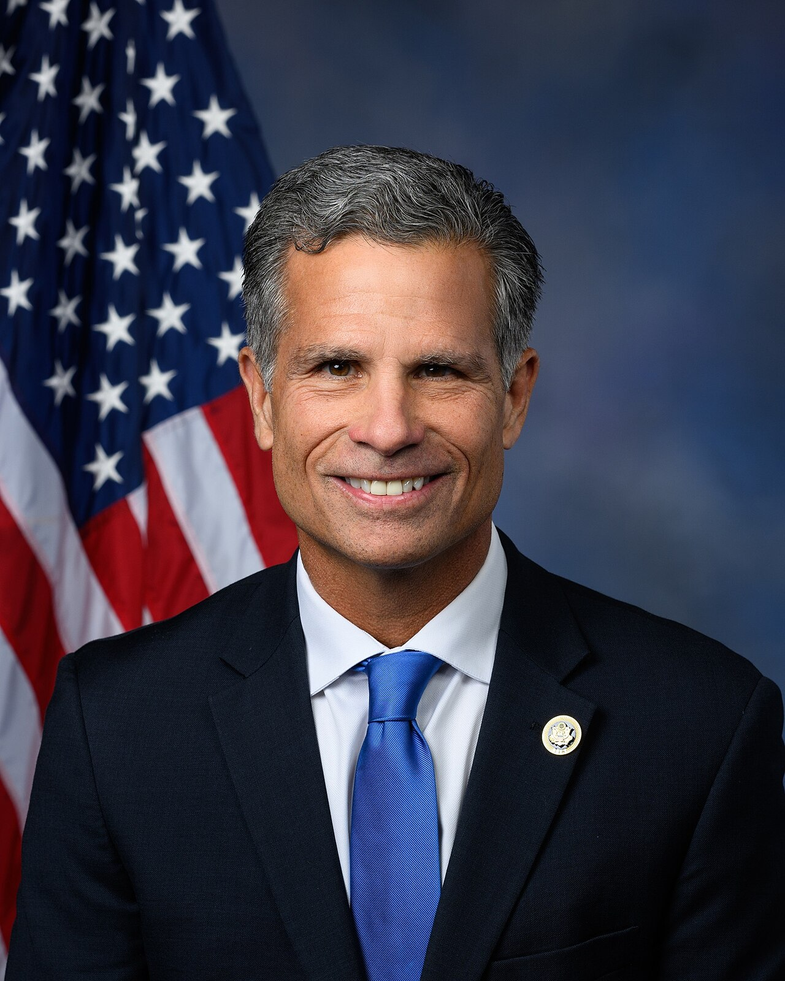
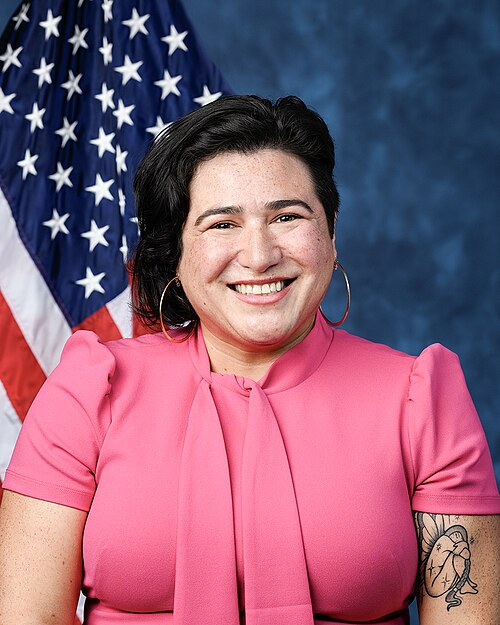
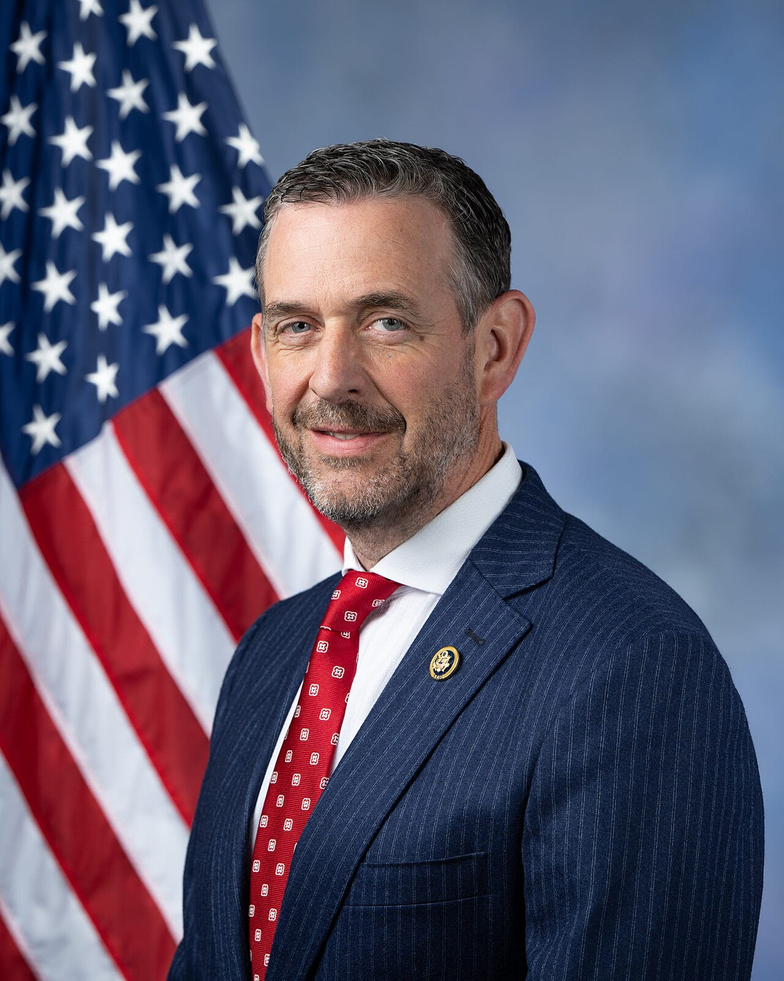
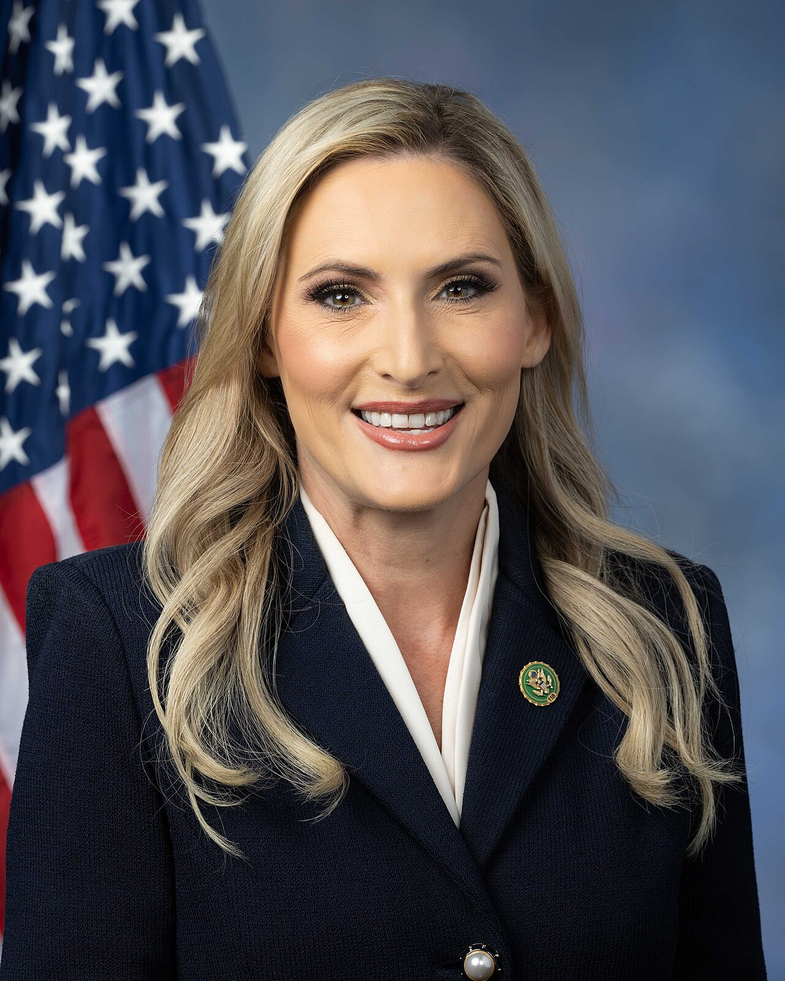
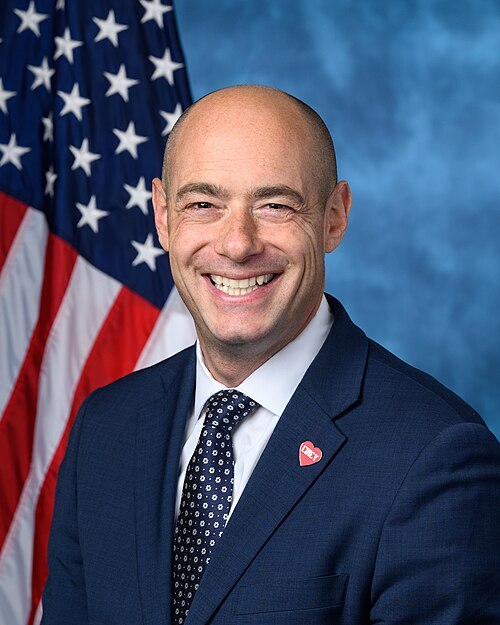
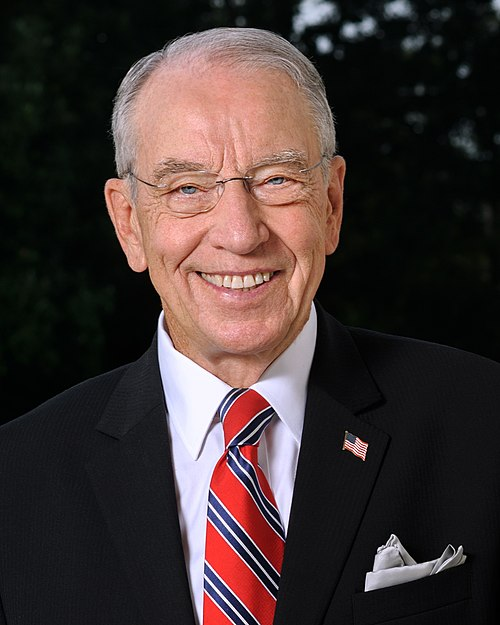
5 bill sponsors



Actions
2 actions
| Date | Action |
|---|---|
| Nov. 20, 2025 | Introduced in Senate |
| Nov. 20, 2025 | Read twice and referred to the Committee on the Judiciary. |
Corporate Lobbying
0 companies lobbying
None found.
* Note that there can be significant delays in lobbying disclosures, and our data may be incomplete.