S. 3081: Reciprocity Ensures Streamlined Use of Lifesaving Treatments Act of 2025
This bill, known as the Reciprocity Ensures Streamlined Use of Lifesaving Treatments Act of 2025, aims to modify the Federal Food, Drug, and Cosmetic Act to facilitate a process known as reciprocal marketing approval for certain medical products. Here’s a breakdown of what the bill proposes:
What is Reciprocal Marketing Approval?
Reciprocal marketing approval would allow drugs, biological products, and medical devices that are legally marketed in specific foreign countries or the United Kingdom to obtain marketing approval in the United States more easily. If a product has already been approved for sale in these other markets, it can be granted approval in the U.S. without undergoing the standard lengthy approval process, provided it meets certain conditions.
Eligibility Requirements
The bill sets out specific criteria for a product to qualify for reciprocal marketing approval. These include:
- The product must have a valid marketing authorization in one of the foreign countries specified in the bill or in the United Kingdom.
- The product must not currently be approved for marketing in the U.S. without reciprocal marketing approval.
- The Secretary of Health and Human Services must not have previously rescinded its approval due to safety or effectiveness concerns.
- The marketing authorization in the foreign country must still be valid without any safety or effectiveness concerns leading to its withdrawal.
- The product should not be a banned device in the U.S.
- There must be a public health need for the product in the U.S.
Safety and Effectiveness Considerations
The Secretary of Health and Human Services retains the authority to deny a request for reciprocal marketing approval if it is determined that:
- The product is unsafe or ineffective as a drug.
- The product is a device without reasonable assurances of safety and effectiveness.
Additionally, the Secretary can require postmarket studies or impose conditions on the approval to ensure safety.
Application Process
Once a request for reciprocal marketing approval is submitted, the Secretary must issue a decision within 30 days. The decision process includes:
- Negotiating the labeling of the product.
- Classifying devices and determining if they would otherwise need further approval without reciprocal marketing.
Congressional Oversight
If the Secretary decides to decline a request, that decision can be subject to Congressional disapproval, meaning Congress could act to overturn the Secretary's decision. If Congress disapproves of the decline, the reciprocal marketing approval can then take effect.
Outreach Efforts
The bill mandates that the Secretary conduct an outreach campaign to inform and encourage manufacturers of eligible products to apply for reciprocal marketing approval.
Definition of Covered Products
In this context, a "covered product" is defined specifically as a drug, biological product, or device eligible for reciprocal marketing approval under this act.
Fee Structure
Requests for reciprocal marketing approval will be treated similarly to standard applications or notifications regarding the approval or clearance of products under existing law, which means fees may be applicable.
Relevant Companies
- PFE (Pfizer Inc.): Pfizer may be impacted due to its numerous products marketed worldwide and potential for quicker U.S. approvals for off-label use based on foreign approvals.
- MRK (Merck & Co.): Similar to Pfizer, Merck has a range of pharmaceutical products that could benefit from reciprocal approvals if already active in approved foreign markets.
- AMGN (Amgen Inc.): Amgen's biologic products could get accelerated access in the U.S. if they are approved in other countries under this new bill.
This is an AI-generated summary of the bill text. There may be mistakes.
Sponsors
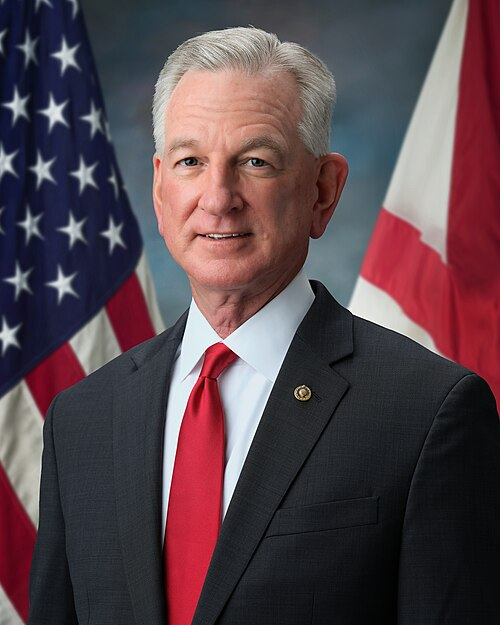
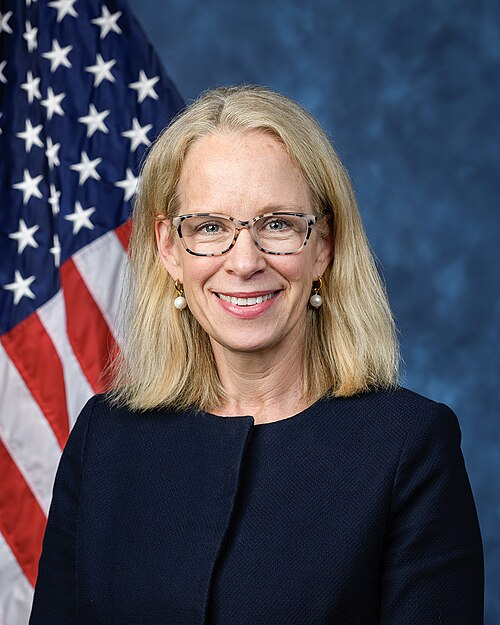
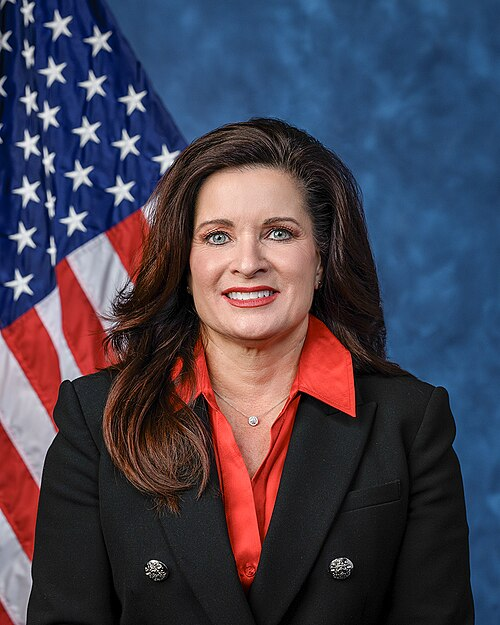
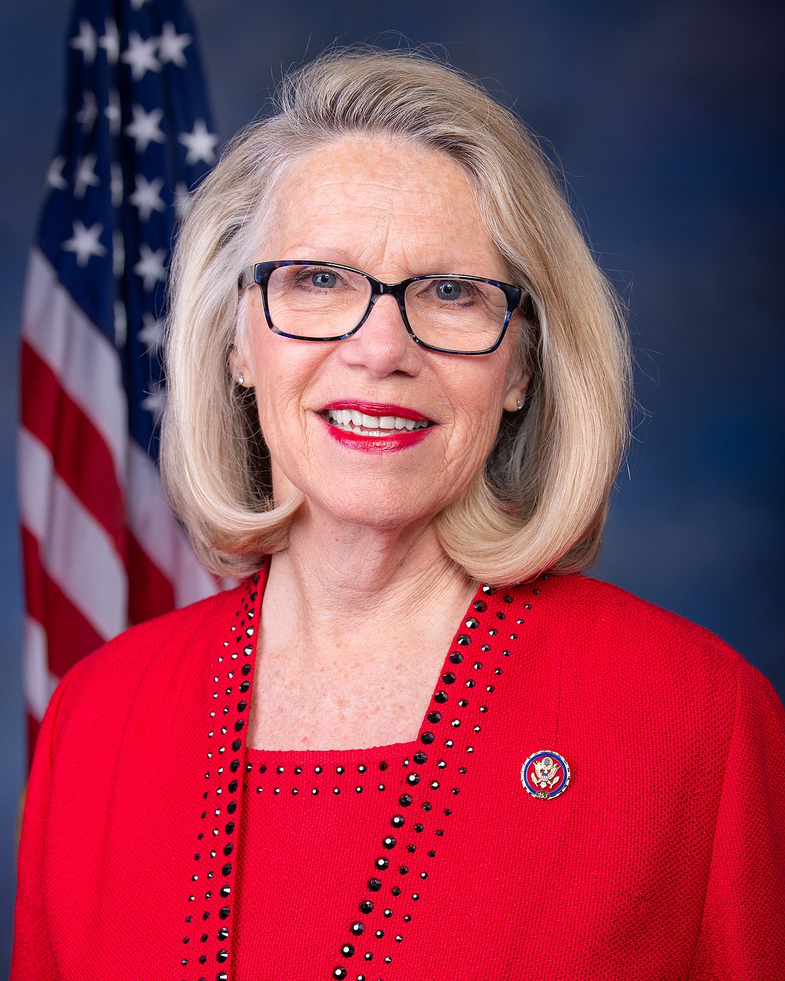
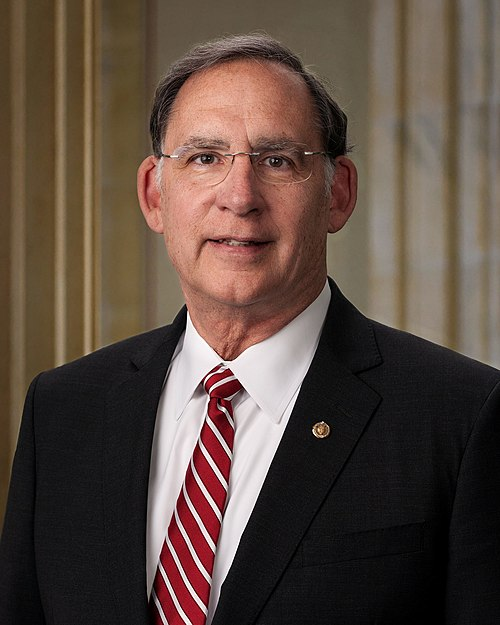
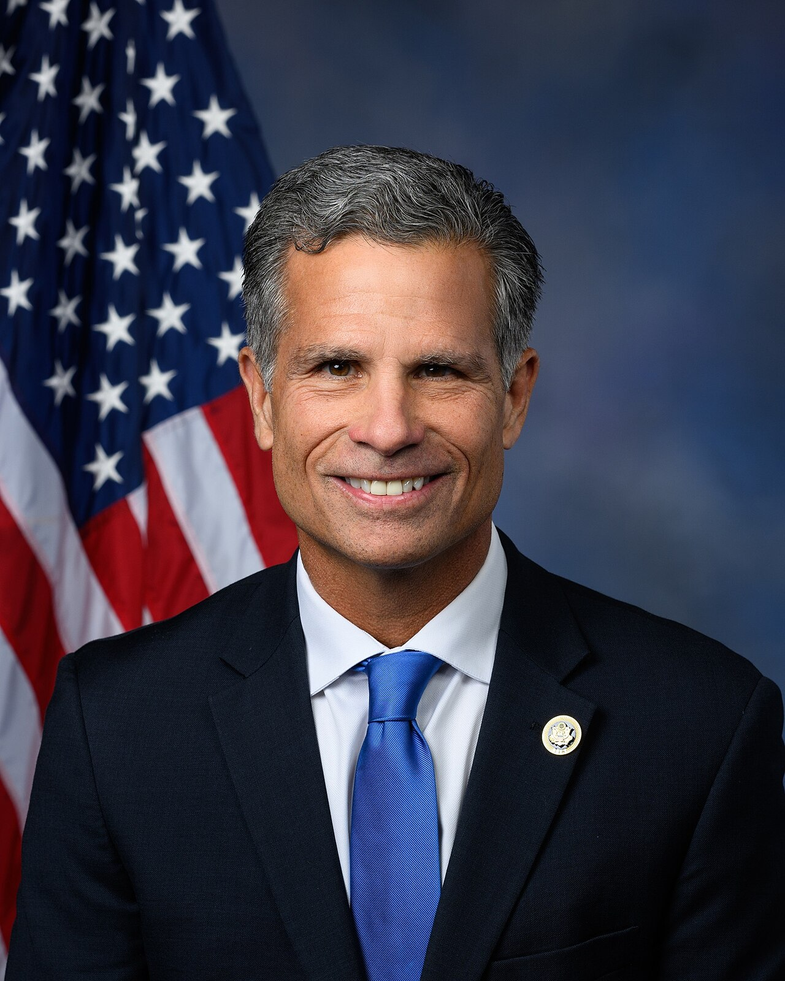
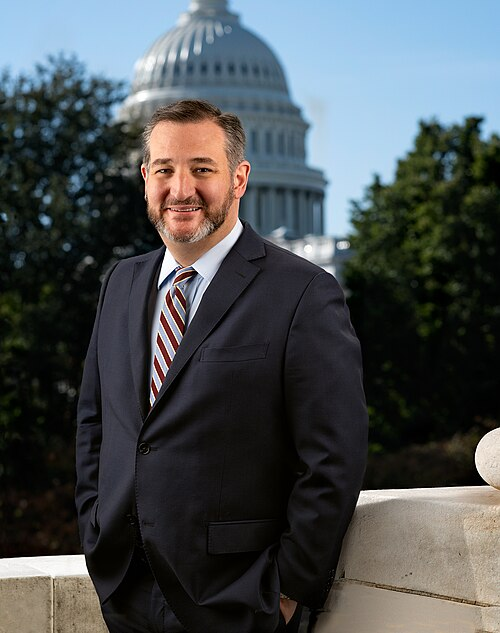
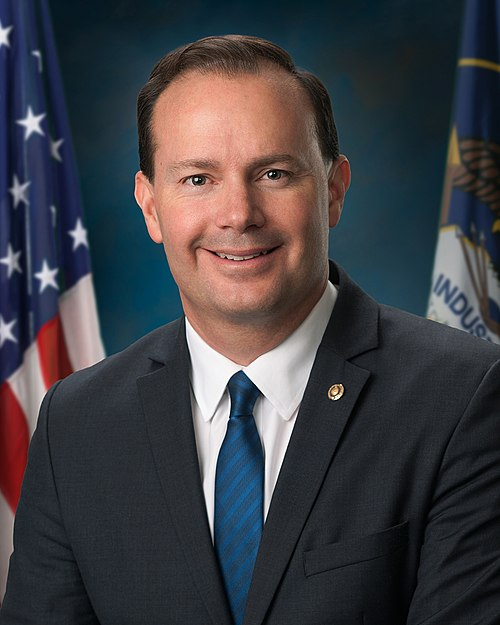
2 bill sponsors
Actions
2 actions
| Date | Action |
|---|---|
| Oct. 30, 2025 | Introduced in Senate |
| Oct. 30, 2025 | Read twice and referred to the Committee on Health, Education, Labor, and Pensions. |
Corporate Lobbying
0 companies lobbying
None found.
* Note that there can be significant delays in lobbying disclosures, and our data may be incomplete.