S. 2997: Right to Override Act
The Right to Override Act is designed to shape the use of artificial intelligence (AI) and Clinical Decision Support Systems (CDSS) in the healthcare sector. Here are the key components of the bill:
Healthcare Professionals' Rights
The act ensures that healthcare professionals are empowered to override decisions made by AI and CDSS. This means that if a healthcare provider believes that the AI-generated recommendation is not suitable for a patient, they can make a different choice without fear of negative consequences regarding their employment.
Regulations and Oversight
The bill establishes a regulatory framework governing how AI and CDSS can be utilized within healthcare settings. It includes provisions for enforcement mechanisms, meaning there will be specific processes for ensuring compliance with these regulations.
Whistleblower Protections
Whistleblower protections are included to safeguard healthcare professionals who report misuse or inappropriate implementation of AI and CDSS. This aims to encourage transparency and accountability within healthcare practices involving AI technologies.
Educational Materials
The bill requires the Secretary of Health and Human Services to produce educational materials intended for healthcare professionals and organizations. These materials must be created within one year from the bill's enactment and will serve to inform stakeholders about the regulations and best practices related to the use of AI and CDSS.
State Rights and Legal Clarifications
The act recognizes and maintains the powers of individual states to enforce their own regulations related to AI and CDSS. It clarifies that the act does not offer protection to healthcare professionals from malpractice claims, meaning that they can still be held liable if they make decisions resulting in patient harm. Additionally, the act does not preempt state laws, ensuring that existing state regulations remain in effect.
Summary
Overall, the Right to Override Act aims to ensure that healthcare professionals can independently evaluate AI recommendations, introduces a structured approach to regulating AI in healthcare, promotes whistleblower protections, and emphasizes the importance of educational resources while maintaining state authority and accountability in healthcare practices.
Relevant Companies
- ISRG (Intuitive Surgical): As a company involved in robotics and AI for surgical procedures, they may need to adapt to new regulatory requirements regarding AI decision-making.
- MDT (Medtronic): This medical technology company could be impacted by the regulations surrounding AI usage, potentially affecting their product development and compliance strategies for AI-based medical devices.
- GOOGL (Alphabet Inc.): With its involvement in AI and healthcare initiatives, Google may need to navigate new regulatory frameworks governing CDSS applications.
This is an AI-generated summary of the bill text. There may be mistakes.
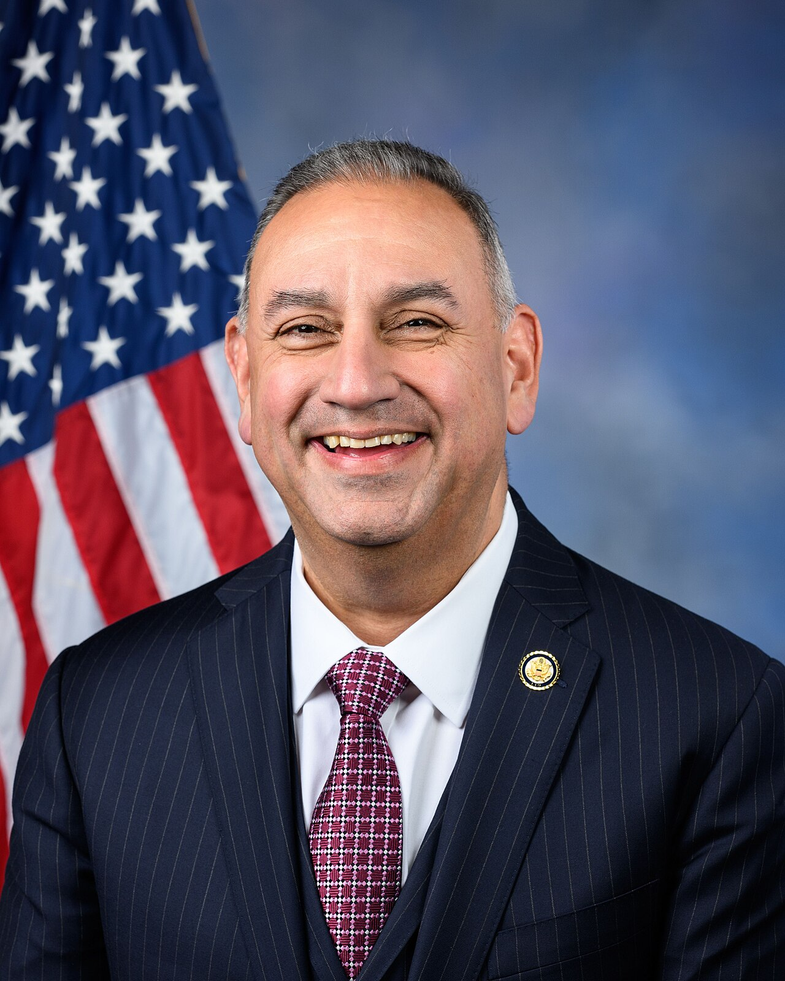
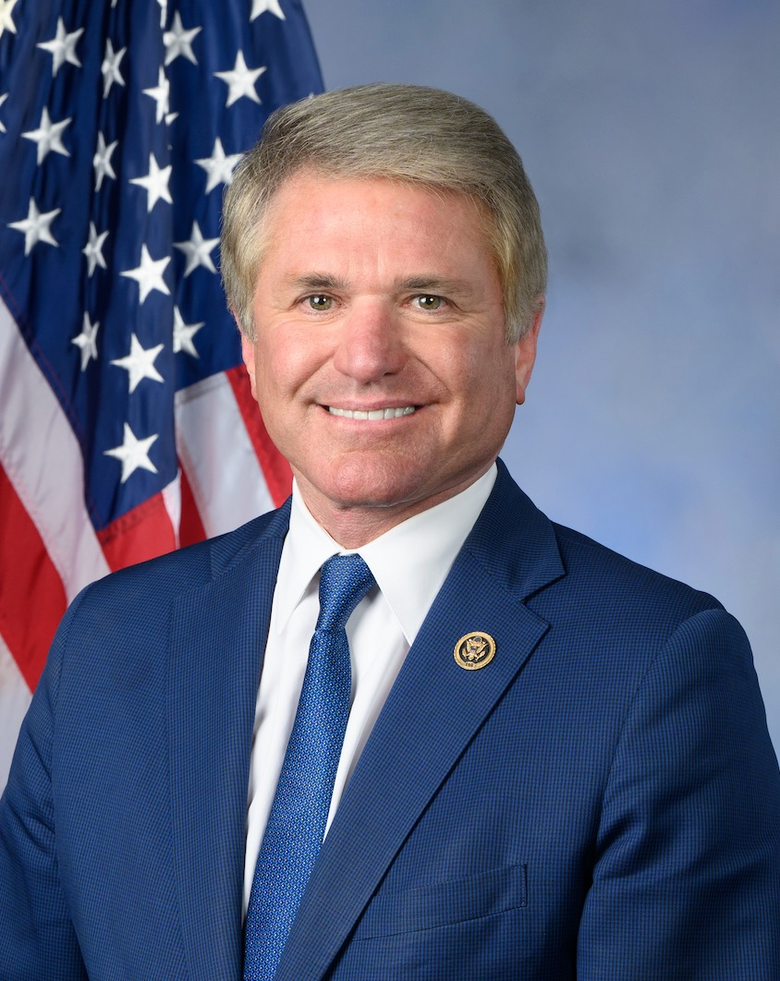
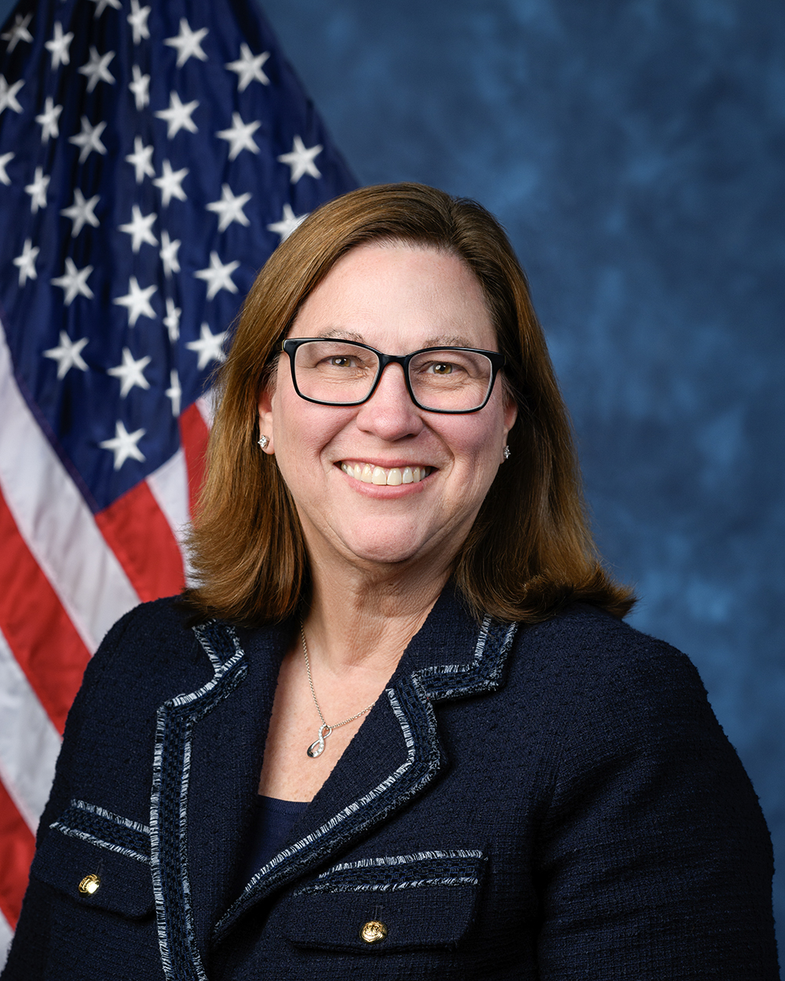
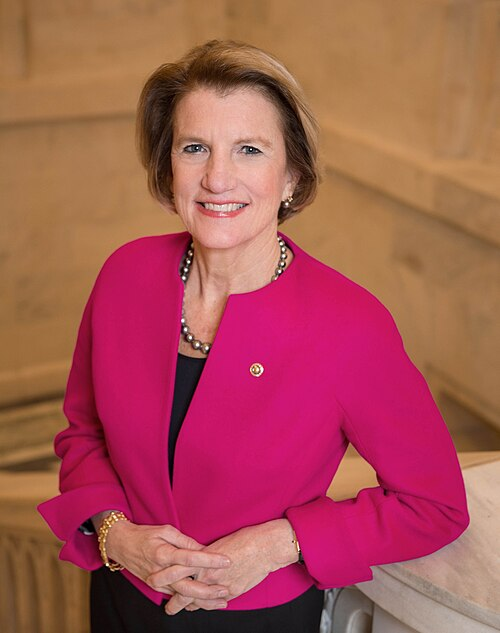
Sponsors
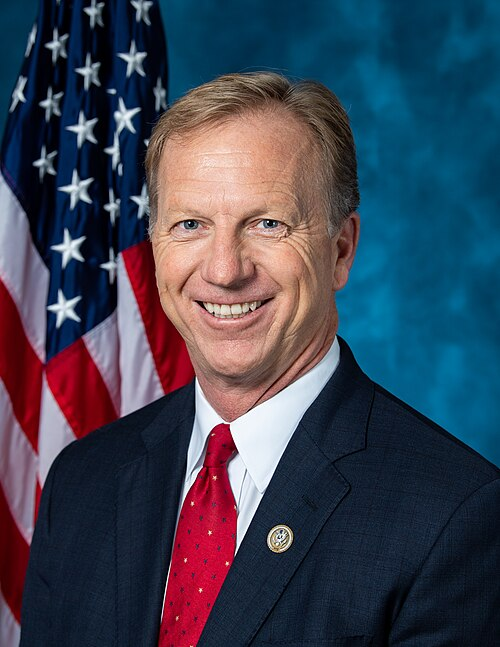
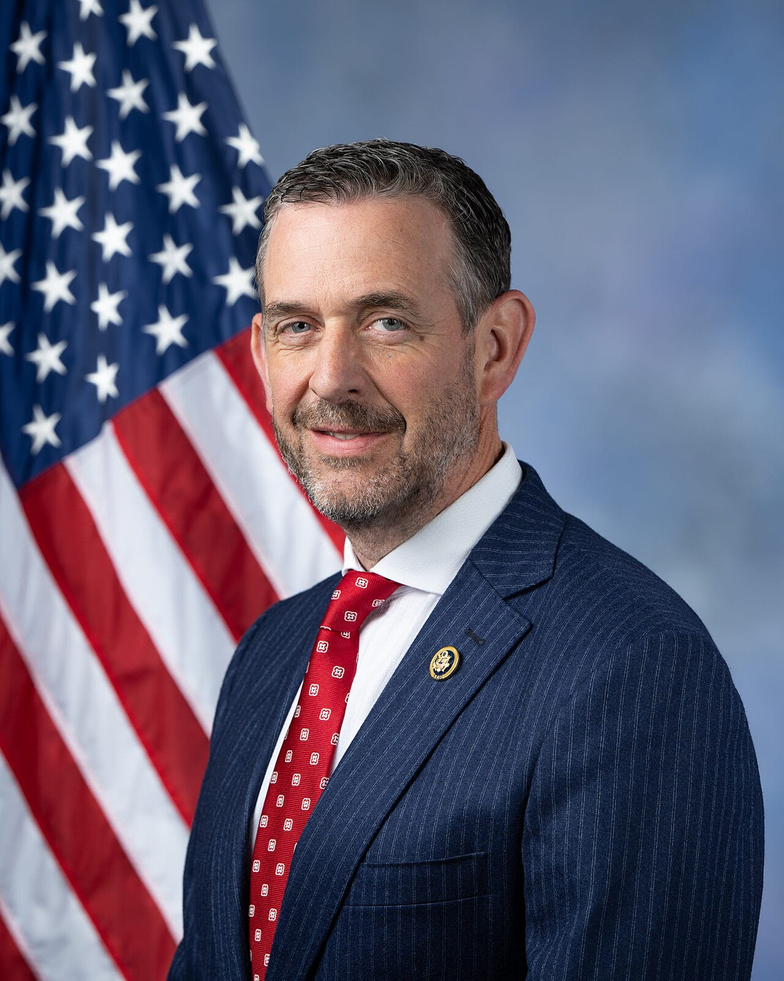
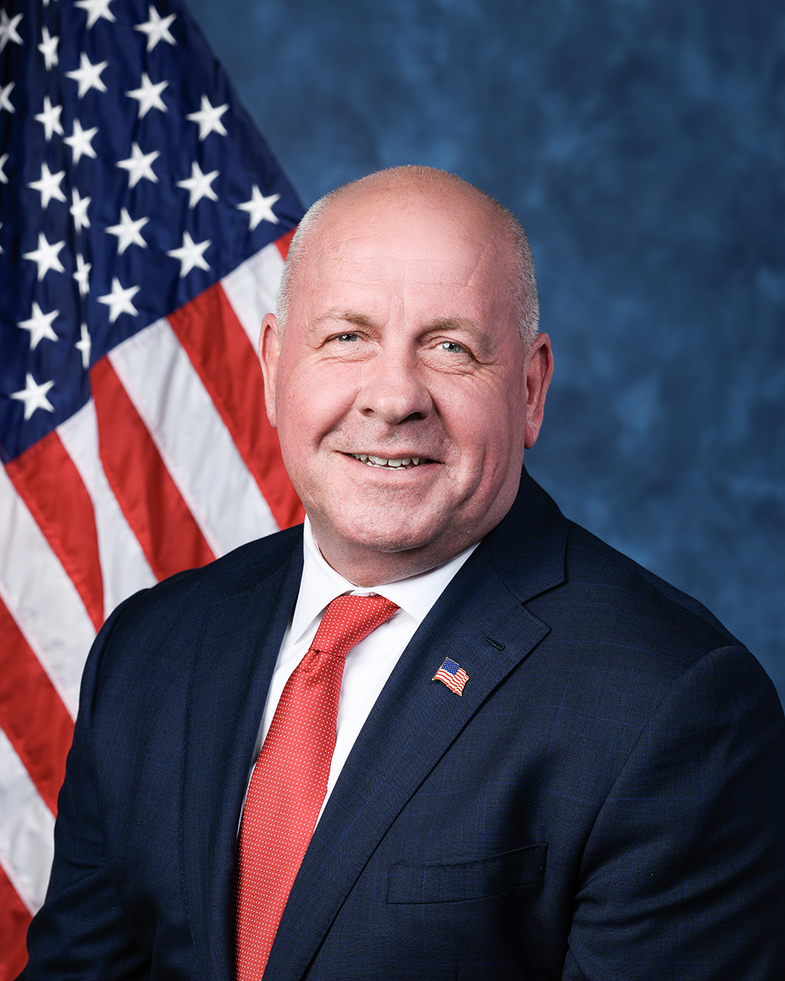
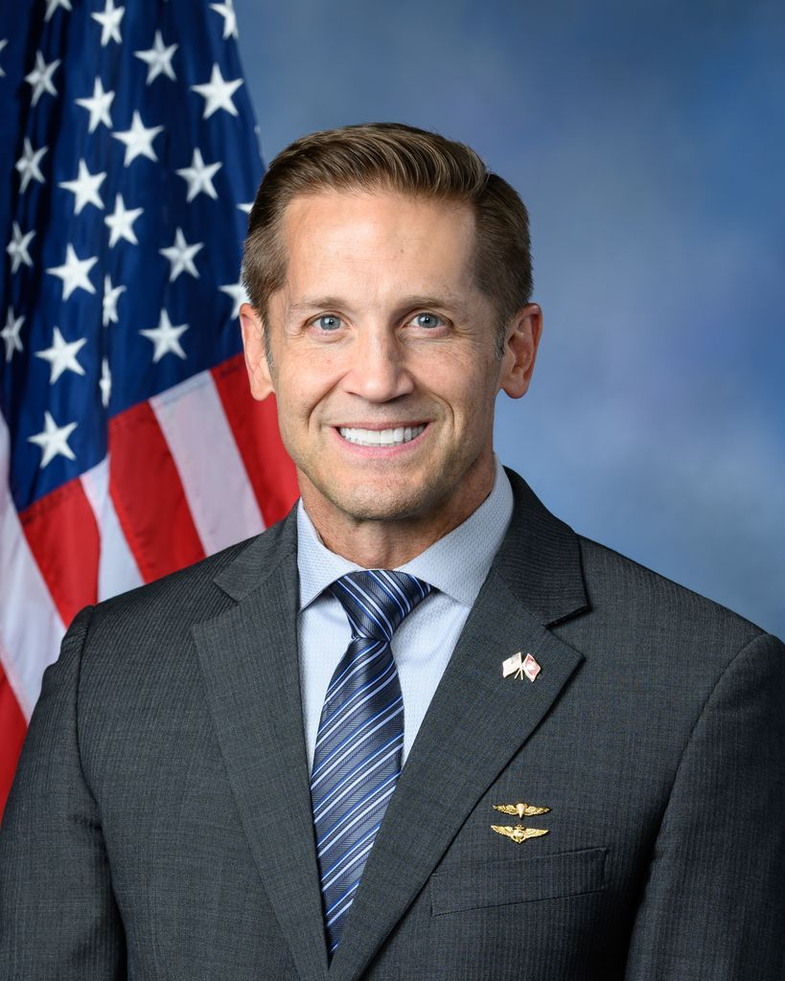
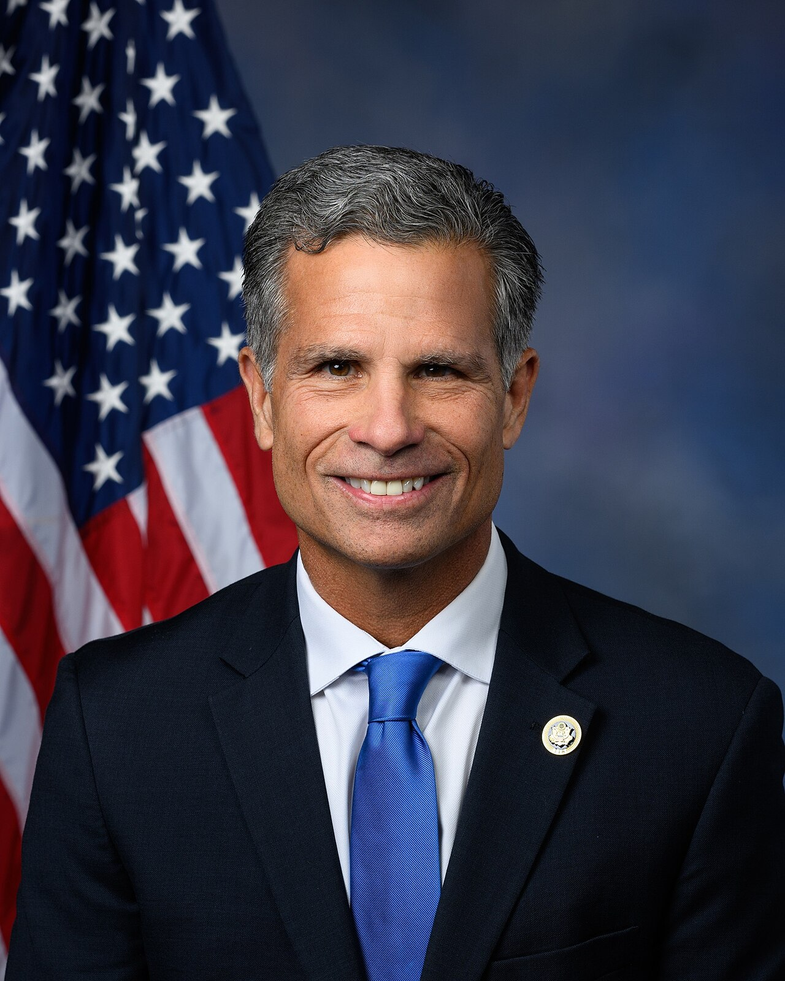
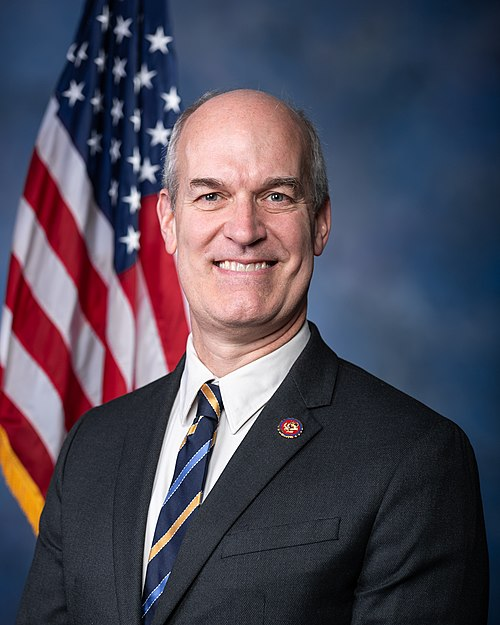
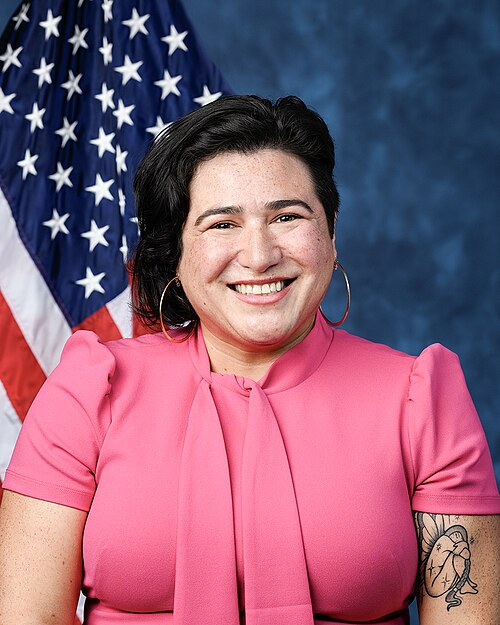
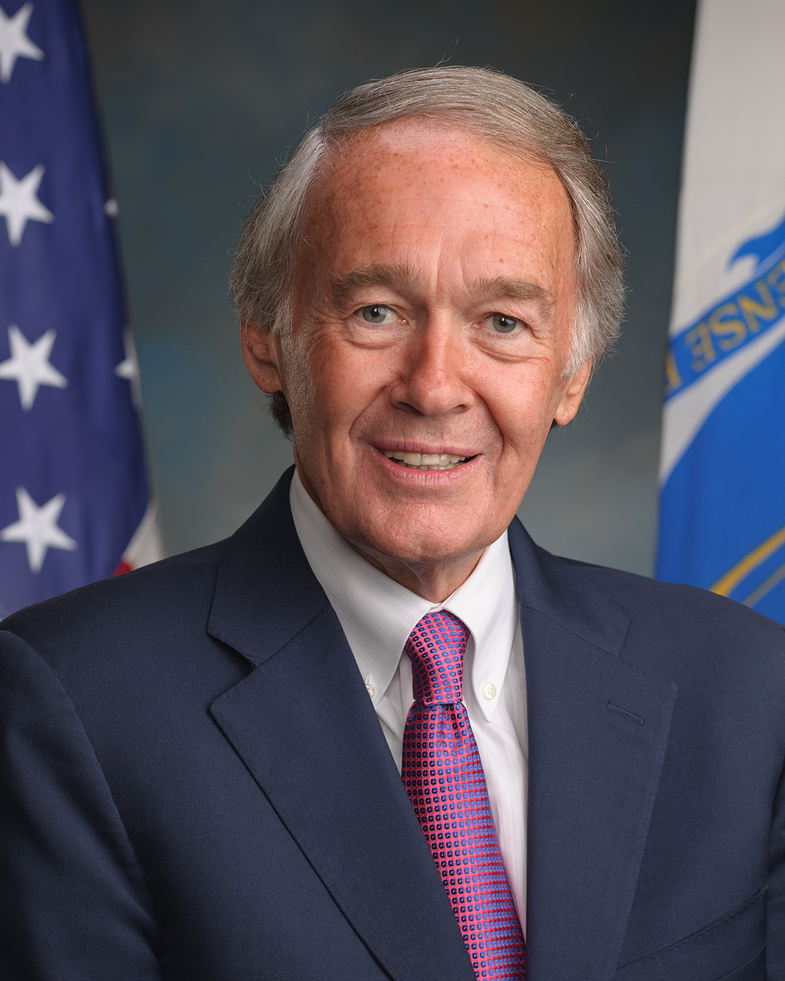
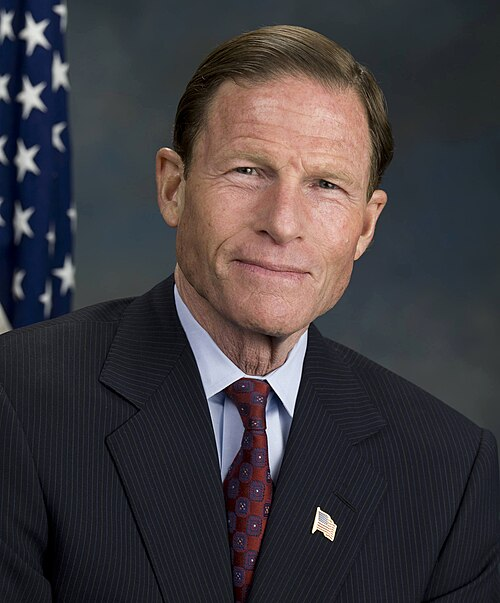
3 bill sponsors

Actions
2 actions
| Date | Action |
|---|---|
| Oct. 09, 2025 | Introduced in Senate |
| Oct. 09, 2025 | Read twice and referred to the Committee on Health, Education, Labor, and Pensions. |
Corporate Lobbying
0 companies lobbying
None found.
* Note that there can be significant delays in lobbying disclosures, and our data may be incomplete.