S. 2869: Federal Government Spectrum Inventory Act
The Federal Government Spectrum Inventory Act is a proposed piece of legislation that aims to improve transparency and understanding of how the U.S. federal government uses radio frequencies, commonly referred to as spectrum. The bill mandates that the National Telecommunications and Information Administration (NTIA) must produce an annual report on this spectrum usage.
Key Provisions
- Annual Reporting Requirement: Within 180 days of the bill's enactment and every year thereafter, the NTIA will issue a report known as the Federal Government Spectrum Use Report.
- Coverage of Frequency Bands: The report will specifically focus on frequency bands ranging from 225 megahertz to 50 gigahertz, which are referred to as "covered bands."
- Report Contents: Each report must include:
- An introduction that summarizes the types of Federal spectrum usage in the covered bands.
- An excerpt from the United States Table of Frequency Allocations that displays the latest frequency allocations and relevant notes that might allow or limit additional uses in the covered bands.
- A detailed table listing the number and type of frequency assignments authorized by the NTIA within these bands.
- A summary of the major systems and applications that utilize each frequency band or sub-band.
- A description of potential future uses for each band, when applicable.
- Public Access to Reports: The report will be available on the NTIA's public website. However, it will also contain a classified annex, implying that certain sensitive information related to national security or other protected interests will be included but not available to the general public.
Purpose of the Bill
The intent of this bill is to enhance the understanding and management of how federal entities utilize radio spectrum resources. By requiring an annual report, the bill aims to promote accountability and facilitate governmental and public awareness regarding spectrum allocation and usage patterns.
Background
The management of radio frequency spectrum is crucial as it is used for various vital communication services, including telecommunications, broadcasting, and government communications. The bill seeks to organize and clarify how these resources are being utilized by federal agencies, thus potentially opening discussions about reallocating unused or underused frequencies for other purposes.
Potential Implications
While the bill primarily focuses on reporting and transparency, it could indirectly influence policies related to spectrum management, potentially affecting other users of these frequencies, including private sector companies that rely on spectrum for their operations.
Relevant Companies
- TMO - Thermo Fisher Scientific Inc.: The company may be impacted in relation to its operations involving sensitive measurements and communications technologies that utilize federal spectrum bands.
- VZ - Verizon Communications Inc.: As a major telecommunications operator, changes in spectrum allocation could affect its services and ability to expand its network.
- T - AT&T Inc.: Similar to Verizon, AT&T may see impacts related to the availability of spectrum for its telecommunications services.
This is an AI-generated summary of the bill text. There may be mistakes.
Sponsors
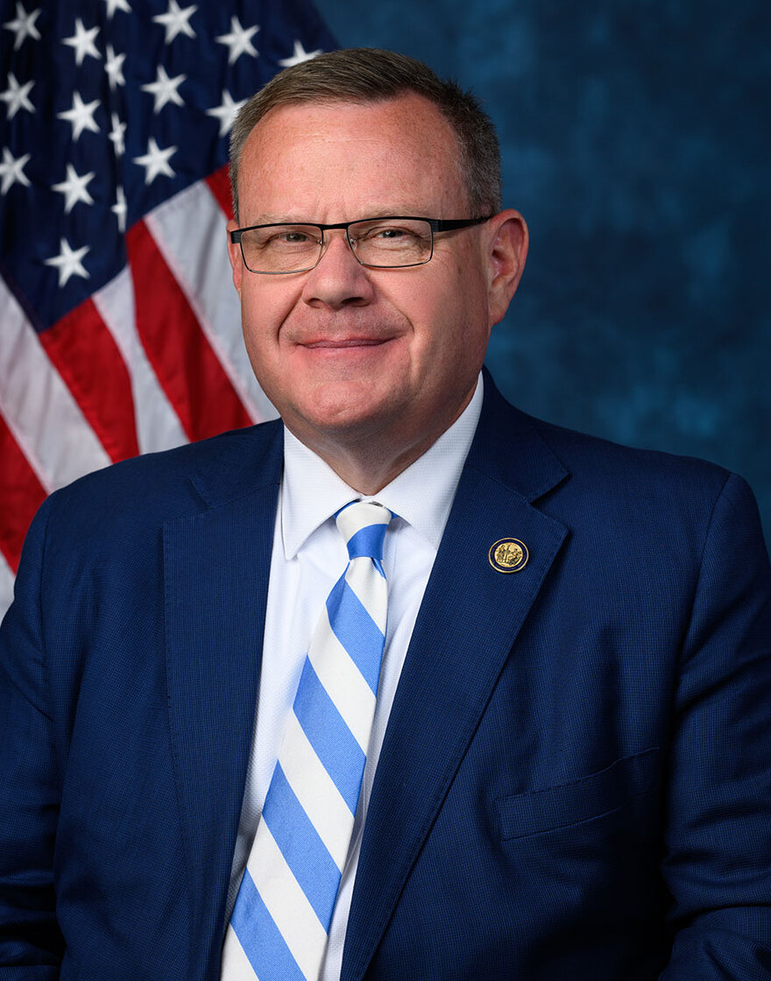
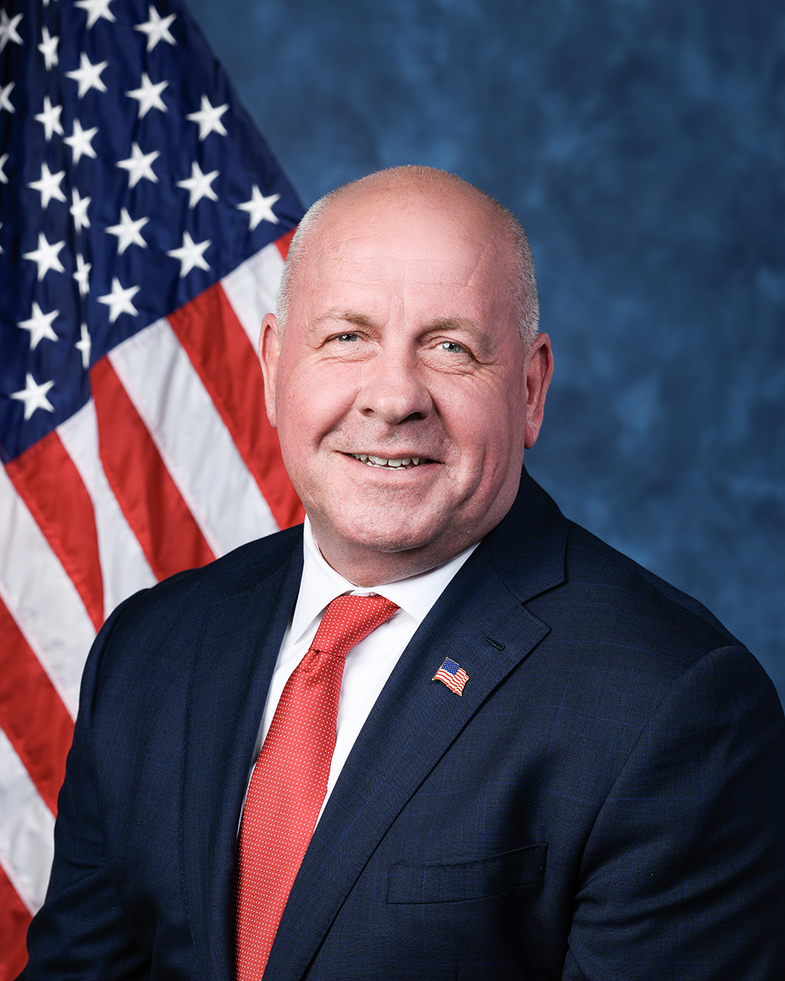
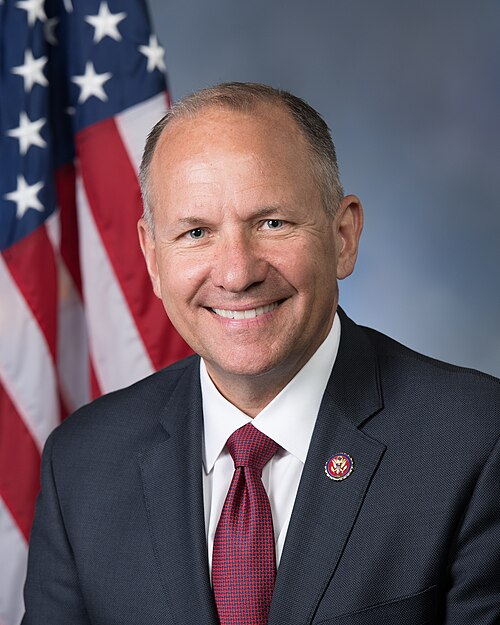
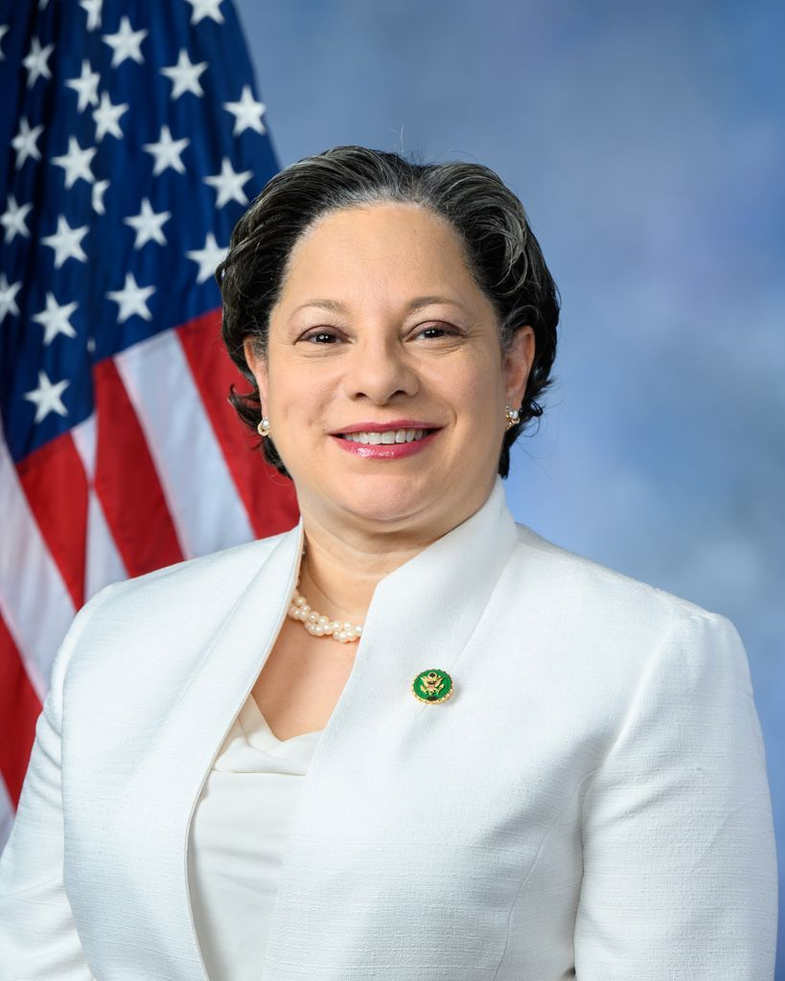
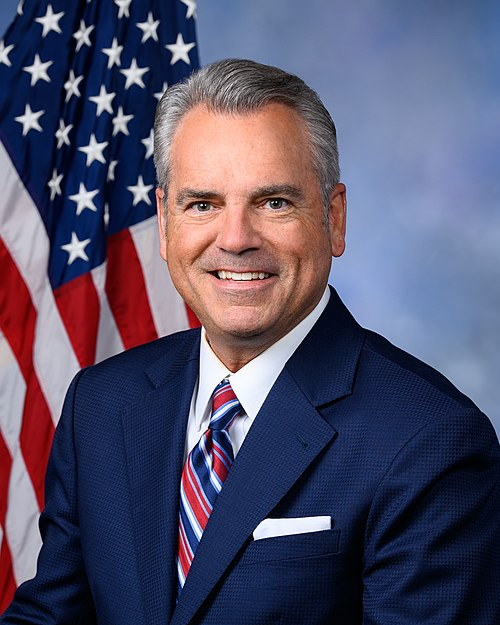
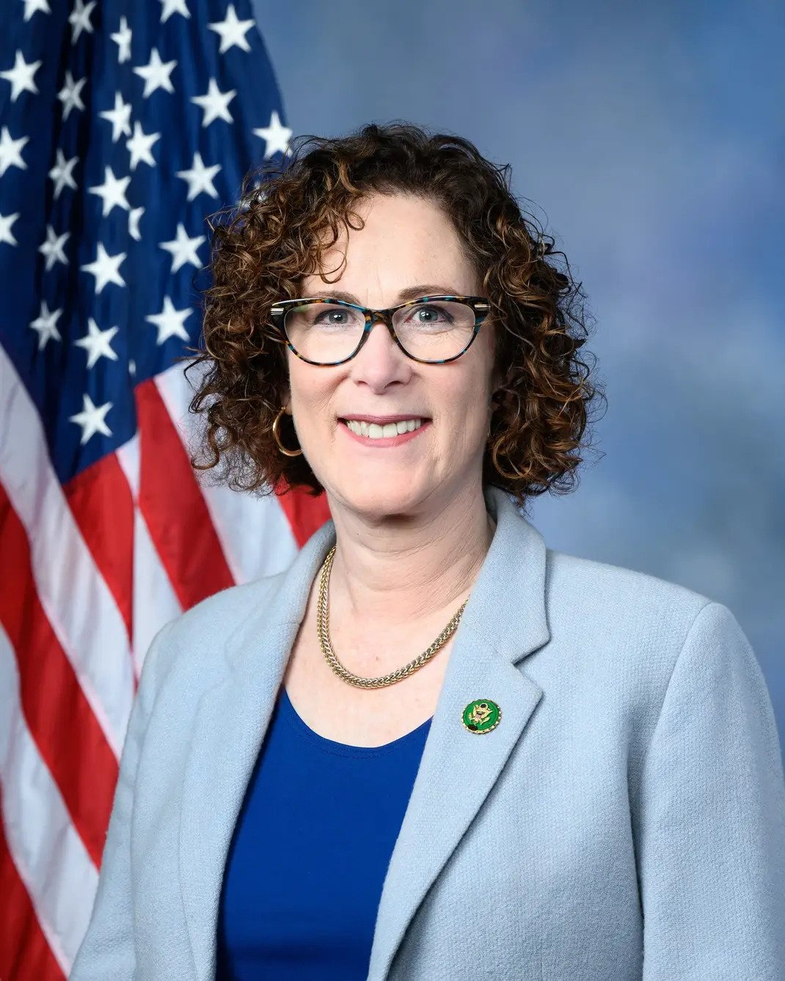
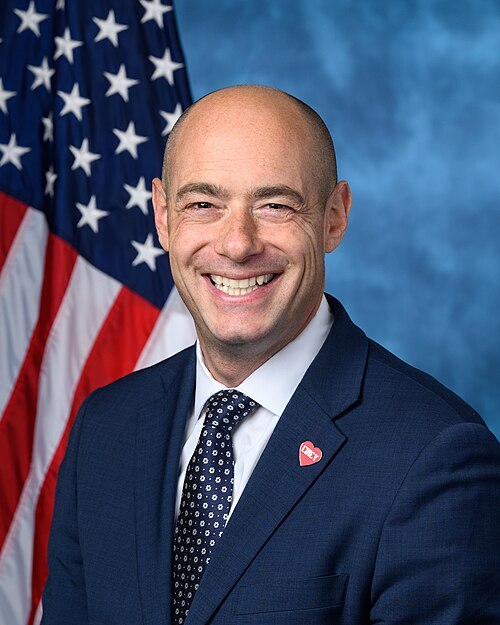
2 bill sponsors


Actions
2 actions
| Date | Action |
|---|---|
| Sep. 18, 2025 | Introduced in Senate |
| Sep. 18, 2025 | Read twice and referred to the Committee on Commerce, Science, and Transportation. |
Corporate Lobbying
0 companies lobbying
None found.
* Note that there can be significant delays in lobbying disclosures, and our data may be incomplete.