
H.R. 9985: AI Ads Act
This bill would update federal campaign law to make clear that using generative artificial intelligence to create deceptive political content can count as a prohibited fraudulent misrepresentation or fraudulent fundraising tactic.
What the bill changes
- It amends existing law that already bans people from falsely claiming to speak or act for a federal candidate or campaign.
- It explicitly says that this prohibition also covers misleading material made “in whole or in part” with generative AI.
- It also makes the same AI-related clarification for the law that bans fraudulent solicitation of campaign funds.
Broader coverage of deceptive political impersonation
- Current law focuses on certain false claims involving candidates and their staff.
- This bill would broaden that language so the prohibition applies not just to candidates, but also to:
- political parties
- other real or fake political committees or organizations
- their employees or agents
- It would also remove language that limited one part of the law to deception used to harm another candidate or party, making the rule broader in scope.
Practical effect
In plain terms, the bill is aimed at stopping people from using AI-generated audio, images, video, or text to make it look like a political candidate, party, or campaign group said or did something they did not. It would also cover AI-assisted efforts to trick people into donating money to a campaign or political organization.
Relevant Companies
None found
This is an AI-generated summary of the bill text. There may be mistakes.
Sponsors
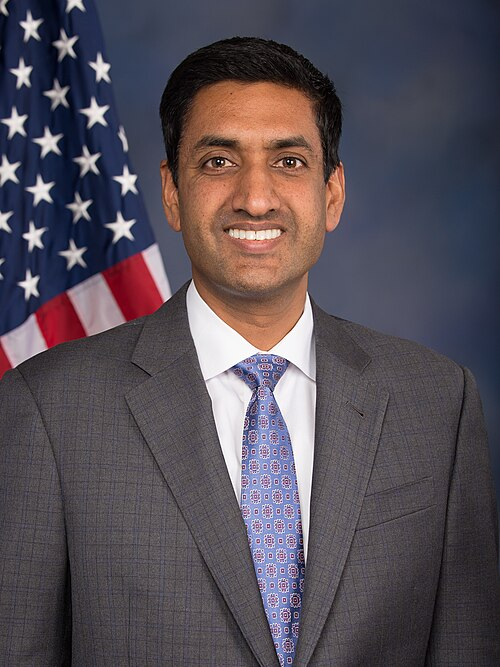
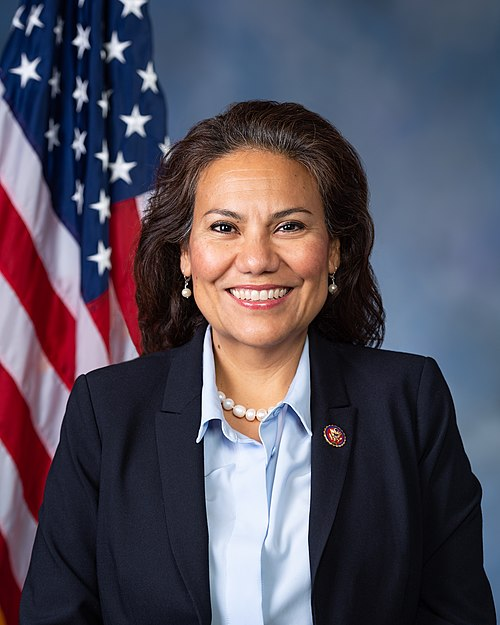
2 bill sponsors
Actions
2 actions
| Date | Action |
|---|---|
| Jul. 30, 2026 | Introduced in House |
| Jul. 30, 2026 | Referred to the House Committee on House Administration. |
Corporate Lobbying
0 companies lobbying
None found.
* Note that there can be significant delays in lobbying disclosures, and our data may be incomplete.
Potentially Relevant Congressional Stock Trades
No relevant congressional stock trades found.