
H.R. 9971: Advancing International and Foreign Language Education Act
This bill would update and extend
Title VI of the Higher Education Act
, which supports international education, foreign language study, and related college programs.What it changes
Expands foreign language study support: It would allow graduate language and area studies centers to support study of a foreign language that is related to a graduate student’s specialization, even if that language study is not the student’s main field.
Reworks the international research program: It replaces existing sections on international research with a new framework focused on research, data collection, and innovation in international and foreign language education.
Creates or expands grants for research and studies: The Department of Education could fund studies on topics like how many foreign language courses exist, how many students enroll, how many teachers and faculty are in the field, how many students study abroad, and whether current programs match labor market demand.
Requires a national database and public reporting: The bill directs the Secretary of Education to develop and maintain a national, web-based database on international and foreign language education capacity, gaps, trends, and results. It also requires a report to Congress and the public every 5 years.
Supports innovation projects: Grants could fund new approaches such as shared online courses, digital global library resources, open educational materials, technology-based learning, and new ways to assess language proficiency and global competencies.
Defines who can receive grants: Eligible applicants would include colleges and universities, libraries, nonprofit educational organizations, prior or current grantees under Title VI, and partnerships or consortia of these groups.
Updates business and professional education programs: It renames “business and international education programs” to “global business and professional education programs” and broadens the focus to include global skills in a wider range of professional fields.
Creates a new professional and technical education program for global competitiveness: This part would fund colleges and partnerships that build global, cross-cultural, and foreign language skills into programs such as business, science, engineering, law, health, energy, agriculture, transportation, and education.
Encourages internships, study abroad, and partnerships: Grants could support study abroad, internships abroad, collaborations with employers, and links between schools and corporations, nonprofits, trade groups, and overseas institutions.
Provides support for underrepresented institutions and students: The bill gives special attention to community colleges, minority-serving institutions, first-generation students, and heritage students, and allows the Education Secretary to reduce or waive the required non-federal cost share in some cases.
Changes the grant funding rules: For some programs, the federal government could cover up to 66.67% of costs; for others, up to 50%, with the rest coming from non-federal sources. It also limits certain grants to years when overall Title VI funding is above fiscal year 2027 levels.
Repeals some older provisions: The bill removes part C of Title VI and strikes certain sections that it describes as unfunded or duplicative.
Authorizes future funding: It authorizes whatever sums are needed for fiscal year 2027 and the following five fiscal years to carry out the updated Title VI programs.
Relevant Companies
None found
This is an AI-generated summary of the bill text. There may be mistakes.
Sponsors
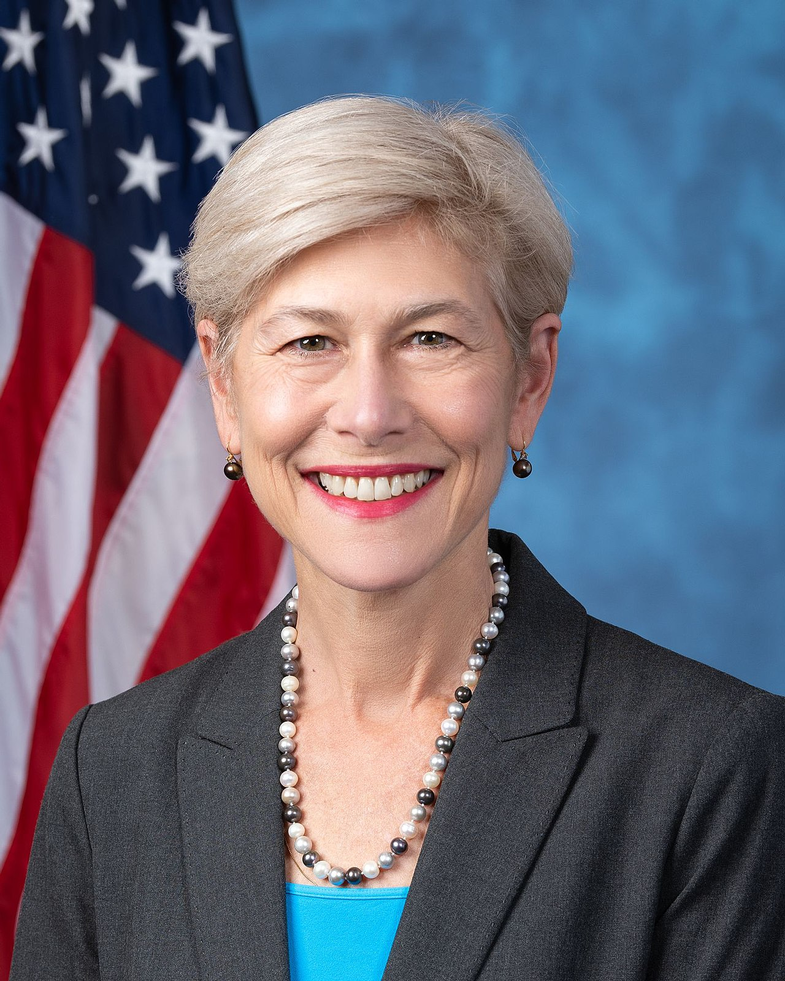
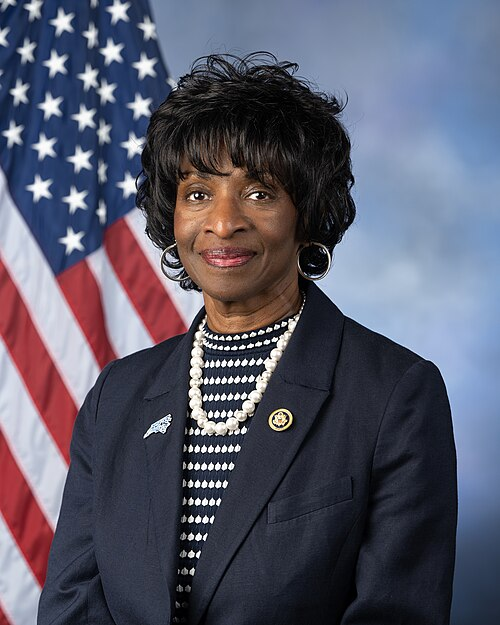
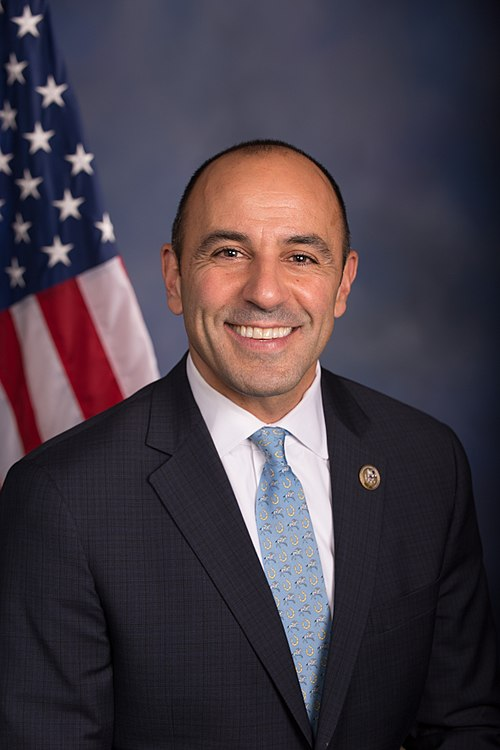
3 bill sponsors
Actions
2 actions
| Date | Action |
|---|---|
| Jul. 27, 2026 | Introduced in House |
| Jul. 27, 2026 | Referred to the House Committee on Education and Workforce. |
Corporate Lobbying
0 companies lobbying
None found.
* Note that there can be significant delays in lobbying disclosures, and our data may be incomplete.
Potentially Relevant Congressional Stock Trades
No relevant congressional stock trades found.