
H.R. 9960: Higher Education Access and Success for Homeless and Foster Youth Act of 2026
This bill would change federal higher education rules to make it easier for homeless youth, unaccompanied students, and foster care youth to apply for and keep getting financial aid and other college support.
What it changes in federal law
The bill updates the Higher Education Act to define key terms more clearly, including:
- Foster care youth: children and young adults whose care is the responsibility of a state or tribal foster care agency, including some people who aged out of foster care after age 13.
- Homeless youth: using the definition already found in the McKinney-Vento Homeless Assistance Act.
- Unaccompanied youth: also using the McKinney-Vento definition.
It also makes a technical correction to remove outdated language in one part of the law.
Help with financial aid decisions
The bill expands the role of the federal student loan ombudsman so that office can help receive, review, and resolve complaints about whether a student should be treated as independent for aid purposes. This would include working with child welfare agencies and school homeless liaisons when needed.
Housing-related requirements for colleges
Colleges and universities that participate in federal student aid programs would have new responsibilities related to housing for these students. The bill would require institutions to:
- Designate a trained staff member as a liaison for homeless youth and foster care youth.
- Post the liaison’s contact information and information about how students can prove they are independent for aid purposes.
- Post information about aid and support services available to homeless youth, unaccompanied students, at-risk self-supporting students, and foster care youth.
- Give these students priority for institutionally owned or operated housing, including housing available during breaks or year-round.
- Develop a plan for helping them access housing during and between academic terms, including during school breaks.
- Allow students to voluntarily indicate in admissions materials that they may be homeless or in foster care, for the limited purpose of connecting them to aid and support.
The bill also says schools should provide a way for students to access campus housing if they temporarily cannot pay housing costs, including deposits, due to delayed voucher payments or delays caused by the institution.
Changes to federal college access and support programs
The bill adds homeless and foster care youth to several existing federal college access programs, including TRIO, Talent Search, Upward Bound, Student Support Services, Educational Opportunity Centers, and Gaining Early Awareness and Readiness for Undergraduate Programs (GEAR UP). In general, those programs would need to:
- Identify and actively reach out to these students.
- Remove barriers that could make it harder for them to join or stay in the program.
- Describe outreach activities in grant applications.
- Report at the end of the project on how many such students were served and what strategies worked best.
The bill also allows these students to be specifically prioritized in Federal Work-Study employment.
In-state tuition
One section would require states to charge homeless youth and foster care youth no more than in-state tuition and required fees at public colleges and universities in that state.
Federal guidance, training, and reporting
The Secretary of Education would have to:
- Issue updated guidance to colleges and financial aid administrators within 120 days of enactment.
- Provide annual training or professional development for campus liaisons and interested staff.
- Submit a report to Congress within one year, and at least every five years after that, describing strategies that help these students enroll, stay enrolled, and complete college.
Data transparency
The bill would require colleges to report the number of pending or undetermined requests from students asking to be treated as homeless for financial aid purposes.
Relevant Companies
None found
This is an AI-generated summary of the bill text. There may be mistakes.
Sponsors
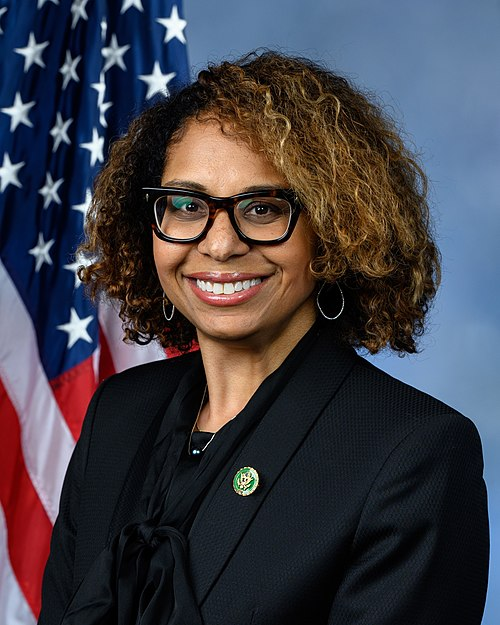
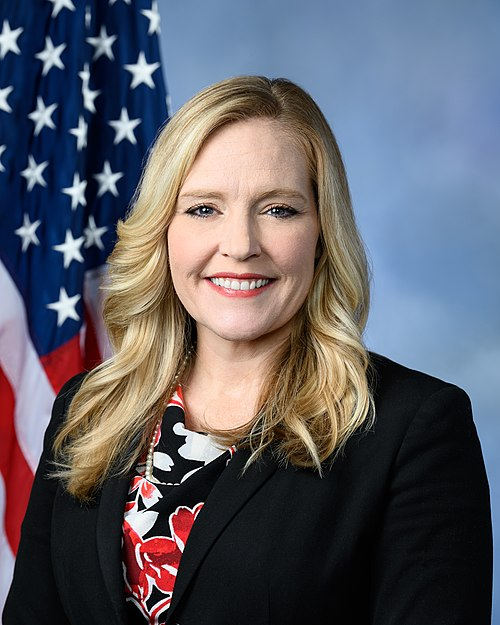
2 bill sponsors
Actions
2 actions
| Date | Action |
|---|---|
| Jul. 27, 2026 | Introduced in House |
| Jul. 27, 2026 | Referred to the House Committee on Education and Workforce. |
Corporate Lobbying
0 companies lobbying
None found.
* Note that there can be significant delays in lobbying disclosures, and our data may be incomplete.
Potentially Relevant Congressional Stock Trades
No relevant congressional stock trades found.