
H.R. 9946: Equity in STI Testing Act
This bill would require more health plans and federal health programs to cover certain sexually transmitted infection (STI) tests without charging patients out of pocket.
What tests are covered
The bill focuses on screening tests for:
- HIV
- Gonorrhea
- Syphilis
- Trichomoniasis
- Chlamydia
It also covers the administration of those tests, meaning the act of giving the test itself would be included in the coverage.
Where the changes would apply
The bill would extend this no-cost coverage requirement across several programs:
- Medicare Advantage: These plans would have to include the listed STI screenings as a covered preventive service.
- Medicaid: State Medicaid programs would have to cover the tests, and beneficiaries could not be charged cost-sharing for them.
- CHIP (the Children’s Health Insurance Program): Coverage would be required for the listed screenings for eligible children, without cost-sharing.
- TRICARE: Military health coverage would have to include these screenings for covered beneficiaries, including members of TRICARE Prime, TRICARE Select, and certain other military health care arrangements, without cost-sharing.
- Veterans Health Care: The Department of Veterans Affairs would have to provide these screenings to enrolled veterans at VA medical facilities without copayments or other charges.
- Indian Health Service: The federal government would have to cover these screenings for Indians receiving health services through the Indian Health Service, including Urban Indian Organizations, without cost-sharing.
Cost-sharing changes
For the programs covered by the bill, patients generally could not be required to pay copayments, deductibles, or similar out-of-pocket costs for these STI screenings.
Timing
The bill sets different effective dates depending on the program:
- Some changes would take effect on the date the bill is enacted.
- For Medicaid and CHIP, the new requirements would generally apply starting with calendar quarters beginning one year after enactment, with a delay if a state needs to pass its own legislation to comply.
- TRICARE changes would take effect on January 1 of the year after enactment.
- Veterans and Indian Health Service provisions would also apply on the dates specified in the bill, generally beginning after enactment or at the start of the next calendar year.
Relevant Companies
None found
This is an AI-generated summary of the bill text. There may be mistakes.
Sponsors
12 bill sponsors
-
TrackNikema Williams
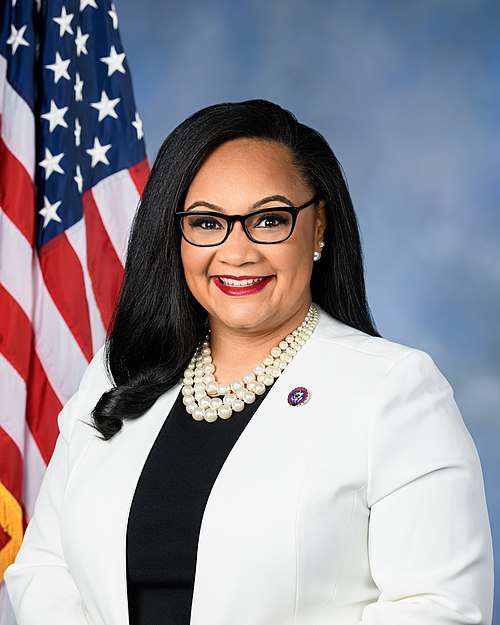
Sponsor
-
TrackBecca Balint
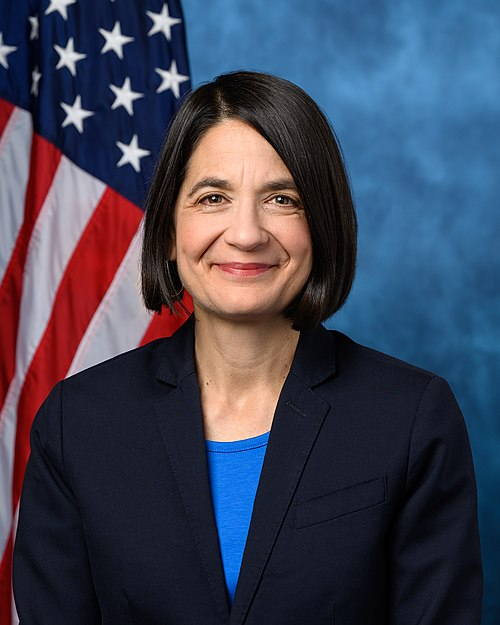
Co-Sponsor
-
TrackYvette D. Clarke

Co-Sponsor
-
TrackJesús G. "Chuy" García
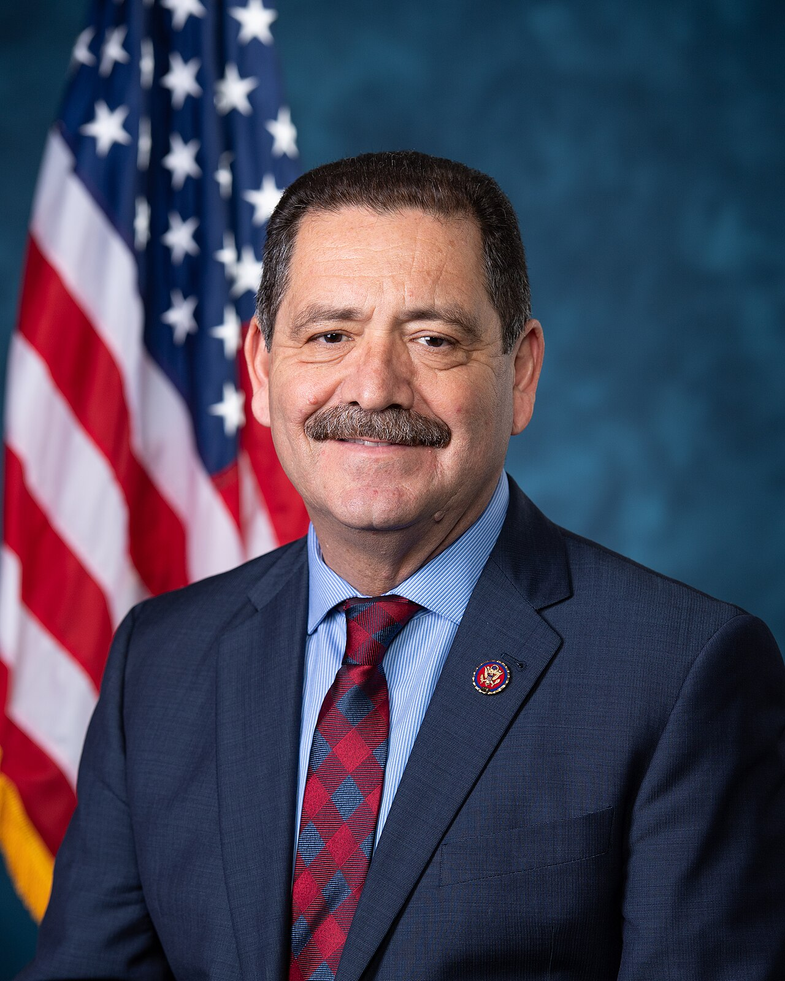
Co-Sponsor
-
TrackLaMonica McIver

Co-Sponsor
-
TrackEleanor Holmes Norton

Co-Sponsor
-
TrackMark Pocan
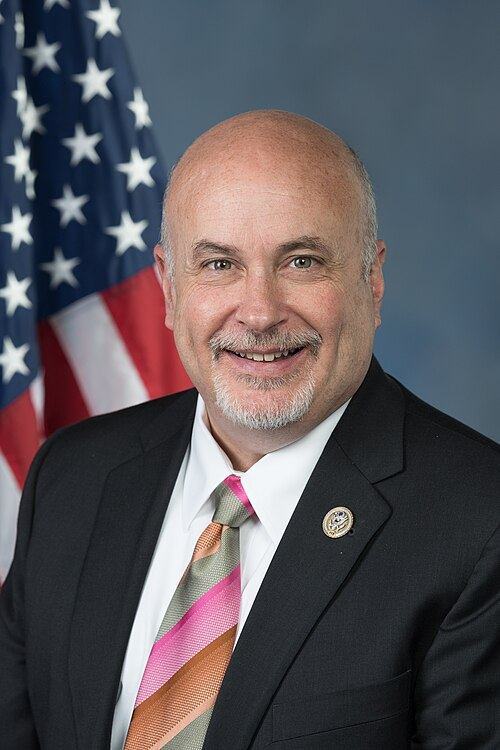
Co-Sponsor
-
TrackMike Quigley

Co-Sponsor
-
TrackRashida Tlaib
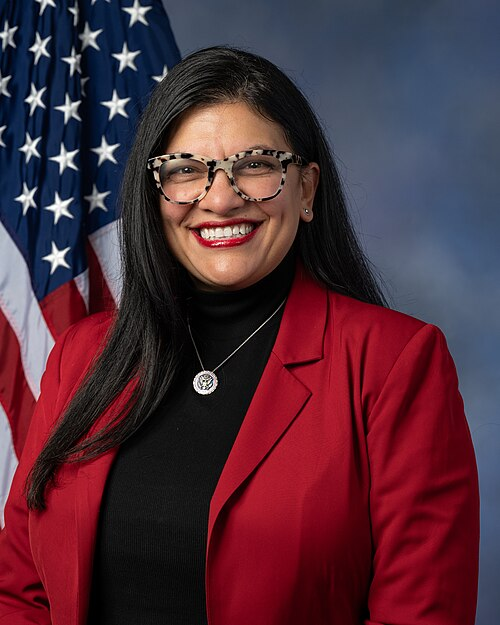
Co-Sponsor
-
TrackRitchie Torres

Co-Sponsor
-
TrackNydia M. Velázquez
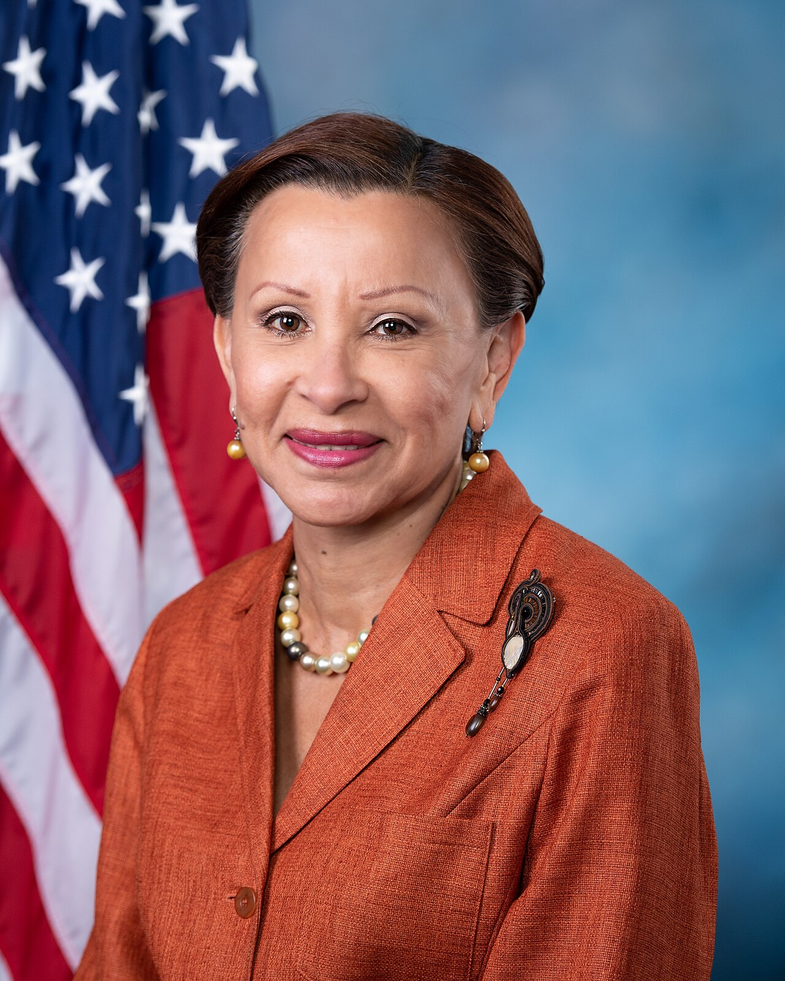
Co-Sponsor
-
TrackFrederica S. Wilson
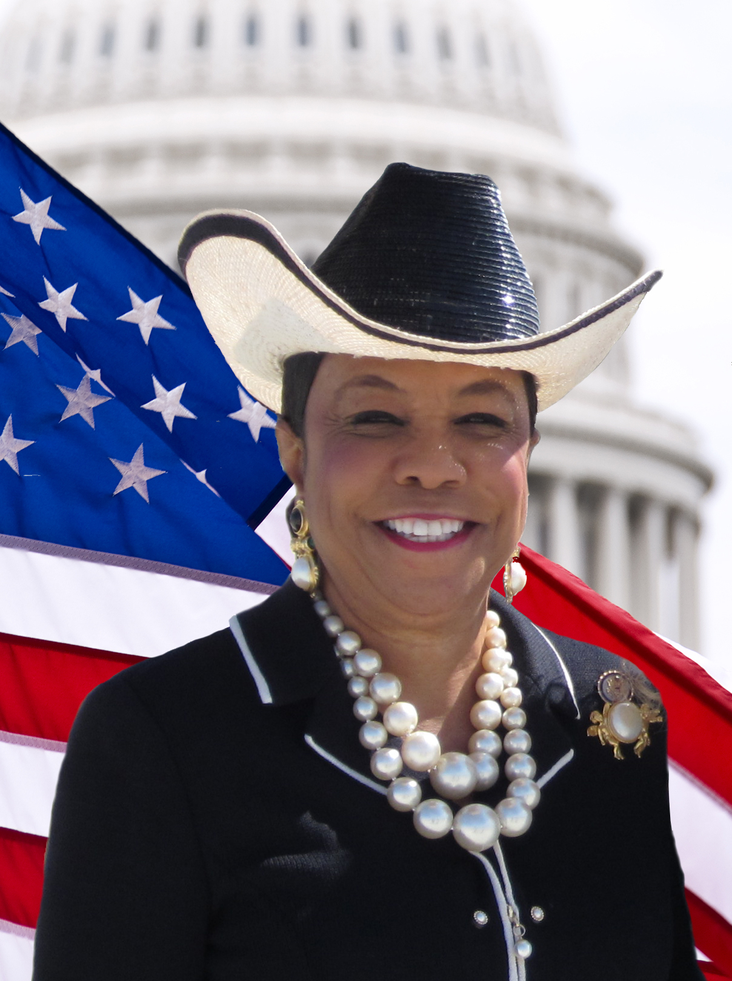
Co-Sponsor
Actions
2 actions
| Date | Action |
|---|---|
| Jul. 23, 2026 | Introduced in House |
| Jul. 23, 2026 | Referred to the Committee on Energy and Commerce, and in addition to the Committees on Ways and Means, Veterans' Affairs, Armed Services, and Natural Resources, for a period to be subsequently determined by the Speaker, in each case for consideration of such provisions as fall within the jurisdiction of the committee concerned. |
Corporate Lobbying
0 companies lobbying
None found.
* Note that there can be significant delays in lobbying disclosures, and our data may be incomplete.
Potentially Relevant Congressional Stock Trades
No relevant congressional stock trades found.