
H.R. 9944: Temporary Protected Status Review Act
This bill would change how Temporary Protected Status (TPS) decisions are reviewed and challenged in court. TPS is a form of immigration protection that can let people from certain countries stay and work in the United States when conditions in their home country are unsafe, such as during war, natural disaster, or a public health emergency.
What the bill does
The bill would make it easier for people and other affected parties to get a court to review a decision by the Department of Homeland Security (DHS) to end TPS for a country. Under current law, some TPS-related decisions are harder or impossible to challenge in court. This bill would state that TPS terminations are final agency actions that can be reviewed under the federal Administrative Procedure Act.
It would allow lawsuits to be filed by:
- an individual who has TPS, applied for it, or is eligible for it;
- a class of such individuals;
- organizations that represent or serve TPS applicants or beneficiaries; or
- a state or local government claiming injury from the termination.
These cases could be filed in federal district court, including in Washington, D.C.
How TPS terminations would be handled
Before ending TPS for a country, DHS would have to prepare a detailed written record explaining the decision. The bill says the decision must:
- be based on the official administrative record;
- include findings of fact and legal conclusions;
- address the reasons TPS was originally granted;
- consider relevant current country conditions and information from sources like the State Department, other federal agencies, international organizations, and credible non-government groups;
- explain any important evidence that goes against the decision; and
- certify that the decision was not based on improper factors like race, religion, ethnicity, national origin, or political viewpoint.
The written decision would have to be published in the Federal Register. A termination could not take effect until at least 60 days after that publication, or later if another TPS extension is still in effect.
Court review rules
The bill would set specific rules for how courts review a TPS termination:
- The court would generally review the administrative record, but could look at outside evidence in limited situations, such as bad faith or important omissions.
- The government would have to prove, by clear and convincing evidence, that the termination was lawful and properly supported.
- If the government does not meet that burden, the court would vacate the termination.
- The court could set aside the termination, pause it, order TPS to continue, require DHS to reconsider, or grant other appropriate relief.
While a lawsuit is pending, the challenged termination would be automatically stayed. That means:
- existing TPS grants would remain in effect;
- people affected could stay in the U.S.;
- related work authorization would stay valid and could be extended as needed; and
- people could not be removed, detained only because of the termination, or denied immigration benefits, licenses, or work authorization solely because of the termination.
Other procedural changes
The bill would require DHS to create a process for reviewing denials of TPS benefits. It would also say that people can still raise TPS protection in removal proceedings if they can show they are nationals of a TPS-designated country.
In addition, the bill would amend the Congressional Review Act so that a TPS termination, partial termination, or major reduction in TPS would count as a “major rule.” That would subject it to congressional review procedures. The bill also says such a determination would not take effect until the required congressional submission steps are completed and the normal waiting period for major rules has passed.
Who it applies to
The bill would apply to TPS designations, redesignations, extensions, and terminations made on or after the date it becomes law. It would also apply to court cases already pending on that date, as well as new cases filed after that date.
Relevant Companies
None found
This is an AI-generated summary of the bill text. There may be mistakes.
Sponsors
73 bill sponsors
-
TrackDebbie Wasserman Schultz
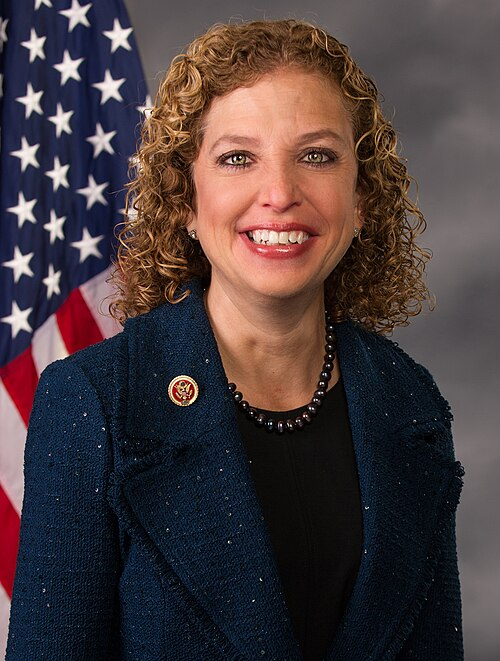
Sponsor
-
TrackAlma S. Adams
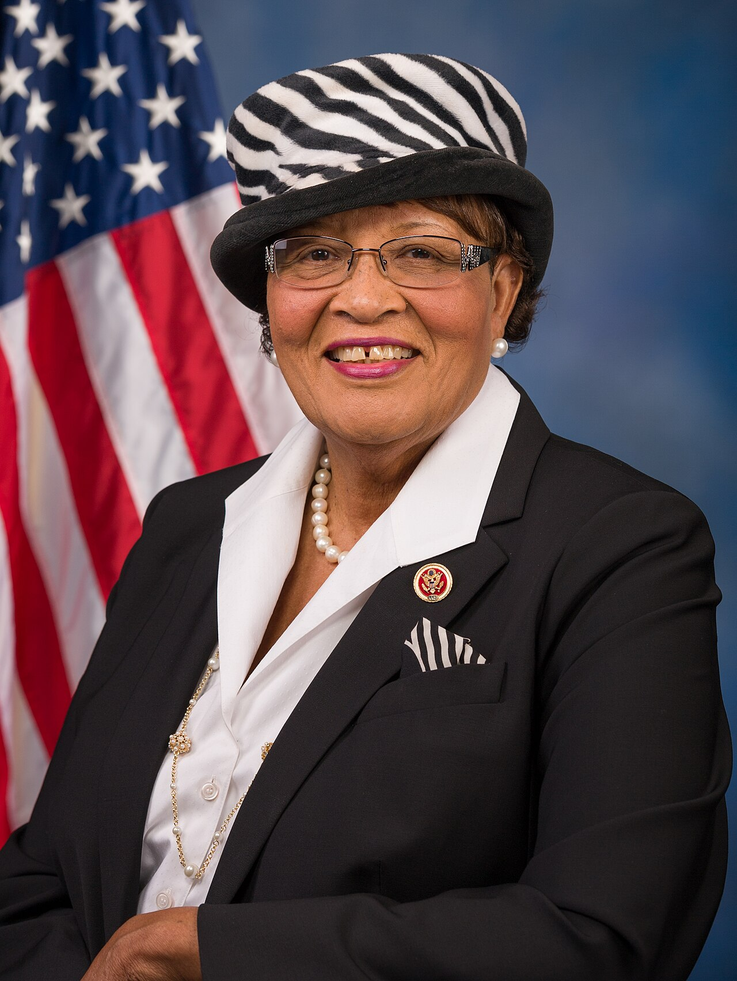
Co-Sponsor
-
TrackGabe Amo
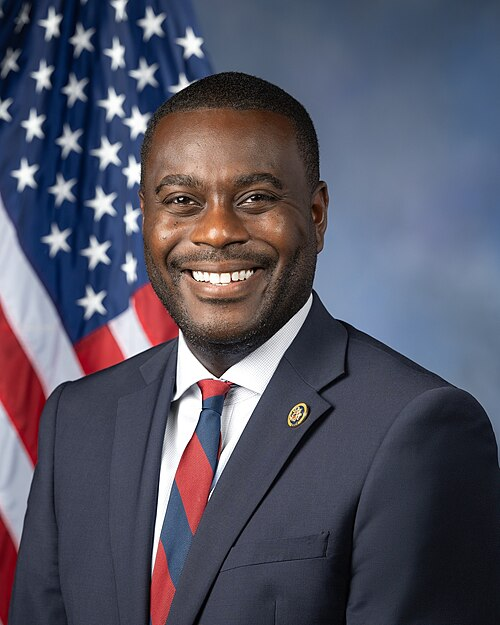
Co-Sponsor
-
TrackWesley Bell
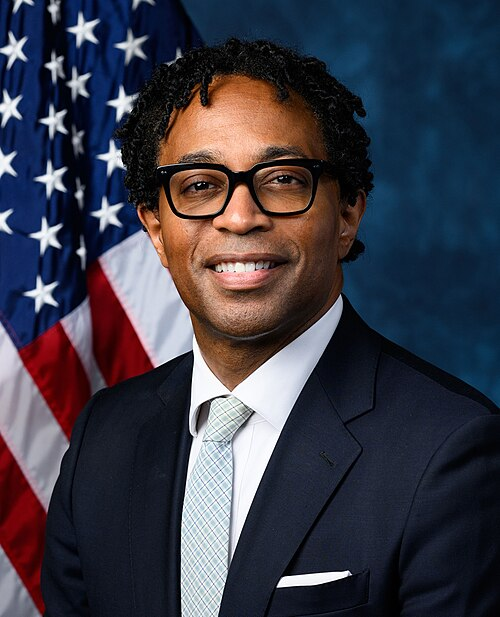
Co-Sponsor
-
TrackDonald S. Beyer, Jr.
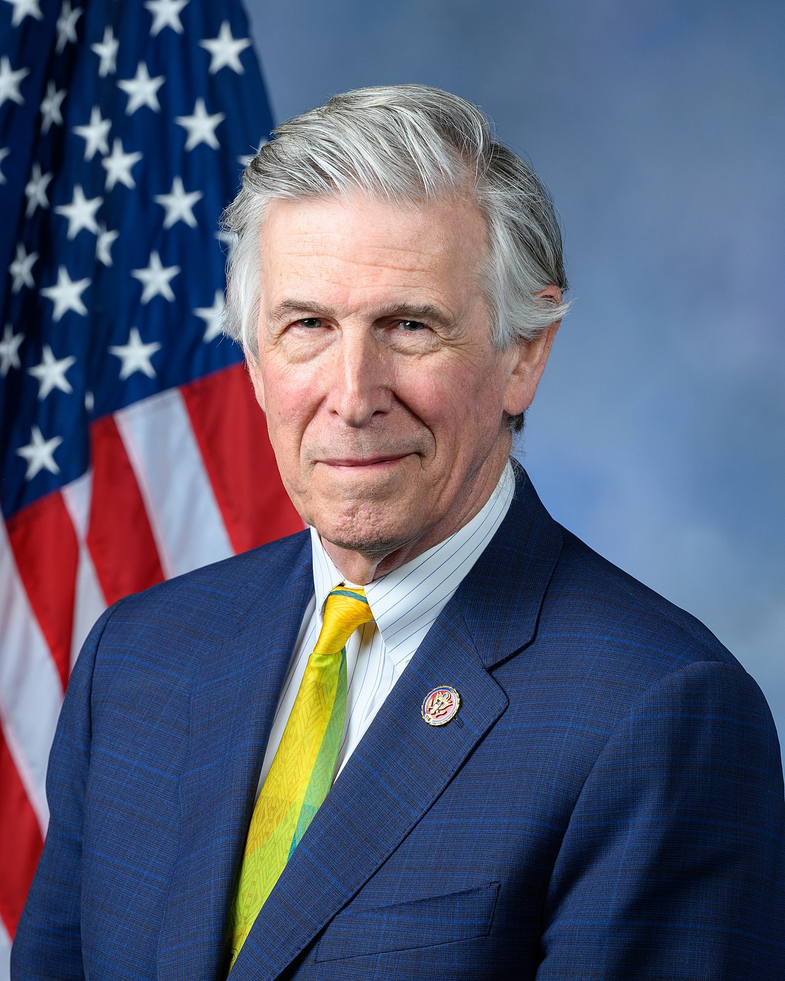
Co-Sponsor
-
TrackSuzanne Bonamici
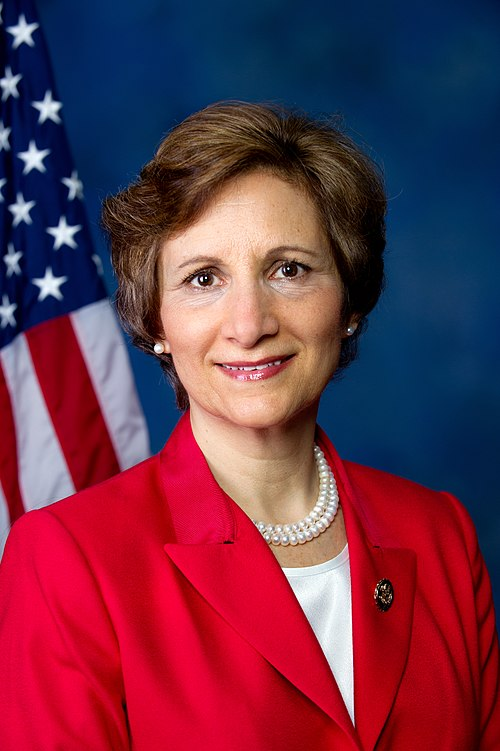
Co-Sponsor
-
TrackShontel M. Brown

Co-Sponsor
-
TrackAndré Carson
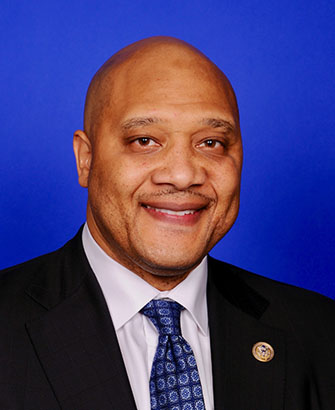
Co-Sponsor
-
TrackKathy Castor
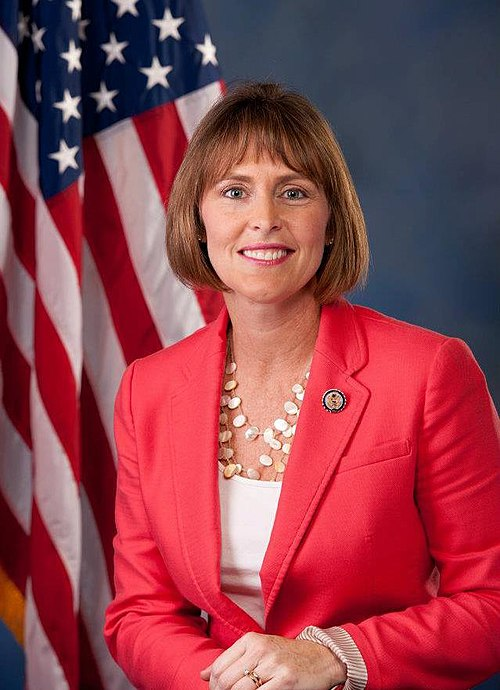
Co-Sponsor
-
TrackJoaquin Castro
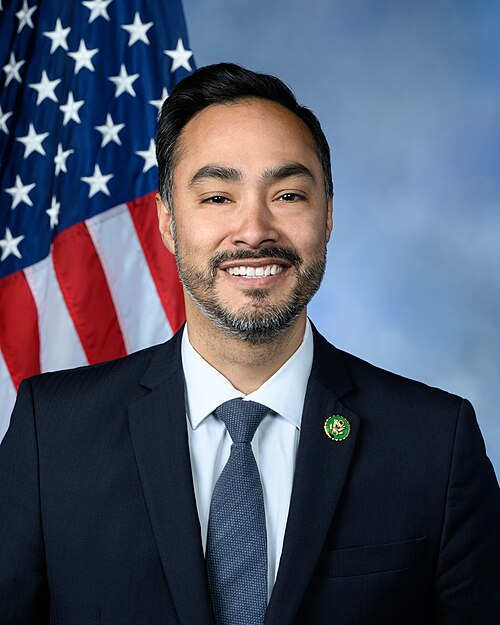
Co-Sponsor
-
TrackJudy Chu
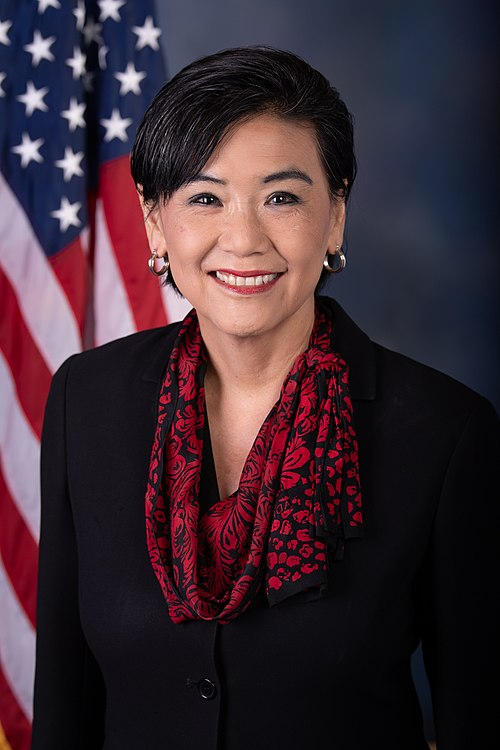
Co-Sponsor
-
TrackYvette D. Clarke

Co-Sponsor
-
TrackAngie Craig
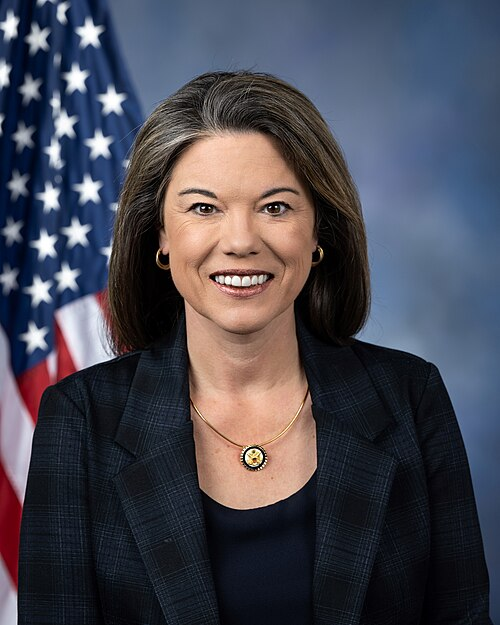
Co-Sponsor
-
TrackDanny K. Davis
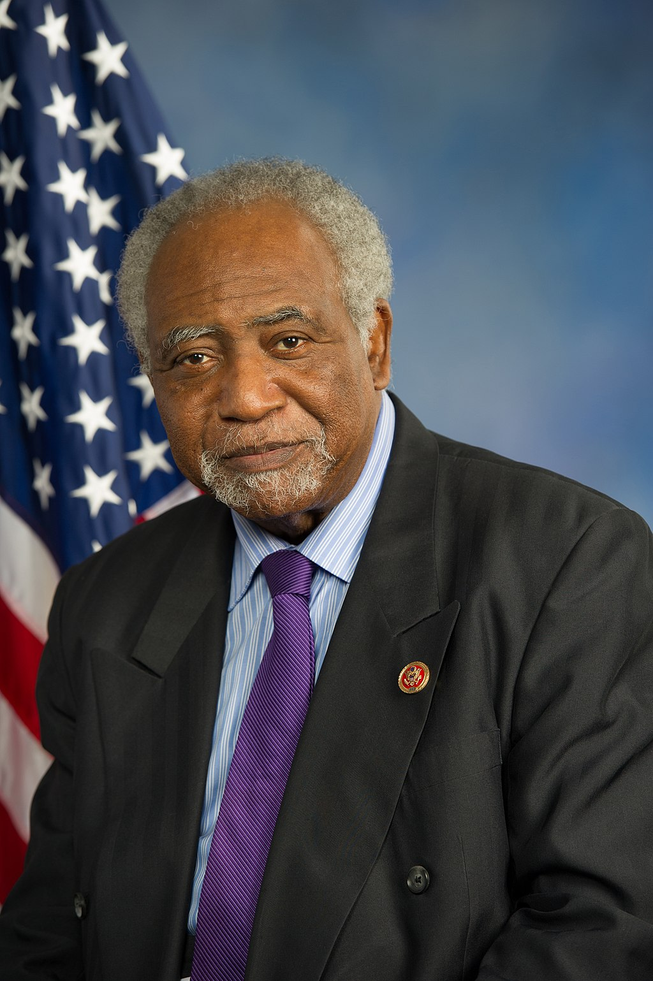
Co-Sponsor
-
TrackDiana DeGette

Co-Sponsor
-
TrackMark DeSaulnier
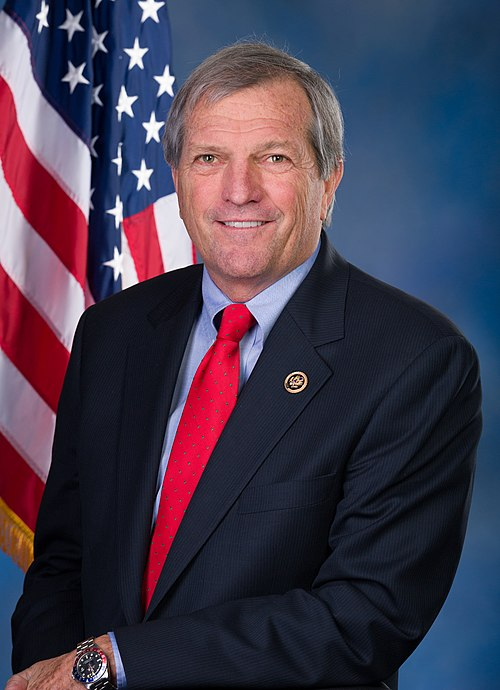
Co-Sponsor
-
TrackSuzan K. DelBene
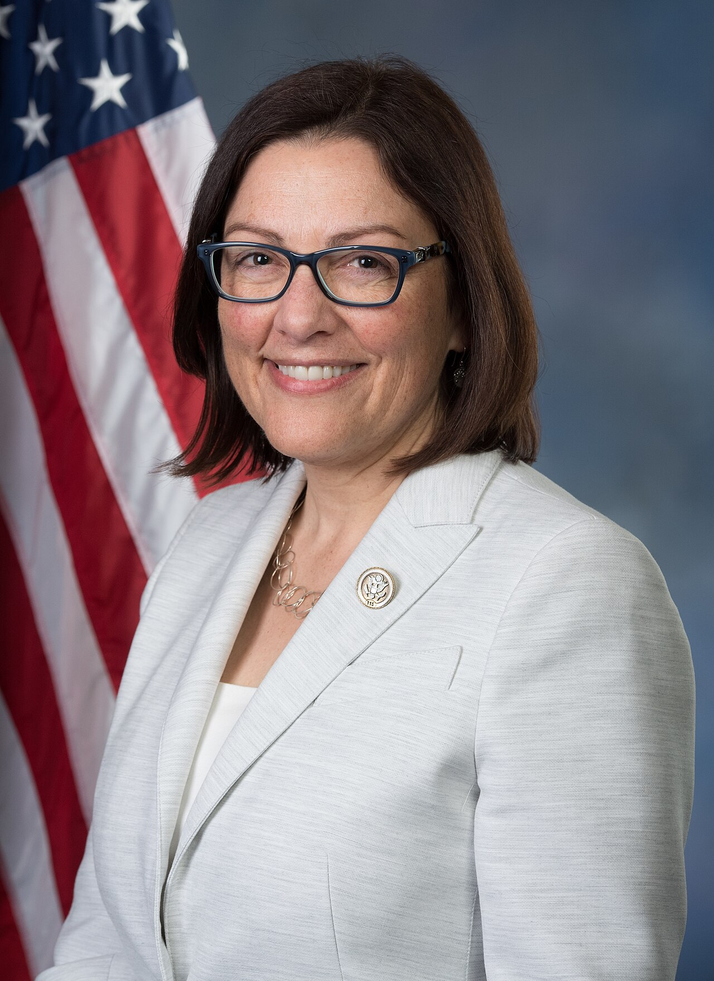
Co-Sponsor
-
TrackMaxine Dexter

Co-Sponsor
-
TrackAdriano Espaillat
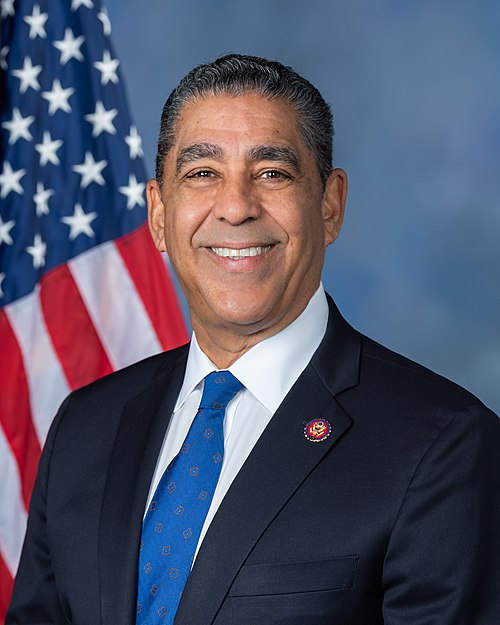
Co-Sponsor
-
TrackLizzie Fletcher

Co-Sponsor
-
TrackLois Frankel
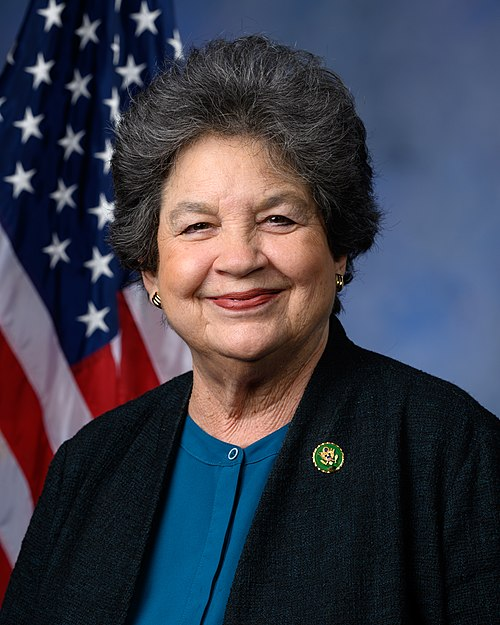
Co-Sponsor
-
TrackMaxwell Frost

Co-Sponsor
-
TrackJesús G. "Chuy" García
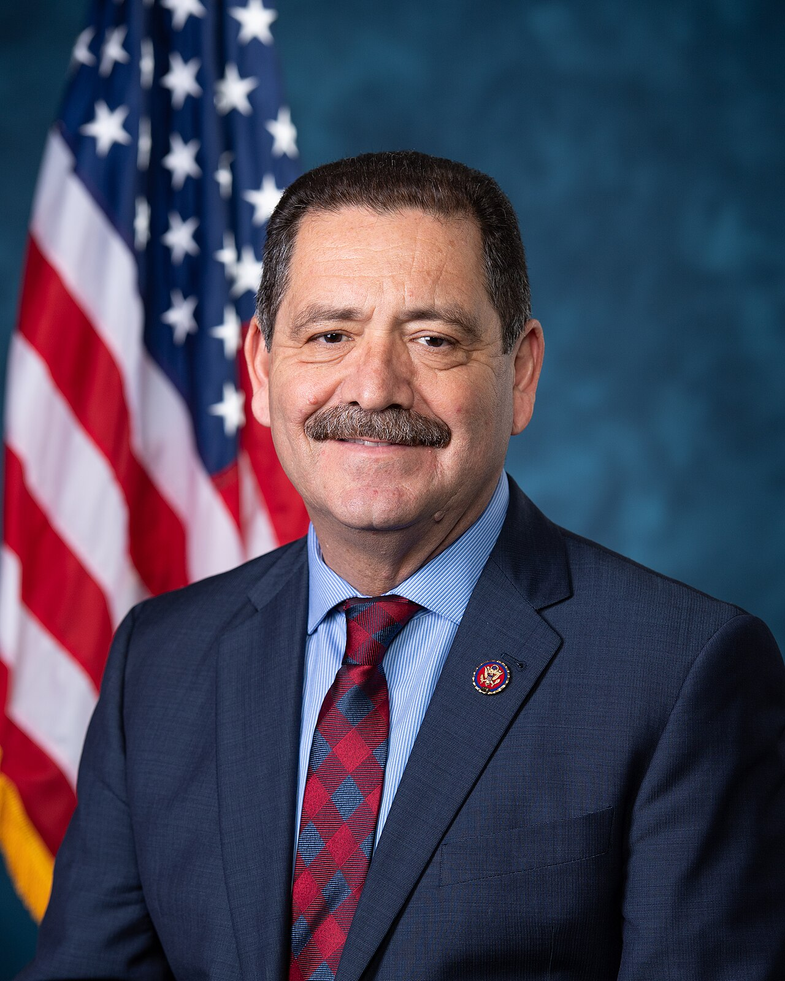
Co-Sponsor
-
TrackJimmy Gomez
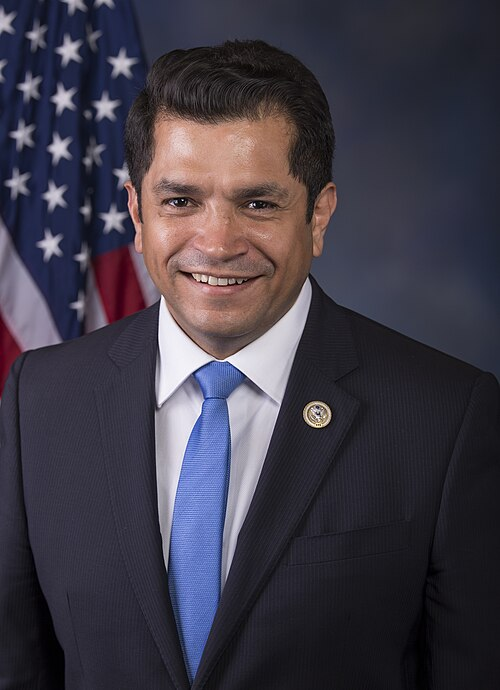
Co-Sponsor
-
TrackAl Green
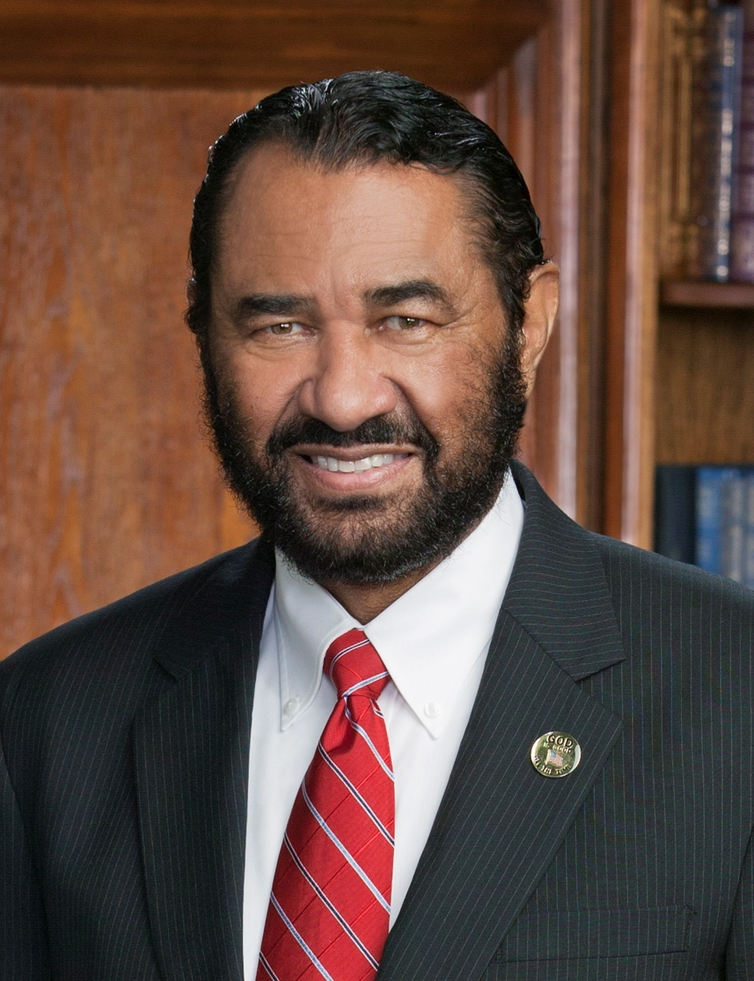
Co-Sponsor
-
TrackSteven Horsford
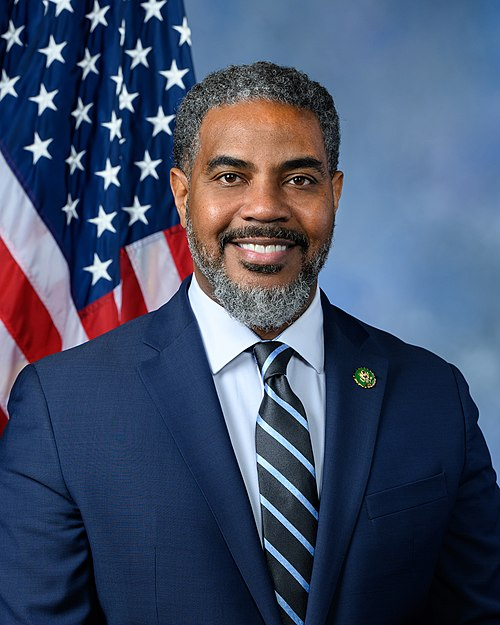
Co-Sponsor
-
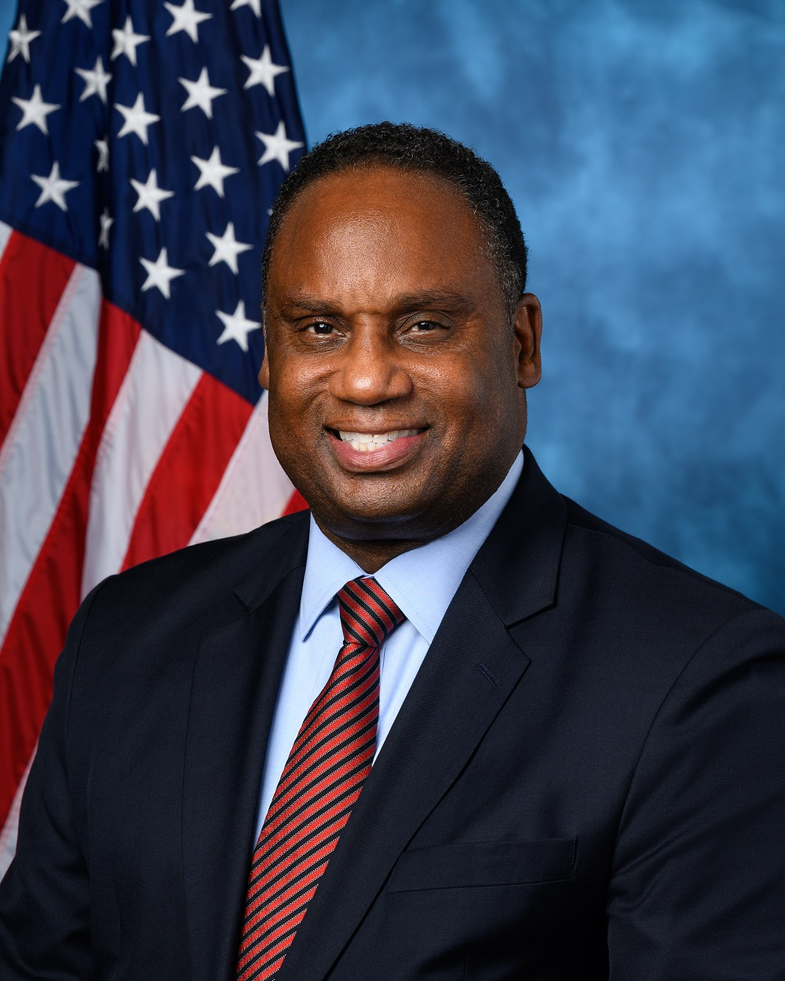
TrackJonathan L. Jackson
Co-Sponsor
-
TrackJulie Johnson

Co-Sponsor
-
TrackHenry C. "Hank" Johnson, Jr.

Co-Sponsor
-
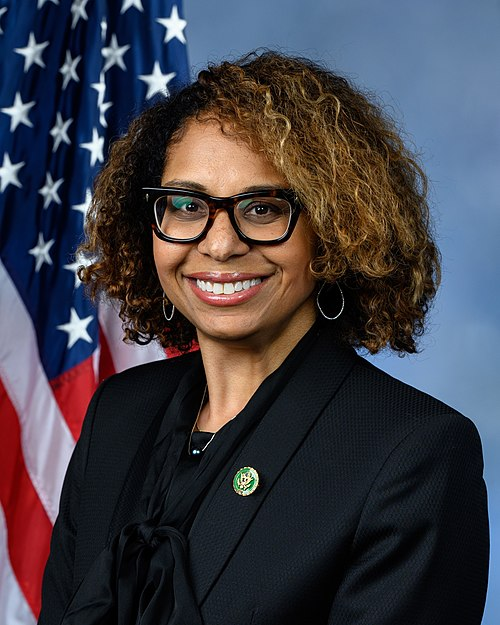
TrackSydney Kamlager-Dove
Co-Sponsor
-
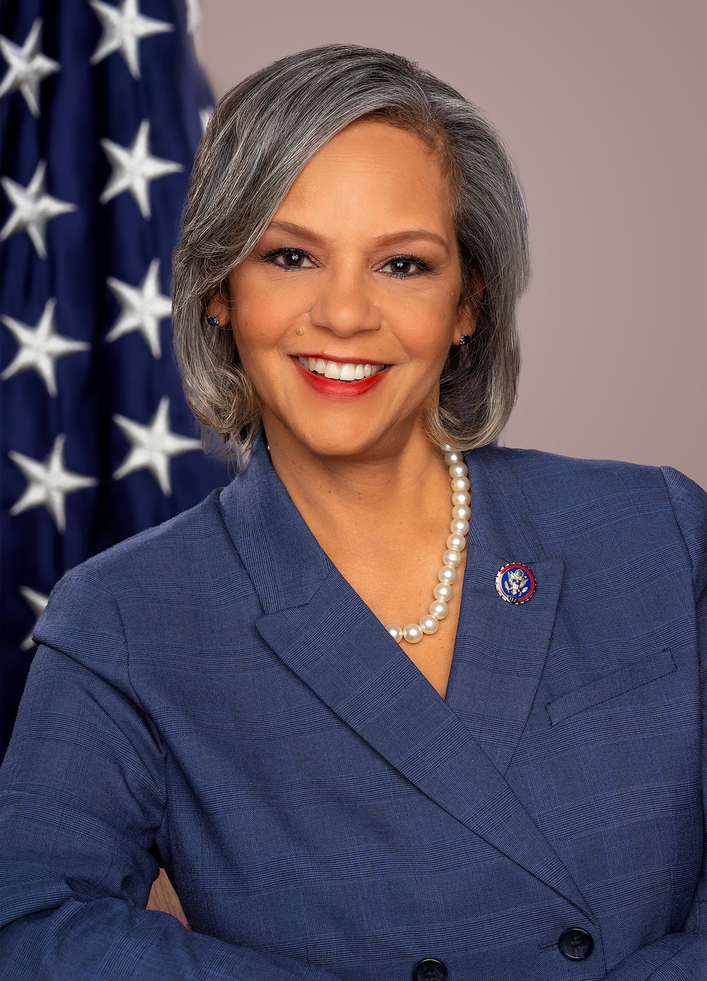
TrackRobin L. Kelly
Co-Sponsor
-
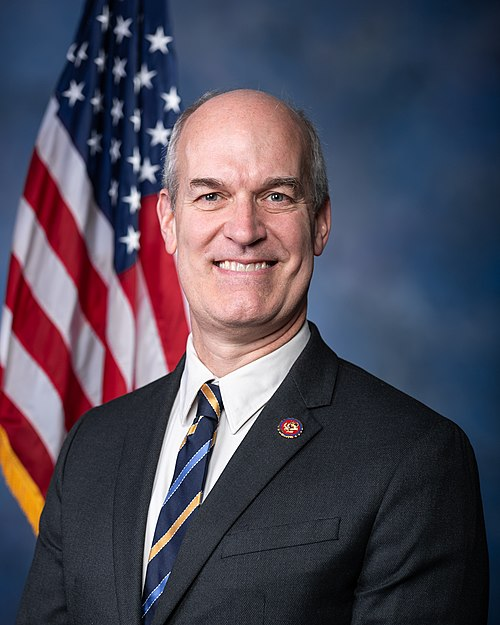
TrackRick Larsen
Co-Sponsor
-
TrackJohn B. Larson
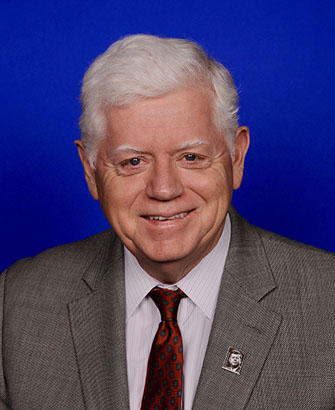
Co-Sponsor
-
TrackGeorge Latimer
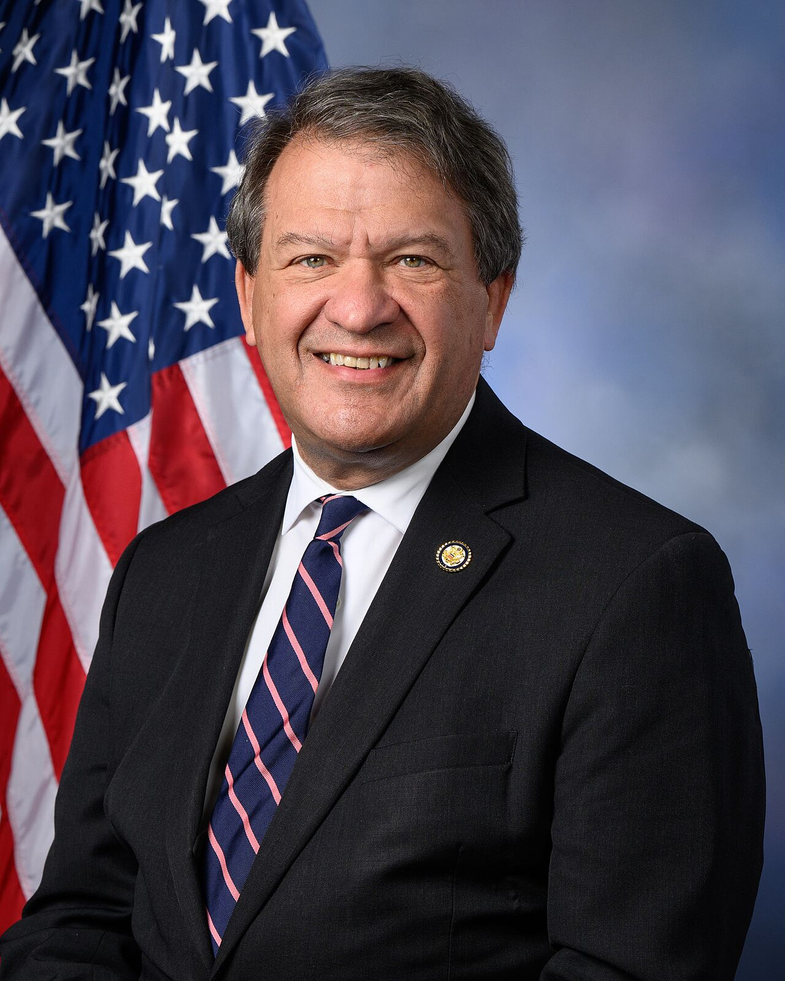
Co-Sponsor
-
TrackZoe Lofgren
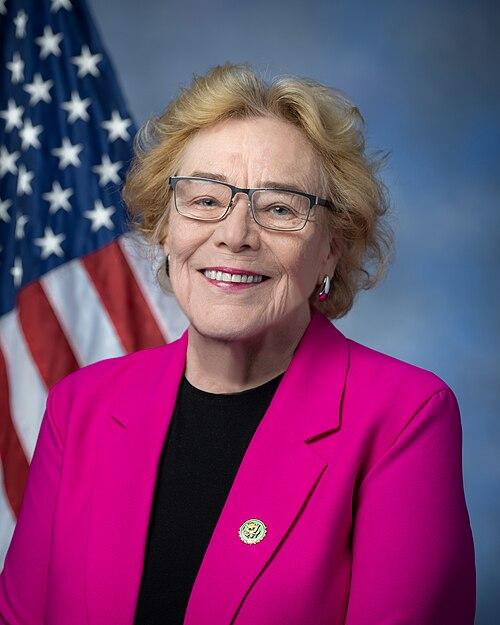
Co-Sponsor
-
TrackStephen F. Lynch
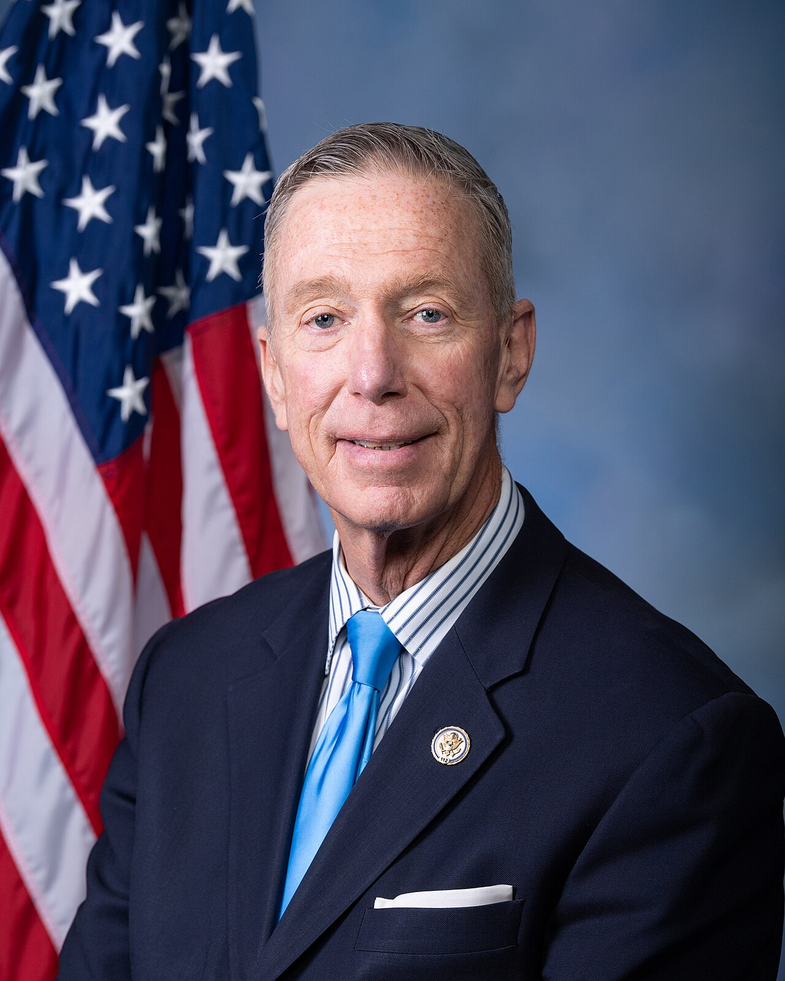
Co-Sponsor
-
TrackJohn Mannion

Co-Sponsor
-
TrackDoris O. Matsui

Co-Sponsor
-
TrackJennifer L. McClellan
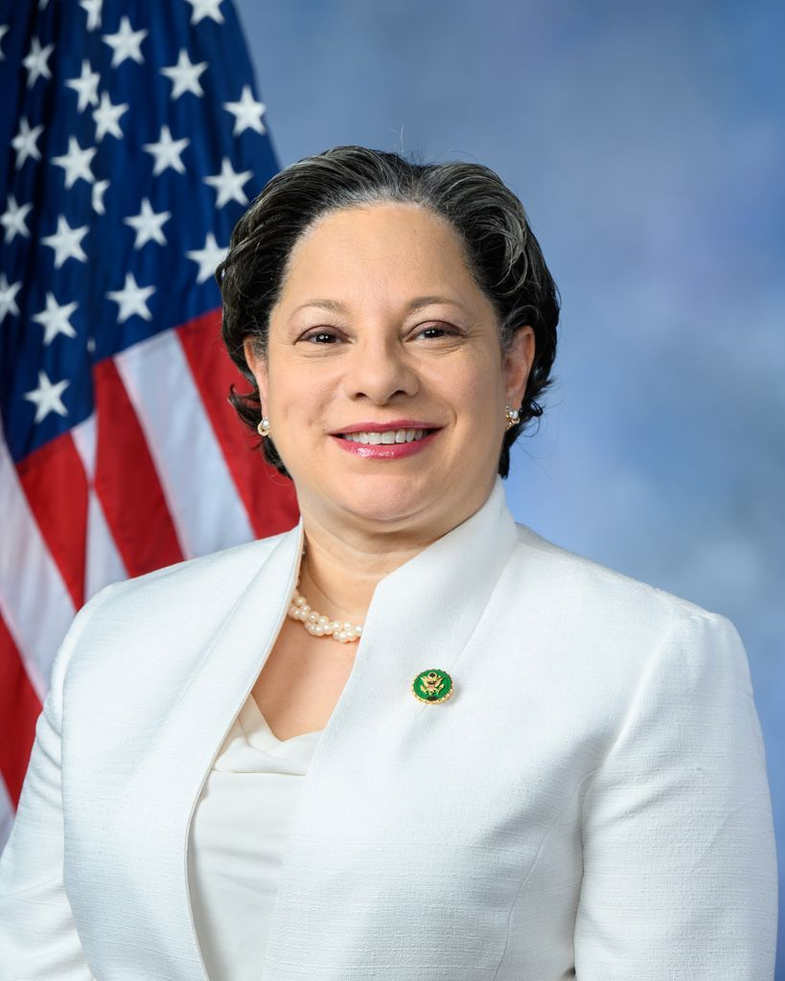
Co-Sponsor
-
TrackMorgan McGarvey
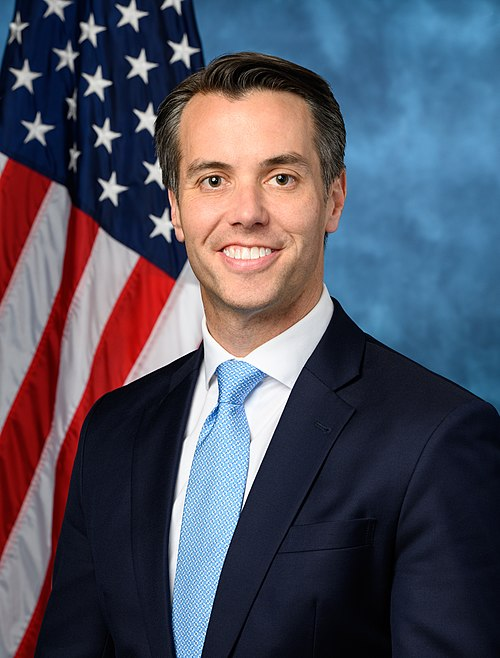
Co-Sponsor
-
TrackJames P. McGovern
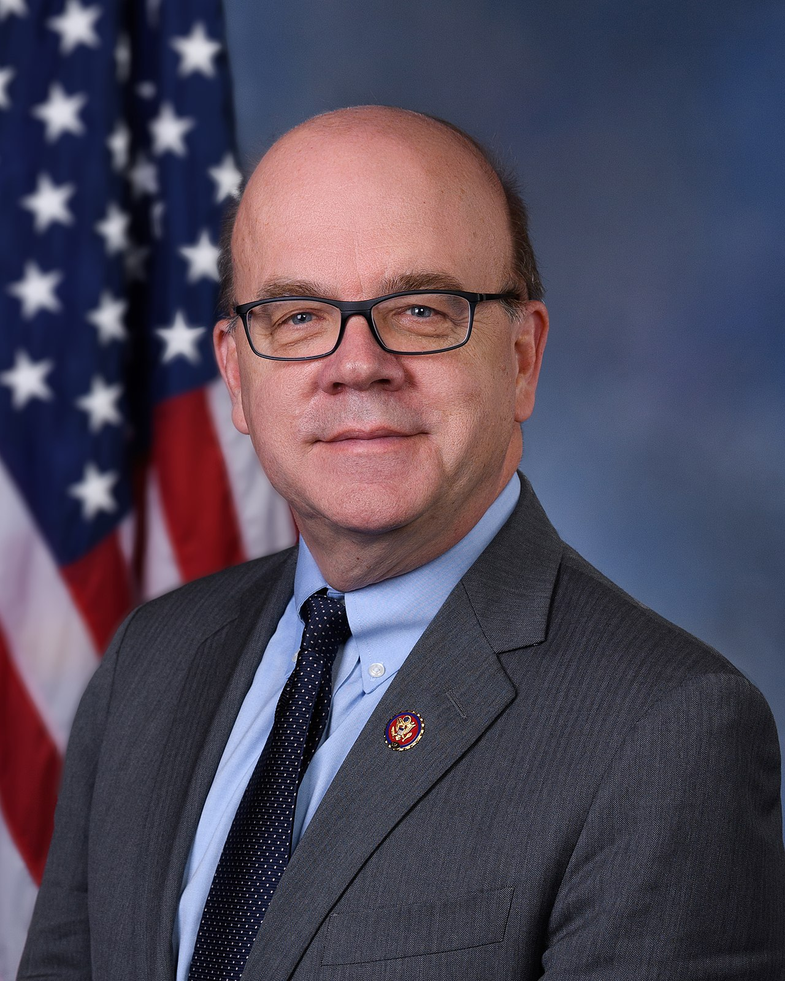
Co-Sponsor
-
TrackGregory W. Meeks

Co-Sponsor
-
TrackGrace Meng
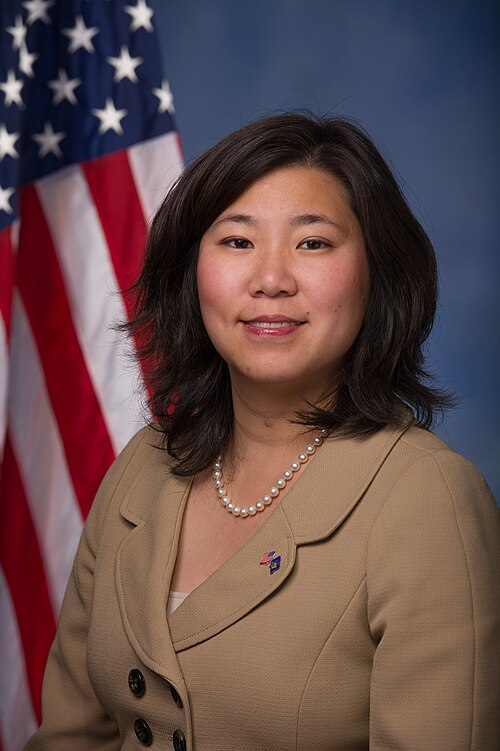
Co-Sponsor
-
TrackJared Moskowitz

Co-Sponsor
-
TrackSeth Moulton
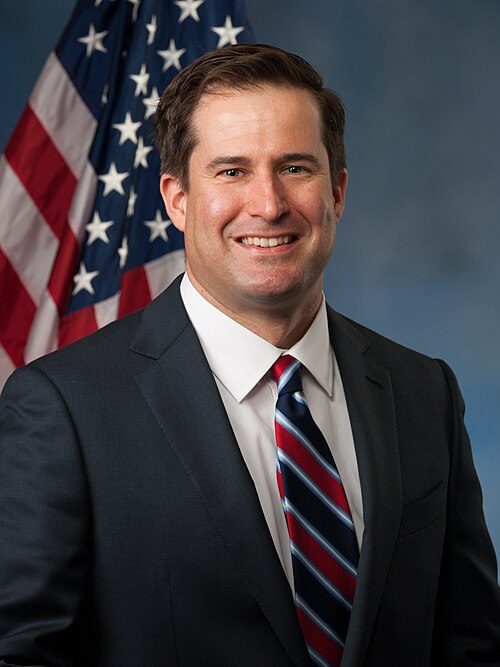
Co-Sponsor
-
TrackEleanor Holmes Norton

Co-Sponsor
-
TrackNancy Pelosi

Co-Sponsor
-
TrackScott H. Peters
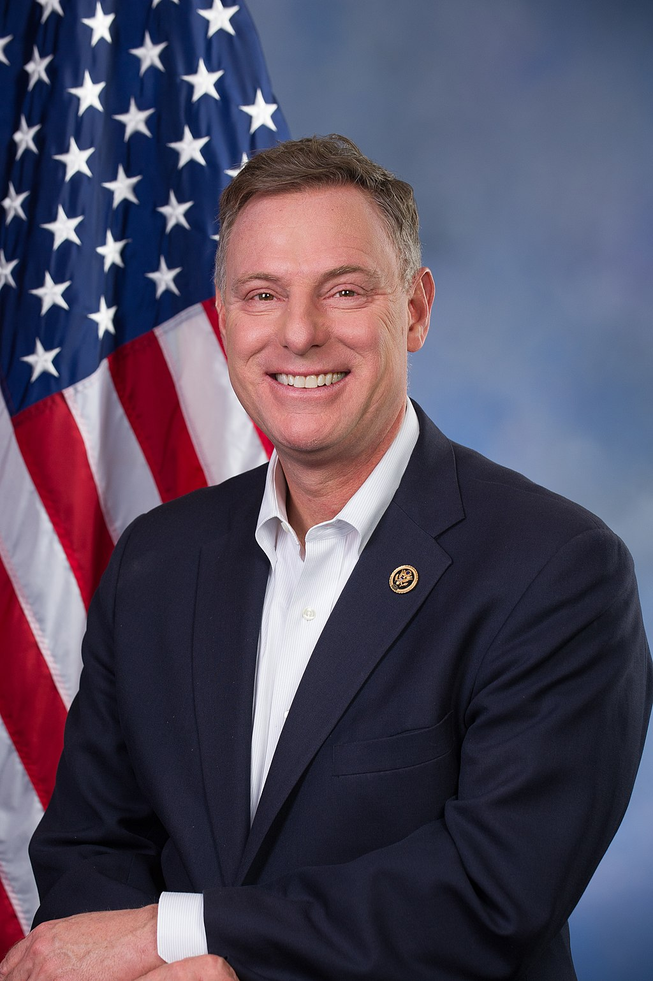
Co-Sponsor
-
TrackBrittany Pettersen
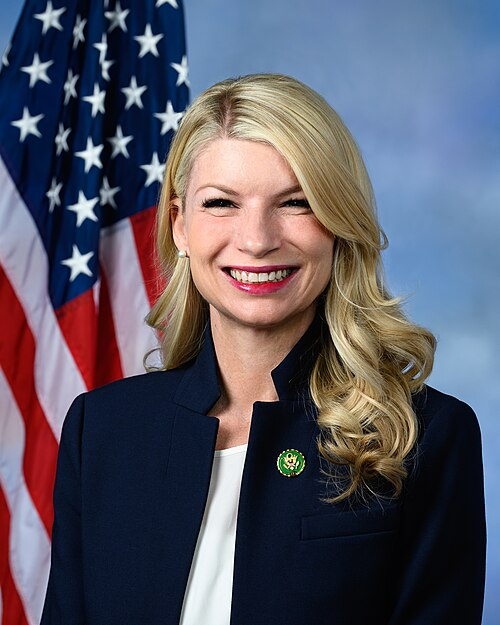
Co-Sponsor
-
TrackStacey E. Plaskett

Co-Sponsor
-
TrackMark Pocan
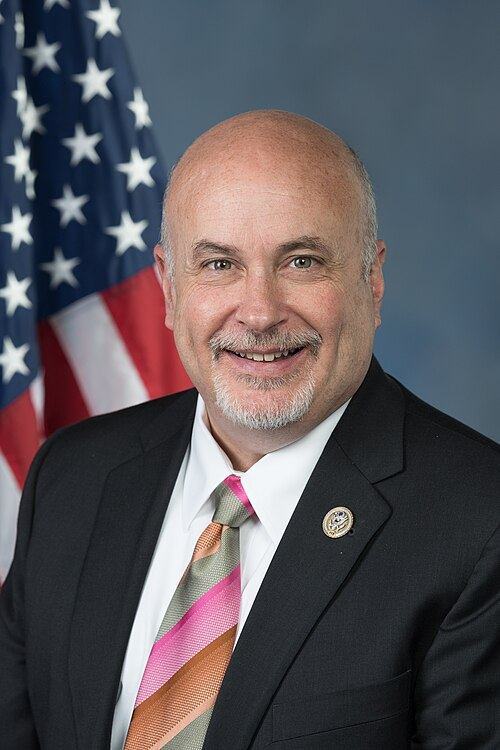
Co-Sponsor
-
TrackAyanna Pressley
Co-Sponsor
-
TrackMike Quigley
Co-Sponsor
-
TrackDeborah K. Ross
Co-Sponsor
-
TrackAndrea Salinas
Co-Sponsor
-
TrackJanice D. Schakowsky

Co-Sponsor
-
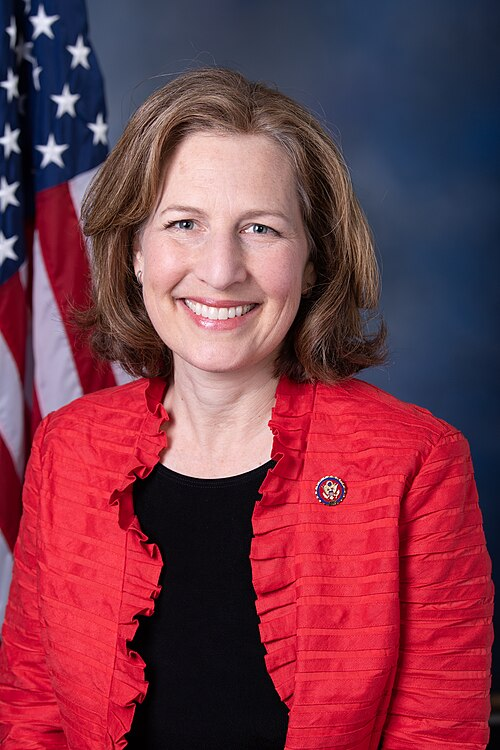
TrackKim Schrier
Co-Sponsor
-
TrackLateefah Simon

Co-Sponsor
-
TrackAdam Smith

Co-Sponsor
-
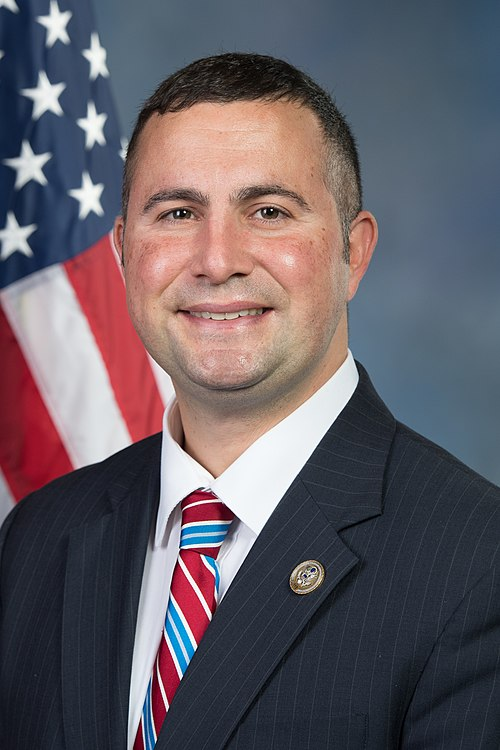
TrackDarren Soto
Co-Sponsor
-
TrackMelanie A. Stansbury

Co-Sponsor
-
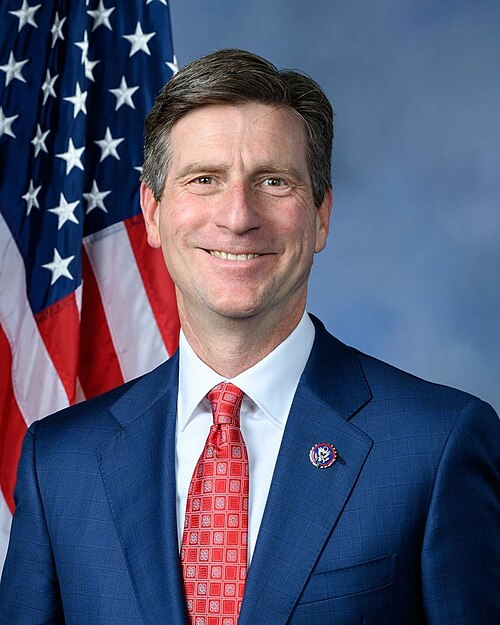
TrackGreg Stanton
Co-Sponsor
-
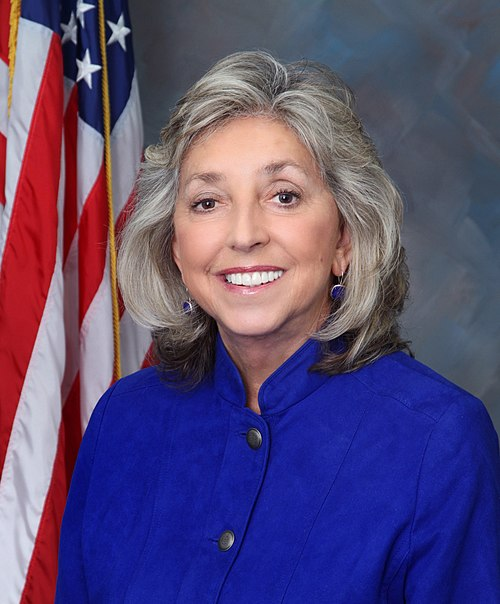
TrackDina Titus
Co-Sponsor
-
TrackRashida Tlaib
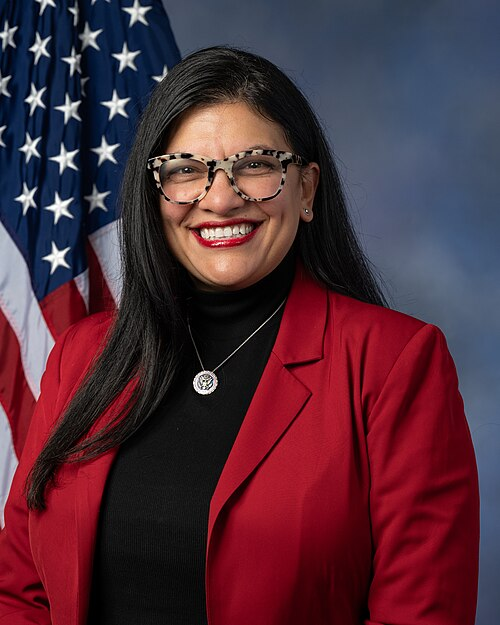
Co-Sponsor
-
TrackPaul Tonko
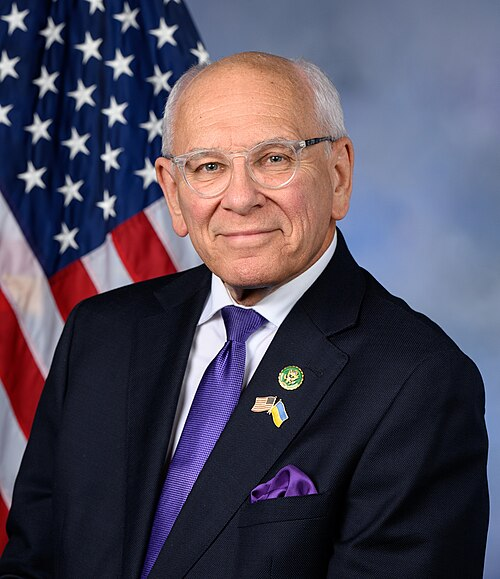
Co-Sponsor
-
TrackRitchie Torres

Co-Sponsor
-
TrackLori Trahan
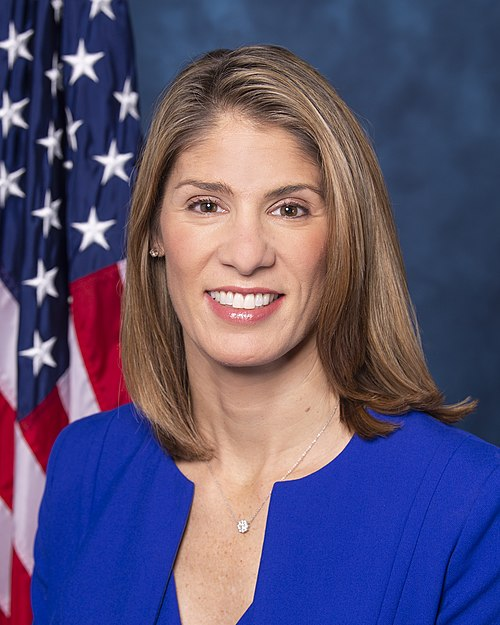
Co-Sponsor
-
TrackMarc A. Veasey
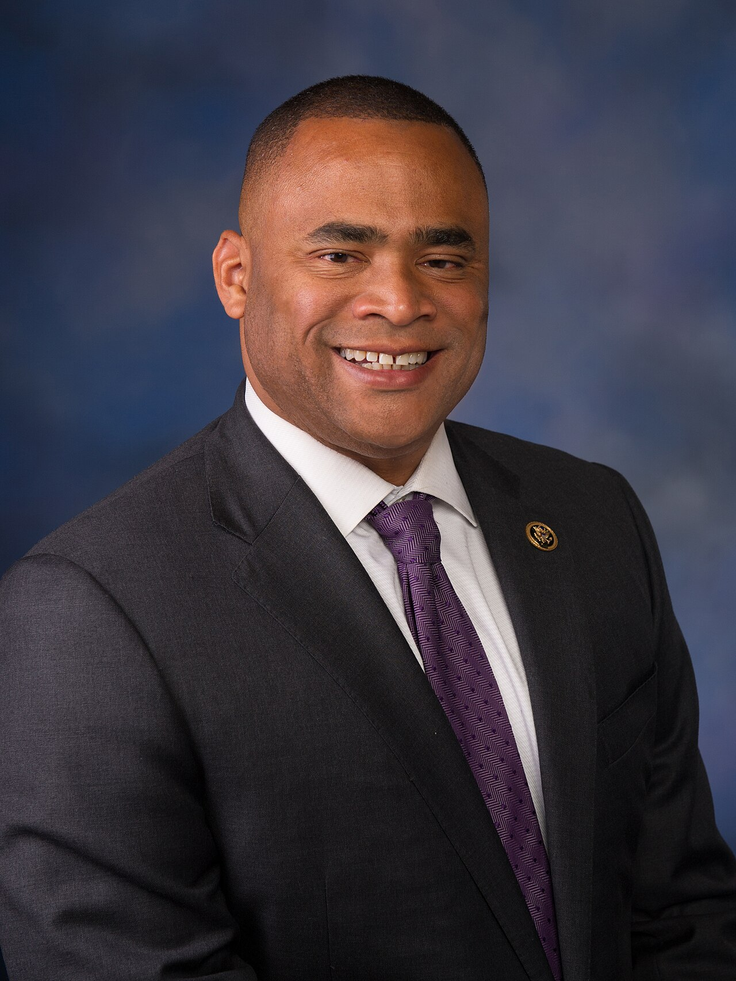
Co-Sponsor
-
TrackNydia M. Velázquez
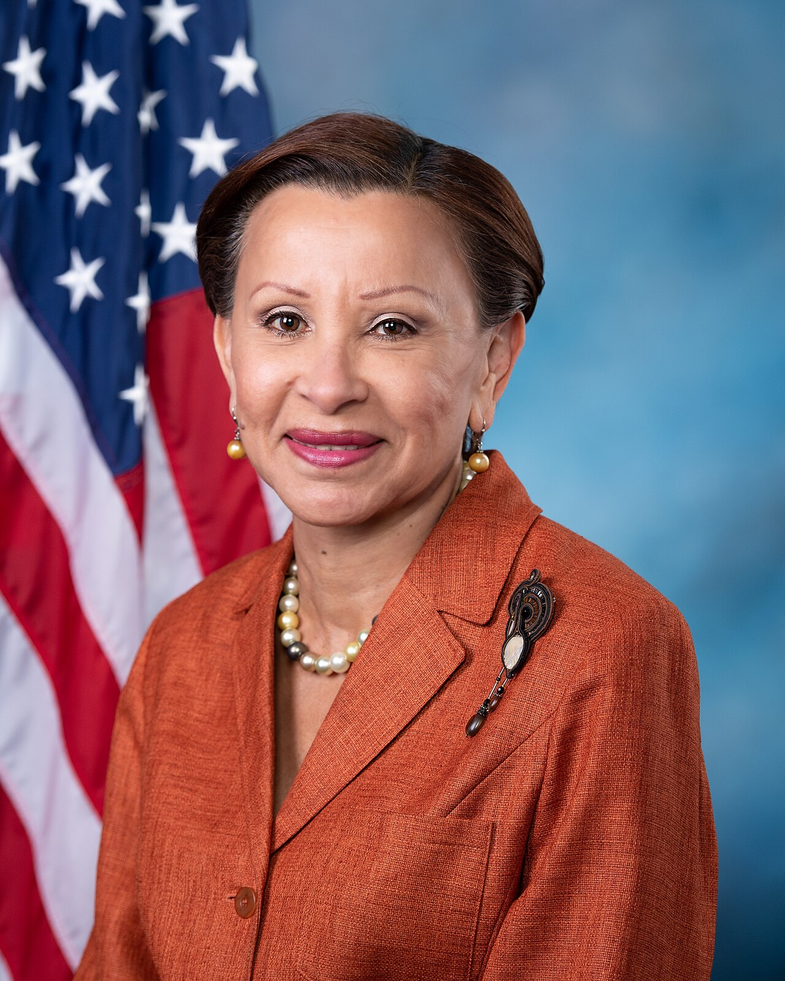
Co-Sponsor
-
TrackEugene Vindman
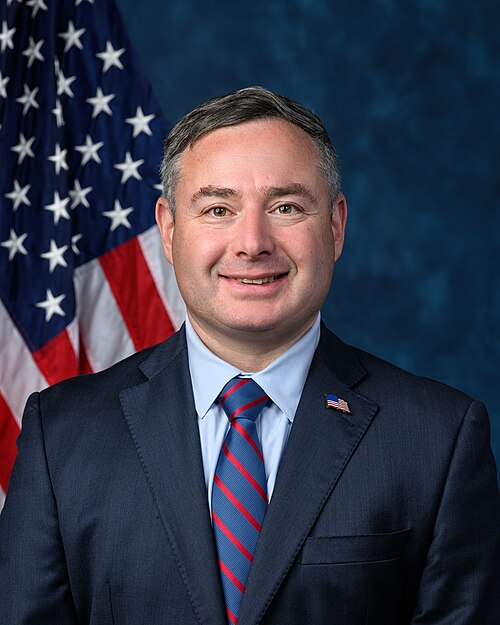
Co-Sponsor
-
TrackBonnie Watson Coleman
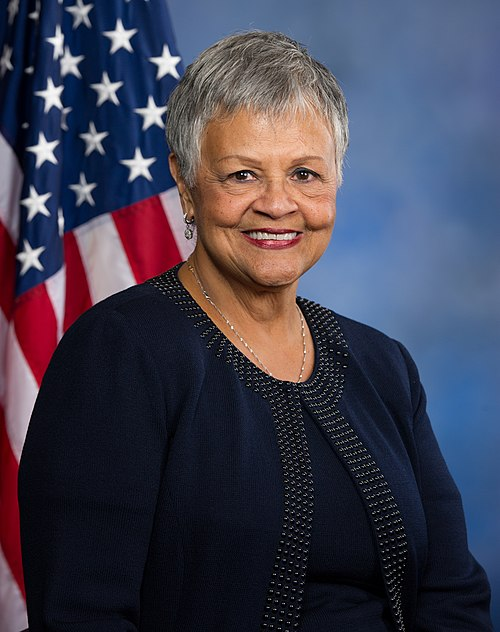
Co-Sponsor
-
TrackFrederica S. Wilson

Co-Sponsor
-
Tracknan

Co-Sponsor
Actions
2 actions
| Date | Action |
|---|---|
| Jul. 23, 2026 | Introduced in House |
| Jul. 23, 2026 | Referred to the Committee on the Judiciary, and in addition to the Committee on Rules, for a period to be subsequently determined by the Speaker, in each case for consideration of such provisions as fall within the jurisdiction of the committee concerned. |
Corporate Lobbying
0 companies lobbying
None found.
* Note that there can be significant delays in lobbying disclosures, and our data may be incomplete.
Potentially Relevant Congressional Stock Trades
No relevant congressional stock trades found.