
H.R. 9932: Eleanor Smith Inclusive Home Design Act of 2026
This bill would require certain newly built homes that receive federal assistance to meet basic accessibility standards for “visitable” design. In plain terms, it would make it easier for people with disabilities, and others who use wheelchairs or have mobility limitations, to enter and use at least one level of a home.
What homes are covered
The bill applies to newly constructed:
- detached single-family houses,
- townhouses, modular homes, and other multi-level dwelling units, and
- ground-floor units in buildings with no more than three dwelling units,
if those homes are intended as residences and were designed, built, or arranged by a person or entity that received federal assistance connected to the project.
It would apply only to homes made available for first occupancy starting one year after the bill becomes law.
What the accessibility standard would require
The bill says covered homes must have at least one level that meets the ANSI “Type C (Visitable) Units” standard, or any later replacement standard. In general, this means the home must include basic features that make it possible for a person with a disability to visit and use part of the home without major barriers.
The bill does not spell out every design feature in the text provided, but it refers to an established accessibility standard used in building design.
How federal funding would be tied to compliance
Anyone applying for federal assistance would have to promise that the funded program or project will follow the bill’s requirements.
For covered projects, the applicant or recipient would also have to submit architectural, interior, and construction plans to the relevant state or local agency that reviews building plans. The submission would have to note that federal assistance was requested or received.
For certain federal housing-related assistance, the bill would require the federal agencies involved to make sure state or local agencies are actually reviewing plans and holding up final approval or occupancy until compliance is confirmed.
Enforcement and lawsuits
The bill creates several enforcement paths:
- Private lawsuits: A person harmed by a violation could sue within five years of the violation or when it ends, whichever is later.
- Government enforcement: The Attorney General could sue if there is reasonable cause to believe the law was violated.
- Damages and orders: Courts could award actual and punitive damages, and could also order repairs or retrofitting, along with other injunctions or temporary orders.
- Attorney’s fees: Courts could award reasonable attorney’s fees and costs to the prevailing party, other than the United States.
If a state or local agency approved plans that turned out to violate the law, the bill assigns responsibility based on whether the problem was in the approved plans or in the actual construction.
Interaction with state law
The bill would not override state or local laws that provide the same or stronger accessibility protections. But if a state or local rule would allow something that violates this bill, that rule would be invalid to that extent.
Relevant Companies
- None found
This is an AI-generated summary of the bill text. There may be mistakes.
Sponsors
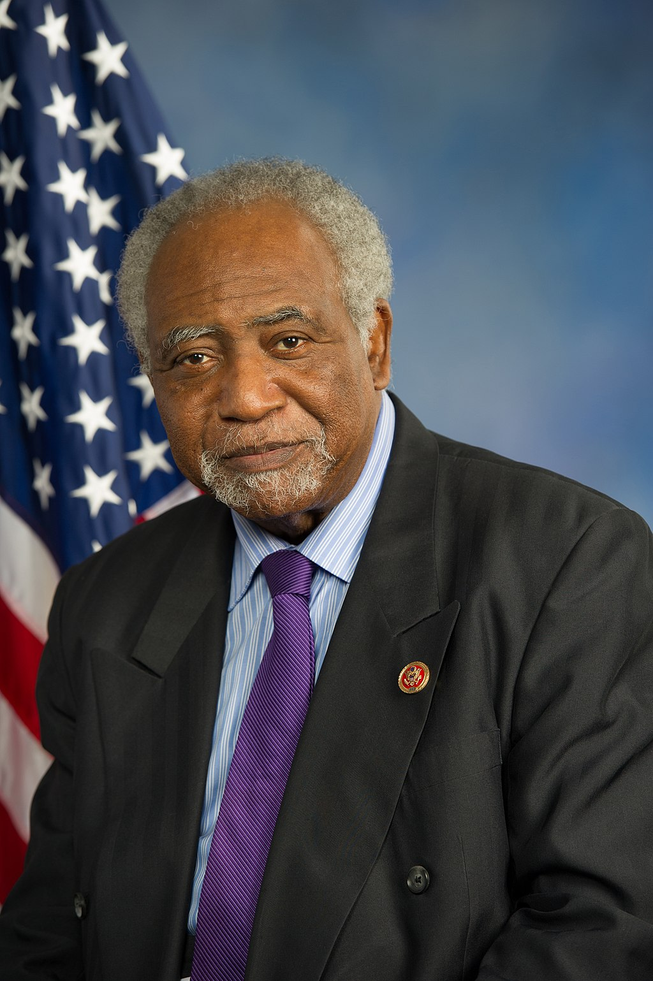
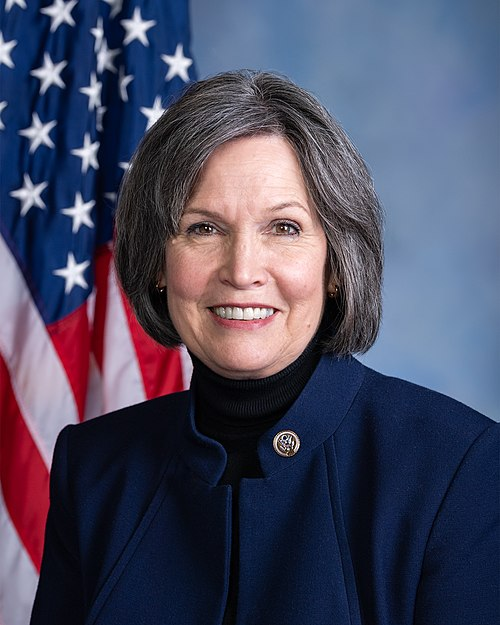
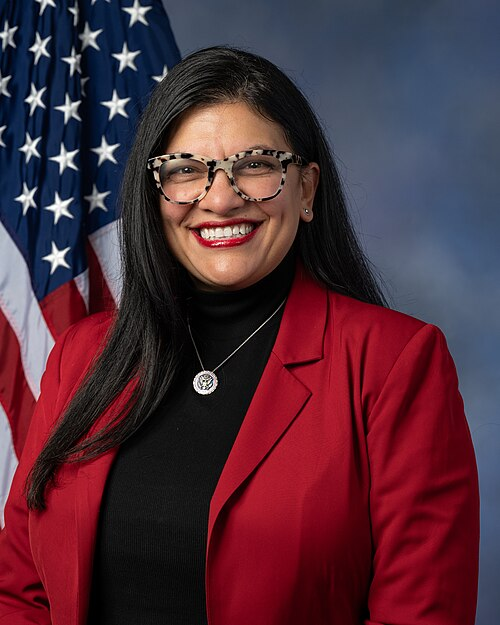
7 bill sponsors




Actions
2 actions
| Date | Action |
|---|---|
| Jul. 23, 2026 | Introduced in House |
| Jul. 23, 2026 | Referred to the House Committee on Financial Services. |
Corporate Lobbying
0 companies lobbying
None found.
* Note that there can be significant delays in lobbying disclosures, and our data may be incomplete.
Potentially Relevant Congressional Stock Trades
No relevant congressional stock trades found.