
H.R. 9922: AI Transparency in Elections Act of 2026
This bill would require political ads that use substantially AI-generated images, audio, or video to clearly say so.
What counts as covered
The new rule would apply to certain public political communications, including ads or messages sent through TV, newspapers, magazines, outdoor ads, mail, phone banks, internet platforms, and other digital media, if they:
- explicitly support or oppose a candidate’s nomination or election;
- mention a candidate during the 120 days before a primary, caucus, convention, or general election; or
- ask for money for a candidate, political committee, or related person/group.
The bill says that using a candidate’s voice or likeness counts as referring to that candidate.
What “substantially generated by AI” means
The bill defines this as an image, audio, or video that was created or materially changed using generative AI. It would not cover minor edits like cropping, resizing, color correction, or other small changes that do not create a meaningfully different impression from the original.
What the disclaimer would have to say
If someone pays for a covered political communication that includes AI-generated content, the ad would have to include a clear disclaimer stating that it contains an image, audio, or video created or materially altered by AI.
- For images: the disclosure would need to be large enough to be easily noticed, permanently attached, and say the content was created or materially altered by AI.
- For audio: the disclosure would need to be spoken clearly at the beginning or end of the ad, last at least 4 seconds, and identify who paid for the ad.
- For video with audio: the disclosure would need to appear both as written text during the video and as an audible statement.
Enforcement
The Federal Election Commission would enforce these rules. The bill adds civil penalties for violations, with penalties for disclaimer violations capped at $50,000 per covered communication. It also says that if a person does not timely respond after being notified of an alleged violation, that can count as an admission of the facts alleged in the complaint. The bill shortens the judicial review timeline for complaints about these AI disclaimer rules.
Regulations and timing
The FEC, working with the National Institute of Standards and Technology, would have to issue regulations within 90 days after enactment. Those rules would include criteria for deciding when a communication uses AI-generated content and details about the required disclaimer.
The requirements would apply to communications made after the bill becomes law, even if the FEC has not yet finished writing the regulations.
Reporting
Two years after enactment, and every two years after that, the FEC would have to report to Congress on compliance and enforcement, and suggest any changes it thinks are needed.
Relevant Companies
None found
This is an AI-generated summary of the bill text. There may be mistakes.
Sponsors
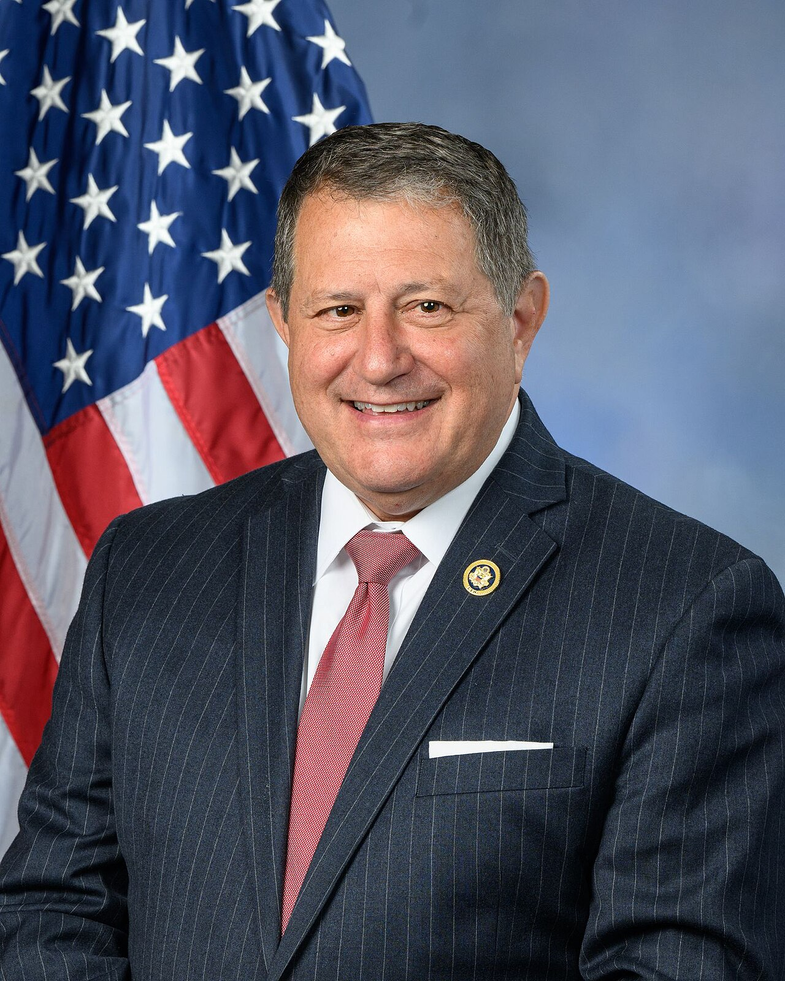
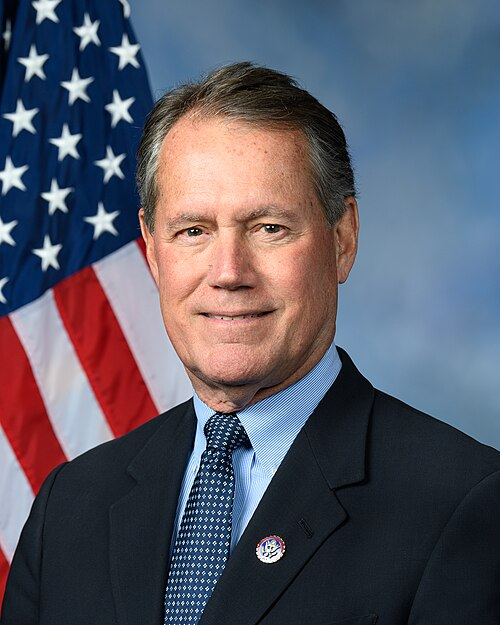
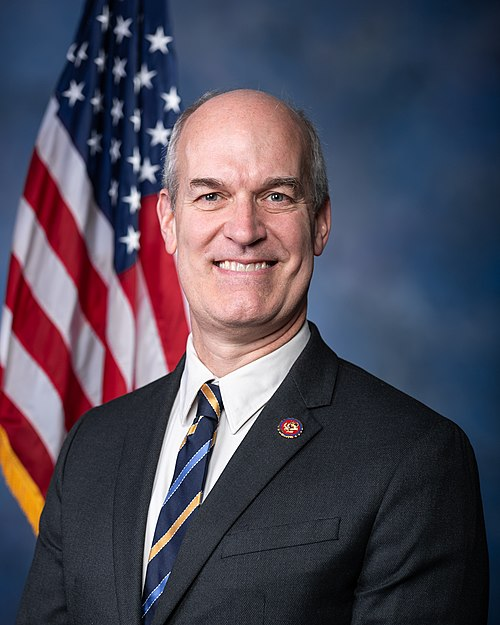
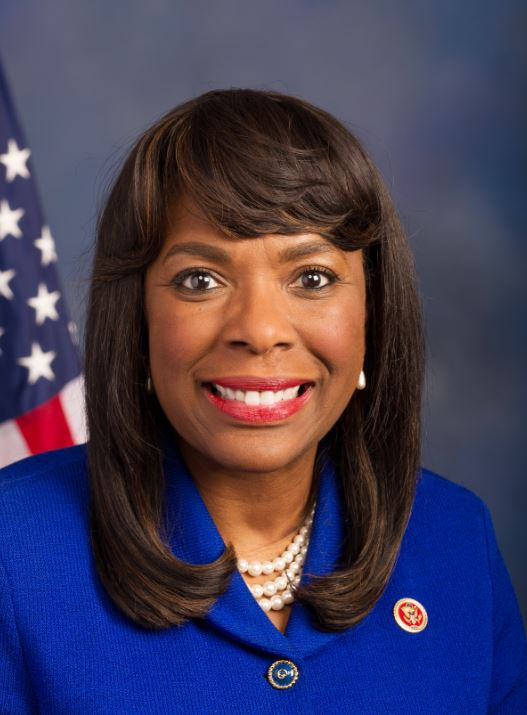
6 bill sponsors

Actions
2 actions
| Date | Action |
|---|---|
| Jul. 23, 2026 | Introduced in House |
| Jul. 23, 2026 | Referred to the House Committee on House Administration. |
Corporate Lobbying
0 companies lobbying
None found.
* Note that there can be significant delays in lobbying disclosures, and our data may be incomplete.
Potentially Relevant Congressional Stock Trades
No relevant congressional stock trades found.