
H.R. 9912: Industrial Bank for American Manufacturing Act of 2026
This bill would create a new federal financing program called the Industrial Bank for American Manufacturing, housed in the Treasury Department but run by the Secretary of Commerce.
What the fund would do
The program would provide direct loans, equity investments, and grants to certain U.S.-based manufacturers. The goal is to help them:
- expand, modernize, or improve operations in the United States, and
- increase the use and production of critical and emerging technologies.
The bill says the funding should support activities tied to the economic, technological, industrial, or national security interests of the United States, and it focuses on industries identified in federal supply-chain reviews.
How much money it could use
Each fiscal year, the fund could receive up to $15 billion. Up to half of the revenue collected from certain tariffs on imports from China would be deposited into the fund, along with any additional money Congress appropriates.
No single loan, investment, or grant could exceed $500 million. If an award is over $100 million, the Secretary of Commerce would have to notify Congress 15 days in advance.
Who could receive assistance
To qualify, a manufacturer would need to have its principal place of business in the United States and meet several conditions, including:
- no outstanding tax liabilities, certain pending civil or criminal actions, or unresolved labor board disputes;
- no beneficial owners that are prohibited foreign entities;
- not being organized under the laws of a foreign country of concern or a nonmarket economy country; and
- not being partnered with a prohibited foreign entity.
Conditions attached to the money
Recipients would have to agree that, for the life of the loan or equity investment, or for 10 years after a grant is first paid out, they will not use the money to:
- pay dividends or buy back their own stock;
- expand operations in a foreign country of concern or a nonmarket economy country; or
- license technologies developed with the assistance to entities outside the United States.
Recipients would also have to:
- follow prevailing wage rules for construction work on funded facilities;
- meet apprenticeship requirements for construction work;
- spend at least 1% of the assistance on worker training or send an equivalent amount to a local workforce board; and
- spend at least 0.5% of the award on supportive services for workers.
Small manufacturers with fewer than 500 employees would be exempt from the ban on using assistance to pay dividends or repurchase shares.
Priority areas and set-asides
When choosing awards, the Secretary of Commerce would have to prioritize manufacturers that:
- reduce greenhouse gas intensity or other emissions intensity;
- improve production efficiency;
- are located in areas that have lost at least 25% of manufacturing jobs from 2000 to 2023;
- have been harmed by trade remedies or other trade actions;
- intend to remain neutral on unionization at the funded project;
- plan to develop brownfield or former industrial sites; or
- buy goods and services sourced from the United States.
The bill would also reserve:
- 10% of the fund each year for small business manufacturers; and
- 10% each year for manufacturers that help create, maintain, protect, expand, or restore domestic industrial base capabilities essential for national defense.
Construction labor rules
For facilities receiving assistance, the bill would require construction, alteration, or repair work to pay prevailing wages and use apprentices for a growing share of labor hours:
- 10% for projects starting before January 1, 2027;
- 12.5% for projects starting in 2027; and
- 15% for projects starting after 2027.
The bill includes penalty provisions if wage or apprenticeship requirements are not met, though a manufacturer can avoid some penalties by making required back-pay and penalty payments within 180 days of a final determination. It also includes a “good-faith effort” exception when apprentices are requested but not provided in time or are denied for reasons not caused by the manufacturer’s noncompliance.
Oversight and reporting
The Secretary of Commerce would have to report to Congress two years after the fund is created and then annually. Those reports would cover effects on U.S. production capacity, supply-chain dependence on nonmarket economies, supply-chain resilience, and broader economic impacts.
The Department of Commerce would also have to maintain a public website listing award details, including the recipient’s name and location, award type and amount, how the money is used, and the number of jobs created or retained.
The Secretaries of Commerce, Energy, Defense, and Health and Human Services would also have to update sectoral supply-chain assessments every two years.
How long it would last
The Commerce Secretary’s authority to commit money from the fund would end 10 years after enactment, and any unused balances at that point would be canceled.
Relevant Companies
None found.
This is an AI-generated summary of the bill text. There may be mistakes.
Sponsors
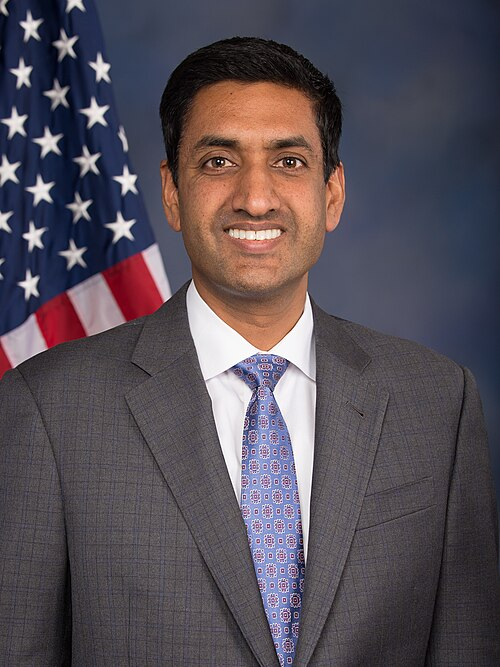
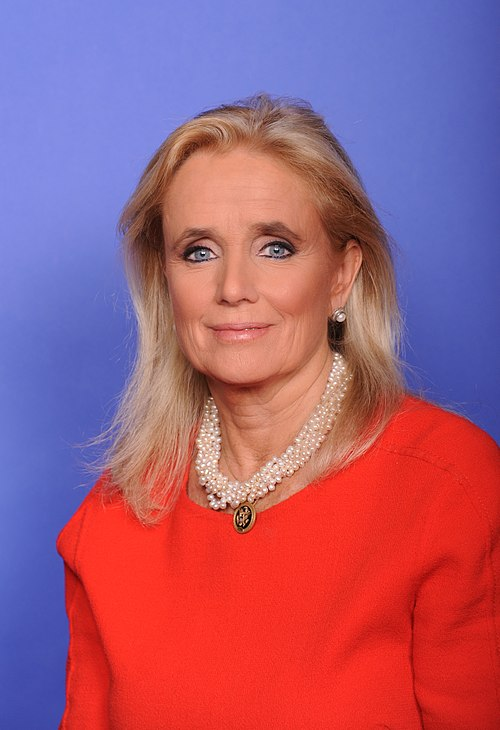
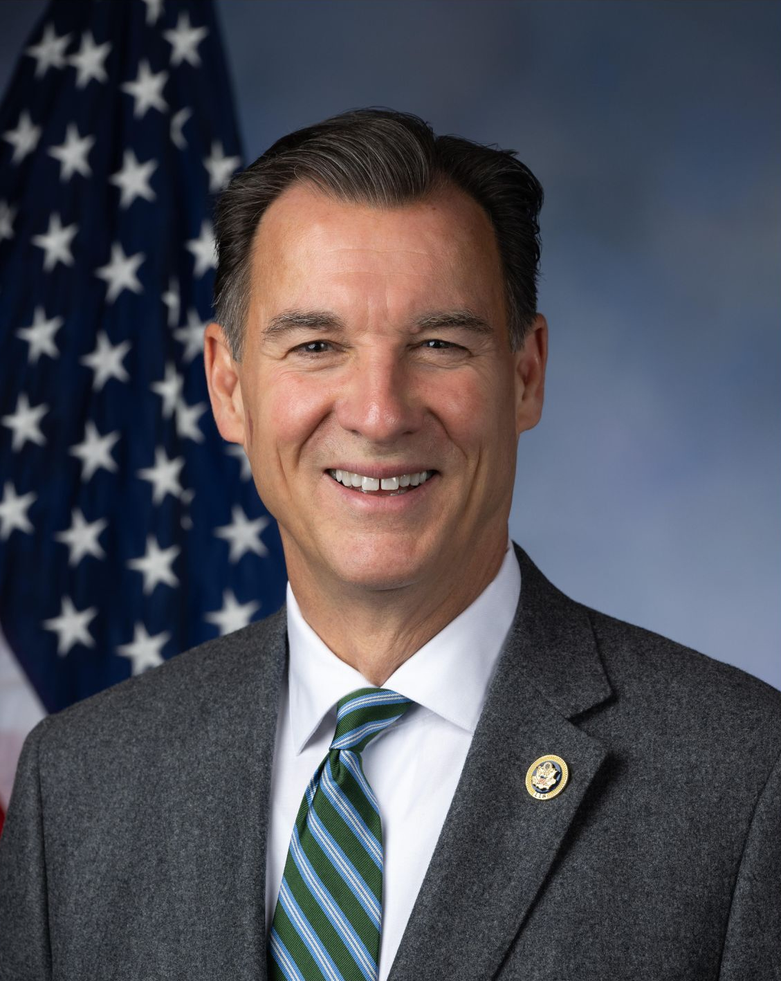
3 bill sponsors
Actions
2 actions
| Date | Action |
|---|---|
| Jul. 23, 2026 | Introduced in House |
| Jul. 23, 2026 | Referred to the House Committee on Financial Services. |
Corporate Lobbying
0 companies lobbying
None found.
* Note that there can be significant delays in lobbying disclosures, and our data may be incomplete.
Potentially Relevant Congressional Stock Trades
No relevant congressional stock trades found.