
H.R. 9898: Transportation for Reentry Act
This bill would create a new federal public transit benefit for people recently released from prison. In general, it would require certain local and regional transit agencies that receive federal transit money to offer free public transportation for one year to eligible people after release from incarceration.
What the program would do
The bill adds a new “public transportation reentry service” to federal transit law. Transit agencies that get funding under existing federal programs for urban and rural transit would have to set up a system that allows eligible returning individuals to enroll and use the free transit benefit.
The benefit would apply to people who have been incarcerated in federal or state prison for at least one year. The free transit access would last for 12 months starting on the person’s release date.
Requirements for transit agencies
Agencies participating in the program would have to:
- create a way for returning individuals to sign up;
- train transit staff on how the program works;
- track how many people use the benefit and how often they use it;
- make sure the one-year time limit is followed.
Federal funding and reimbursement
The Secretary of Transportation could reimburse agencies for both direct and indirect costs of providing the service. Covered costs could include:
- setting up the program;
- running it;
- training staff;
- technical assistance;
- outreach to prisons and returning individuals;
- other costs needed to operate the program.
The bill also makes $40 million per year available from the Mass Transit Account of the Highway Trust Fund for fiscal years 2027 through 2031 to carry out the program.
Rules, reporting, and oversight
The Department of Transportation would have to issue regulations within one year of enactment. Those regulations would address technical assistance, outreach so eligible people know about the program, and how the benefit works if someone moves between locations or states during the one-year period.
Each transit agency receiving funds under the program would have to file an annual report to the National Transit Database showing:
- how many returning individuals used the service;
- how many trips were taken;
- an estimate of lost fare revenue;
- other information the Secretary requires.
The Federal Transit Administration would then summarize those reports and send Congress an annual report.
Within five years, the Government Accountability Office would have to report to Congress on how the program was implemented and what effect it had on recidivism and community reentry.
How it changes existing transit grant rules
The bill would also change federal transit grant eligibility rules so that agencies must certify they will comply with the new reentry service in order to receive certain urbanized area or rural transit grants.
Relevant Companies
None found.
This is an AI-generated summary of the bill text. There may be mistakes.
Sponsors
18 bill sponsors
-
TrackEmanuel Cleaver
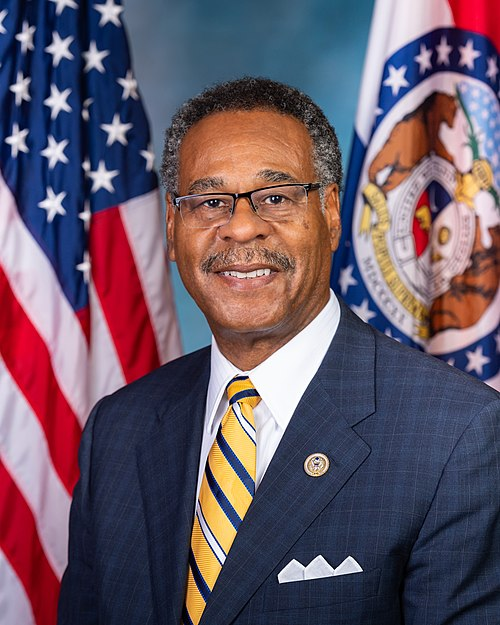
Sponsor
-
TrackWesley Bell
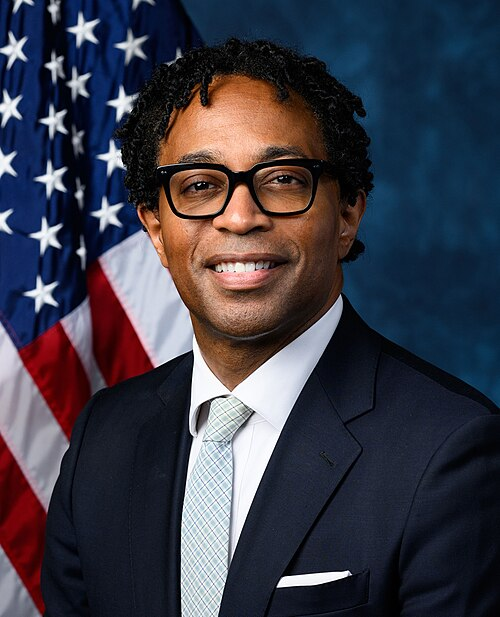
Co-Sponsor
-
TrackAndré Carson
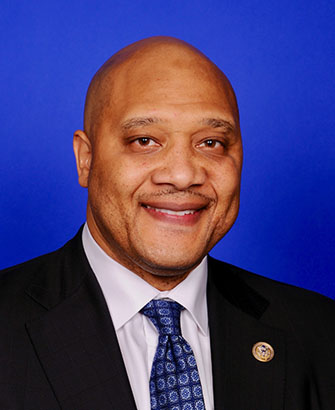
Co-Sponsor
-
TrackTroy A. Carter

Co-Sponsor
-
TrackJudy Chu
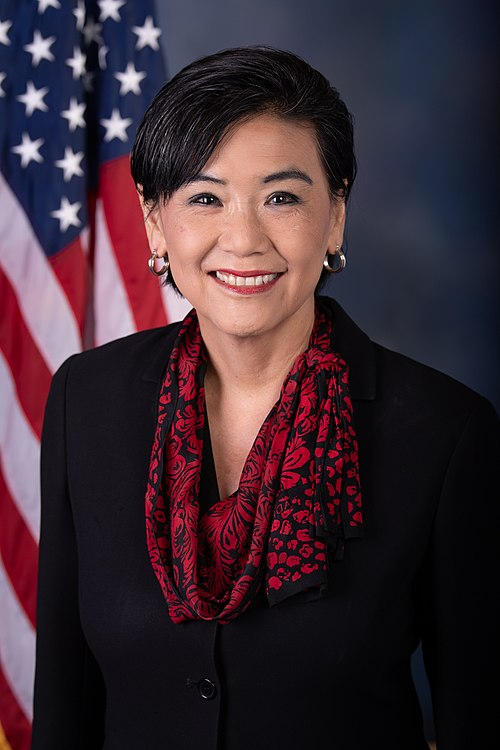
Co-Sponsor
-
TrackJasmine Crockett

Co-Sponsor
-
TrackDwight Evans
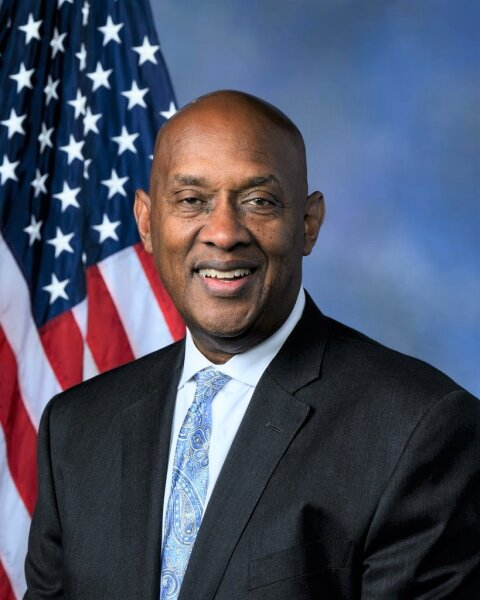
Co-Sponsor
-
TrackValerie P. Foushee

Co-Sponsor
-
TrackMaxwell Frost

Co-Sponsor
-
TrackRobert Garcia
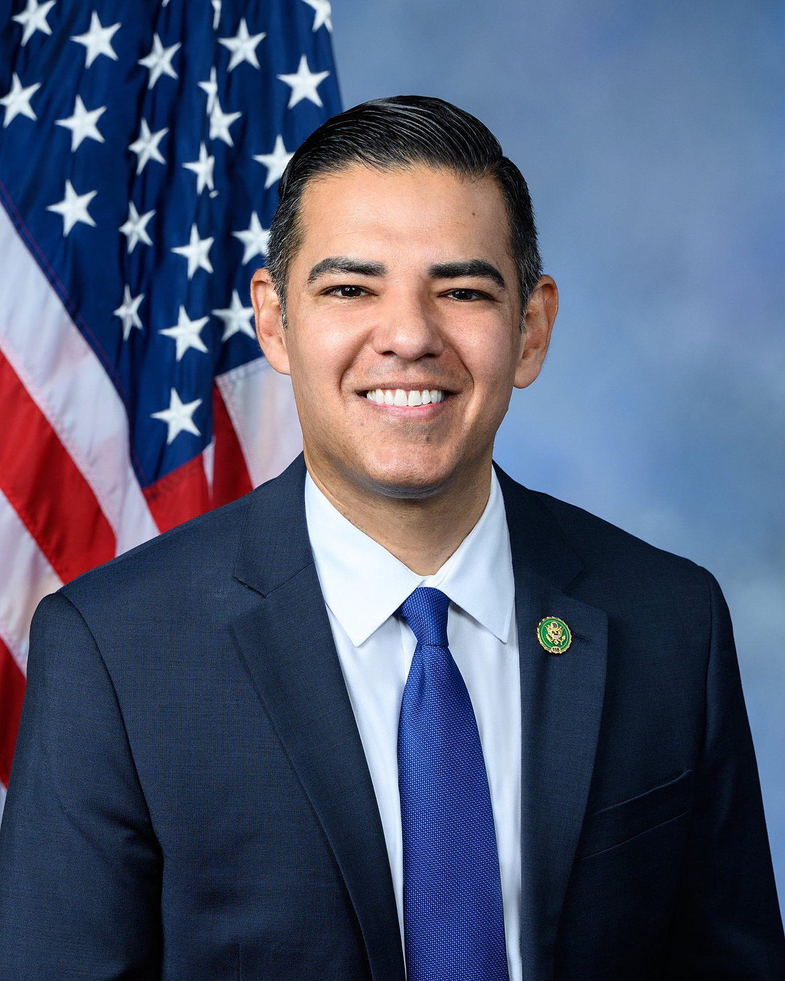
Co-Sponsor
-
TrackGlenn Ivey

Co-Sponsor
-
TrackJonathan L. Jackson

Co-Sponsor
-
TrackPramila Jayapal

Co-Sponsor
-
TrackHenry C. "Hank" Johnson, Jr.

Co-Sponsor
-
TrackJanice D. Schakowsky

Co-Sponsor
-
TrackRashida Tlaib
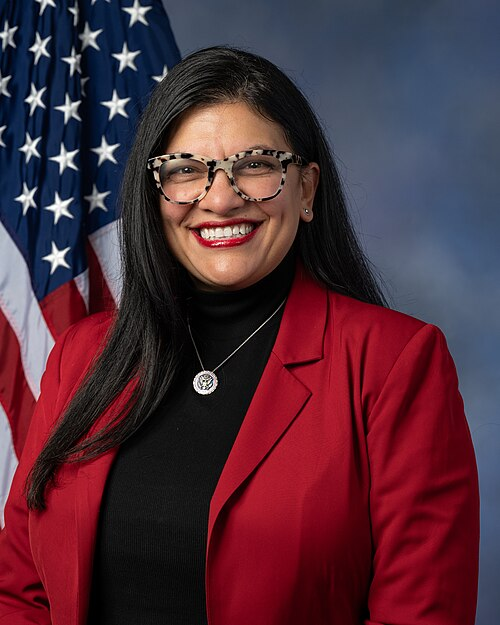
Co-Sponsor
-
TrackBonnie Watson Coleman
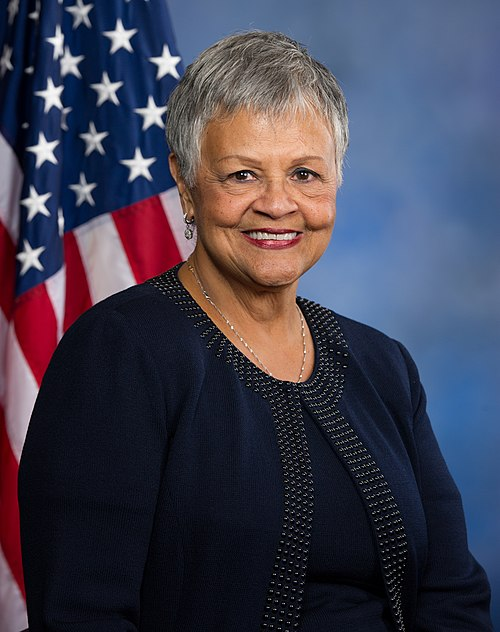
Co-Sponsor
-
TrackFrederica S. Wilson

Co-Sponsor
Actions
2 actions
| Date | Action |
|---|---|
| Jul. 23, 2026 | Introduced in House |
| Jul. 23, 2026 | Referred to the House Committee on Transportation and Infrastructure. |
Corporate Lobbying
0 companies lobbying
None found.
* Note that there can be significant delays in lobbying disclosures, and our data may be incomplete.
Potentially Relevant Congressional Stock Trades
No relevant congressional stock trades found.