
H.R. 9892: Stop EU Overreach Act
This bill would direct the United States Trade Representative (USTR) to begin a formal trade investigation into certain European Union rules that the bill says apply outside the EU to U.S. companies and their supply chains.
What EU rules are covered
The bill focuses on four EU measures, plus similar future or replacement rules:
- the Corporate Sustainability Due Diligence Directive (CS3D)
- the Corporate Sustainability Reporting Directive (CSRD)
- the EU Deforestation Regulation (EUDR)
- the Carbon Border Adjustment Mechanism (CBAM)
It describes these as rules that can require U.S. companies to do things like map supply chains, report emissions, trace products back to their origin, conduct audits, and make sustainability disclosures.
What the USTR would have to do
Within 30 days of enactment, the USTR would have to start a Section 301 investigation under U.S. trade law to determine whether the EU measures are an unreasonable or discriminatory trade practice that burdens U.S. commerce.
The investigation could examine:
- compliance costs for U.S. companies
- legal exposure for U.S. firms based on the actions of foreign subsidiaries or suppliers
- whether U.S. companies are placed at a competitive disadvantage compared with companies not subject to these rules
The USTR would also have to consult affected U.S. companies, trade groups, labor representatives, and several federal agencies, including Commerce, State, Energy, Agriculture, Defense, EPA, and the International Trade Commission.
Reporting deadlines
Within 90 days, the USTR would have to send Congress an initial report describing what steps have been taken, any talks with the EU, and a preliminary view of the burden on U.S. commerce.
Within 12 months of starting the investigation, the USTR would have to decide whether action under Section 301 is warranted. That deadline could be extended once for 60 days in extraordinary circumstances.
If the USTR makes an affirmative finding, the agency would have to publish it and consider trade remedies. Those could include:
- tariffs or duties
- suspending trade agreement benefits
- other actions intended to remove the burden on U.S. commerce
If the USTR decides not to take action, it would have to report its reasons to Congress.
How the bill would end
The bill would stop applying to a particular EU measure if the USTR certifies that the EU has either:
- repealed or formally amended the rule to remove its extraterritorial effect on U.S. persons, or
- entered into a binding agreement saying U.S. persons will not be subject to those requirements for activities outside the EU
The bill would fully sunset once all covered EU measures meet that condition. Any certification would have to state that the change fully removes the burden on U.S. commerce.
Other key points
The bill says it does not itself determine that the EU has violated U.S. law or a trade agreement. It also does not limit the President’s or USTR’s existing authority to negotiate or modify trade agreements.
Relevant Companies
None found
This is an AI-generated summary of the bill text. There may be mistakes.
Sponsors
12 bill sponsors
-
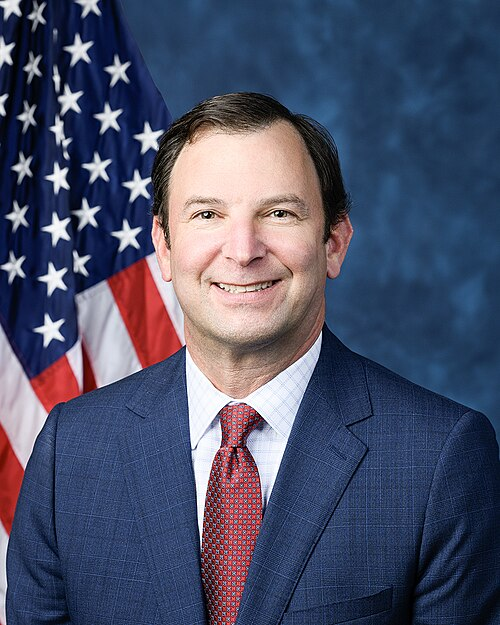
TrackCraig Goldman
Sponsor
-
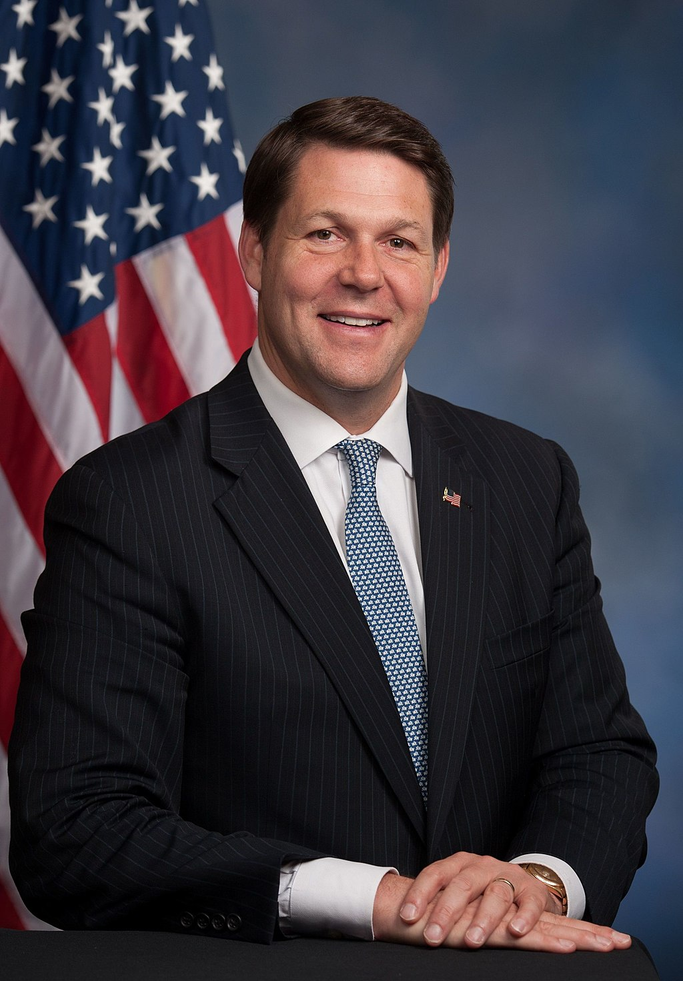
TrackJodey C. Arrington
Co-Sponsor
-
TrackGus M. Bilirakis

Co-Sponsor
-
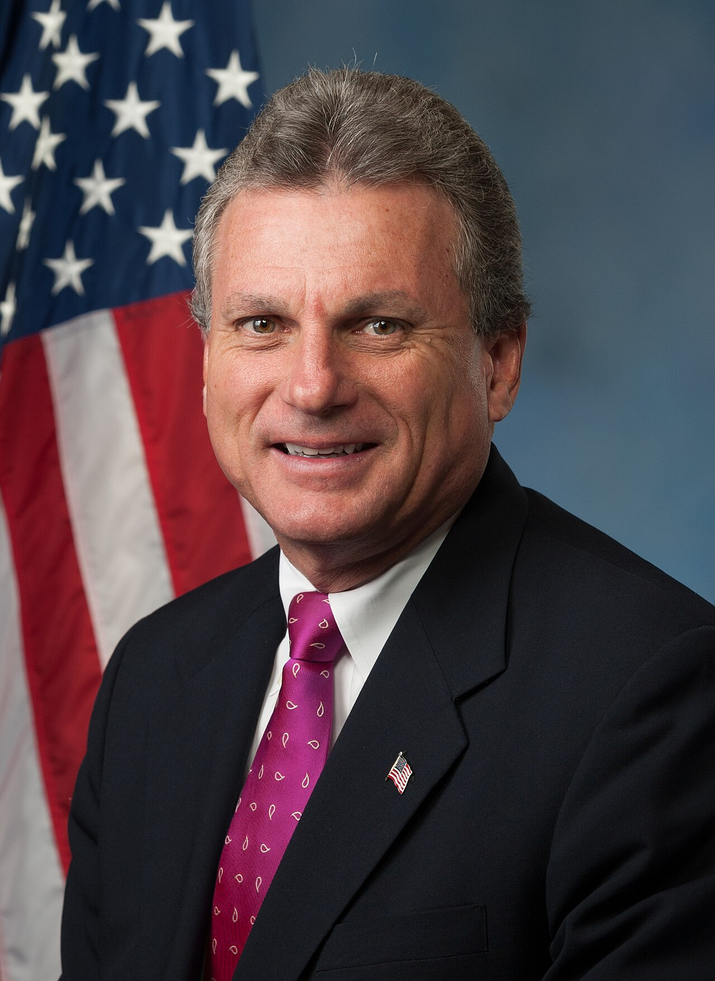
TrackEarl L. "Buddy" Carter
Co-Sponsor
-
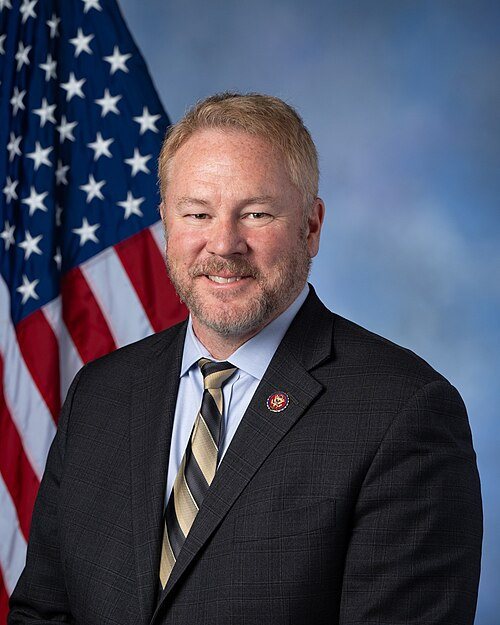
TrackWarren Davidson
Co-Sponsor
-
TrackMichael Lawler
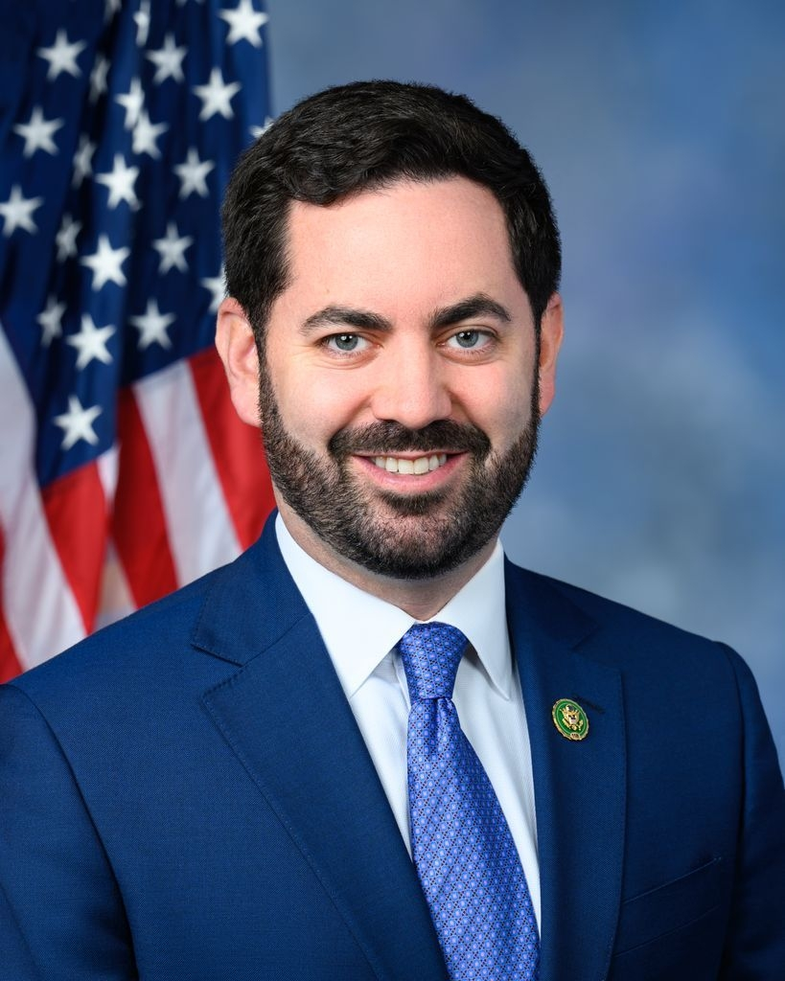
Co-Sponsor
-
TrackAugust Pfluger
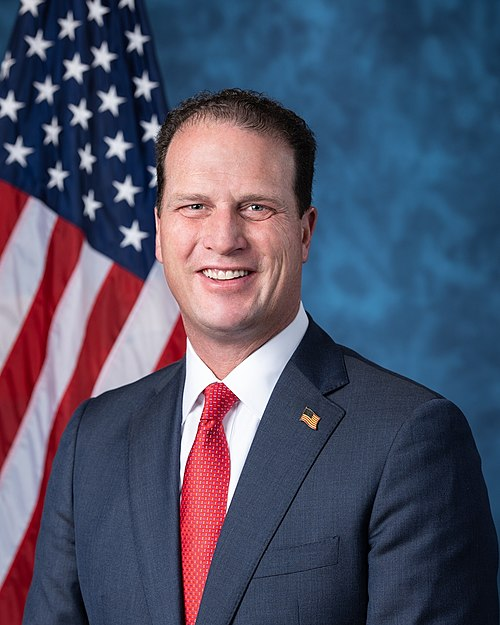
Co-Sponsor
-
TrackPete Sessions
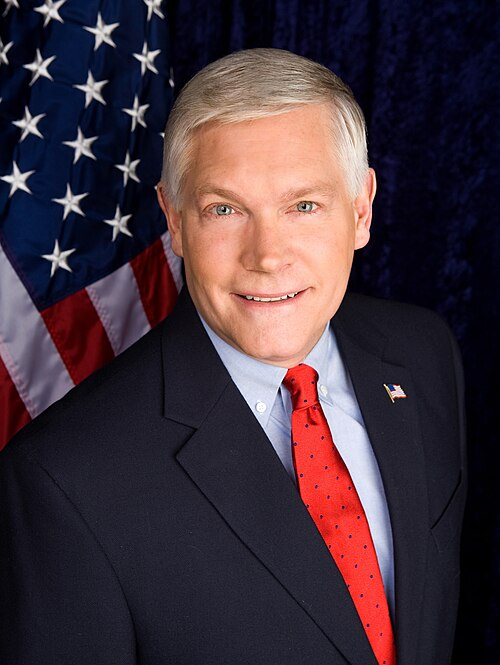
Co-Sponsor
-
TrackW. Gregory Steube

Co-Sponsor
-
TrackRandy K. Weber, Sr.
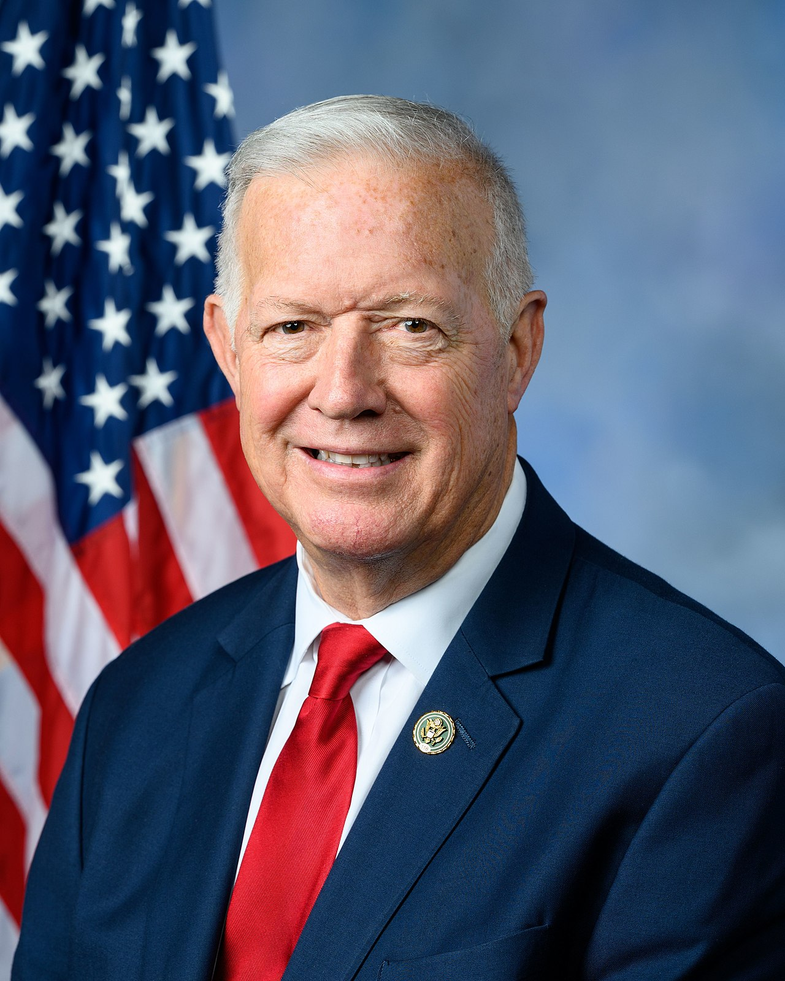
Co-Sponsor
-
TrackRoger Williams

Co-Sponsor
-
Tracknan

Co-Sponsor
Actions
2 actions
| Date | Action |
|---|---|
| Jul. 23, 2026 | Introduced in House |
| Jul. 23, 2026 | Referred to the House Committee on Ways and Means. |
Corporate Lobbying
0 companies lobbying
None found.
* Note that there can be significant delays in lobbying disclosures, and our data may be incomplete.
Potentially Relevant Congressional Stock Trades
No relevant congressional stock trades found.