
H.R. 9887: Swatting Registry Best Practices Act
This bill would direct the U.S. Attorney General, working with the Secretary of Homeland Security, to create federal guidance for state, tribal, territorial, and local governments on how to set up and run voluntary swatting registries.
What a swatting registry is
A swatting registry is a local or regional list of people or addresses that are considered at higher risk of being targeted by fake emergency calls. The idea is that, if someone on the list becomes the subject of a 9-1-1 call or police response, dispatchers may be able to check the registry and use verification steps before sending officers in force.
What the guidance would cover
The bill says the guidance must include best practices on several topics, including:
- Who can register: The program must be voluntary, with clear rules for joining, renewing, and leaving the registry.
- Who it is for: It should identify categories of people who may be at higher risk of swatting or harassment.
- What information is collected: The guidance should recommend collecting only the information needed, such as an address, phone numbers, other contact methods, optional code words or verification phrases, and limited timing information when risk is expected to be higher.
- How it connects to emergency response: Registry information should be integrated into 9-1-1 and dispatch systems, including automated alerts and possible lower-escalation response options when a hoax seems likely.
- Training: Call-takers, dispatchers, and responding officers should be trained on what swatting is and how to use registry information without relying on it too heavily.
- Privacy and security: Access should be limited to authorized personnel, records should be encrypted, access should be logged, and safeguards should be in place to prevent misuse or discrimination.
- Data retention and accuracy: The guidance should recommend limits on how long data is kept, ways for people to update or delete their information, and regular review to keep records accurate.
- Technology and funding: It should address how registries can be linked with existing dispatch systems and mention possible use of existing federal grant programs.
- Evaluation: It should recommend ways to measure whether registries reduce harm, property damage, use of force, and costs, and whether they improve response efficiency.
- Possible use in other emergencies: It says the guidance may consider whether registry information could help in other situations, such as medical emergencies or wellness checks, if safeguards are in place.
Other provisions
The Department of Justice would have to publish the guidance publicly, except for sensitive or classified material. The Attorney General could update the guidance later as technology or threats change. The bill also says the DOJ may provide technical assistance to jurisdictions that want to build or improve these systems, and may use existing DOJ grant and assistance programs to help spread the guidance.
What the bill would not do
- It would not create a federal swatting registry.
- It would not require any state or local government to create one.
- It would not limit police officers’ ability to take actions they think are needed to protect life and public safety.
Relevant Companies
None found
This is an AI-generated summary of the bill text. There may be mistakes.
Sponsors
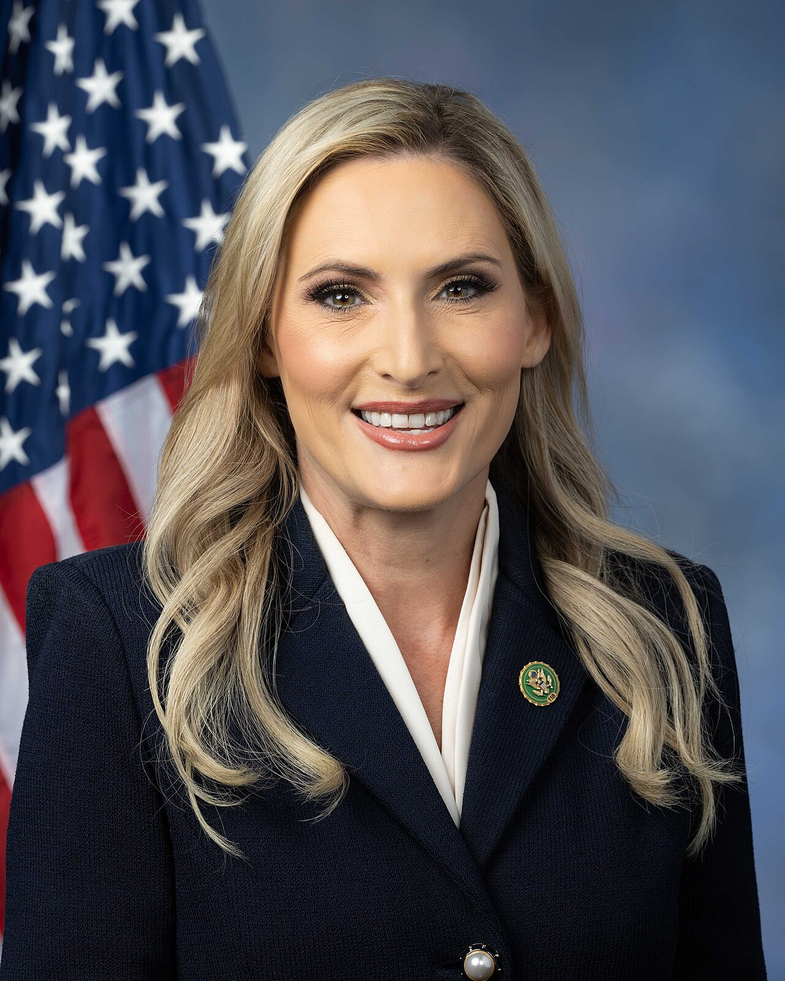
2 bill sponsors

Actions
2 actions
| Date | Action |
|---|---|
| Jul. 22, 2026 | Introduced in House |
| Jul. 22, 2026 | Referred to the House Committee on the Judiciary. |
Corporate Lobbying
0 companies lobbying
None found.
* Note that there can be significant delays in lobbying disclosures, and our data may be incomplete.
Potentially Relevant Congressional Stock Trades
No relevant congressional stock trades found.